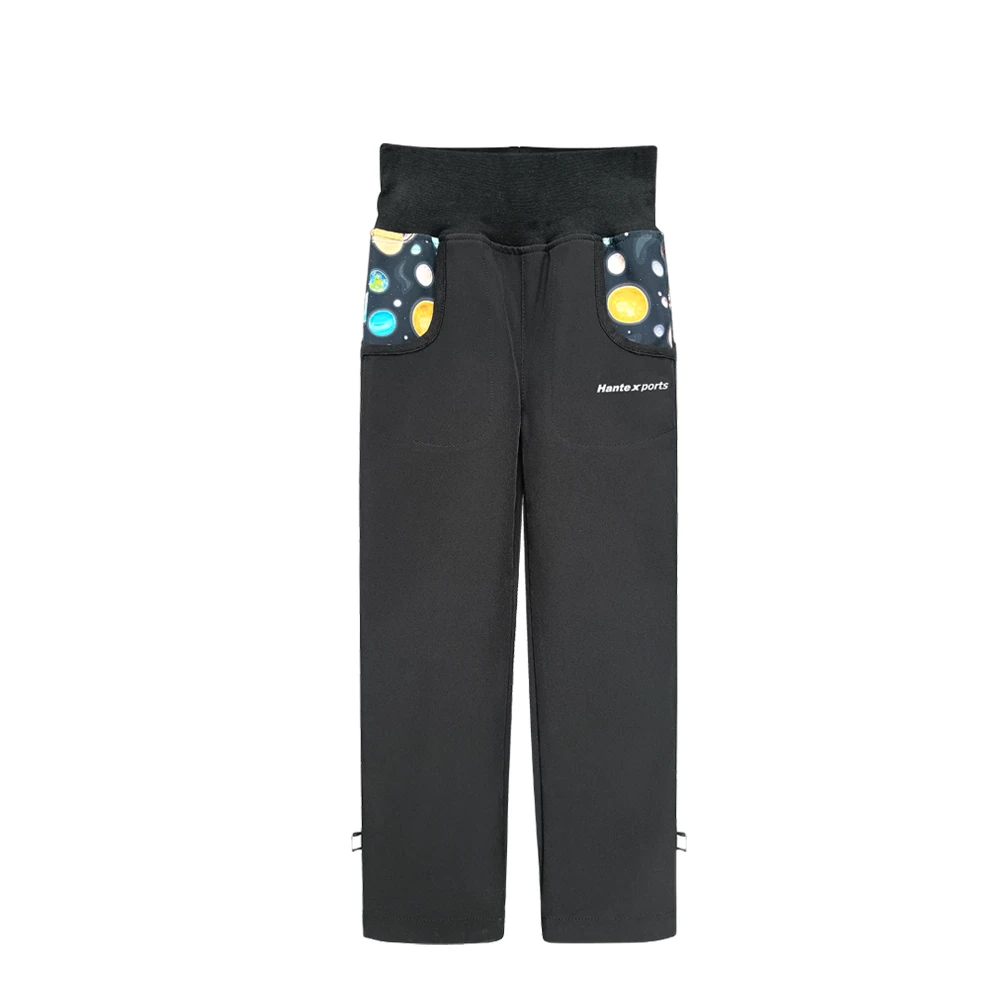
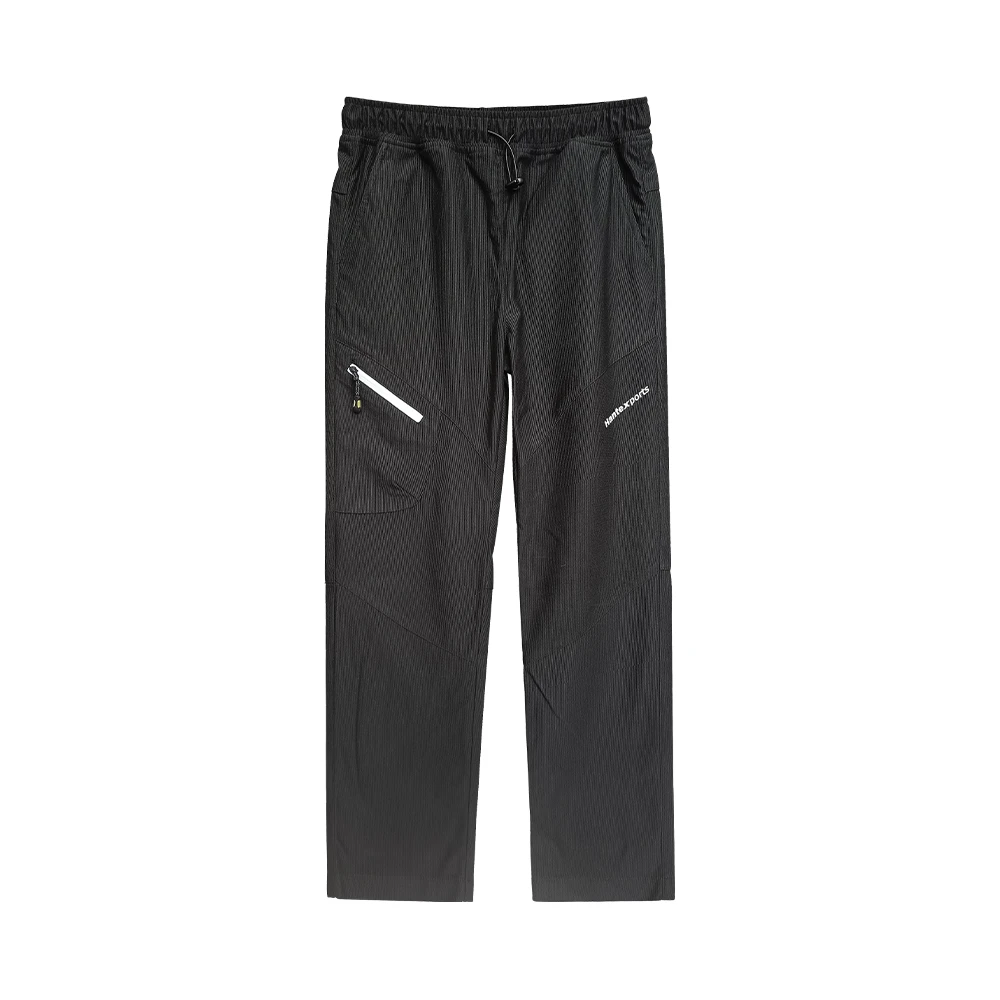
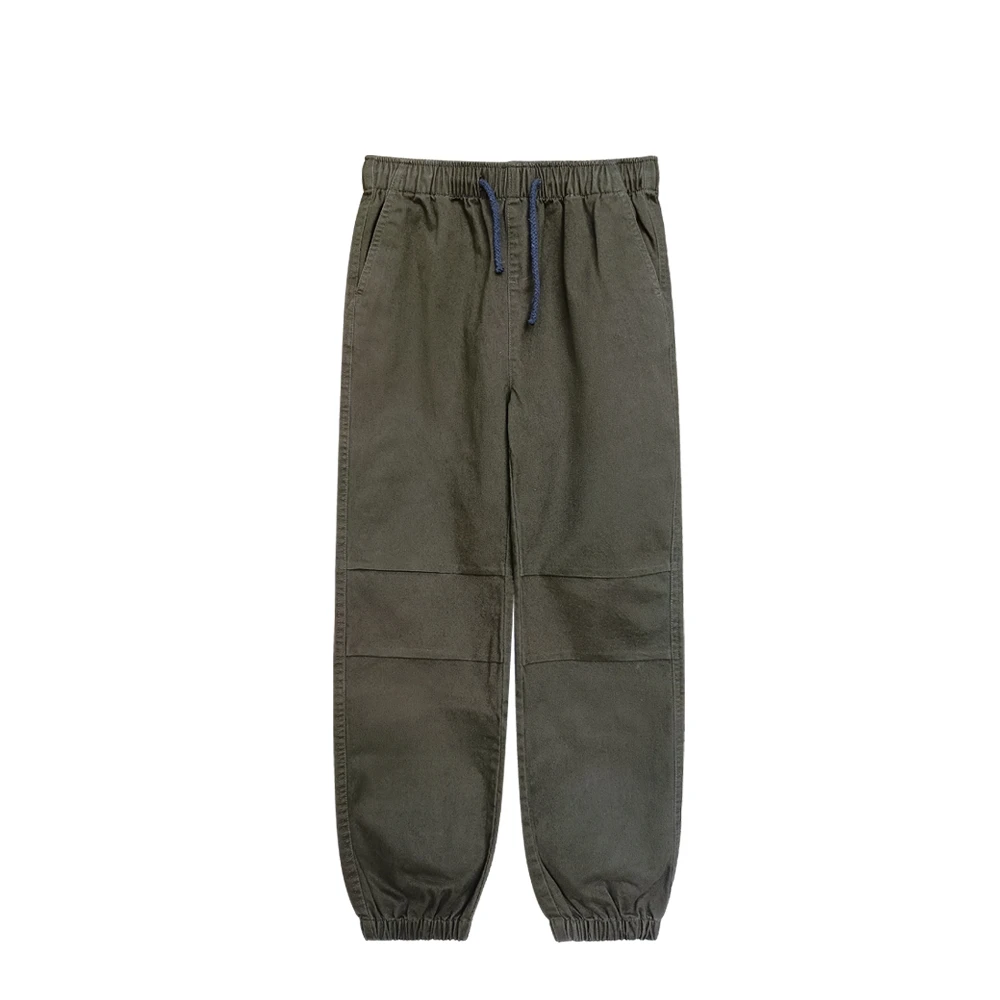
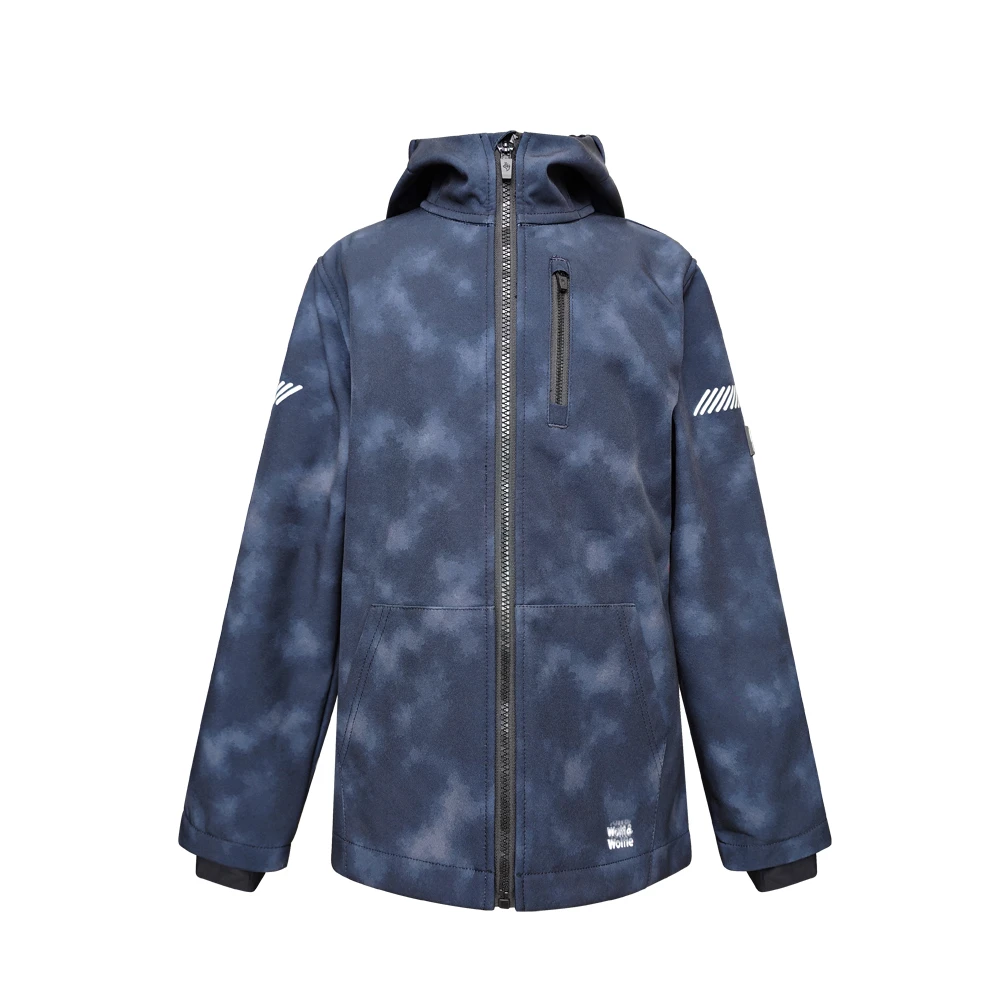
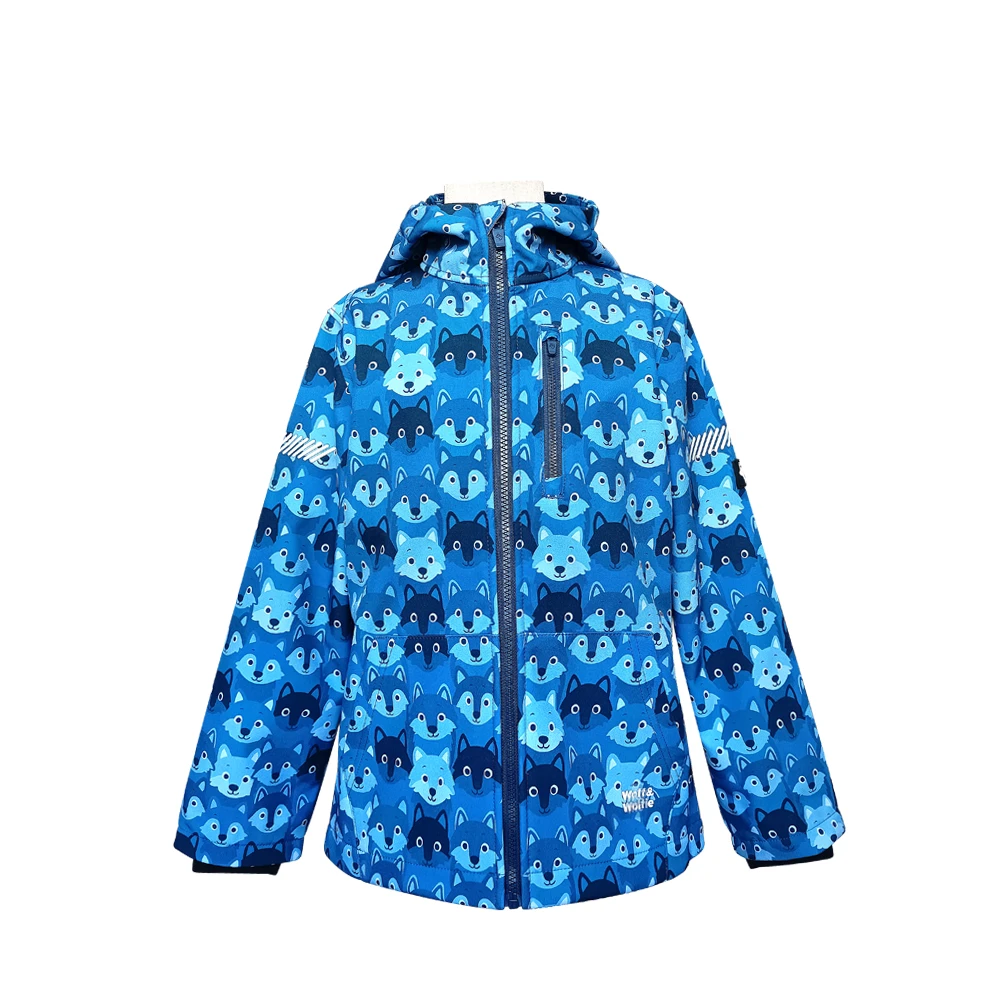
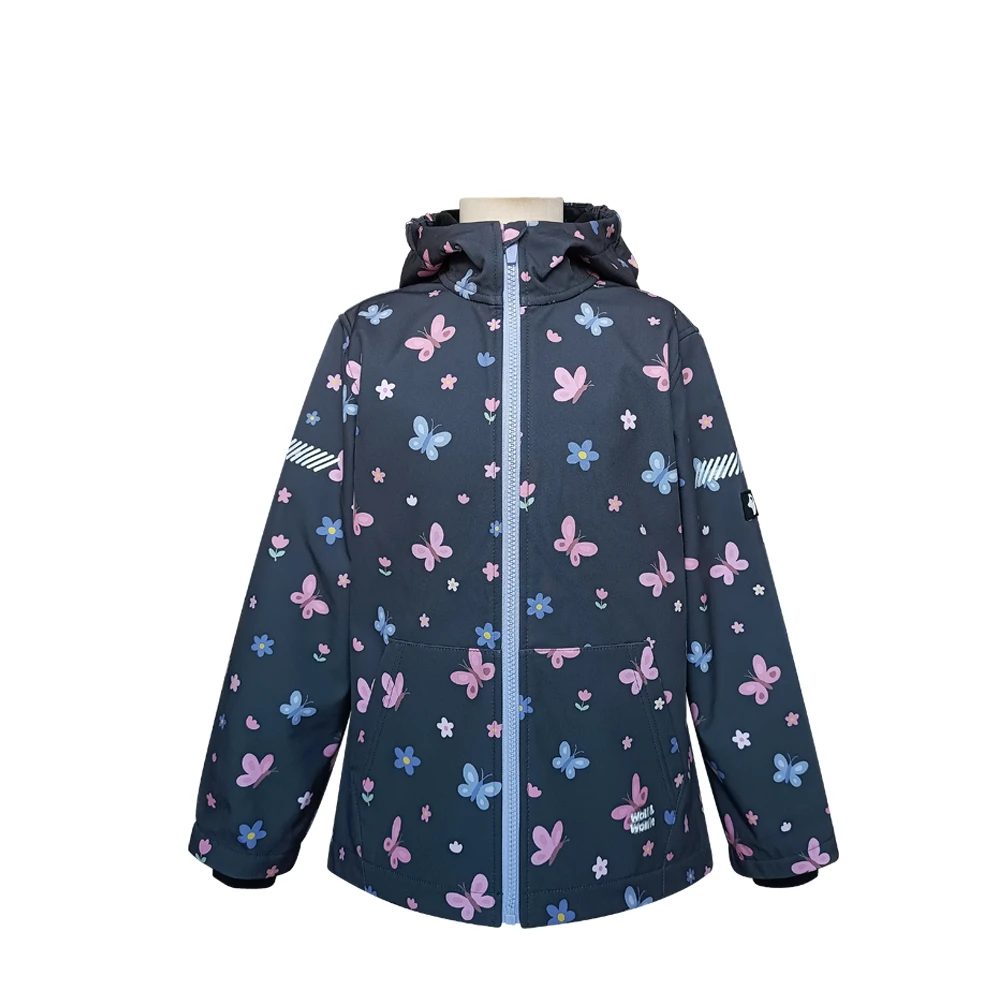
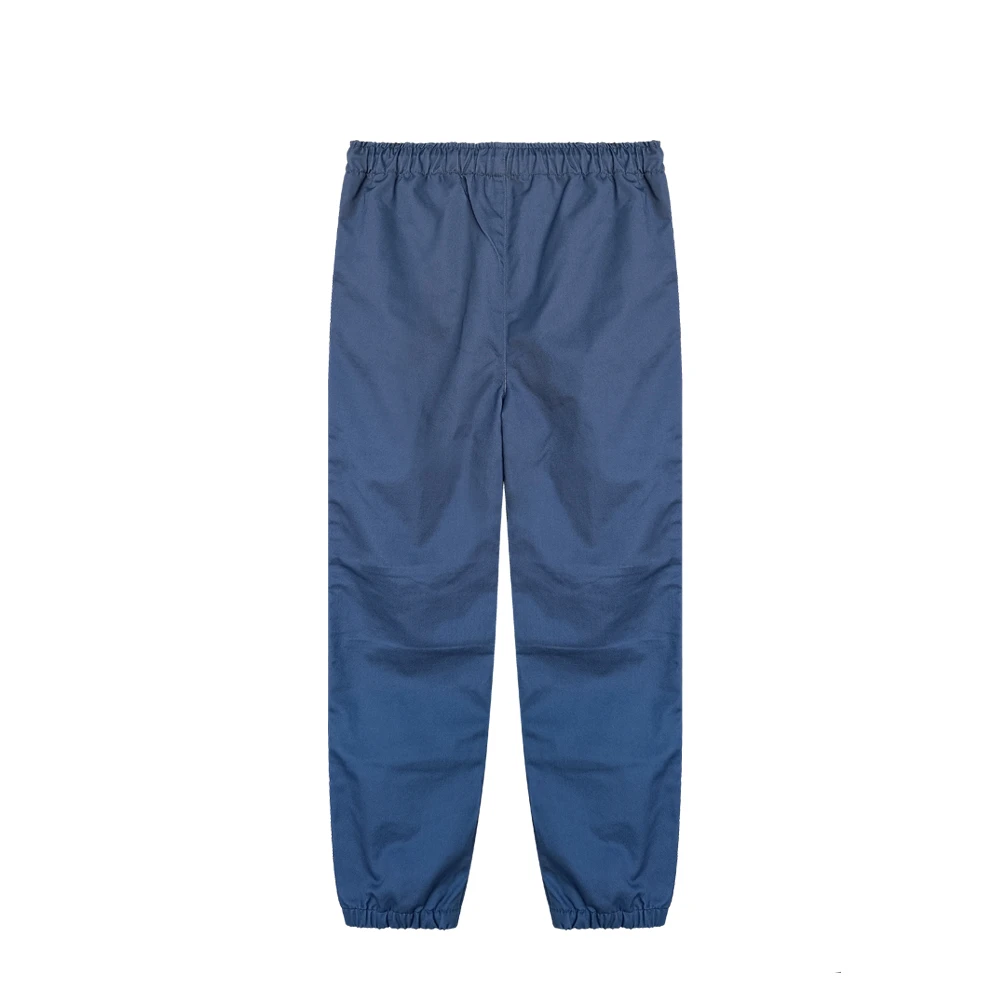
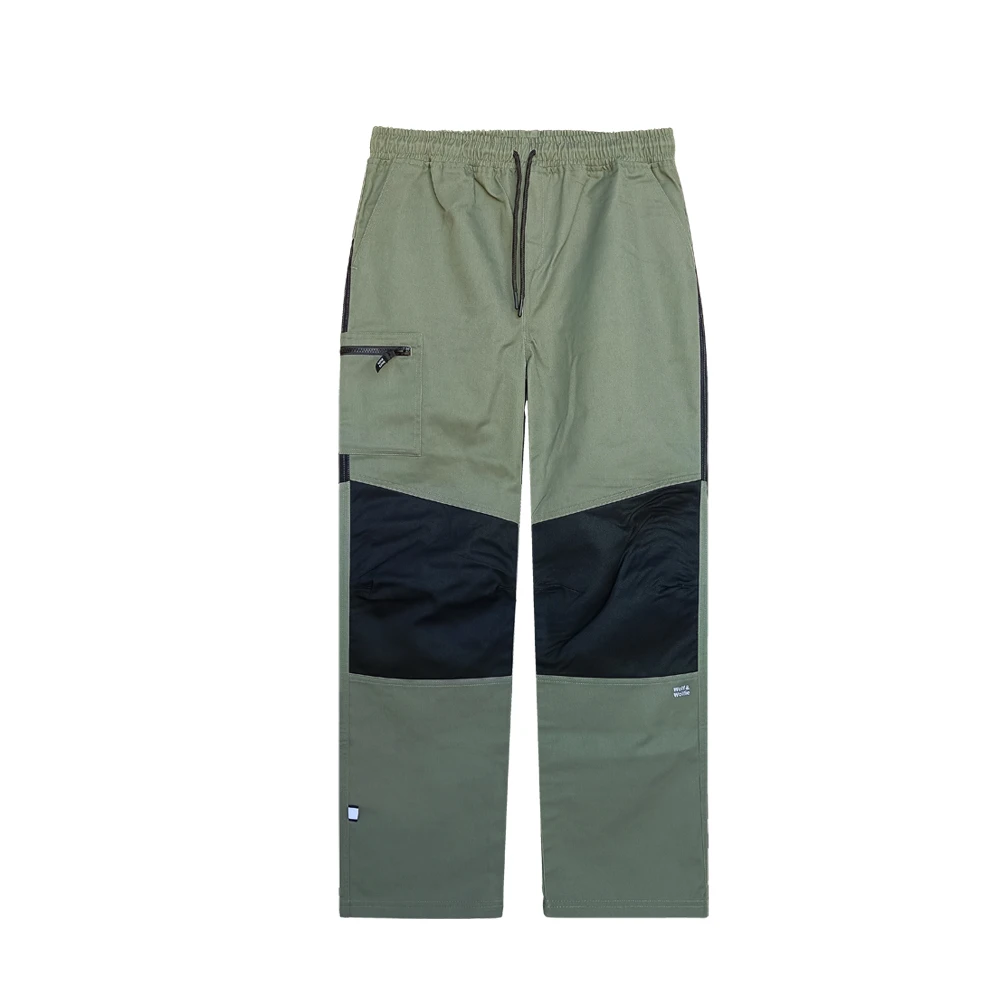
Raincoat Jacket and Pants: Essential Gear for Industrial Work in Wet Conditions
Having spent over a decade in the industrial equipment sector, you quickly learn that gear isn’t just about function—it’s also about comfort, durability, and sometimes a bit of luck. Raincoat jacket and pants form a crucial part of protective apparel for anyone working outdoors, especially in unpredictable weather. It’s odd how such a simple outfit can make or break a tough shift in pouring rain.
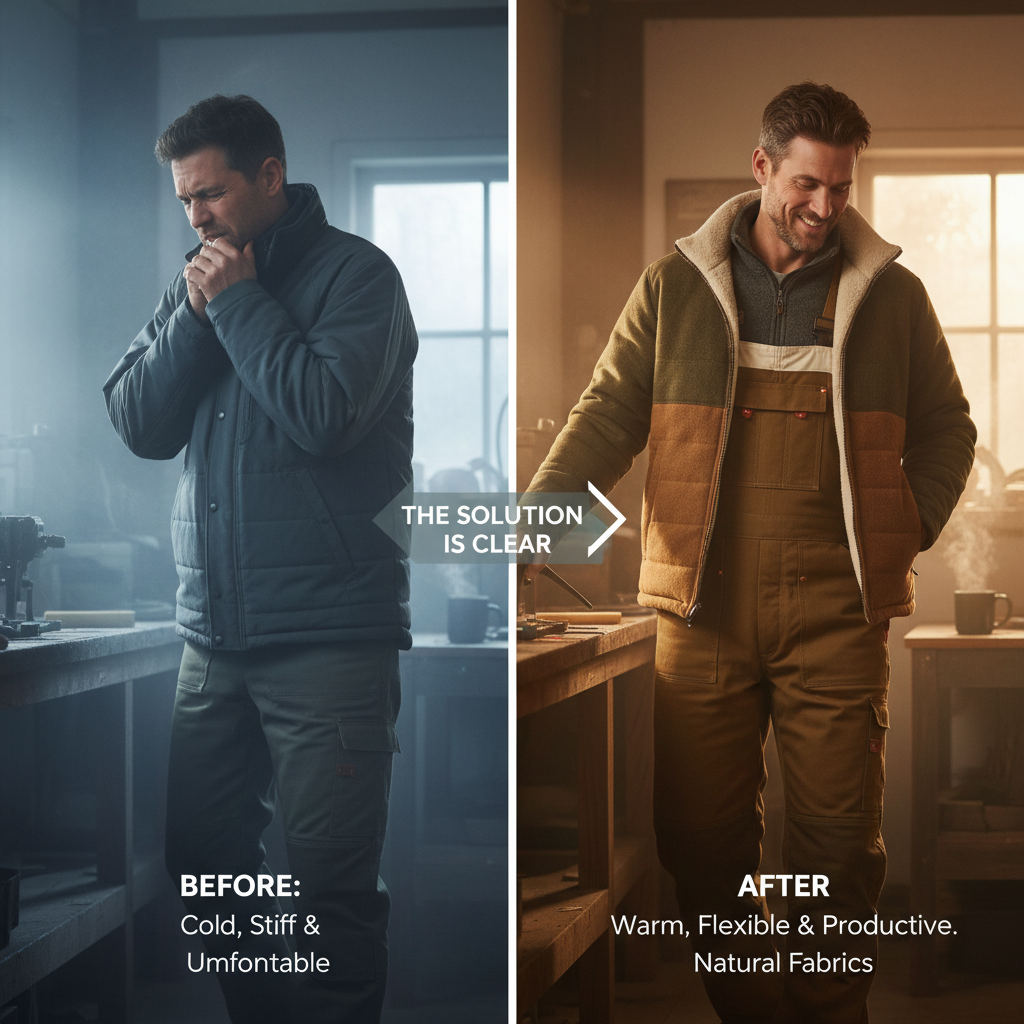
Let me tell you, if you’ve been on construction sites, offshore platforms, or even logistics yards, waterproof outerwear isn’t just a nice-to-have; it’s a safety feature. You don’t want to be soaked through, chilled to the bone, or slowed down by soaked gear. That’s why these rain suits are engineered beyond just "water-resistant" plastic sheets.
Industry trends have moved towards breathable but waterproof laminates. You’ll see fabrics like polyurethane or PVC layers bonded to polyester or nylon bases to strike the right balance between durability and comfort. Frankly, it feels like wearing a second skin that blocks the rain but lets sweat escape—critical when you're active.
| Feature | Specification |
|---|---|
| Fabric Material | 80-100% PVC or PU-coated polyester |
| Waterproof Rating | ≥ 10,000 mm water column |
| Seam Sealing | Heat-taped or welded seams |
| Breathability | 5,000–10,000 g/m²/24h |
| Additional Features | Adjustable cuffs, reflective strips, zip-in hoods |
| Weight | 600-900 g per piece |
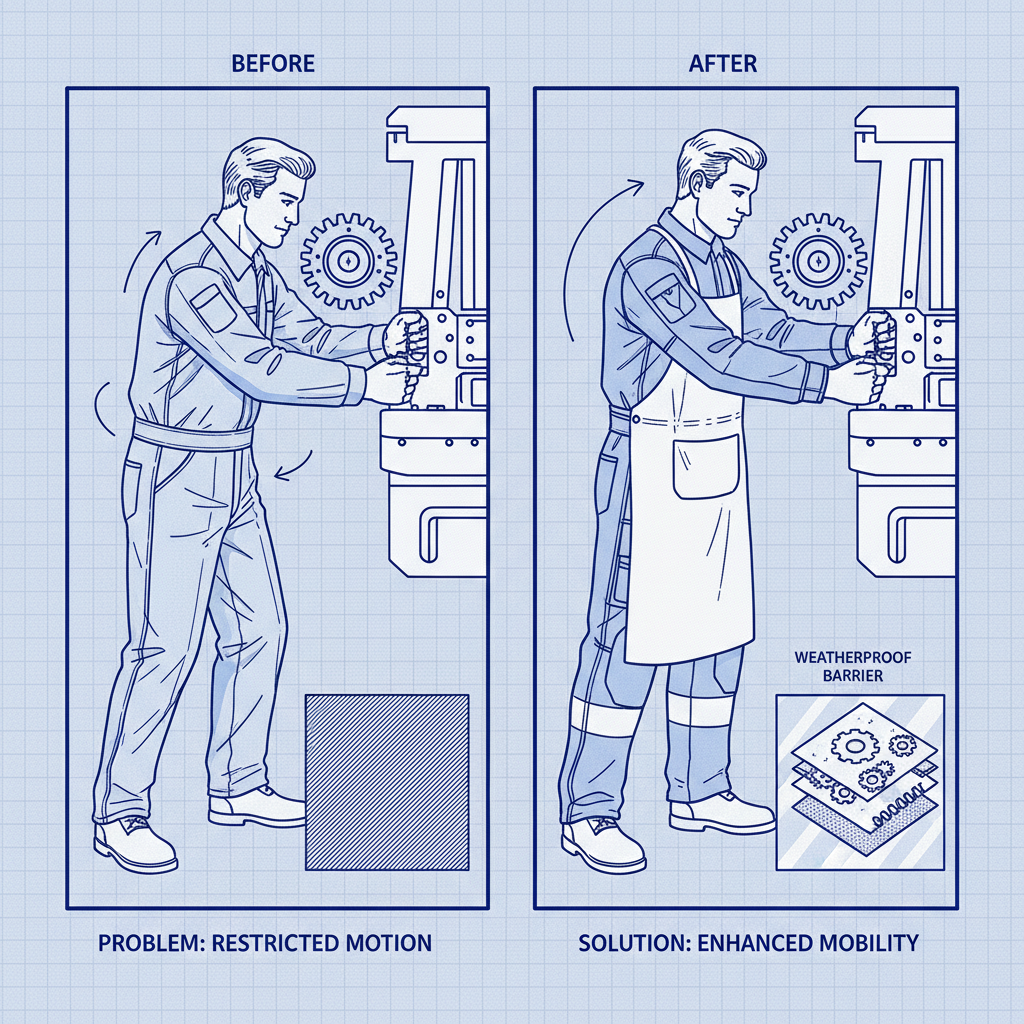
When it comes to actual use, the best rainwear I've tested tends to have reinforced areas—think shoulders and knees—because those spots take a beating when carrying tools or climbing ladders. Also, I noticed that some suits include inner linings for warmth, which helps during long, cold shifts. Oddly enough, not all waterproof gear is insulated. So, specifying what’s needed makes a difference.
Testing protocols generally include simulating heavy rain and wind in labs, followed by real-world trials on sites. One time, a colleague wore a rain jacket/pants set recommended by a reputable vendor during a week-long offshore job. At the end, the gear was still dry inside, even after working in a storm—he swore by it since it saved his shift from misery.
| Vendor | Material Quality | Waterproof Rating | Customization Options | Price Level |
|---|---|---|---|---|
| Softshell Clothing | High-grade PU coated polyester | ≥ 12,000 mm | Logo printing, sizes, colors | Moderate |
| RainTech Industries | Medium quality PVC | ≥ 10,000 mm | Limited, mostly standard sizes | Budget-friendly |
| ProGear Apparel | Premium PU with breathable membrane | ≥ 15,000 mm | Extensive customization, including insulation | High-end |
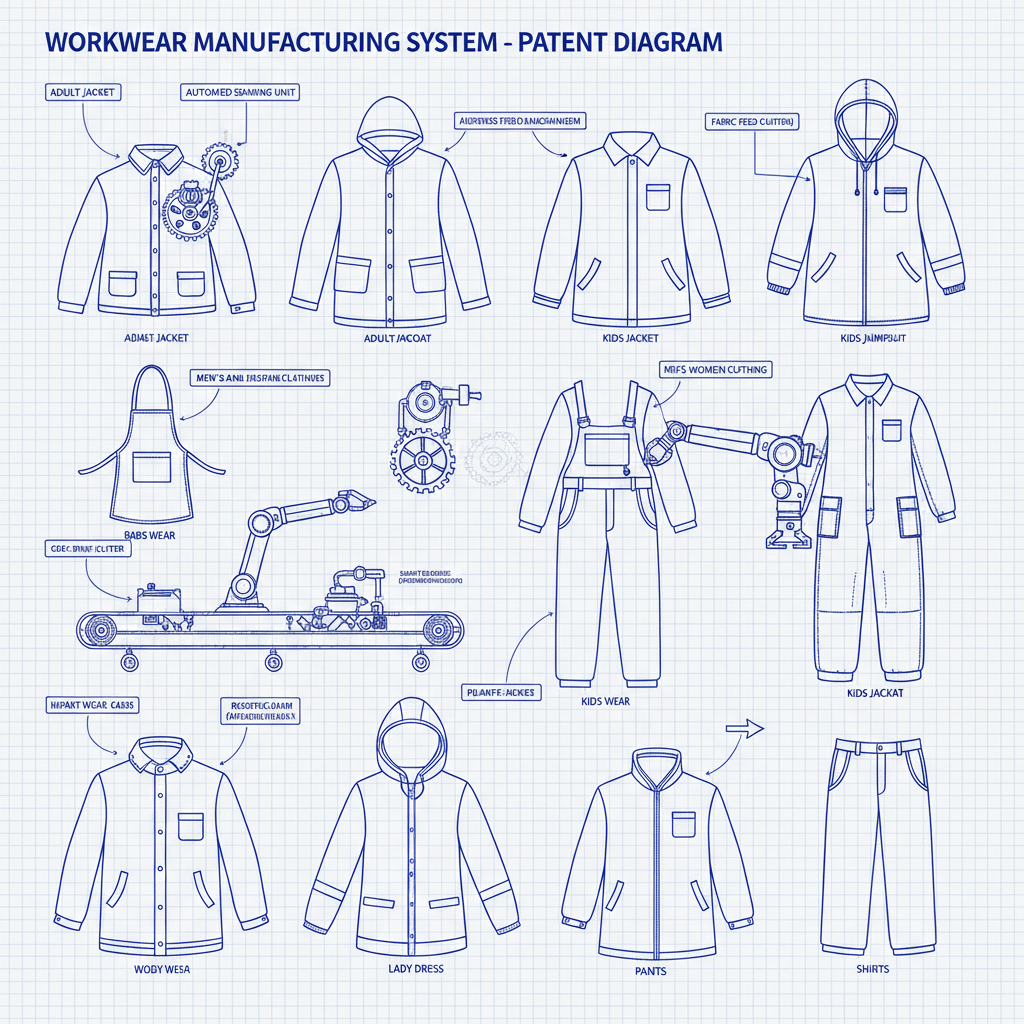
Customization can be a surprisingly important factor, too. For industrial teams, having company logos or reflective strips tailored exactly to your safety standards makes a difference in visibility and identity. Actually, many engineers I know insist on “just one more reflective stripe” to stand out in low-light conditions—never hurts on a dreary workday.
If there's one thing I’d advise, it’s to consider how the rainwear fits into your overall PPE ensemble. Compatibility with boots, gloves, and helmets may seem obvious but is less so in the field. I remember one project where incompatible jacket cuffs led to water leaking into gloves—annoying and preventable.
To wrap it up, picking the right raincoat jacket and pants is about more than just price or appearance. It’s about real-world function—durability, waterproofness, breathability, and yes, the little extras that make day-to-day life easier. If you want to explore options with a good balance of features, I can’t recommend checking out raincoat jacket and pants from trusted suppliers.
Stay dry, stay productive—that’s the real takeaway.
References:
- Industrial Protective Clothing Standards, OSHA Guidelines, 2023.
- “Textile Technology for Workwear,” Journal of Industrial Fabric, 2022.
- Field Tests of Waterproof Workwear, SafetyPro Reports, 2021.