Kids wear dresses are a cornerstone of the global apparel industry, representing not just fashion but also cultural expression, economic activity, and evolving societal needs. From simple everyday wear to elaborate special occasion outfits, the demand for quality and stylish kids wear dresses remains consistently high across the world. Understanding the nuances of this market – from design trends and material sourcing to ethical production and consumer preferences – is crucial for businesses and individuals alike seeking to participate in or simply appreciate the world of children's fashion. The increasing focus on sustainable and ethically sourced kids wear dresses highlights a global shift towards responsible consumption.
The kids wear dresses market is a significant contributor to global textile and apparel trade, impacting economies in both manufacturing and retail sectors. According to data from UN Comtrade, the value of imported and exported children's clothing reached billions of dollars annually, demonstrating its pervasive influence. The rise of e-commerce has further amplified accessibility, connecting manufacturers directly to consumers across borders. However, this growth also presents challenges, including concerns about fair labor practices, environmental impact, and the need for increased transparency throughout the supply chain.
Addressing these challenges requires a comprehensive understanding of the entire lifecycle of kids wear dresses, from raw material acquisition to end-of-life disposal. Innovations in fabric technology, sustainable manufacturing processes, and circular economy models are all vital to creating a more responsible and resilient kids wear dresses industry. Furthermore, consumer awareness and demand for ethical and eco-friendly options are playing an increasingly important role in shaping industry standards.
The Global Significance of Kids Wear Dresses
The global kids wear dresses market is a multi-billion dollar industry, driven by population growth, increasing disposable incomes, and evolving fashion trends. Demand is particularly strong in emerging economies like China, India, and Brazil, where a growing middle class is prioritizing quality apparel for their children. This demand influences everything from design aesthetics to material sourcing, pushing for more innovative and sustainable practices.
Beyond economic impact, kids wear dresses play a crucial role in cultural expression and social development. Different cultures have unique traditions and preferences when it comes to children's clothing, and dresses often represent significant symbolic meaning. This diversity necessitates a nuanced understanding of global markets and consumer needs.
Defining Kids Wear Dresses
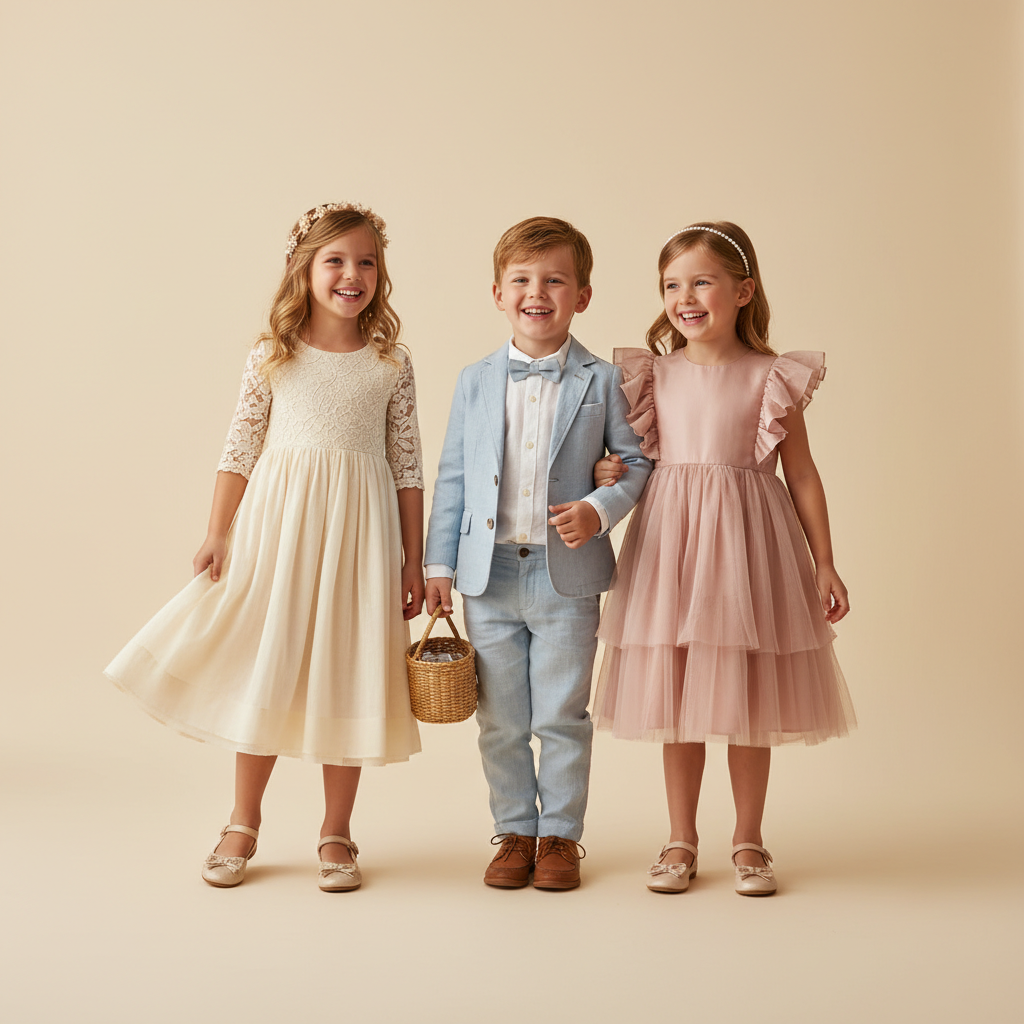
Kids wear dresses encompass a wide range of garments designed specifically for children, typically ranging in age from infants to pre-teens. These dresses vary significantly in style, fabric, and construction, depending on factors such as age, gender, occasion, and regional preferences. They can be casual everyday wear, formal occasion dresses, or specialized garments for particular activities.
In the context of modern industry, kids wear dresses represent a complex supply chain involving designers, manufacturers, retailers, and consumers. The production process often spans multiple countries, requiring careful coordination and adherence to ethical and quality standards. A key component is adapting to the fast-changing fashion landscape and children’s ever-changing needs and preferences.
The connection to humanitarian needs arises in situations requiring clothing donations for children affected by natural disasters or poverty. Durable and appropriately sized kids wear dresses are essential items in these relief efforts, providing comfort and dignity to vulnerable populations.
Key Factors Influencing Kids Wear Dresses Design
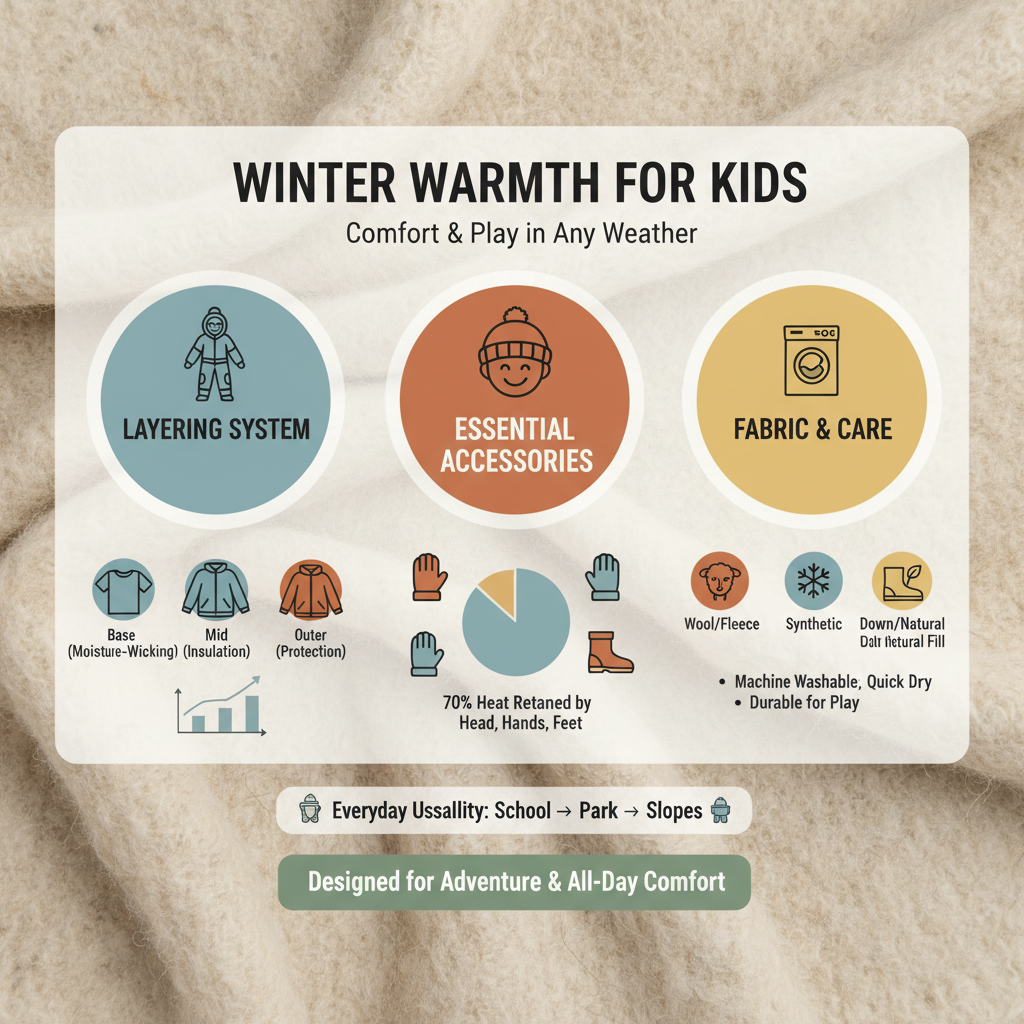
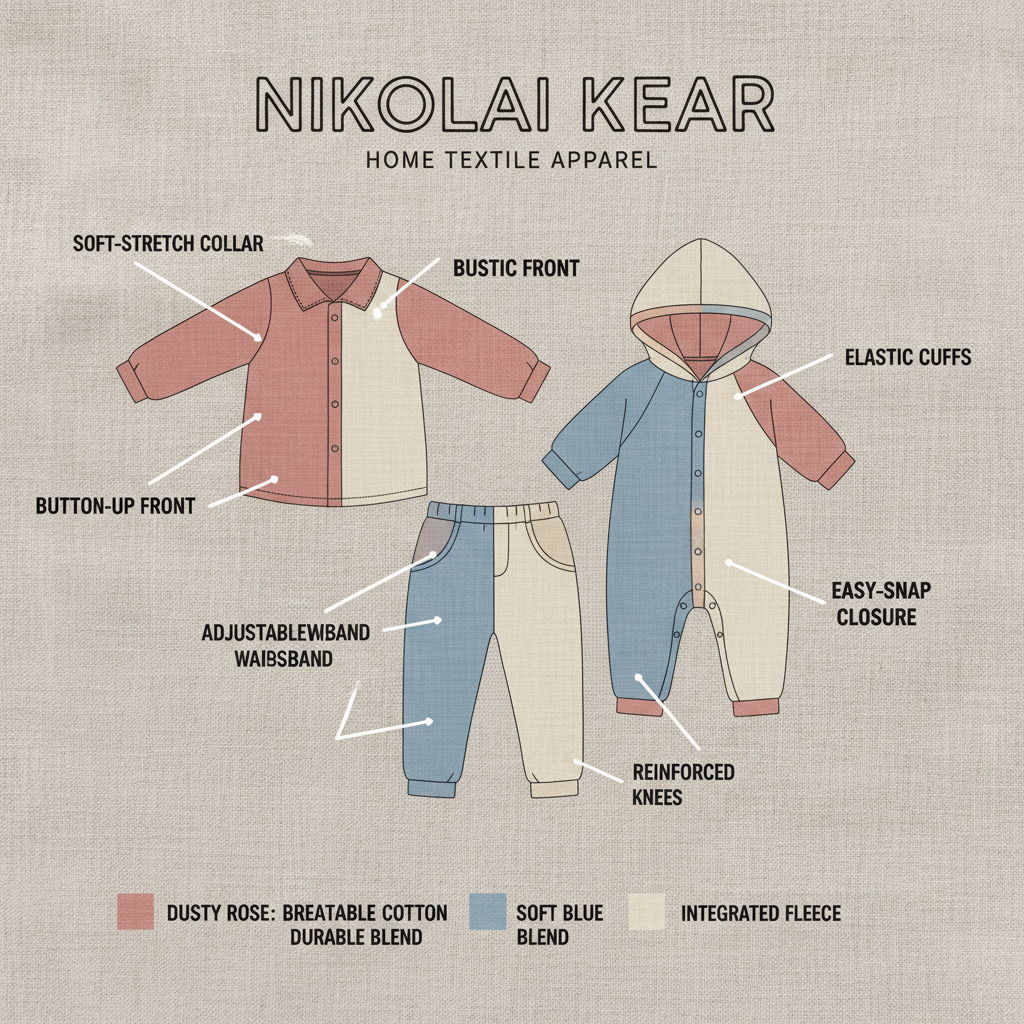
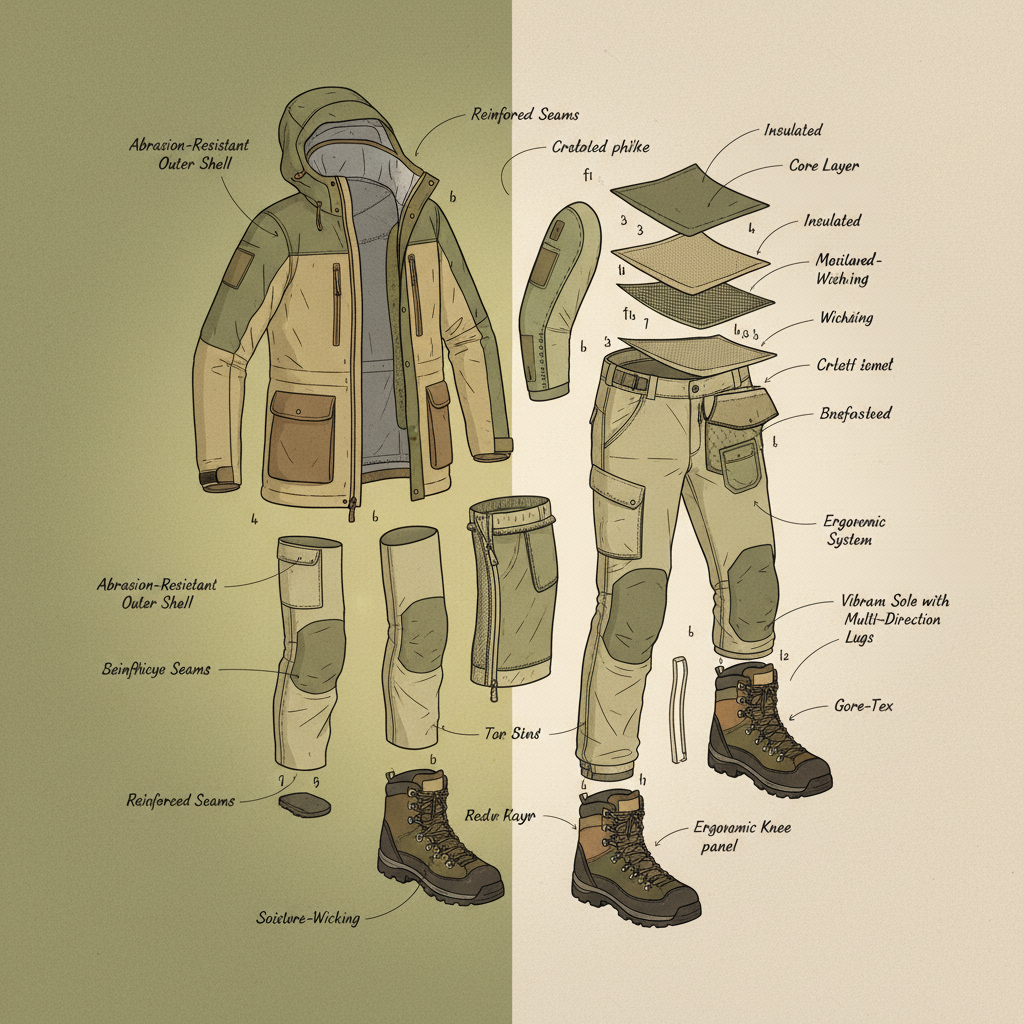
Several core factors drive the design and production of kids wear dresses. Durability is paramount; children are active and clothes need to withstand frequent wear and washing. Selecting robust fabrics and employing reinforced seams are crucial for longevity.
Comfort is equally important. Soft, breathable fabrics and non-restrictive designs ensure children can move freely and comfortably. Avoiding harsh embellishments or irritating materials is essential for sensitive skin.
Safety is a non-negotiable aspect. Designs must adhere to strict safety standards, minimizing risks such as choking hazards from small parts or flammability issues. Flame-retardant treatments and secure closures are vital features.
Aesthetics plays a significant role, with current fashion trends and children’s preferences heavily influencing style choices. Bright colors, playful patterns, and character-themed designs are popular options.
Cost-Effectiveness is critical for both manufacturers and consumers. Balancing quality, durability, and style within a reasonable price range is a key challenge.
Sustainability is an increasingly important factor, with consumers demanding eco-friendly materials and ethical production practices. Organic cotton, recycled fabrics, and responsible dyeing processes are gaining traction.
Applications of Kids Wear Dresses Across Regions
The application of kids wear dresses varies significantly across different regions, influenced by cultural norms, climate, and economic factors. In North America and Europe, there's a strong focus on fashion-forward designs and high-quality materials, with a growing demand for sustainable and ethically sourced options.
In Asia, particularly in countries like China and India, the market is characterized by a blend of traditional styles and modern trends. Demand for affordable and durable kids wear dresses is high, and local manufacturers play a dominant role. In some regions, dresses are integral to cultural celebrations and religious ceremonies.
In Africa, accessibility and affordability are key considerations. Donated or locally produced kids wear dresses often serve as essential clothing items, particularly in areas facing economic hardship. Organizations like UNICEF and various NGOs frequently distribute kids wear dresses as part of their humanitarian efforts.
Regional Demand for Different Kids Wear Dresses Styles
Advantages and Long-Term Value of Quality Kids Wear Dresses
Investing in high-quality kids wear dresses offers numerous tangible and intangible benefits. Cost-effectiveness is a key advantage; while the initial investment may be higher, durable garments withstand repeated wear and washing, reducing the need for frequent replacements. This translates to long-term savings for parents.
Sustainability is another significant benefit. Choosing eco-friendly materials and ethical production practices minimizes environmental impact and supports responsible manufacturing. This aligns with growing consumer demand for sustainable products and promotes a more circular economy.
Future Trends in Kids Wear Dresses
Several key trends are shaping the future of kids wear dresses. Digital printing technologies are enabling greater customization and on-demand production, reducing waste and catering to individual preferences.
The integration of smart fabrics and wearable technology is also gaining traction, with potential applications such as monitoring children's vital signs or providing enhanced safety features. Increased focus on inclusivity and adaptive clothing for children with disabilities will likely drive innovation in design and functionality.
A growing emphasis on circularity, including clothing rental and resale programs, is challenging the traditional linear model of consumption and promoting a more sustainable approach to fashion.
Challenges and Sustainable Solutions in Kids Wear Dresses Production
The kids wear dresses industry faces several challenges, including the environmental impact of textile production, ethical concerns related to labor practices, and the need for greater transparency in the supply chain. Fast fashion trends contribute to excessive waste and resource depletion.
Sustainable solutions include adopting circular economy models, utilizing organic and recycled materials, implementing responsible dyeing processes, and ensuring fair labor standards throughout the supply chain. Investing in innovative technologies, such as waterless dyeing and 3D printing, can further reduce environmental impact.
Collaboration between brands, manufacturers, and consumers is crucial for driving systemic change and creating a more responsible and sustainable kids wear dresses industry. Consumer awareness and demand for ethical products play a vital role in influencing industry practices.
Summary of Sustainable Solutions for Kids Wear Dresses
| Solution Category |
Implementation Strategy |
Environmental Impact |
Economic Feasibility |
| Material Sourcing |
Prioritize organic cotton, recycled polyester, and innovative plant-based fabrics. |
Reduced pesticide use, lower carbon footprint, minimized waste. |
Moderate – cost of organic materials can be higher initially. |
| Dyeing Processes |
Implement waterless dyeing technologies and utilize natural dyes. |
Significant reduction in water consumption and pollution. |
High – requires investment in new technology. |
| Production Methods |
Employ lean manufacturing principles and minimize waste generation. |
Reduced material waste, lower energy consumption, improved efficiency. |
Low – primarily requires process optimization. |
| Supply Chain Transparency |
Trace materials back to their source and ensure fair labor practices. |
Promotes ethical sourcing and responsible production. |
Moderate – requires increased auditing and monitoring. |
| Circular Economy Models |
Implement clothing rental, resale, and recycling programs. |
Reduces textile waste and promotes resource conservation. |
Moderate – requires infrastructure and logistical support. |
| Design for Durability |
Design kids wear dresses with reinforced seams, durable fabrics and timeless styles. |
Extends the lifespan of garments, reducing the need for frequent replacements. |
Low – integrated into the design process. |
FAQS
When choosing fabrics for kids wear dresses, look for options like organic cotton, which is grown without harmful pesticides. Recycled polyester, made from plastic bottles, reduces waste. Innovative materials like Tencel (made from wood pulp) and hemp are also excellent sustainable choices. These fabrics minimize environmental impact while offering comfort and durability for children’s clothing. Considering the entire lifecycle of the fabric – from production to disposal – is key to making informed decisions.
Ensuring ethical production involves researching brands and looking for certifications like Fair Trade or GOTS (Global Organic Textile Standard). These certifications verify that workers are treated fairly and that environmental standards are met. Transparency is key – brands that openly share information about their supply chain are generally more trustworthy. Supporting companies committed to safe working conditions and fair wages is vital for promoting ethical practices in the kids wear dresses industry.
Proper care can significantly extend the lifespan of kids wear dresses. Always check the care label for specific instructions, but generally, washing clothes inside out in cold water and air-drying them is best. Avoid harsh detergents and excessive ironing. Repairing small damages, like loose buttons or minor tears, promptly will prevent them from worsening. Storing clothes properly during off-season can also help preserve their quality.
Yes, it's important to ensure kids wear dresses meet safety standards, especially for younger children. Look for clothing that is flame-retardant and free of small parts that could be choking hazards. Avoid dresses with drawstrings or cords that could pose a strangulation risk. Reputable brands typically adhere to strict safety regulations set by organizations like the Consumer Product Safety Commission (CPSC).
Instead of throwing away old kids wear dresses, consider donating them to charities, consignment shops, or clothing swaps. Textile recycling programs are also a great option, as they repurpose fabric into new materials. If the clothes are damaged beyond repair, you can explore upcycling projects to give them a new life. Reducing textile waste is crucial for minimizing environmental impact.
Emerging trends include the use of innovative plant-based fabrics, such as pineapple leaf fiber (Piñatex) and mushroom leather. Digital printing technologies are reducing water consumption and waste in the dyeing process. Clothing rental services for kids are gaining popularity, offering a sustainable alternative to buying new clothes. Brands are also focusing on creating durable, timeless designs that can be worn for multiple seasons.
Conclusion
In conclusion, kids wear dresses represent a complex and dynamic sector with significant global implications. From economic contributions and cultural expression to environmental responsibility and ethical considerations, understanding the multifaceted nature of this industry is paramount. Prioritizing quality, durability, sustainability, and ethical production practices is not just a trend but a necessity for a responsible future. Investing in well-made, ethically sourced kids wear dresses benefits not only children but also the planet and the communities involved in their production.
Looking ahead, continued innovation in materials, manufacturing processes, and business models is essential to address the challenges facing the kids wear dresses industry. Increased consumer awareness and demand for sustainable options will play a crucial role in driving positive change. We encourage you to explore further resources and support brands committed to responsible practices. Visit our website at softshell-clothing.com to discover our collection of ethically made, high-quality kids wear dresses.