Trench Rain Jacket: Essential Gear for Industrial Work in the Wet
If you’ve spent any amount of time outdoors on industrial sites, especially in regions where rain is more regular than the sun, you know the value of a trench rain jacket. It’s not just a basic raincoat — it’s the kind of jacket that becomes your trusted shield against maddening downpours, cold gusts, and unrelenting drizzle. I’ve seen my fair share of these around job sites, and oddly enough, the ones that hold up best tend to be simple yet rugged, not overloaded with gimmicks.
The trench-style rain jacket has a long history rooted in military and industrial use — and frankly, that heritage matters. These jackets are designed with durability and protection as the main goals, which is exactly what you need when you’re trudging through muddy trenches or standing still for hours monitoring heavy machinery under gray skies. Modern materials have come a long way since the old days of rubberized cotton, too.
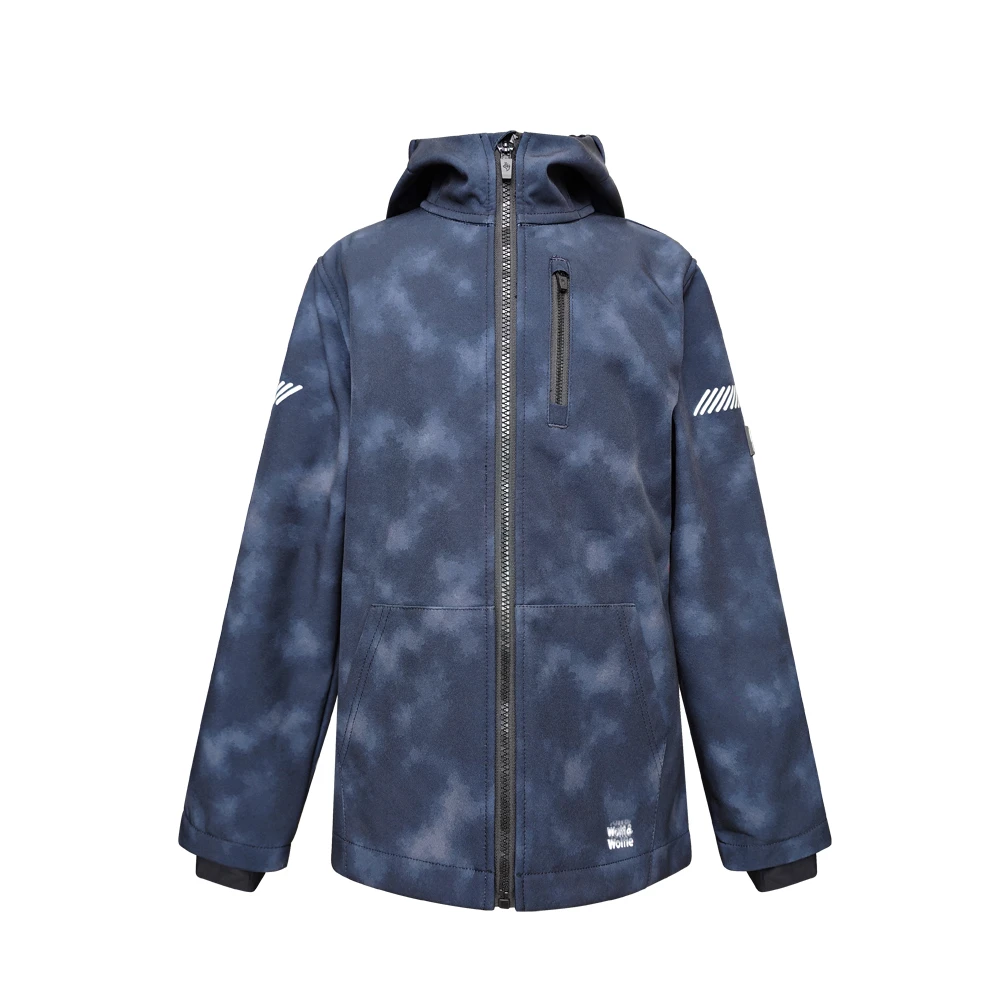
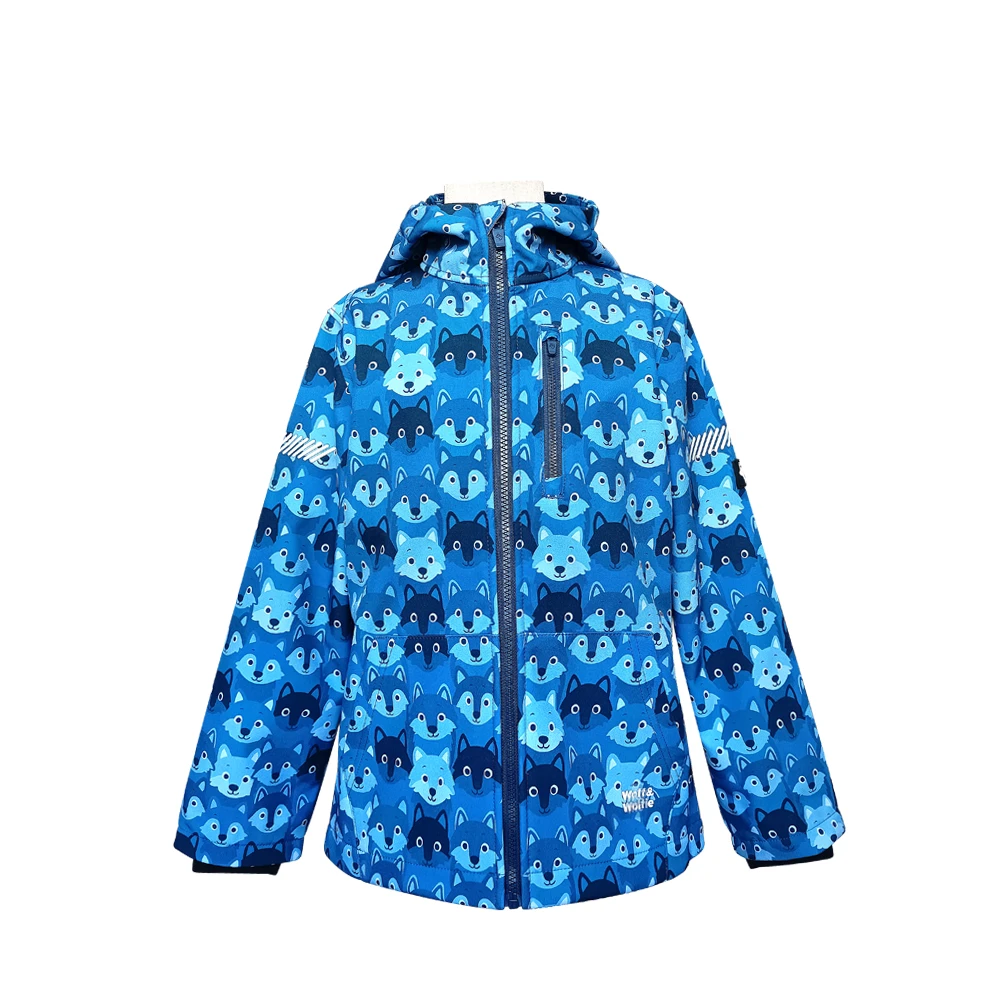
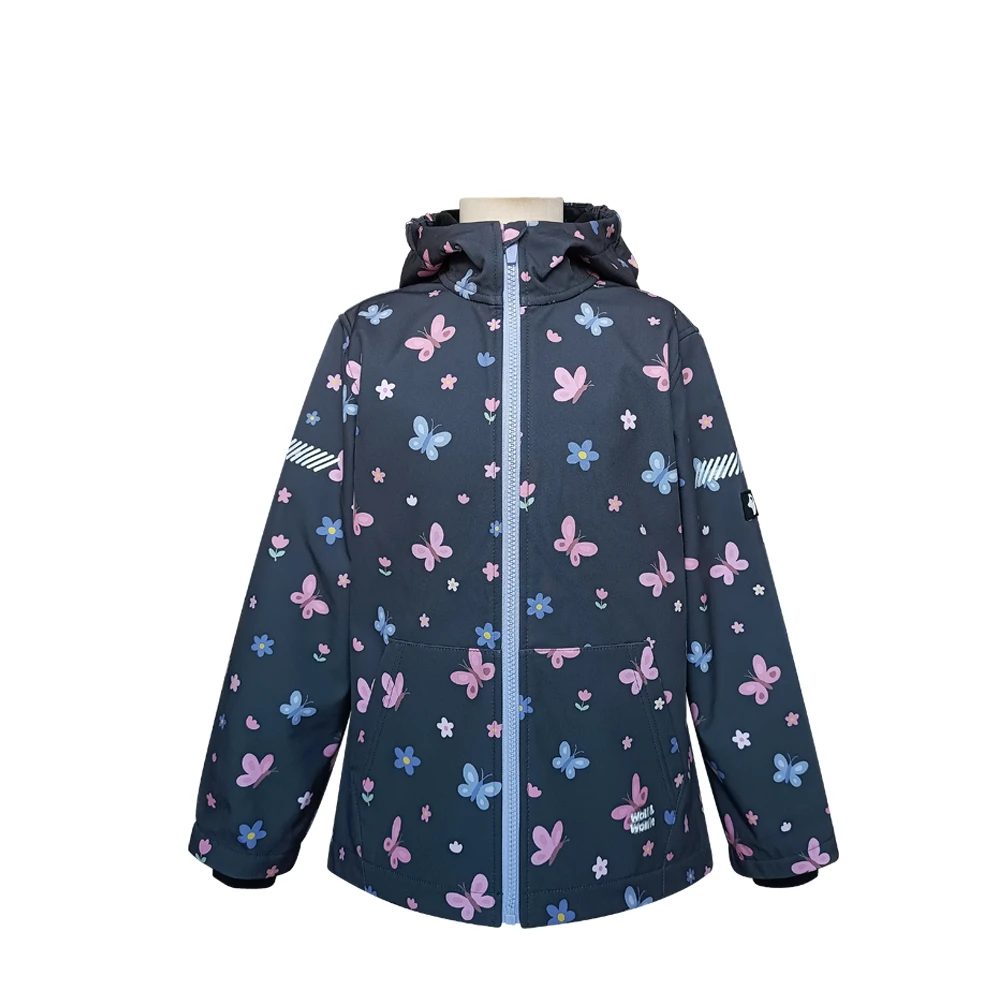
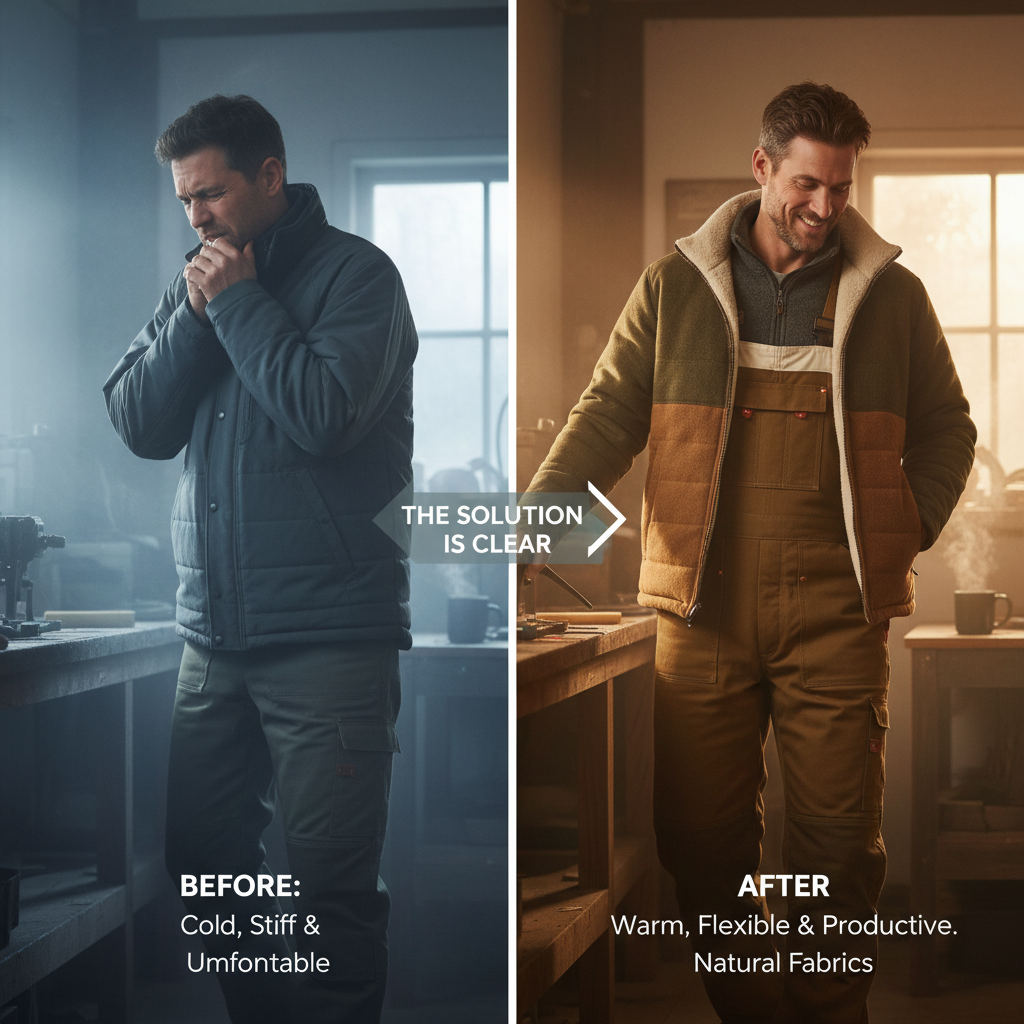
In recent years, softshell fabrics have gained traction for trench rain jackets, offering an excellent blend of waterproofing, breathability, and flexibility. Unlike stiff, noisy PVC coats of the past, these jackets feel lighter and move more naturally with you — something I only realized after trying a few different types on long shifts. It makes a difference when you don’t want to feel like you’re wearing a rain tent.
Here’s a quick look at typical industry-standard specs for trench rain jackets that I’ve found reliable over decades:
| Feature | Specification |
|---|---|
| Material | Softshell fabric with waterproof membrane (10,000mm WP / 10,000g breathability) |
| Seams | Fully taped for maximum waterproofing |
| Closure | Heavy-duty zipper with storm flap and adjustable cuffs |
| Length | Mid-thigh or longer for extra coverage |
| Pockets | Multiple waterproof zippers, internal and external |
| Hood | Adjustable, detachable with visor |
One thing many engineers and site managers appreciate is customization—oddly satisfying to know you can tailor your trench rain jacket to exactly what field conditions demand. Reflective trims, reinforced elbows, even branded patches. Some companies even provide arc flash-rated versions for those working near electrical equipment, which is a neat feature if you’ve got that kind of risk in your daily grind.
| Brand | Material | Waterproof Rating | Breathability | Notable Feature |
|---|---|---|---|---|
| SoftShell Clothing | 3-layer TPU laminated softshell | 10,000mm | 10,000g/m²/24h | Custom branding & arc flash option |
| RainGuard Pro | Polyurethane coated polyester | 5,000mm | 3,000g/m²/24h | High visibility trims |
| WorkShell X | Hybrid softshell with nylon face | 12,000mm | 8,000g/m²/24h | Reinforced elbows |
From my perspective, the real mark of a top-tier trench rain jacket is how well it performs during long hours in wet, sometimes windy conditions. I recall one particularly damp project last spring where my trench rain jacket kept me dry and surprisingly warm while monitoring heavy equipment all day. The breathability meant I didn’t get that clammy, sweaty feeling you'd expect. I remember thinking, “This is exactly what a rain jacket should be.”
Sometimes simple anecdotes from the field exemplify what specs and marketing can't: a jacket that withstands the kind of wear and tear most workers throw at it, without needing constant replacement. It's one less thing to worry about when the weather doesn't cooperate.
If you’re considering trench rain jackets for your team or yourself, I’d say focus on trusted materials and reputable vendors, and don’t be shy about testing prototypes on-site. Frankly, environments vary so much that real-world tests are invaluable — and brands like SoftShell Clothing make it relatively straightforward to get what you need without fuss.
In real terms, investing in a quality trench rain jacket isn't just a box-ticking exercise. It's about having the peace of mind to carry out your work safely and comfortably, no matter the weather. And in that way, these jackets are unsung heroes of the industrial wardrobe.
So next time you see a trench rain jacket hanging in a locker or tossed over a chair on a rainy day, take a moment to appreciate the mix of history, tech, and practical design all stitched into that piece of gear. Because it’s almost always doing far more work than you realize.
Stay dry out there.
References:
- Industrial Protective Clothing Standards, OSHA.gov
- Softshell Textile Technology Reviews, Textile World Magazine
- Field Reports – Construction Rain Gear Survey 2023