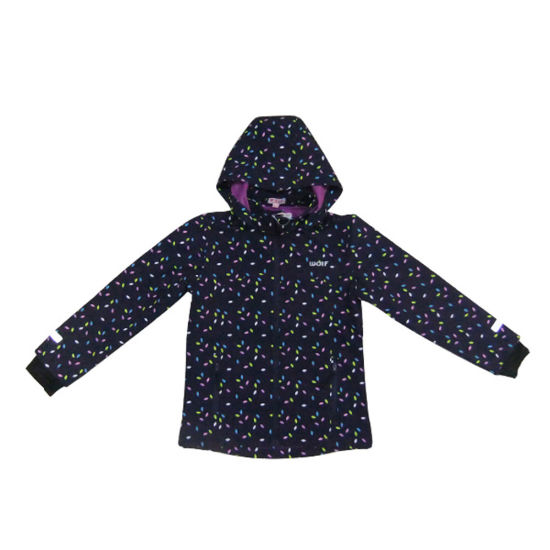
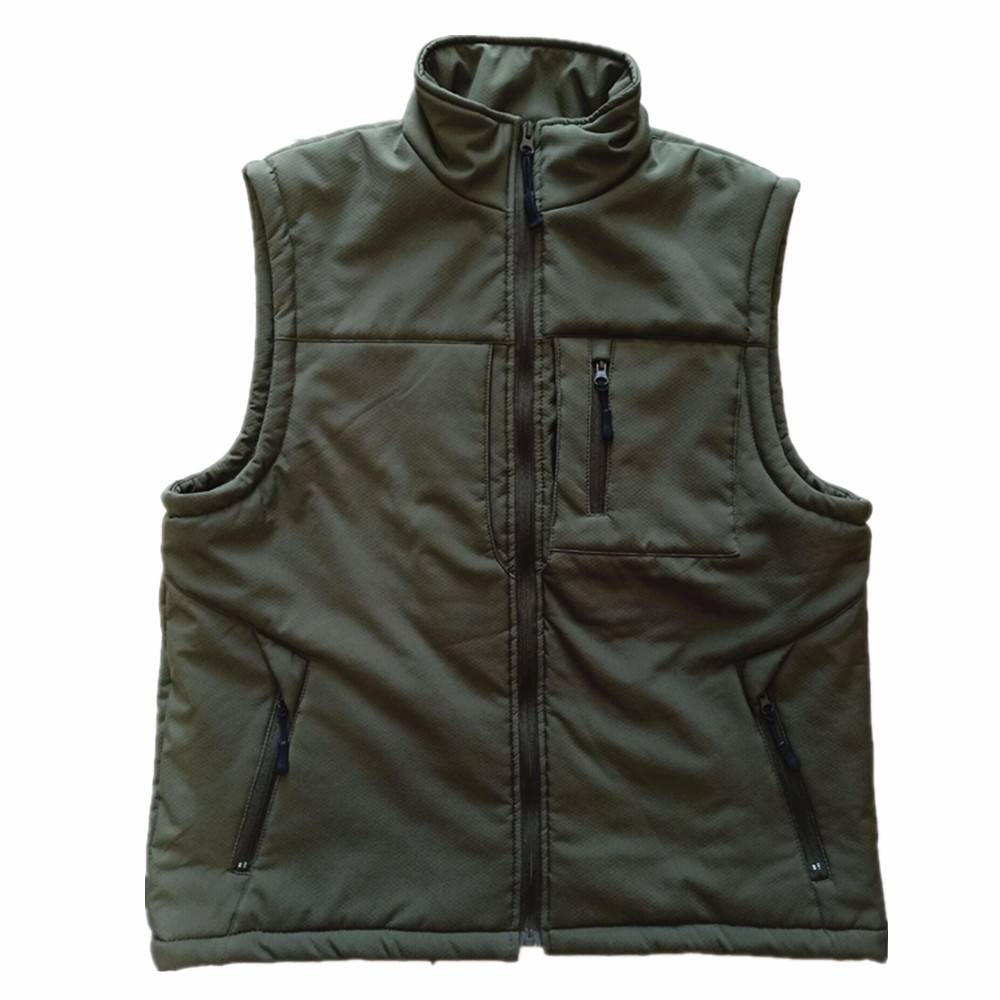
Advanced Manufacturing Solutions for kids apparel in Cambodia

Empowering the Cambodian garment sector with high-performance textile engineering and sustainable production for the next generation.

Advanced Manufacturing Solutions for kids apparel in Cambodia

Integrating precision sewing and eco-friendly materials to lead the Cambodian textile industry in producing high-quality children's clothing.

The Landscape of children clothes Manufacturing in Cambodia

Analyzing the intersection of tropical climate demands and industrial growth in Southeast Asia.

Cambodia has emerged as a global hub for garment manufacturing, with a specific surge in the production of children clothes. The industry leverages the country's strategic position in Asia and competitive labor costs, yet it faces the challenge of shifting from low-value basic items to high-complexity technical garments.

The local environment, characterized by high humidity and tropical heat, necessitates specialized fabrics. Manufacturers are increasingly adopting breathable, moisture-wicking textiles to ensure that children's garments remain comfortable under the intense Cambodian sun, blending local labor expertise with imported technical fabrics.

Currently, the sector is transitioning toward "Green Manufacturing." As international brands demand higher ESG standards, Cambodian factories are upgrading their waste-water treatment and energy efficiency to maintain their status as preferred suppliers for global kids wear brands.
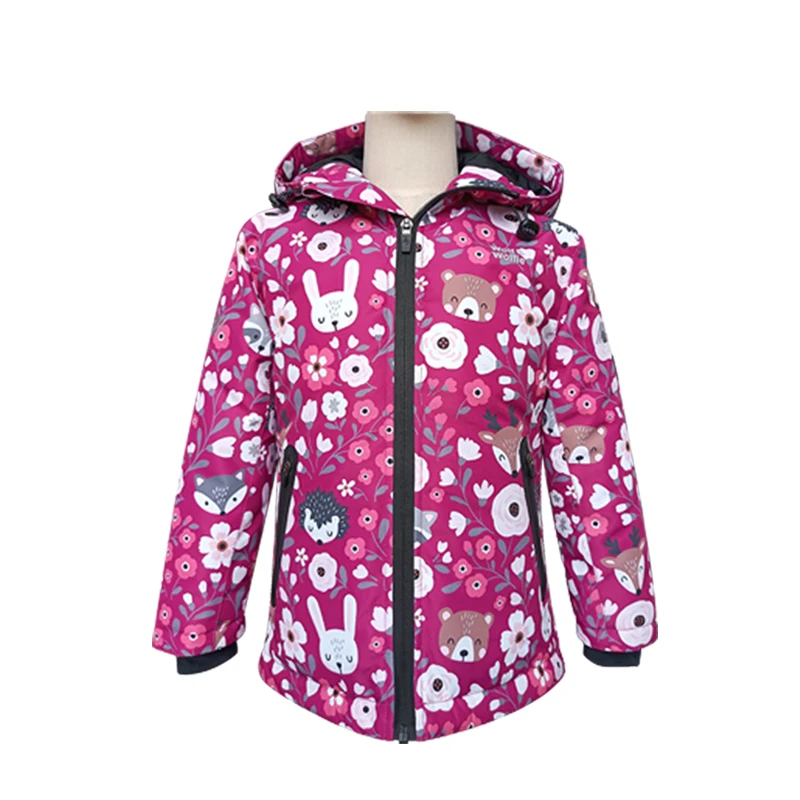
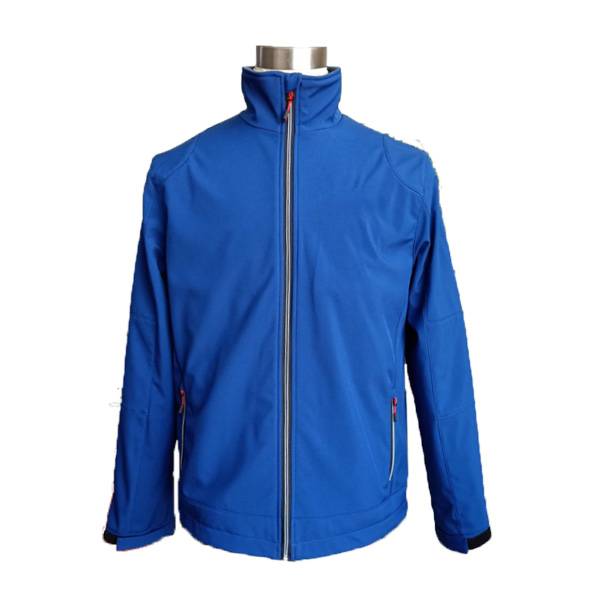
Evolution and Trajectory of the Apparel Sector

From manual assembly lines to automated precision engineering.

Market Development History

Between 2000 and 2010, the industry focused on basic Cut-Make-Trim (CMT) operations, primarily producing simple t-shirts and basic kids wear. Production was characterized by high volume and low margin, relying heavily on manual sewing techniques.

From 2011 to 2020, a technical shift occurred with the introduction of computerized sewing machines and CAD pattern making. This allowed factories to handle complex silhouettes, such as the structured requirements of a kid suit, improving precision and reducing material waste.

Since 2021, the focus has shifted toward functional textiles. The integration of waterproof membranes and reinforced stitching has enabled the local production of specialized gear, including durable camping clothing for children, catering to the growing global outdoor trend.

Future Development Trends

Smart Fabric Integration

Integrating sensors into children's clothing for health monitoring and temperature regulation, driven by rising AI adoption in textile design.

Circular Economy Adoption

A move toward 100% biodegradable fibers and closed-loop recycling systems to eliminate fabric scrap in Cambodian factories.

Hyper-Localization of Supply

Developing local yarn production to reduce reliance on imported raw materials, shortening the lead time for regional orders.

Industry Trends and Future Outlook

Strategizing for the next era of garment technology in Asia.

Automated Precision Cutting
Implementing laser-cutting technology to ensure zero-error margins for intricate children's patterns.
Eco-Textile Certification
Shifting to GOTS and OEKO-TEX certified fabrics to meet stringent European safety standards.
Functional Gear Expansion
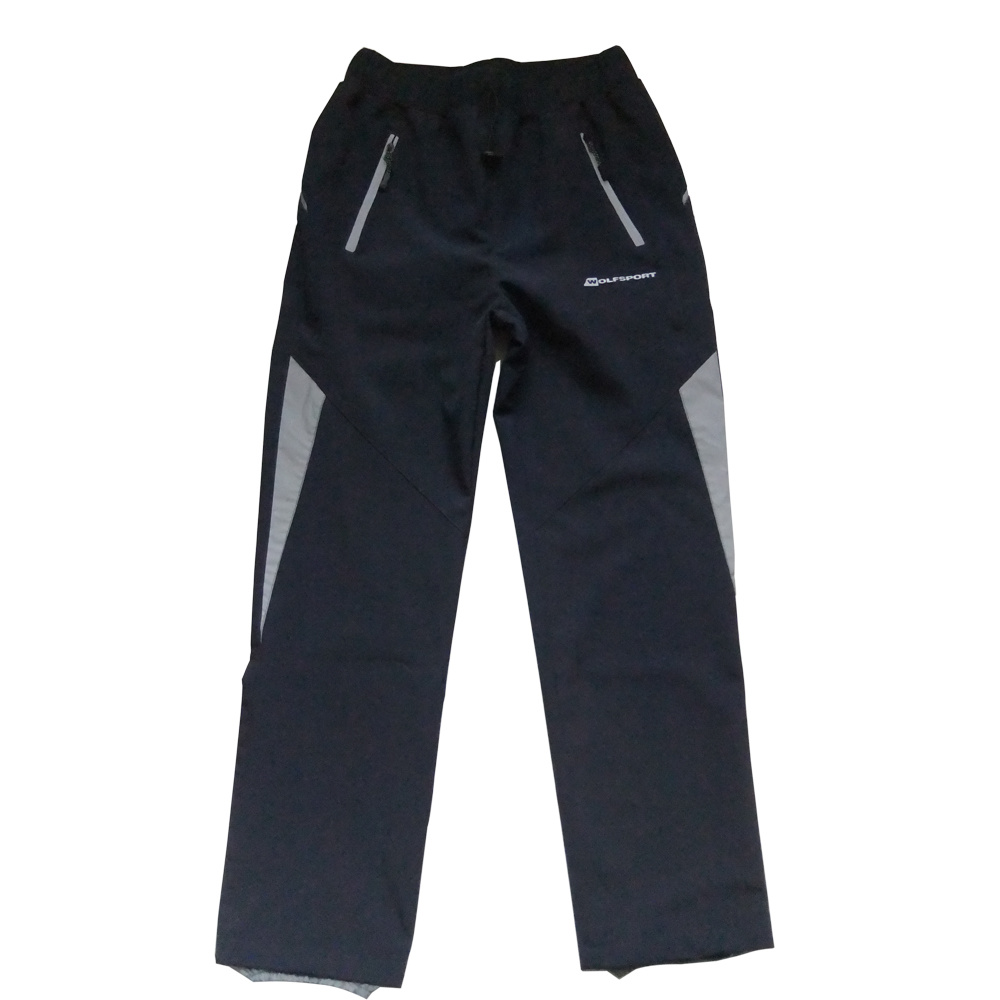
Scaling the production of high-tech shells and thermal layers for kids' outdoor activities.
Digital Supply Chain
Using blockchain for transparency in fabric sourcing from raw fiber to finished garment.

Industry Outlook

The future of Cambodia's textile industry lies in diversification. By moving beyond simple apparel into technical niches like protective children's gear, the region can insulate itself from price wars and focus on value-added engineering.

Google search trends indicate a significant rise in "sustainable kids clothing" and "outdoor children apparel." Manufacturers who pivot toward these high-growth areas will dominate the next five years of export growth.

Localized Application Scenarios in Cambodia

Applying technical textile solutions to real-world needs in the Southeast Asian market.

1. Tropical Climate Daily Wear

Developing ultra-lightweight, breathable fabrics for urban environments in Phnom Penh, focusing on sweat-wicking properties for active children.

2. Adventure-Ready Outdoor Sets

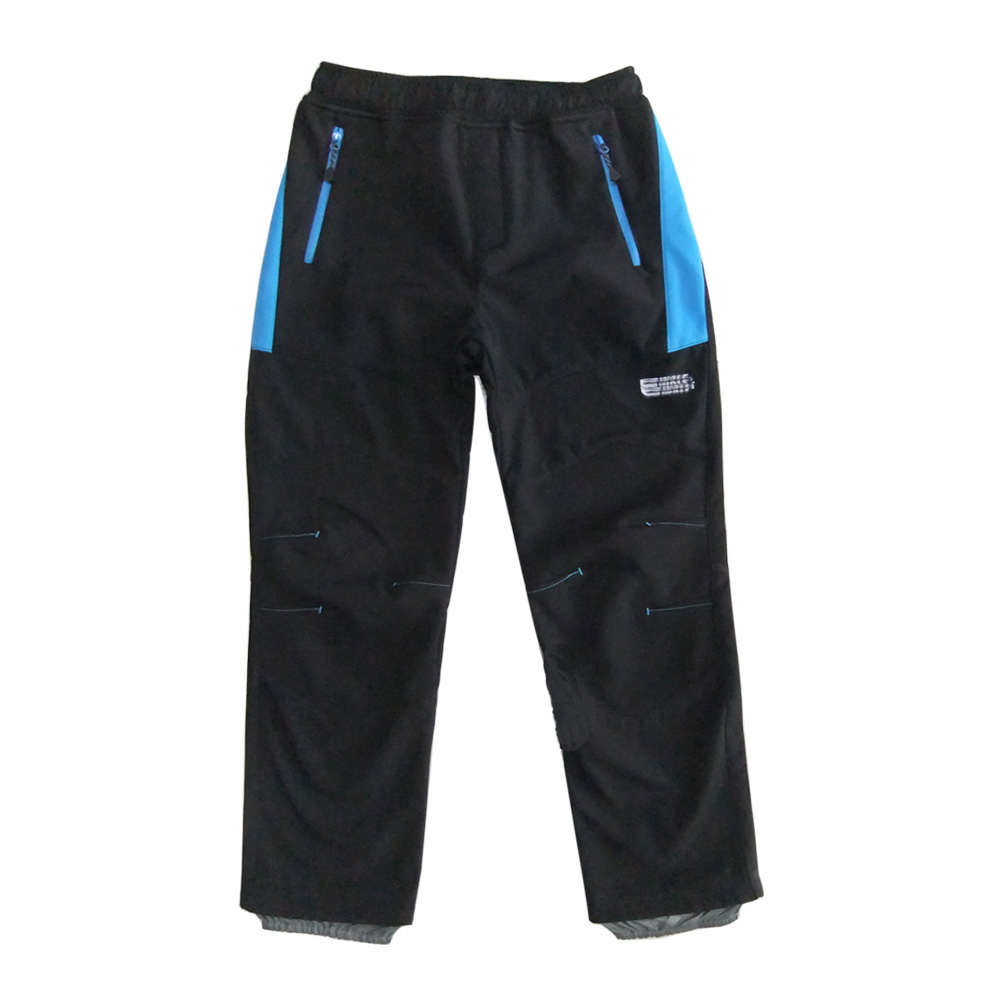
Producing specialized camping clothing designed for the Cardamom Mountains, featuring ripstop fabrics and UV protection.

3. Formal Occasion Attire

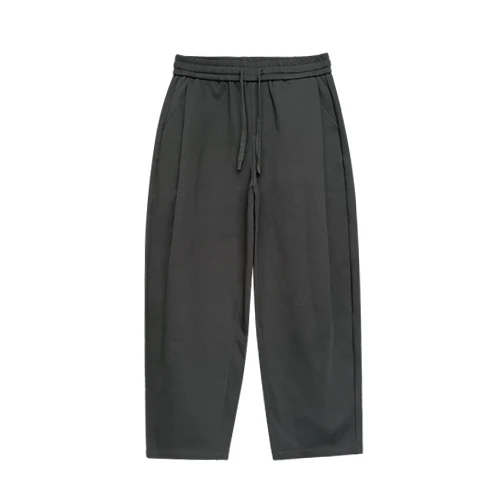
Manufacturing premium, lightweight kid suit options for wedding and festive seasons, balancing elegance with tropical comfort.

4. School Uniform Innovation

Integrating anti-microbial and stain-resistant finishes into school apparel to reduce maintenance for parents in humid regions.

5. Export-Grade Technical Shells

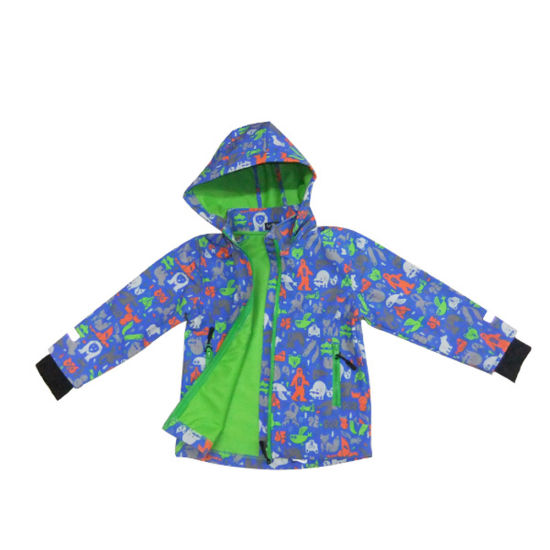
Creating high-performance waterproof jackets for international markets, utilizing Cambodia's scaled production capacity for global distribution.

Brand Story

Global Development Journey of Shijiazhuang Hengtaize Trade Co., Ltd.

Foundational Excellence

Started with a vision to bridge the gap between raw textile production and high-end garment design, focusing on quality control.

Technical Expansion

Invested in R&D for softshell and waterproof materials, solving the pain point of durability in children's outdoor wear.

Global Strategic Reach

Expanded operations into Southeast Asia, establishing strong manufacturing partnerships in Cambodia to optimize the supply chain.

Sustainable Innovation

Launched a series of eco-friendly product lines, reducing the carbon footprint of garment manufacturing across the Asia-Pacific.

Future Industry Leadership

Currently leading the transition toward AI-driven design and automated production to redefine garment manufacturing efficiency.

Comprehensive Product Portfolio for Cambodia

A full spectrum of manufacturing solutions from casual wear to technical outdoor gear.

Cambodian Garment Manufacturing FAQ

Expert answers to common technical and logistical queries in the region.

What are the best fabrics for children clothes in tropical climates?

We recommend organic cotton blends and moisture-wicking synthetics that offer high breathability and fast-drying properties to combat high humidity.

How do you ensure the durability of camping clothing for kids?

By using ripstop nylon and reinforced double-stitching at stress points, we ensure the gear withstands rough outdoor use while remaining lightweight.

Can Cambodian factories produce high-end kid suit designs?

Yes, through the integration of precision CAD patterns and skilled tailoring, we can produce structured formal wear that meets international luxury standards.

What quality standards apply to kids apparel exports?

All products undergo rigorous testing for azo dyes, lead content, and physical safety (button pull-tests) to comply with EU and US safety regulations.

What is the typical lead time for kids wear bulk orders in Cambodia?

Lead times generally vary from 60 to 90 days depending on fabric sourcing and design complexity, though we offer expedited options for repeat orders.

Do you offer sustainable packaging for children's clothing?

Yes, we provide biodegradable cornstarch bags and FSC-certified recycled cardboard packaging to align with global sustainability goals.

Partner With Our Textile Experts

Ready to elevate your production standards in Cambodia? Our engineering team is here to help you scale your garment business.

Contact Us Now

If you are interested in our products, you can choose to leave your information here, and we will be in touch with you shortly.