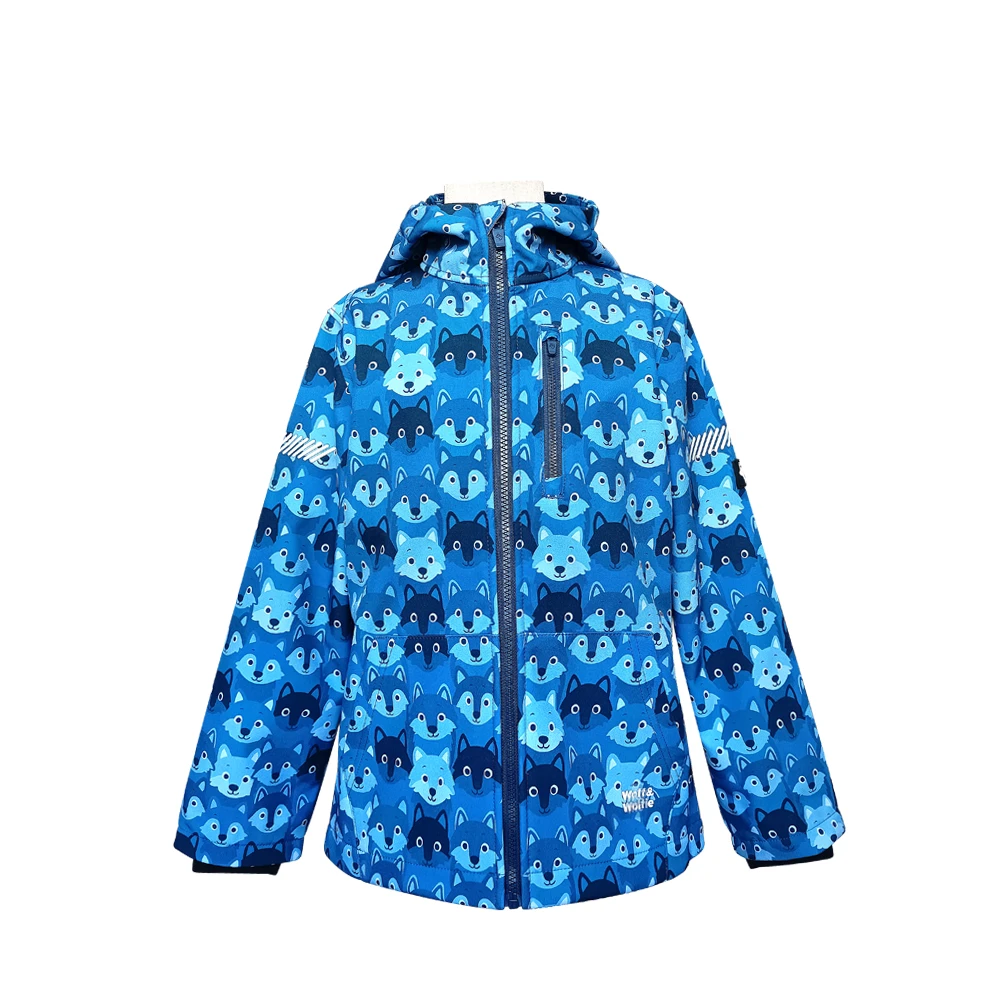
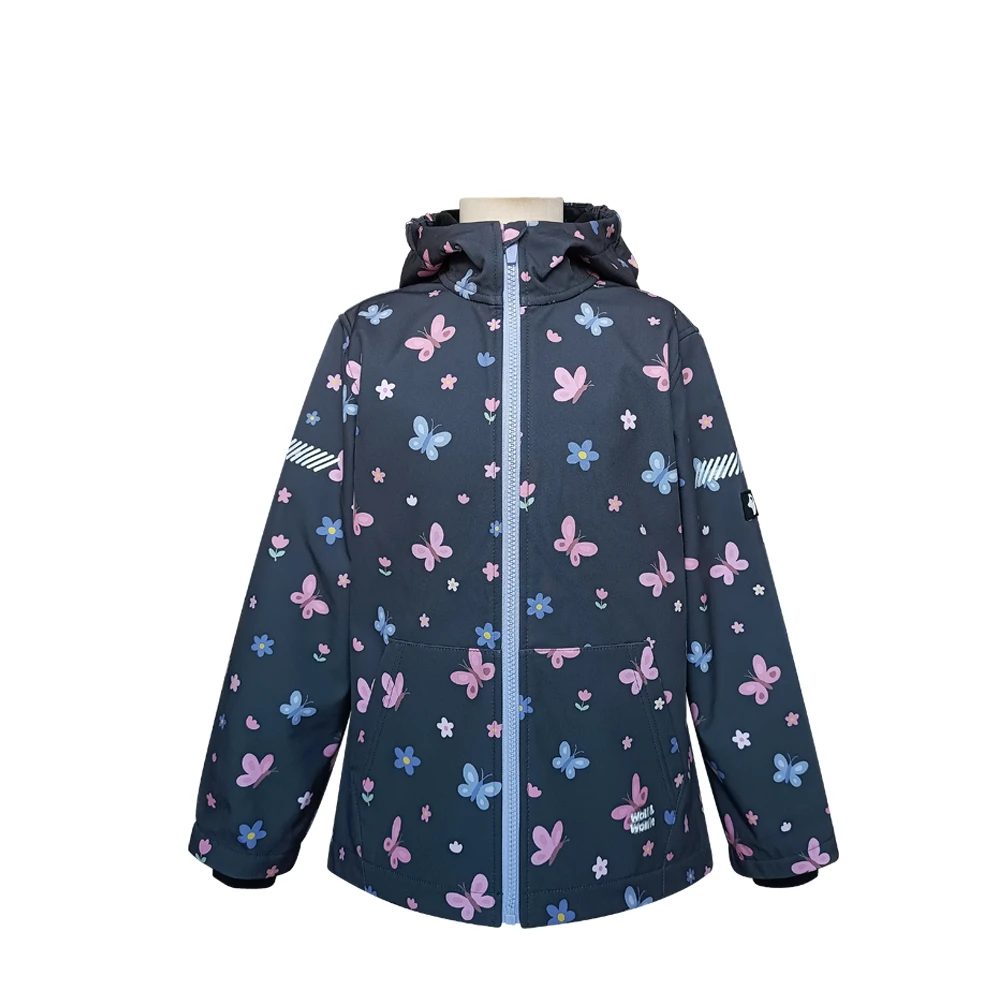
What’s All the Fuss About Windproof Jackets?
In a world where climate unpredictability is becoming the new norm, understanding protective apparel like the windproof jacket isn't just a fashion statement—it’s a practical necessity. Globally, these garments shield millions from biting winds, playing a vital role in outdoor workforces, disaster relief teams, and everyday urban life.
But more than just blockading chilly gusts, a quality windproof jacket can boost productivity, improve safety, and even save lives. So let’s unwrap what makes these jackets tick and why they deserve your attention.
Global Perspective: Why Windproof Jackets Matter Now More Than Ever
According to UN climate reports, weather extremes are increasing worldwide. Elevated wind speeds combined with dropping temperatures pose risks ranging from frostbite to significant loss of efficiency in outdoor tasks.
Windproof jackets address this challenge head-on. For industries such as construction, hiking tourism, or emergency response, having reliable, breathable protection can mean less downtime and fewer health issues. The World Bank also flags that in regions vulnerable to storms—think Northern Europe, the Rockies, or parts of East Asia—wind protection is a frontline defense against the elements.
Yet, still, many overlook the nuance behind these jackets. It’s not just “wind resistance” slapped on fabric; it’s sophisticated textile engineering designed to keep wearers comfortable, mobile, and dry.
What Exactly Is a Windproof Jacket?
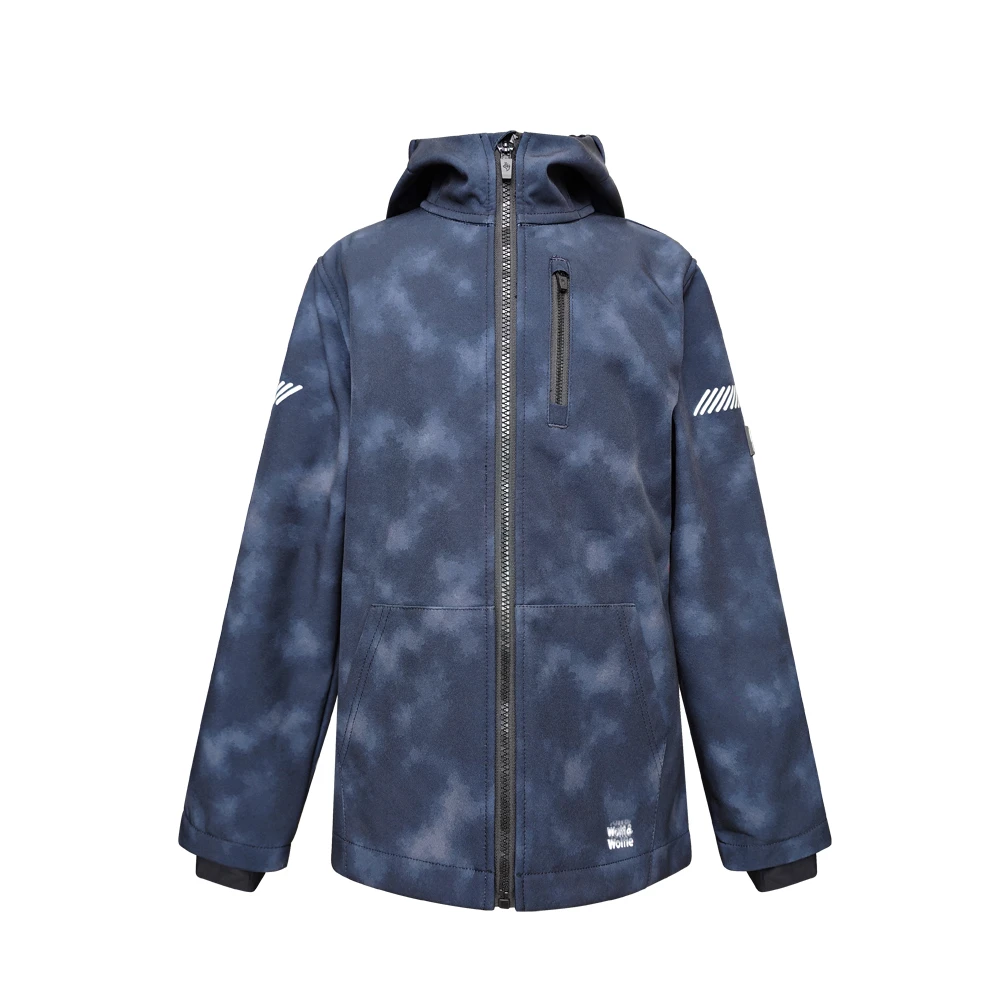
Simply put, a windproof jacket is an outer layer garment crafted to prevent wind from penetrating through its fabric. Unlike heavy winter coats that rely mostly on insulation, these jackets block that chilling wind chill effect without bulk.
Technically speaking, they often employ membranes or tightly woven fabrics that provide a barrier while maintaining breathability. This means they help regulate body temperature by keeping cold gusts out but still letting moisture escape, so you don’t end up soaked in sweat.
In modern industries or humanitarian work, these jackets are essential: they empower outdoor workers to carry on, enable volunteers in disaster zones to stay functional through harsh conditions, and help adventurers avoid hypothermia by reducing wind's impact on core temperature.
Key Features That Define a Windproof Jacket
1. Durability
Windproof jackets often face abrasive surfaces, rugged conditions, and repeated wear. Thus, manufacturers use robust fabrics—like ripstop nylons or nylon-poly blends—to keep jackets functional for seasons or years.
2. Breathability and Moisture Management
One of the trickiest balancing acts is blocking wind but letting sweat escape. Membranes such as Gore-Tex or proprietary breathable laminates create this microclimate.
3. Lightweight & Packable Design
Nobody wants to lug a cumbersome coat. Many windproof jackets pack down small, ideal for unpredictable climates or travel.
4. Weather Resistance Beyond Wind
Often water-resistant or even waterproof treatments are applied, making the jackets versatile for rain and snow, not just wind.
5. Comfort and Fit
With adjustable hems, cuffs, and hoods, these jackets adapt to individual movement, crucial for both professionals and recreationists.
Windproof Jackets in Action: Real-World Uses and Regions
- Post-Disaster Relief: After hurricanes or cyclones hit coasts, relief workers equip themselves with windproof jackets for endurance through cold, windy nights while setting up camps.
- Remote Industrial Zones: Oil rigs and mining operations in places like Alaska or Siberia rely heavily on windproof apparel to maintain workforce safety.
- Urban Commuters: Cities with brisk gusts—say London or Chicago—see everyday users benefiting from the blend of style and protection.
- Outdoor Sports & Recreation: Hikers, climbers, and cyclists swear by these jackets to maintain core warmth without the bulk often associated with winter gear.
Organizations such as the Red Cross often standardize windproof gear for volunteers, recognizing the blend of durability and practical protection it offers.
Windproof Jacket Specifications At a Glance
| Feature | Typical Specification | Benefit |
|---|---|---|
| Fabric Type | Ripstop nylon with polyurethane coating | Tear-resistant and wind-blocking |
| Membrane | Breathable Gore-Tex or eVent membranes | Allows moisture out without wind in |
| Weight | 200-350 grams | Lightweight for mobility and packability |
| Water Resistance | DWR (Durable Water Repellent) coating | Resists rain and snow in moderate conditions |
| Adjustability | Velcro cuffs, adjustable hem, fitted hood | Customizable fit to maximize wind block |
Top Manufacturers: A Vendor Comparison
| Vendor | Key Features | Approximate Price Range | Special Notes |
|---|---|---|---|
| ArcTech Outdoors | Gore-Tex membrane, lightweight, eco-friendly materials | $180 - $250 | Focus on sustainable sourcing |
| WindSafe Gear | eVent membrane, packable, reinforced stitching | $150 - $220 | Great for extreme weather professionals |
| EcoShell Apparel | Recycled fabrics, DWR finish, ergonomic fitting | $130 - $200 | Committed to circular economy |
The Real Benefits of Investing in Windproof Jackets
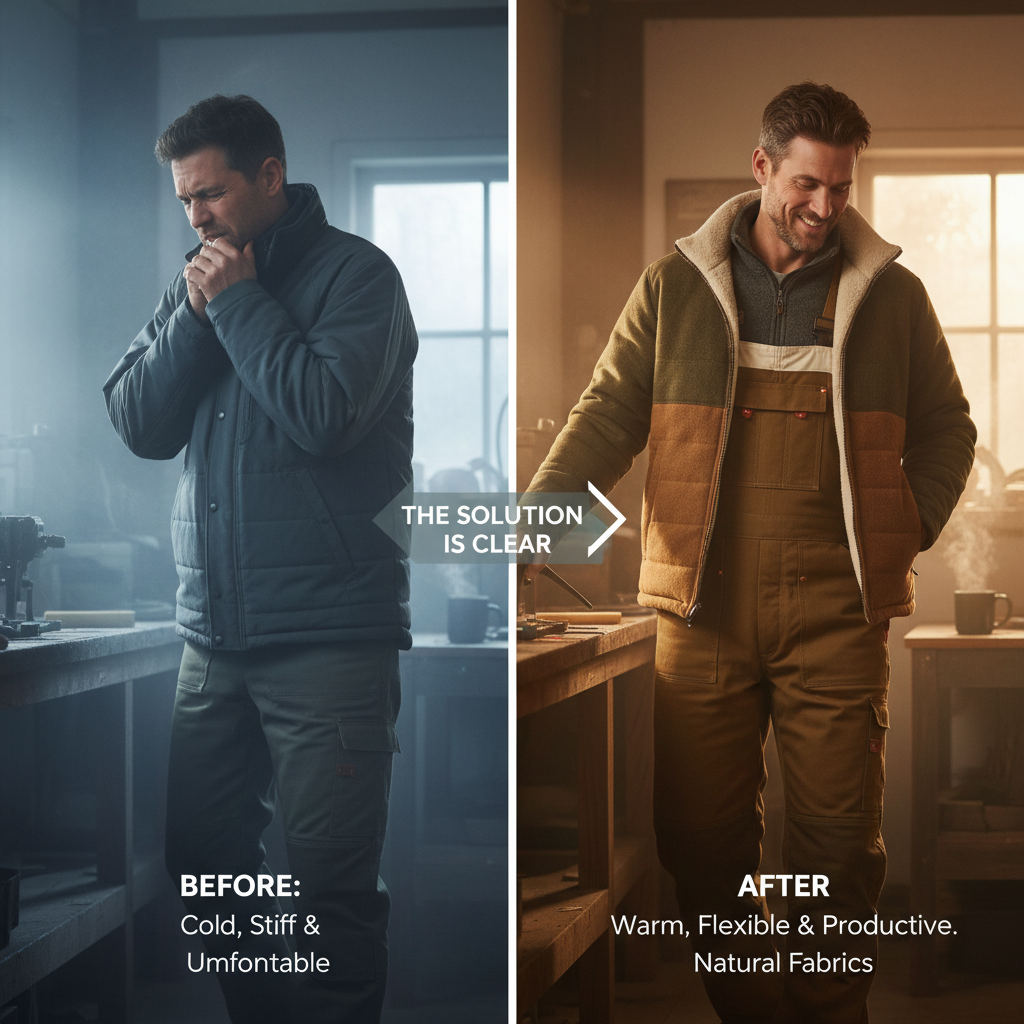
On paper, their obvious benefit is blocking wind; but in real terms, these jackets boost on-the-job comfort, lower cold-related illnesses, and improve morale—especially during long shifts outdoors. Many engineers I’ve spoken to mention how a good windproof jacket is an “invisible coworker,” quietly making your day better.
Beyond immediate comfort, there’s sustainability. Durable fabrics mean fewer replacements, while many brands are transitioning towards eco-friendlier materials, marrying tech with green values.
And finally, the psychological aspect: facing miserable weather is much less daunting when your gear is up to it. That sense of protection can translate into better focus, faster work, and an elevated sense of dignity.
What’s Next? Future Trends in Windproof Jackets
Looking ahead, smart textiles are entering the scene. Imagine windproof jackets with embedded temperature sensors or those that adjust breathability automatically. Some researchers are playing with self-heating membranes powered by body heat or charged through solar fibers.
Companies are also increasingly embracing circular manufacturing — recycling old jackets into new ones, reducing waste significantly. And with digital transformation, customized windproof jackets fitted with 3D scans are becoming more feasible, promising perfect fit and comfort.
Common Challenges and How the Industry is Tackling Them
Despite progress, windproof jackets aren’t a one-size-fits-all solution. Some materials can still feel clammy on high-exertion days, and truly waterproof yet windproof fabrics often come at a premium price.
Manufacturers now experiment with hybrid layering or using variable permeability fabrics—think panels that breathe more under the arms balanced with super-shielded core panels. Plus, advances in coatings continue to extend water and stain resistance without sacrificing wind-blocking.
FAQs: What People Really Want to Know About Windproof Jackets
Q1: How is a windproof jacket different from a waterproof jacket?
A windproof jacket primarily blocks cold wind from penetrating the fabric, helping to maintain warmth. Waterproof jackets, meanwhile, focus on preventing water from entering. Many modern jackets combine both features, but purely windproof jackets are usually lighter and more breathable.
Q2: Can I wear a windproof jacket year-round?
Absolutely! Lightweight windproof jackets are great for spring and fall when you need wind defense without heavy insulation. For winter, layer under a warmer coat or choose a windproof jacket designed with added insulation.
Q3: Are windproof jackets sustainable?
Many brands are embracing sustainable practices by using recycled nylon, eco-friendly DWR treatments, or committing to circular manufacturing processes, making contemporary windproof jackets greener than ever.
Q4: How do I care for my windproof jacket to maintain its effectiveness?
Follow washing instructions carefully—usually gentle wash without fabric softener—and periodically reapply DWR treatments to maintain water and wind resistance.
Q5: Can windproof jackets be customized for corporate or relief organizations?
Yes, many vendors offer customization like logos, color options, or specialized fits to meet the unique needs of industry groups or humanitarian agencies.
Wrapping It Up
Windproof jackets might seem like just another layer, but their benefits ripple far beyond personal comfort. They enable resilience in harsh environments, contribute to sustainable manufacturing trends, and offer a practical blend of science and style. Whether you’re a professional braving the elements or someone who just hates being chilled by the wind on your way to work, investing in a quality windproof jacket pays off.
Curious to explore your options? Check out our latest collection at windproof jacket for some refined choices that marry tech, comfort, and sustainability.