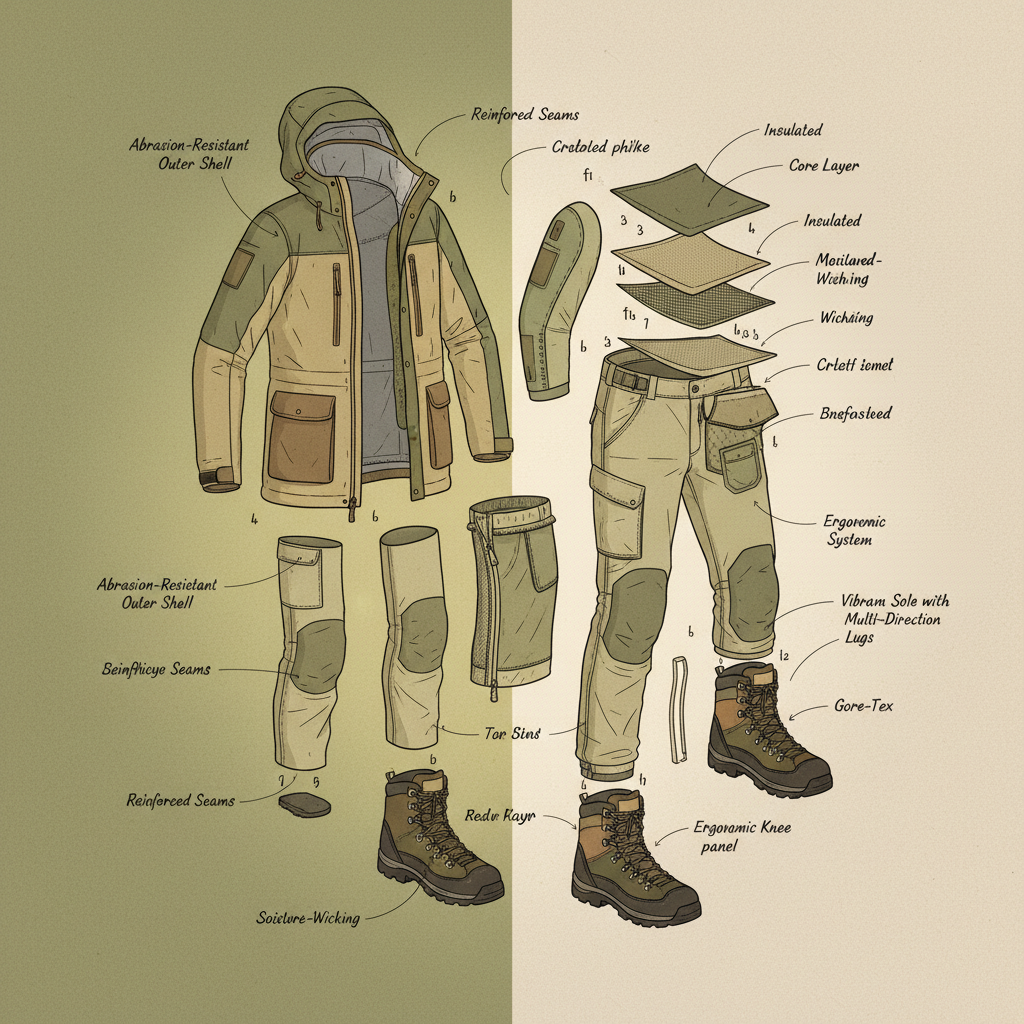
Kids winter wear is a critical aspect of child wellbeing, especially as global weather patterns become increasingly unpredictable. Ensuring children are adequately protected from the cold isn’t just about comfort; it’s about preventing health risks like hypothermia and respiratory illnesses. From insulated jackets and waterproof boots to cozy hats and gloves, the right kids winter wear enables safe outdoor play and participation in everyday activities even during harsh winter conditions.
The global market for kids winter wear is significant and steadily growing, driven by factors like increasing parental awareness of weather-related safety, rising disposable incomes in emerging economies, and a growing emphasis on children’s outdoor lifestyles. This demand isn’t limited to colder climates; even regions with milder winters experience a need for appropriate layering and protective clothing as temperatures drop. The development and accessibility of effective kids winter wear directly contribute to public health and childhood development.
Understanding kids winter wear encompasses not only the types of clothing available but also the materials used, the technologies incorporated for warmth and protection, and the importance of proper fit. Choosing the right kids winter wear requires considering factors like activity level, climate conditions, and the child’s individual needs. This knowledge is vital for parents, caregivers, and those involved in providing winter clothing to vulnerable populations.
The Importance of Kids Winter Wear
Protecting children from the elements during winter is paramount for their health and wellbeing. Kids winter wear isn't simply about fashion; it’s about providing essential insulation and protection against hypothermia, frostbite, and other cold-related illnesses. Adequate clothing allows children to continue enjoying outdoor activities safely, fostering physical development and social interaction.
The impact extends beyond immediate health. Access to appropriate kids winter wear can enable continued school attendance, reducing educational disruption during colder months. This is particularly crucial for children in low-income communities or regions with harsh winters where lack of adequate clothing can be a significant barrier to education and opportunity.
Defining Kids Winter Wear
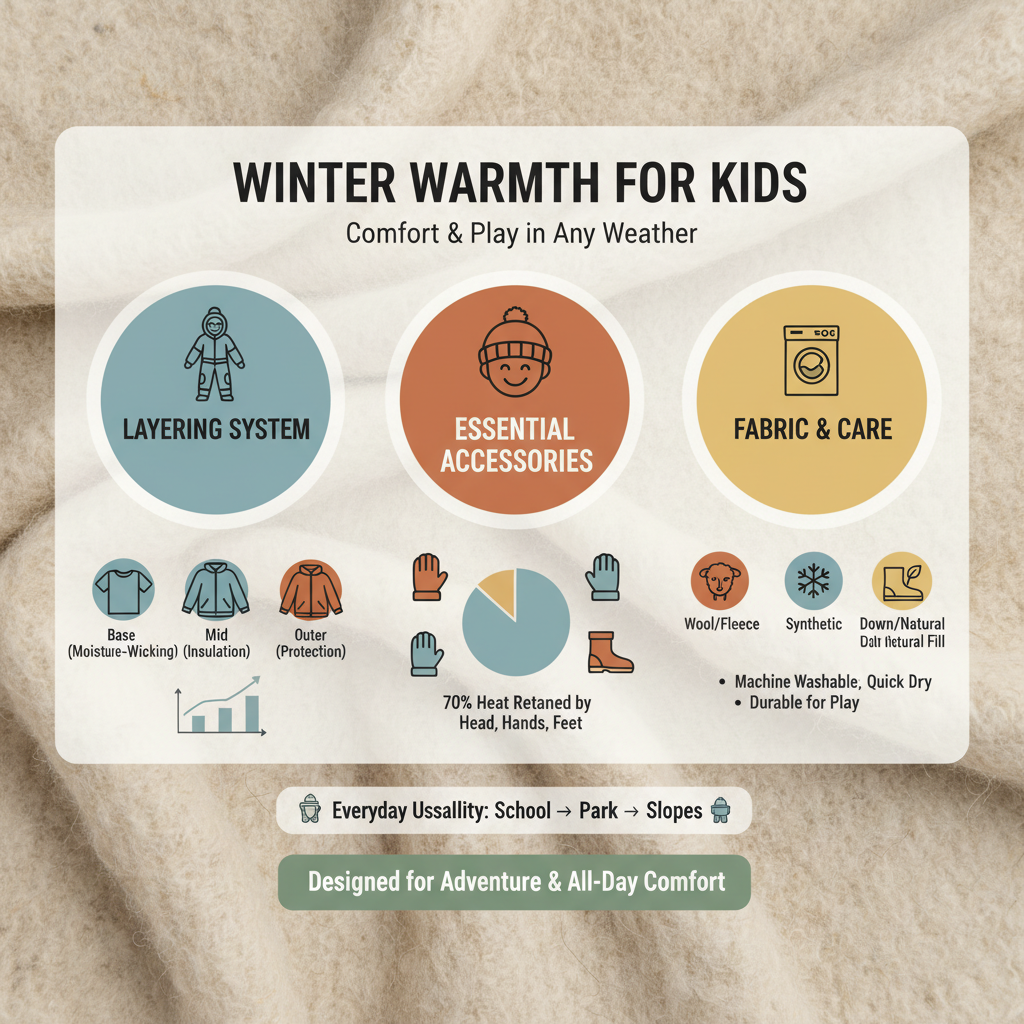
Kids winter wear encompasses a range of clothing specifically designed to provide warmth and protection from cold weather conditions. This includes items like insulated coats and jackets, waterproof and insulated pants, hats, gloves or mittens, scarves, and warm socks. The key characteristic of kids winter wear is its ability to trap body heat and shield against wind, rain, and snow.
Modern kids winter wear often incorporates advanced materials and technologies such as waterproof and breathable membranes, thermal insulation (like down or synthetic fills), and moisture-wicking fabrics. These innovations enhance the clothing’s ability to regulate temperature, keep children dry, and prevent overheating. Understanding the properties of these materials is essential for selecting the most appropriate gear.
This definition extends beyond retail purchases. Kids winter wear also includes donated clothing, emergency provisions distributed during cold snaps, and items produced for specific outdoor activities like skiing or snowboarding. The core purpose remains consistent: to safeguard children from the adverse effects of cold weather.
Key Factors in Kids Winter Wear Design
Durability is a crucial factor, especially for actively playing children. Kids winter wear needs to withstand rough use, frequent washing, and potential abrasions without losing its insulating properties or structural integrity. Reinforced stitching, robust fabrics, and high-quality zippers are essential components of durable winter clothing.
Water Resistance/Waterproofness is vital for keeping children dry and warm. While water-resistant fabrics offer some protection, waterproof materials provide a complete barrier against rain, snow, and wet conditions. Breathability is also important to prevent moisture buildup inside the clothing, which can lead to chilling.
Insulation refers to the ability of the clothing to trap body heat. Down insulation is known for its exceptional warmth-to-weight ratio, but synthetic insulations are often preferred for their performance in wet conditions. The level of insulation should be appropriate for the climate and the child's activity level.
Fit and Mobility are essential for comfort and safety. Kids winter wear should allow for a full range of motion without being too restrictive. Layering is key, allowing adjustments based on changing temperatures. Properly fitted clothing also minimizes gaps where cold air can enter.
Safety Features like reflective elements and bright colors increase visibility in low-light conditions, enhancing safety during outdoor activities. Hoods should be detachable or adjustable to prevent obstruction of vision.
Global Applications of Kids Winter Wear
Kids winter wear is essential in colder climates worldwide, including Canada, Russia, Scandinavia, and the northern United States. In these regions, it's a standard part of daily life for children attending school, playing outdoors, and participating in winter sports.
However, the need for kids winter wear extends beyond traditionally cold regions. Mountainous areas in developing countries, like the Andes or the Himalayas, experience significant seasonal temperature drops, requiring specialized clothing for children. Furthermore, even temperate zones can experience unexpected cold snaps, making appropriate winter gear crucial for protecting children’s health.
Organizations like UNICEF and the Red Cross frequently distribute kids winter wear to vulnerable populations in disaster-stricken areas or refugee camps. These provisions are often life-saving, protecting children from hypothermia and related illnesses during emergencies. In post-disaster relief operations, ensuring children have adequate clothing is as important as providing food and shelter.
Effectiveness of Different Kids Winter Wear Materials
Advantages and Long-Term Value
The most immediate advantage of quality kids winter wear is cost savings on healthcare. By preventing cold-related illnesses, families can avoid costly doctor visits and medications. Furthermore, durable kids winter wear, while potentially more expensive upfront, lasts longer, reducing the need for frequent replacements.
From a sustainability perspective, investing in long-lasting, ethically produced kids winter wear minimizes waste and supports responsible manufacturing practices. Choosing materials with a lower environmental impact, like recycled polyester, further enhances sustainability. The social impact is also significant, ensuring children can participate in education and social activities regardless of the weather.
Future Trends in Kids Winter Wear
The future of kids winter wear is likely to see increased innovation in materials and technologies. Smart textiles with temperature-regulating properties and self-heating features are under development, potentially offering enhanced warmth and comfort. Biodegradable and compostable materials will become more prevalent, reducing the environmental footprint of winter clothing.
Greater emphasis will be placed on personalization and customization. 3D printing and on-demand manufacturing could allow for tailored fits and designs, minimizing waste and maximizing comfort. Digital integration, such as clothing with embedded sensors that monitor body temperature, may also become commonplace.
Challenges and Solutions in Kids Winter Wear Provision
One significant challenge is affordability. High-quality kids winter wear can be expensive, making it inaccessible to low-income families. Solutions include expanding clothing donation programs, providing subsidies for essential winter gear, and developing more affordable yet durable options.
Another challenge is ensuring proper fit. Children grow quickly, requiring frequent replacements of winter clothing. Modular designs and adjustable features can help extend the lifespan of garments. Furthermore, improving access to sizing guides and fit assistance can reduce the likelihood of purchasing ill-fitting clothing.
Addressing supply chain sustainability is also crucial. Promoting ethical manufacturing practices, reducing transportation emissions, and using eco-friendly materials are essential steps toward creating a more sustainable kids winter wear industry.
Analysis of Kids Winter Wear Distribution Channels
| Distribution Channel |
Reach (Scale 1-10) |
Cost Effectiveness (Scale 1-10) |
Sustainability Rating (Scale 1-10) |
| Retail Stores |
7 |
5 |
3 |
| Online Retailers |
9 |
6 |
4 |
| Charitable Organizations |
6 |
8 |
7 |
| Government Programs |
5 |
7 |
6 |
| School-Based Distributions |
8 |
7 |
5 |
| Community Centers |
7 |
8 |
6 |
FAQS
For extreme cold, look for kids winter wear with down insulation (600 fill power or higher) or high-quality synthetic insulation like PrimaLoft. Waterproof and windproof outer layers are also crucial. Layering with moisture-wicking base layers (like merino wool or synthetic fabrics) will help keep children dry and prevent chilling. Consider materials that offer a high warmth-to-weight ratio for optimal comfort and mobility.
Proper fit is essential for warmth and safety. Allow room for layering underneath the outer garments. Sleeves should cover the wrists, and pants should be long enough to cover the ankles. Avoid clothing that is too tight, as it can restrict movement and reduce insulation. Check sizing charts carefully and consider measuring your child before purchasing online.
Water-resistant fabrics offer some protection against light rain and snow, but they will eventually become saturated. Waterproof fabrics, on the other hand, create a complete barrier against water penetration. Look for waterproof ratings (measured in millimeters) to determine the level of protection. A higher rating indicates greater waterproofness.
Follow the care instructions on the garment label carefully. Most kids winter wear requires gentle washing and tumble drying on low heat. Avoid using harsh detergents or fabric softeners. Regularly check for tears or damage and repair them promptly. Properly storing the clothing during the off-season can also help preserve its quality.
Layering is generally more effective than relying on a single thick coat. Multiple layers trap air, providing better insulation and allowing for adjustments based on changing temperatures and activity levels. Start with a moisture-wicking base layer, add an insulating mid-layer, and finish with a waterproof and windproof outer layer.
Check consignment stores, thrift shops, and online marketplaces for gently used kids winter wear. Many organizations offer clothing assistance programs for low-income families. Look for sales and discounts at major retailers. Consider buying off-season to get the best deals. Donation drives often provide free winter clothing.
Conclusion
In conclusion, kids winter wear is a critical component of child wellbeing, extending beyond mere comfort to encompass health, safety, and educational opportunity. The choice of materials, design features, and proper fit significantly impact its effectiveness. Understanding the various factors influencing kids winter wear – from durability and waterproofness to insulation and affordability – is essential for parents, caregivers, and organizations dedicated to protecting children from the cold.
Looking ahead, continued innovation in materials and manufacturing processes will drive the development of more sustainable, affordable, and effective kids winter wear. By prioritizing ethical sourcing, responsible production, and accessible distribution, we can ensure that all children have access to the warmth and protection they need to thrive, regardless of the weather. Visit our website to find the perfect kids winter wear for your family: kids winter wear.