Why Polyester Overall Matters: A Global Perspective
Polyester overalls — yes, those sturdy, synthetic garments that keep workers, responders, and adventurers safe — are much more than just protective clothing. In fact, understanding polyester overalls is essential on a global scale. They represent a clever solution to challenges in safety, affordability, and versatility which span industries and continents.
Why such a fuss over these garments? It’s simple: polyester overall offers durability and cost efficiency that natural fibers struggle to match, and that makes them vital in workplaces where exposure to harsh elements or hazardous materials is constant. Moreover, as the global population grows and labor-intensive sectors expand, the demand for reliable protective clothing skyrockets.
Setting the Scene: Polyester Overalls in Industry and Society
To put it bluntly, protective clothing is big business worldwide. ISO estimates roughly hundreds of millions of workers globally require personal protective equipment (PPE) daily. Polyester overalls form a substantial share, given their adaptability and resilience. According to the World Bank, emerging economies especially demand affordable, long-lasting workwear to bolster industrial safety without breaking the bank.
Yet there’s a real problem: too often, low-cost alternatives sacrifice quality, leading to safety breaches or rapid wear-and-tear. Polyester overall, when engineered correctly, strikes a vital balance between protection, cost, and comfort. It’s often the difference between a workplace accident and a safe return home.
Defining Polyester Overall: What Is It Exactly?
Simply put, a polyester overall is a one-piece protective garment made predominantly from polyester fiber. Unlike cotton or natural fabrics, polyester offers innate resistance to moisture, abrasions, and many chemicals. Combined with smart design—like reinforced seams and adjustable fittings—it becomes an essential layer of defense in a range of environments.
Beyond industrial uses, polyester overalls also serve humanitarian and emergency needs by enabling quick deployment of durable, easy-to-clean wear for responders and displaced communities alike.
Core Aspects of Polyester Overalls You Should Know
Durability
Polyester fibers are remarkably tough. They resist tearing and withstand repeated use and harsh cleaning cycles. Unlike cotton that degrades or shrinks, polyester keeps its shape and protective qualities, meaning fewer replacements and more ongoing reliability.
Water and Chemical Resistance
Thanks to its hydrophobic nature, polyester repels water quicker than natural fibers. Treated polyester overalls can also resist oils, fuels, and many chemicals, critical when working in hazardous environments.
Cost Efficiency
Polyester’s synthetic production costs less relative to natural textiles and supports bulk manufacturing. In practical terms, companies and organizations can outfit entire teams with durable protection without shattering budgets.
Comfort and Breathability
At first glance, polyester might sound prickly or uncomfortable—and sometimes it can be if poorly designed. However, modern polyester blends and weaving techniques improve breathability and moisture wicking, keeping workers relatively cooler even during strenuous tasks.
Environmental Aspect
It’s paradoxical but true: polyester overall production relies on petrochemicals, but rising trends in recycled polyester are helping reduce environmental impacts, which means safer gear and greener footprints down the line.
Easy Maintenance
Washing polyester overalls is straightforward, often requiring low heat and less drying time. This makes them ideal for industries where rapid turnaround of clean garments is necessary.
Mini takeaway: Polyester overalls marry durability, safety, and cost-effectiveness in a way that’s now indispensable globally.
Real-World Applications of Polyester Overalls
The versatility of polyester overall is striking. In industrial zones across Southeast Asia, construction workers routinely rely on polyester-based protective wear. In European chemical plants, the same clothing shields operators from spills and splashes. International humanitarian organizations turn to polyester overalls to equip disaster relief teams in post-flood zones or earthquake aftermaths.
Oddly enough, even in agriculture, polyester checklists pop up. Farmers tackling pesticide sprays often wear polyester overalls to shield skin while maintaining mobility. Remote mining operations in South America demand rugged, easy-care overalls under unpredictable weather. The list goes on.
Quick overview: Polyester Overall Product Specifications
| Attribute | Typical Value | Notes |
|---|---|---|
| Material Composition | 85–100% Polyester (blended fabrics vary) | Blends often with cotton or nylon for comfort |
| Weight | 180–300 g/m² | Lighter for breathability, heavier for protection |
| Tear Strength | 20–30 N | Varies by weave type and reinforcements |
| Water Repellency | Hydrophobic, often treated for added repellency | Keeps wearer dry during light rain or splashes |
| Colorfastness | High resistance to fading | Important for uniformity and branding |
A Quick Comparison of Leading Polyester Overall Vendors
| Vendor | Quality Grade | Price Range | Special Features | Global Reach |
|---|---|---|---|---|
| SafeWear Inc. | Premium | $$$ | High-tech flame resistance, customizable fit | Worldwide |
| EcoGear Solutions | Mid-range | $$ | Recycled polyester blends, sustainable packaging | Europe & Asia |
| BudgetWear Corp. | Basic | $ | Mass production, standard sizes | Global |
Why Polyester Overalls Are a Smart Investment for the Long Haul
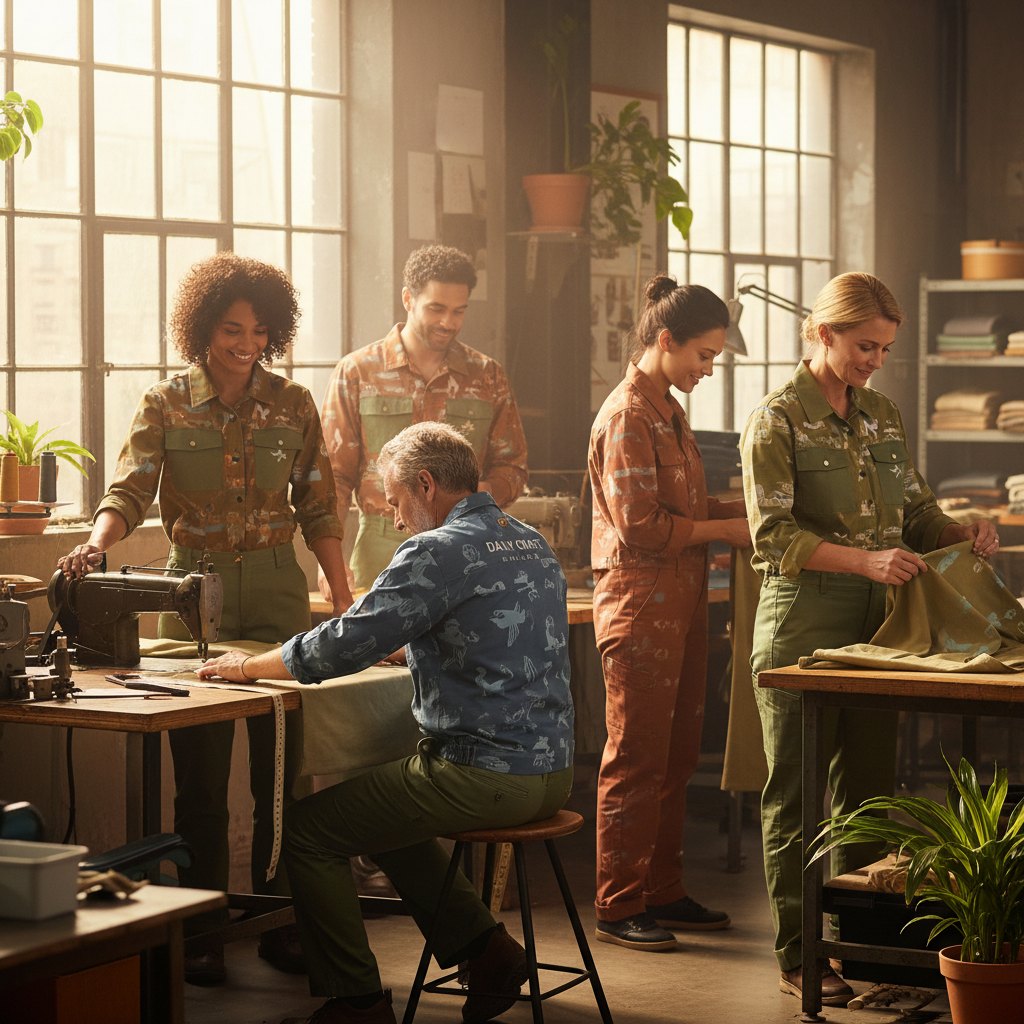
On the surface, polyester overalls save money. They last longer, so less frequent replacements — that’s the obvious payoff. But cost is just one side of the coin. Consider the social aspect: workers equipped with reliable gear feel safer and more valued. That emotional security fosters productivity and loyalty — a subtle but critical benefit.
Environmentally, newer recycled polyester fabrics mean companies can meet sustainability goals without compromising output. Reliability in adverse conditions also means less downtime, fewer accidents, and lower insurance costs. That’s a triple win: safety, sustainability, savings.
Emerging Trends and Innovations in Polyester Overalls
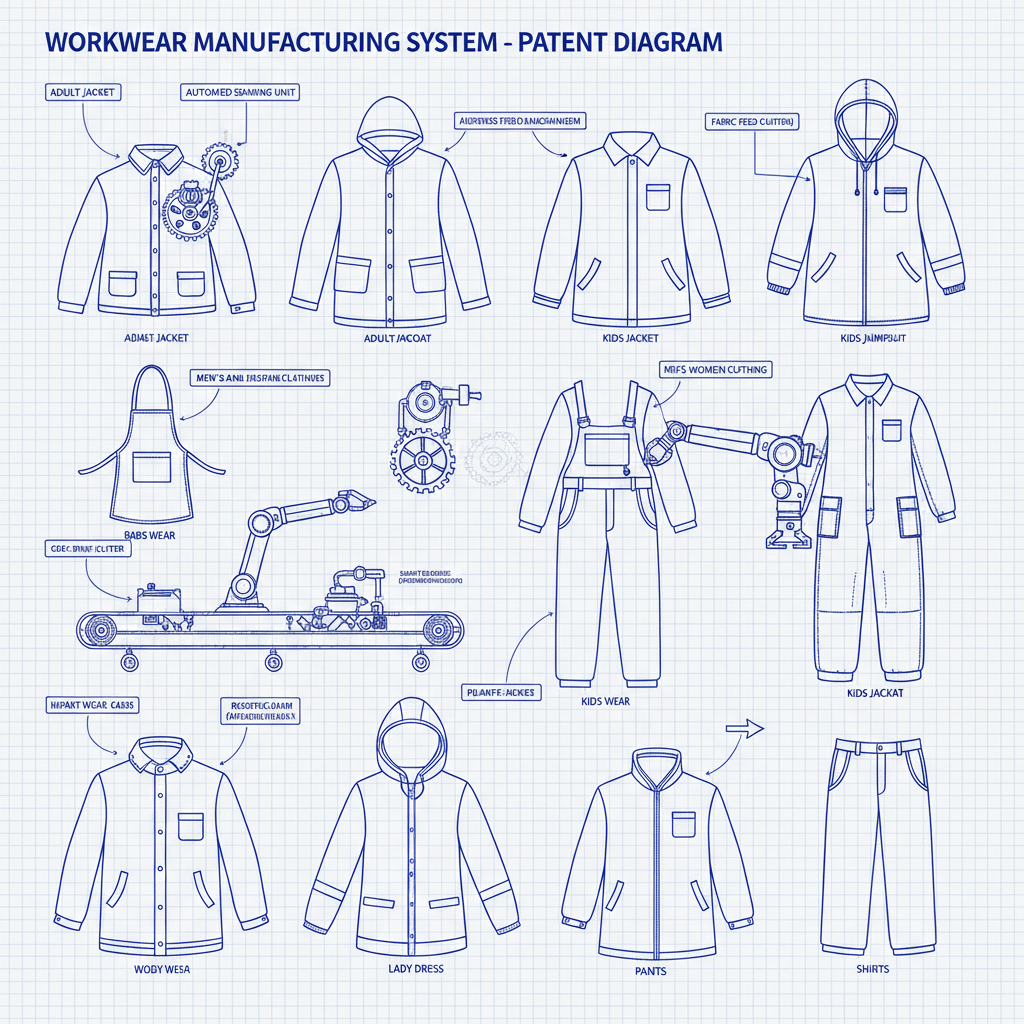
The textile world keeps evolving, surprisingly fast. Innovations like nano-coatings improve stain resistance and antiviral protection. Smart textiles incorporating sensors to monitor vital signs or exposure levels are not far off. Automation in garment production is driving customization to meet diverse ergonomic needs.
Green energy and circular economy principles encourage the rise of fully recyclable polyester overalls — garments designed to be taken apart and remanufactured into new clothes. This is crucial as global waste reduction efforts become central to corporate responsibility.
Challenges and How Industry Leaders Address Them
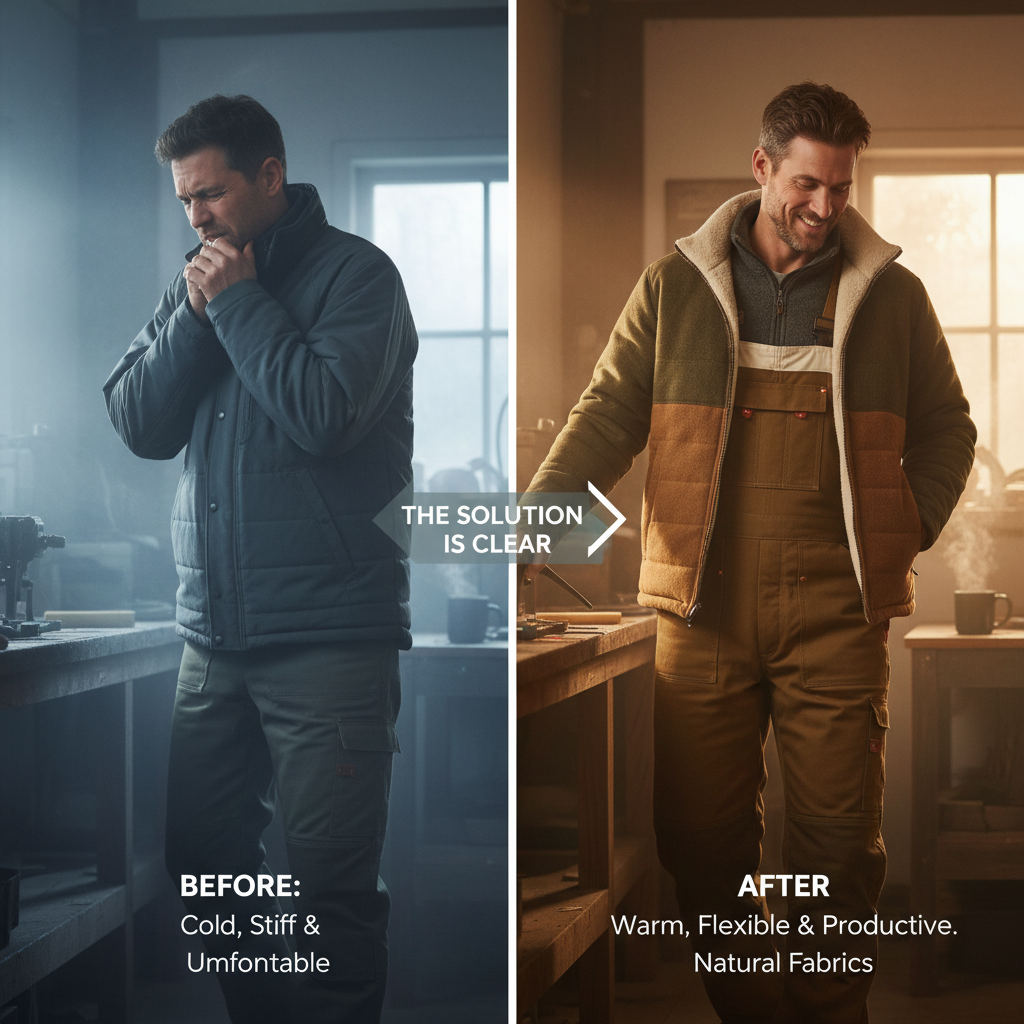
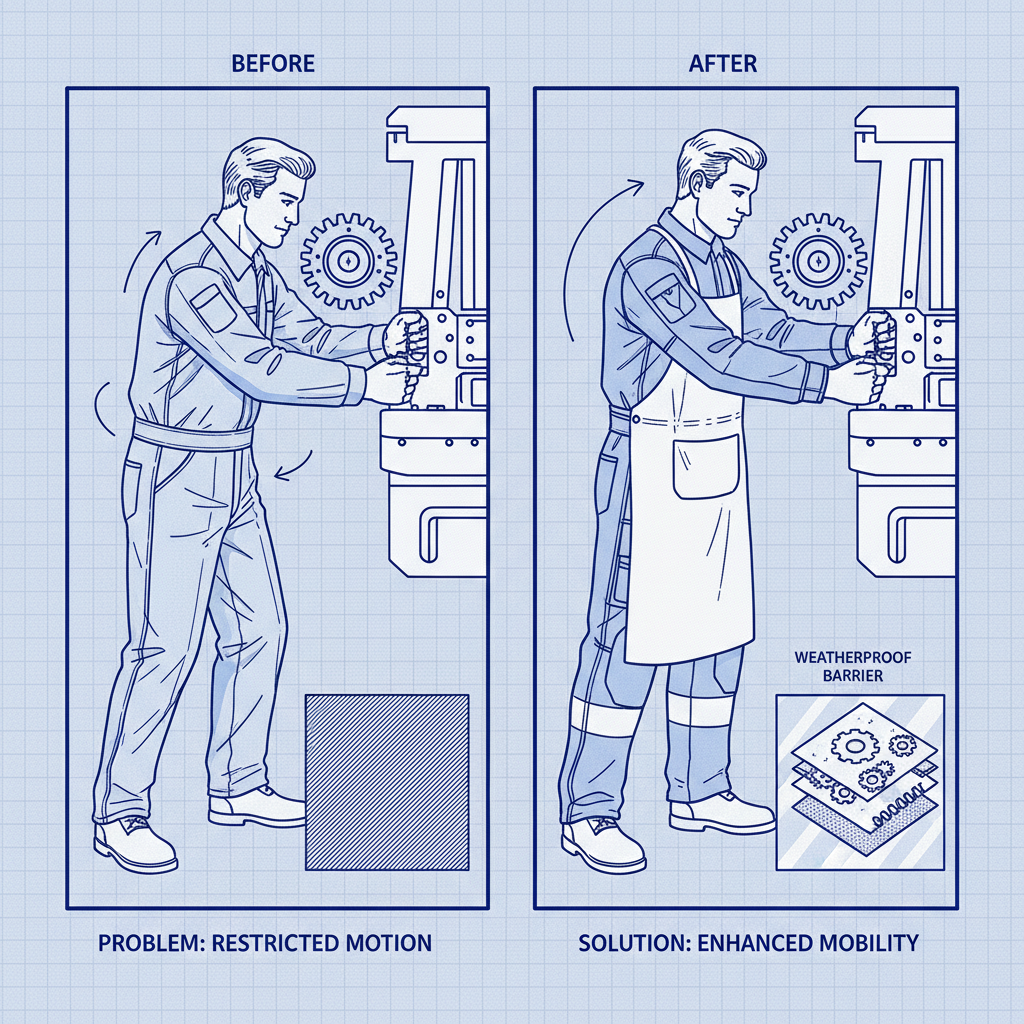
Not all is rosy. Polyester production from fossil fuels raises environmental concerns, and not all polyester overall designs feel comfortable during long shifts. Moreover, certain chemical exposures require fabrics with specialized coatings, increasing costs and complexity.
The solution? Increased R&D investment in bio-based polyester fibers, advanced ergonomic design, and hybrid fabric blends. Vendors also incorporate better sizing options and improved breathability. In many cases, companies partner with end users to create tailored solutions — a more human, collaborative approach.
FAQ: What You’re Often Asking About Polyester Overall
Q1: How does a polyester overall compare to cotton-based workwear?
Polyester overalls typically outperform cotton in durability, water resistance, and ease of cleaning. Cotton breathes better but wears out faster, especially in tough industrial environments. Polyester blends often combine the best of both worlds.
Q2: Can polyester overalls be recycled or reused?
Yes, especially with current trends toward recycled polyester. Many newer overalls are designed with end-of-life recycling in mind, but always check vendor claims and local recycling options.
Q3: Are polyester overalls suitable for hazardous chemical industries?
While polyester resists many chemicals, added coatings or specialized treatments are often necessary for high-risk chemical exposure. Always select certified garments that meet industry safety standards.
Q4: How do I choose the right polyester overall for my team?
Evaluate your industry hazards, climate, and budget. Look for trusted manufacturers offering customization and certifications. Comfort and sizing options can significantly affect worker compliance.
Q5: Is polyester overall suitable for emergency relief work?
Absolutely. Its durability, easy maintenance, and quick drying make polyester overalls ideal in disaster zones where conditions can be rough and support resources limited.
Wrapping It Up: Why You Should Care About Polyester Overalls
Polyester overall isn’t just a piece of clothing; it’s a cornerstone of modern work safety, environmental stewardship, and cost management. The blend of technical performance, affordability, and social impact is compelling.
Next time you see a worker stepping into a dusty factory or a responder in a flood zone, remember the quiet value that polyester overalls provide: protection, dignity, and sometimes, even life.
Curious to explore top-quality polyester overalls and discover how they can serve your industry? Visit our website: polyester overall.