What’s a Vest, and Why Does It Matter Worldwide?
When you hear the word vest, some might picture a stylish layering piece, but the term actually spans a surprisingly broad world of meanings—from practical workwear to high-tech protective gear. In global terms, vests aren’t just for fashion; they’re critical tools in safety, industry, humanitarian aid, and even environmental contexts. Understanding the nuances of vests offers insights into how we protect, empower, and enable people in modern life.
Why care? Because millions depend on specialized vests daily—whether it’s a construction worker wearing a high-visibility vest on site, first responders donning ballistic protection, or outdoor adventurers who need lightweight but durable layers. It’s a mix of function and safety that’s quietly woven into countless industries worldwide.
The Global Relevance of Vests in Today’s Industries
Industries around the world, from construction in emerging markets to emergency services in urban centers, rely heavily on vests to meet safety regulations and boost worker visibility. According to the International Labour Organization (ILO), workplace accidents have been reduced significantly in sectors where proper personal protective equipment (PPE), including vests, is mandated.
Moreover, organizations like the UN and ISO have set standards that emphasize safety gear’s role in reducing fatalities and improving worker conditions globally. From the dusty roads of mining regions in Africa to high-speed rail constructions across Europe, the humble vest plays an outsized role in ensuring safety and efficiency.
Nevertheless, challenges persist — for example, how do you supply quality vests that meet strict standards to remote or disaster-stricken areas where the need is arguably highest?
Mini Takeaway:
Vests aren’t just apparel; they’re a frontline defense globally, especially where safety and visibility can make the difference between life and death.
Defining “Vest”: More Than Just Clothing
Simply put, a vest is a sleeveless garment worn on the upper body. But beyond everyday wear, the term covers a range of specialized equipment:
- Safety vests: High-visibility gear for construction, traffic management, and outdoor workers.
- Protective vests: Bulletproof or stab-resistant armors used by police and security personnel.
- Technical vests: Multi-pocketed utility vests for photographers, hikers, or first responders.
The connection to modern industries is straightforward: vests provide an immediate, practical solution to industry-specific risks like low visibility, impact hazards, or accessibility to tools—fundamentally supporting safer and more efficient work environments.
Key Elements That Make a Good Vest
1. Durability
Look, in tough industries, vests need to withstand rough conditions—abrasions, exposure to chemicals, or inclement weather. Materials like high-denier polyester and reinforced stitching are common choices that practically earn their keep on job sites.
2. Visibility
High-visibility vests use fluorescent colors and reflective strips, crucial for alerting drivers or machinery operators. Oddly enough, in situations where lighting is poor, these vests can save lives by simply making bodies visible.
3. Comfort and Fit
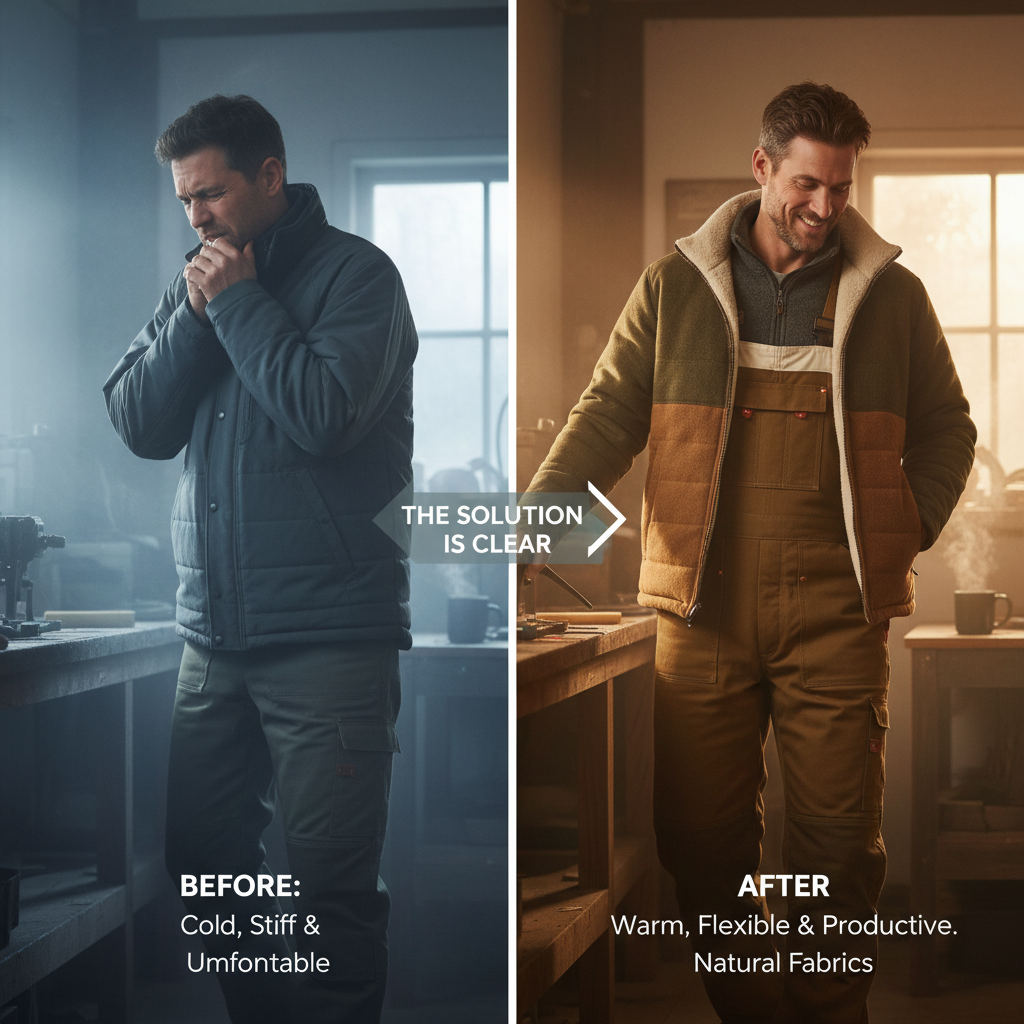
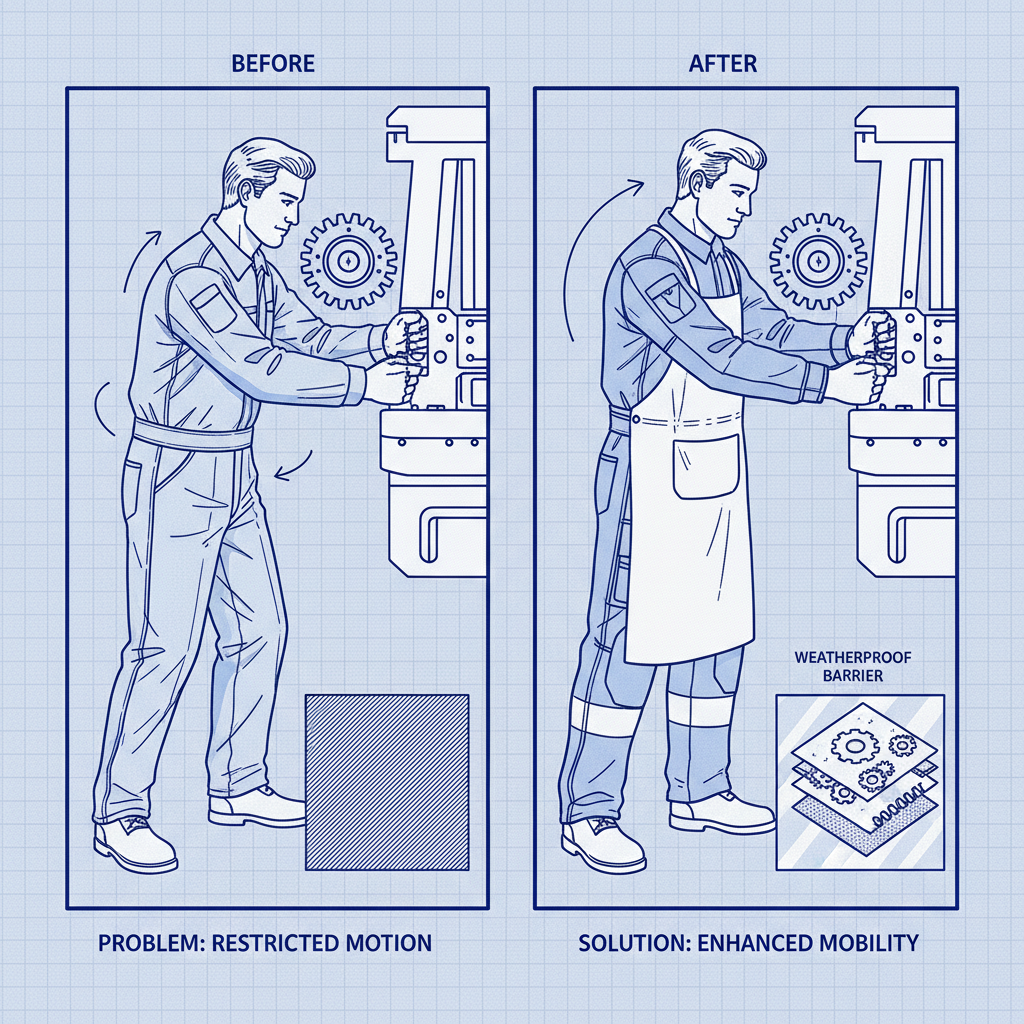
You can have the toughest vest on the planet, but if it restricts movement or becomes unbearably hot, people won’t wear it. Designers now incorporate breathable mesh panels and adjustable straps to address this real human factor.
4. Functionality
Pockets, loops, and modular attachments transform vests into gear racks. Whether it’s a firefighter with radios and tools or a field technician carrying instruments, the practicality built-in enhances job performance.
5. Cost Efficiency
Organizations balance quality and budget as best they can. Bulk purchasing and standardization help, but on-the-ground demands sometimes mean paying more upfront for durability and compliance.
Mini Takeaway:
Think of a vest as a tool shaped by environment and task—durability, visibility, comfort, and price aren’t just features, they’re essentials that determine effectiveness.
Global Applications & Real-World Use Cases
In post-disaster relief operations across Southeast Asia, high-visibility vests help volunteers remain safe amid chaotic logistics. In northern Canada, utility workers depend on thermal-lined vests that keep them insulated without restricting mobility during freezing winters.
In offshore oil rigs, flame-resistant vests are part of mandatory PPE, designed to survive sudden flames or explosions. Meanwhile, police forces worldwide rely on ballistic vests to protect frontline officers—saving countless lives in urban conflict zones.
Even NGOs prioritize versatile vest solutions when distributing aid, combining safety, storage, and durability to serve frontline workers in harsh locales.
Product Specification Table: Common Vest Types
| Vest Type | Material | Key Features | Typical Use |
|---|---|---|---|
| High-Visibility Safety Vest | Fluorescent polyester, reflective strips | Lightweight, adjustable, breathable mesh panel | Construction, road works, event staff |
| Ballistic Vest | Kevlar, UHMWPE fibers | Bullet/stab resistant, lightweight armor panels | Police, military, private security |
| Utility Vest | Durable nylon, reinforced seams | Multiple pockets, tool loops | Field technicians, photographers, outdoorsmen |
Advantages and Long-Term Value of Wearing the Right Vest
The functional benefits are clear enough: cost savings from prevented accidents, increased worker confidence, and improved operational flow. But there’s also a social dimension; wearing protective vests can directly affect feelings of safety and dignity. If you’re a firefighter or paramedic, that armor is more than a uniform, it’s an extension of trust between you and the community you serve.
From a sustainability standpoint, many manufacturers are innovating with recycled materials, making vests not only safer but environmentally friendly. Given the global push toward sustainable industrial practices, this value stream mustn’t be underrated.
Looking Ahead: Innovations on the Horizon for Vests
Automation and smart textiles are the buzzwords here. Imagine vests that monitor vital signs or environmental hazards, transmitting data in real-time back to command centers. Lightweight nanomaterials could replace traditional fibers—offering better protection with less bulk.
Additionally, regulations tightening worldwide ensure higher standards that push manufacturers to innovate faster, ensuring workers get better gear sooner.
Challenges and How Experts Are Overcoming Them
Quality control is a big one. For example, in remote areas, counterfeit or substandard vests can undermine safety. Partnerships between international agencies and manufacturers are helping set up certification programs to ensure compliance everywhere.
Another ongoing challenge is balancing cost and quality. Some agencies are experimenting with modular vest systems to upgrade protection incrementally rather than forcing a costly one-size-fits-all approach.
Vendor Comparison: Leading Vest Manufacturers
| Vendor | Product Range | Price Range | Unique Features |
|---|---|---|---|
| SafeGuard Pro | Safety vests, ballistic vests | $$$ | Advanced Kevlar layering, customizable sizes |
| VisionWear | High-visibility safety vests | $ | Eco-friendly materials, bright color options |
| GearPro Tactical | Ballistic and utility vests | $$ | Modular attachments, hydration compatible |
Frequently Asked Questions About Vests
Q: What makes a high-visibility safety vest better than regular clothing for outdoor workers?
A: High-visibility vests use fluorescent colors combined with reflective strips to dramatically increase visibility in low-light or busy environments. Unlike regular clothing, they help prevent accidents by ensuring workers are seen by drivers and machinery operators—a simple but proven safety layer.
Q: How long can ballistic vests last under daily use?
A: Most manufacturers recommend replacing ballistic vests every 5 years, even if they appear intact. Over time, materials degrade and impact resistance can weaken, so regular inspections and timely replacement ensure consistent protection.
Q: Are there eco-friendly options for safety vests?
A: Yes, some brands now manufacture safety vests using recycled polyester and sustainable dyes. These options maintain durability and visibility while reducing environmental footprint—a growing trend especially in Europe and North America.
Q: How can NGOs ensure they receive compliance-certified vests when ordering in bulk from overseas?
A: Partnering with vetted suppliers who provide certifications like ISO 20471 or ASTM standards is key. NGOs should request batch testing reports and can use third-party verification services to avoid counterfeit gear.
Wrapping Things Up: Why the Right Vest Truly Matters
Choosing the right vest isn’t just a checkbox in safety compliance—it's a tangible investment in the wellbeing of workers, volunteers, and professionals globally. While the styles and technologies may vary, the goal remains the same: protection, visibility, and empowerment on the job.
If you’re interested in exploring quality vest options tailored to your needs, I highly recommend checking out specialist suppliers who can guide you through the newest innovations and compliance standards.
Final Takeaway:
Vests may seem simple, but their impact is profound, stretching from everyday job sites to life-or-death situations worldwide. The right vest—with durability, comfort, and innovation—makes all the difference.