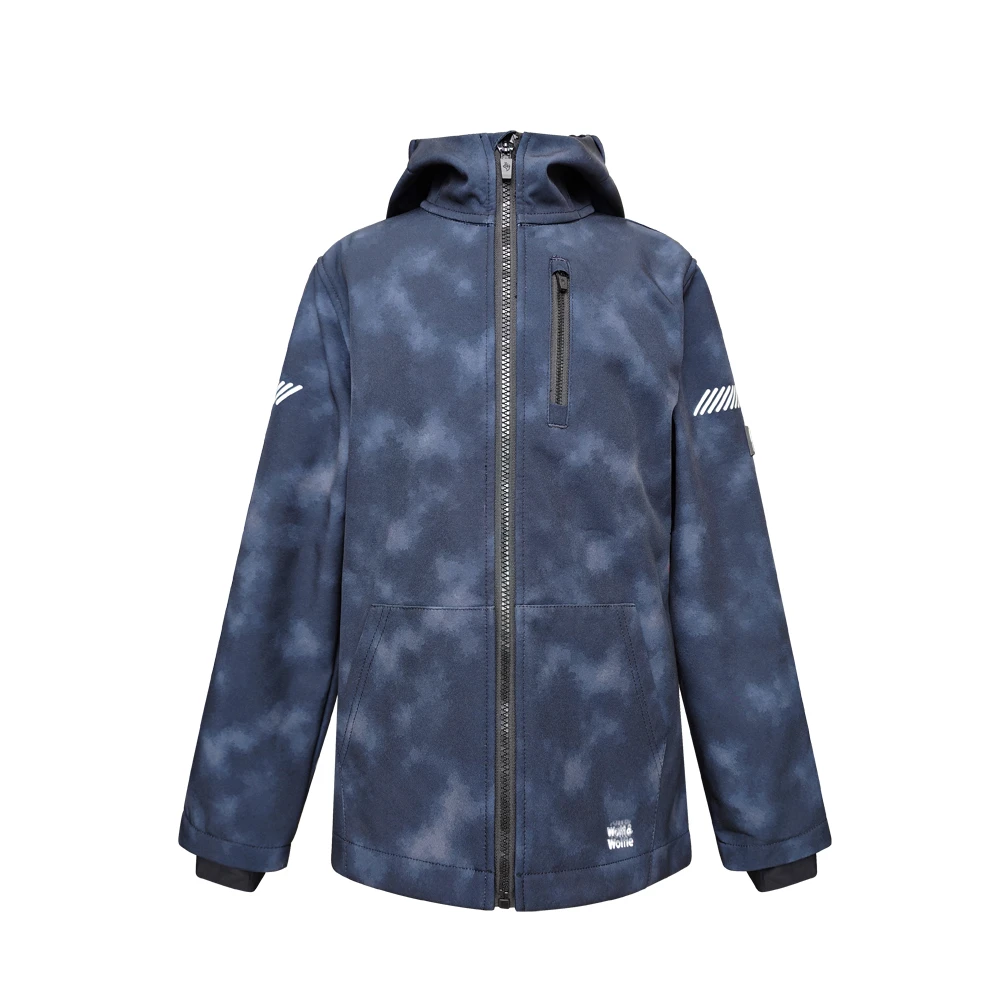
Why a Waterproof Trench Coat Matters in Industrial Workwear
Having spent more than a decade in the trenches of the industrial equipment sector—sometimes literally—I’ve come to appreciate gear that not only protects but endures. Among these, a waterproof trench coat stands out as an unsung hero. You might think, “Isn’t all rainwear pretty much the same?” In real terms, no. The devil, as usual, is in the details.
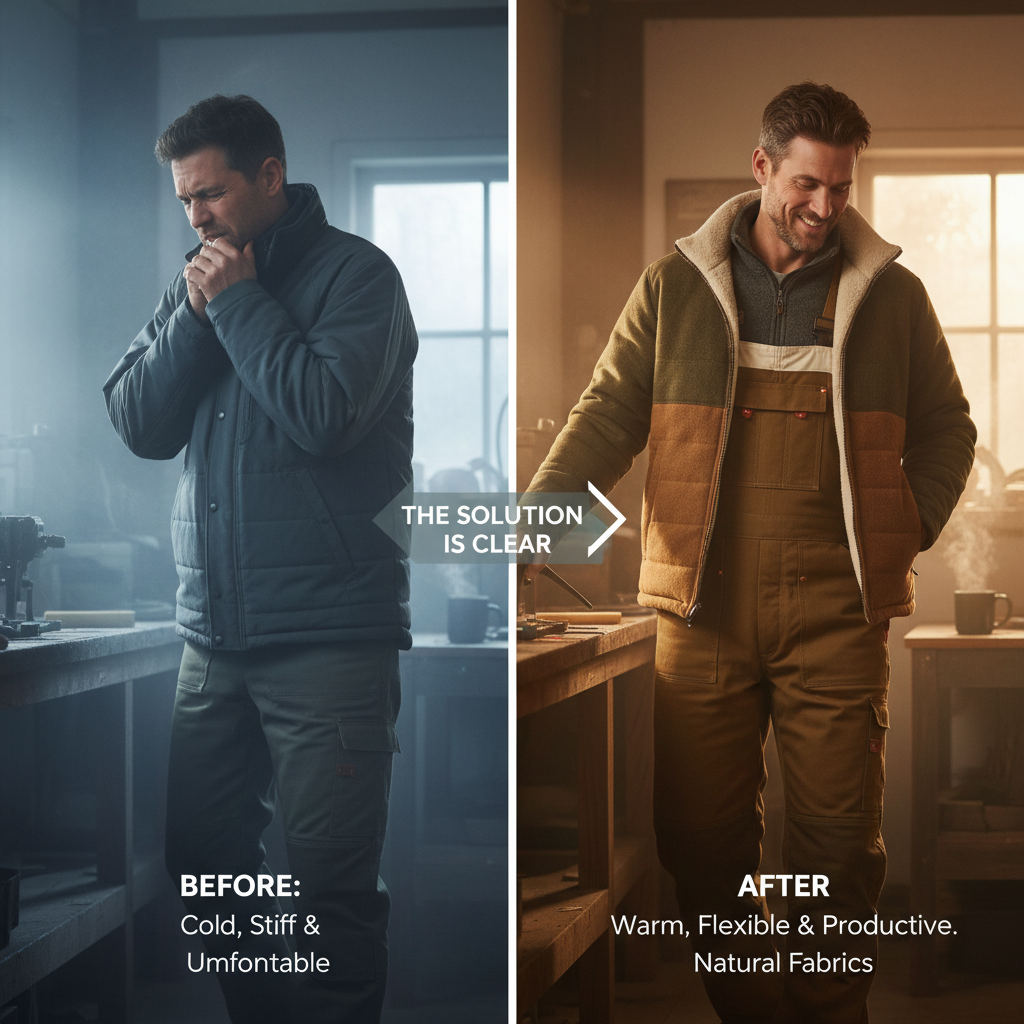
Let me paint the picture. Imagine an engineer on a chilly winter morning, heading to an offshore rig while the rain is steady enough to soak through standard fiber. That trench coat is what keeps the cold and wet at bay, allowing focus on the job and not the discomfort of soggy sleeves.
So, what sets a strong waterproof trench coat apart? To start, it’s mostly about materials and design.
| Feature | Specification |
|---|---|
| Material | Polyurethane-Coated Nylon or Polyester |
| Waterproof Rating | 10,000 mm (Hydrostatic Head Test) |
| Seam Sealing | Fully Taped and Welded Seams |
| Insulation | Removable Thermal Liner Options |
| Additional Features | Adjustable Cuffs, Wind Flaps, Reflective Strips |
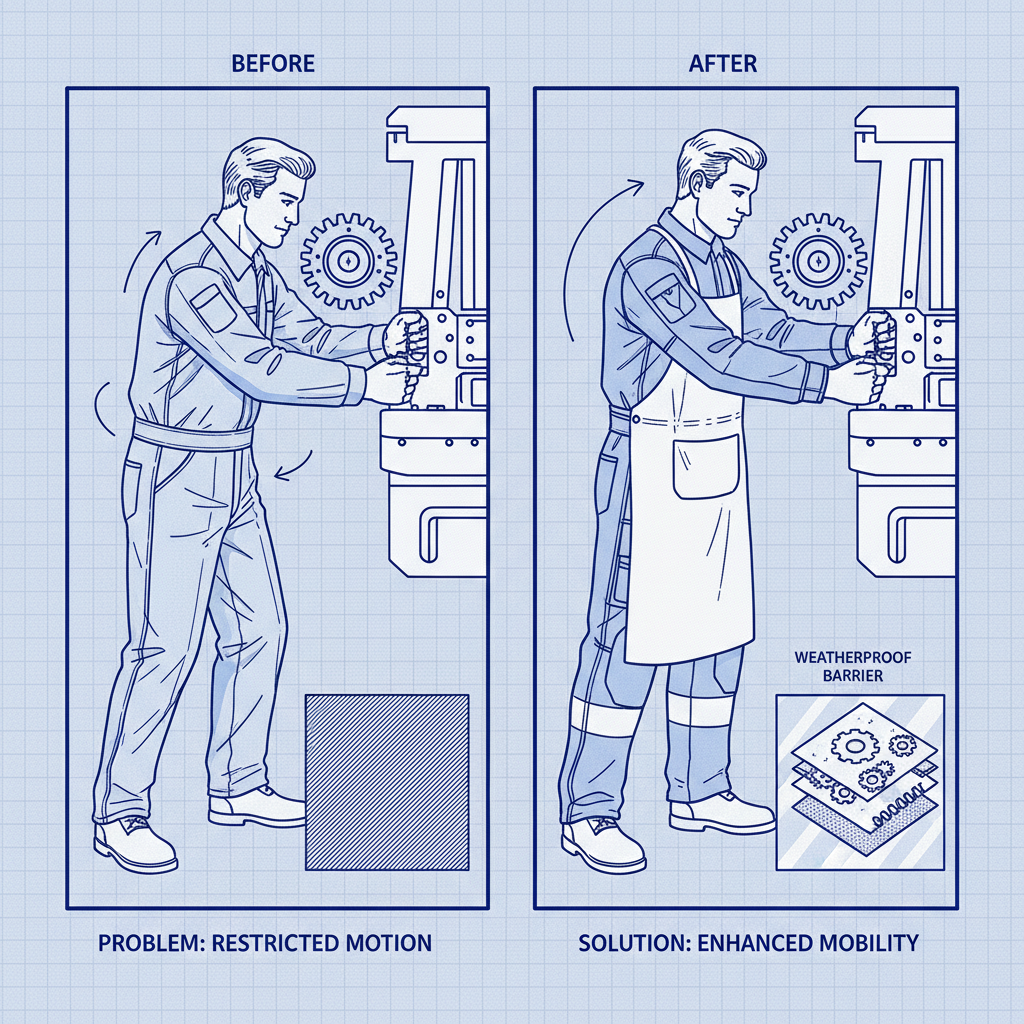
The material usually leans on a blend that offers durability but also flexibility—because frankly, you don’t want stiff, crackly gear when you’re climbing ladders or hauling equipment. That polyurethane coating? It’s the magic that keeps water out while still letting some breathability sneak through. Without this, workers’ sweat would be trapped inside, turning a supposedly “waterproof” coat into a sauna.
Seam sealing is another critical factor often overlooked by those new to industrial wear specifics. Full seam sealing—using taping or welding—ensures there is no leakage through stitch holes. I can’t stress enough how many times I’ve seen companies skimp at this point only to have coats leak within weeks of use.
Insulation is where you can customize. If you’re working in a mild climate, a thinner liner or none at all might suffice. But in places like the North Sea or Canada’s oil sands, that removable thermal liner can be a lifesaver. Also, reflective elements aren’t just for show—they enhance visibility during off-hours or in fog, pretty important when safety is always the priority.
Speaking of suppliers, there are some notable industry players each with their strengths. Here’s a quick comparison I’ve put together:
| Vendor | Waterproof Rating | Price Range | Customization Options |
|---|---|---|---|
| SoftShell Clothing | 10,000 mm | $$ | Thermal linings, reflective strips, bespoke sizing |
| Industrial Gear Co. | 8,000 mm | $ | Limited color choices, no liner |
| ProSafe Apparel | 12,000 mm | $$$ | Advanced thermal, high-vis zones, custom branding |
From my experience, SoftShell Clothing strikes a nice balance between performance and price. I once recommended their trench coats on a site where the weather was notoriously unpredictable. The workers reported staying dry and comfortable over entire shifts — no small feat. They liked the modular liner too; swapping it in and out depending on the season saved money and hassle.
Frankly, no single trench coat will match every need in our multifaceted industrial world, but choosing wisely pays off. It’s often the difference between a good day’s work and a miserable slog. If you get the fit and features right, that coat can feel like a second skin.
For those wondering about longevity: these coats typically last several seasons if properly cared for. I advise clients to follow the manufacturer’s washing instructions closely—because a heavy detergent or excessive heat can degrade waterproof coatings prematurely.
In closing, if your work environment exposes you to wet conditions regularly, investing in a reliable waterproof trench coat isn’t just practical—it’s essential. It’s more than clothing; it’s part of your safety gear, your comfort armor, your silent coworker in the rain.
Keep dry out there, and remember: the right gear makes all the difference.
Quick Takeaway: A truly waterproof trench coat blends smart materials, solid construction, and customizable features to keep industrial workers safe and comfortable in harsh conditions.
- ISO 811: Textile waterproof testing standard
- OSHA guidelines on protective clothing
- Field reports from North Sea offshore maintenance teams