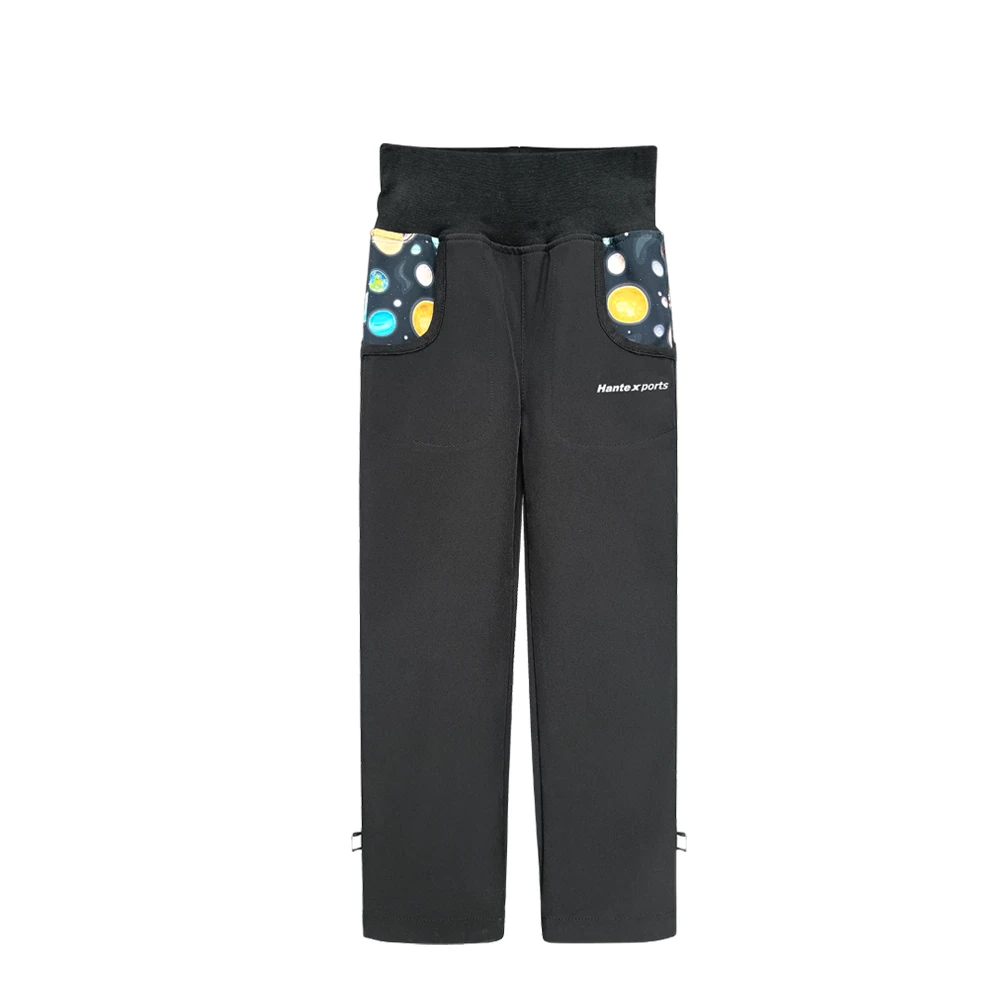
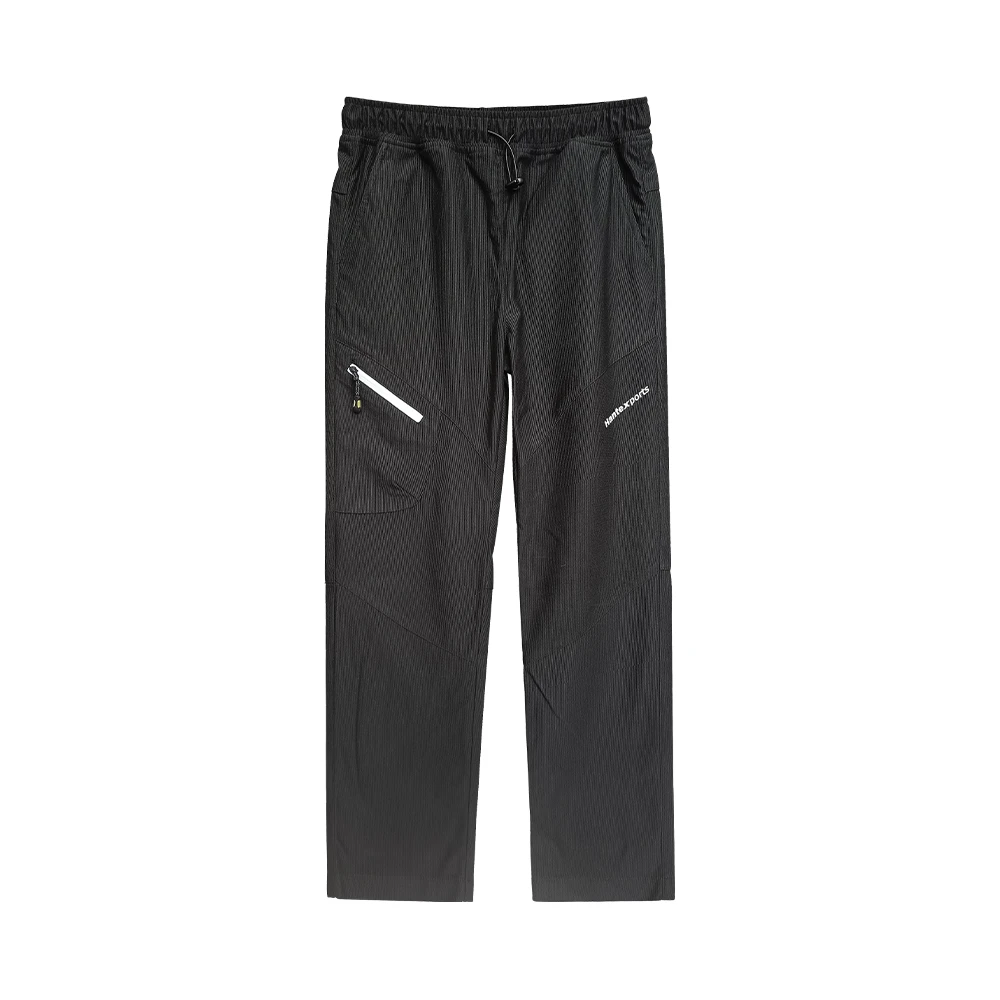
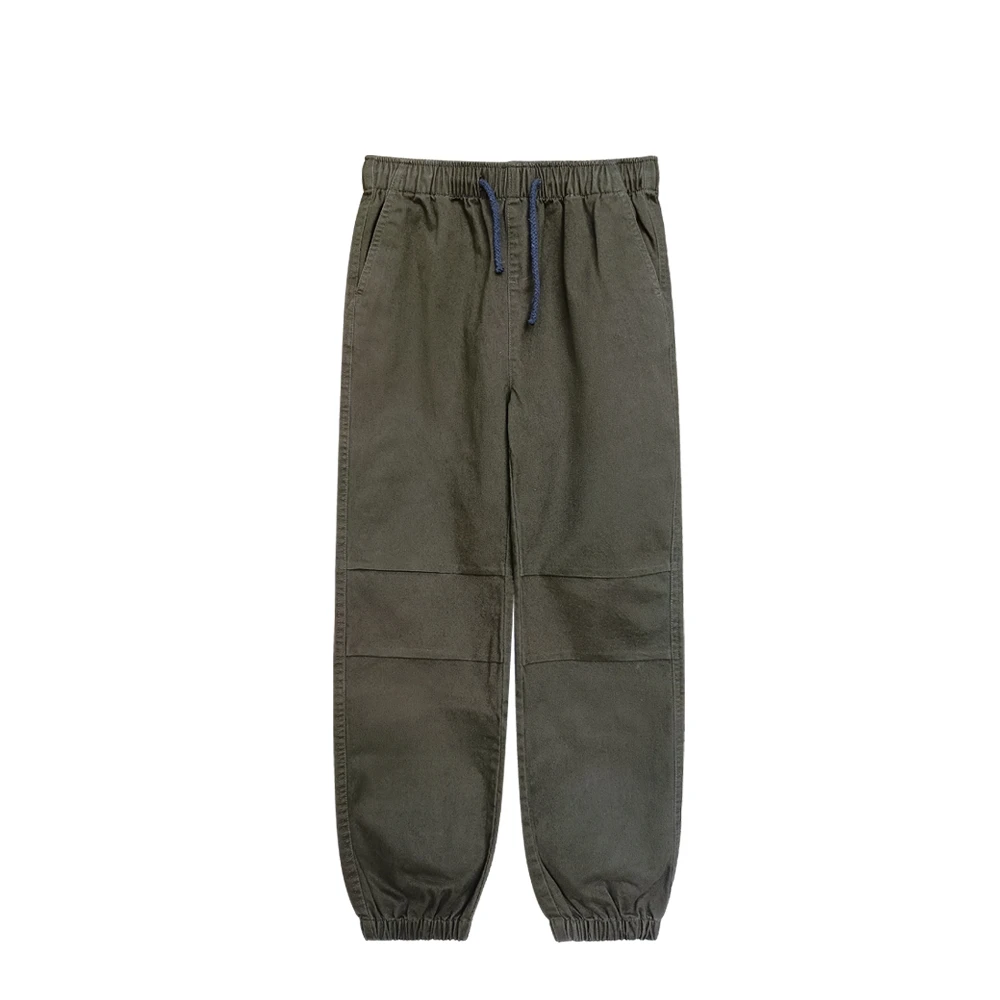
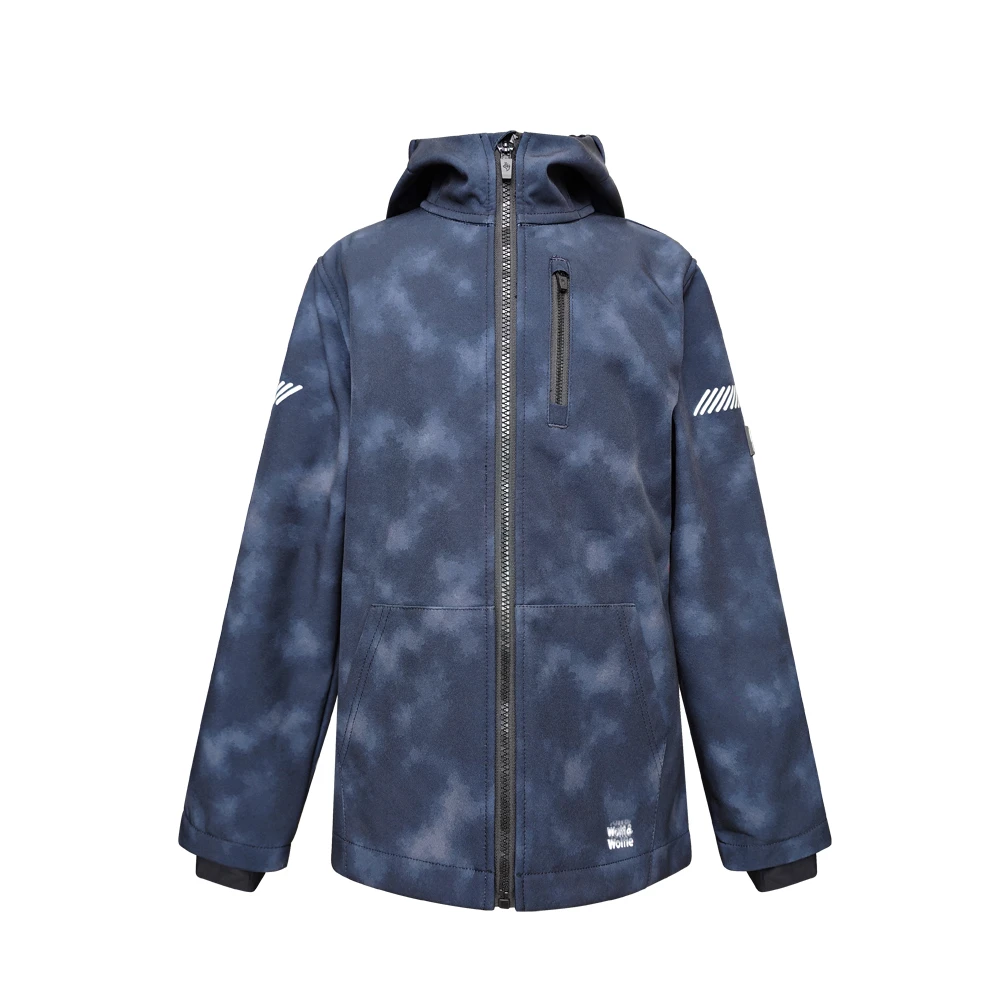
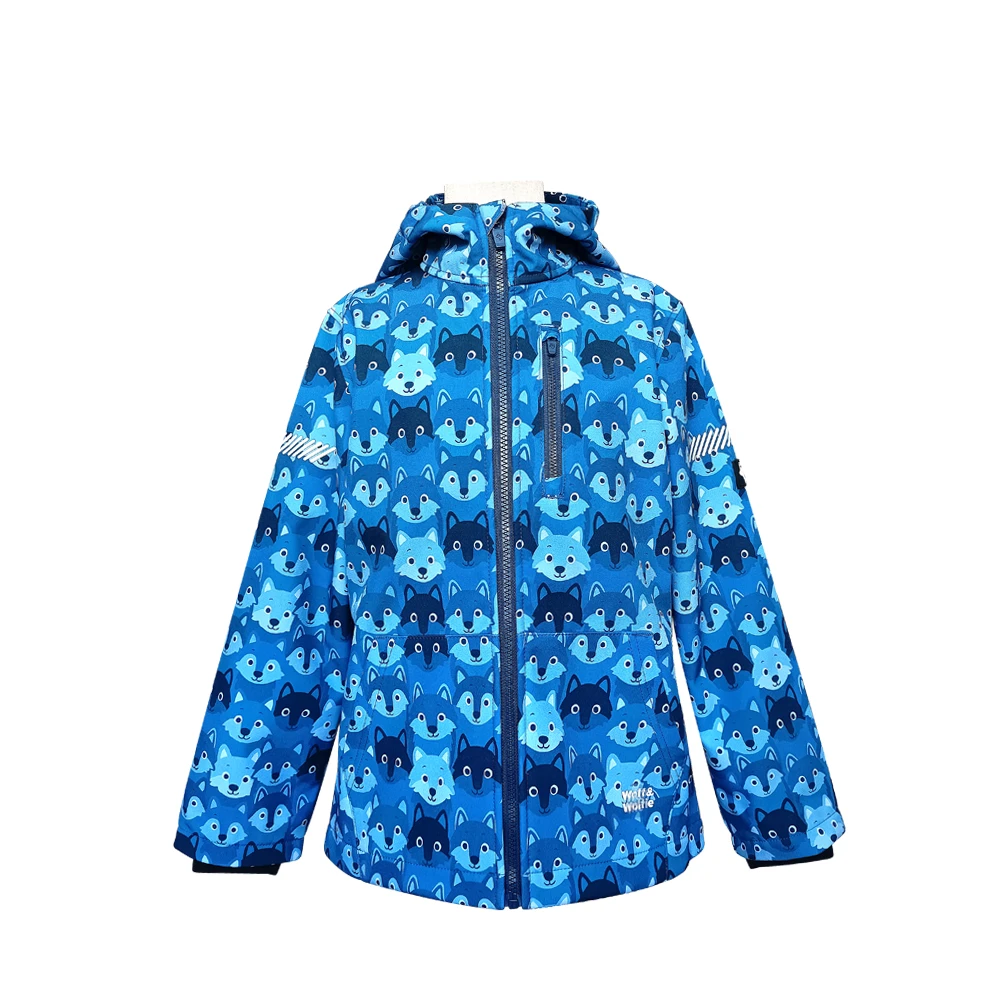
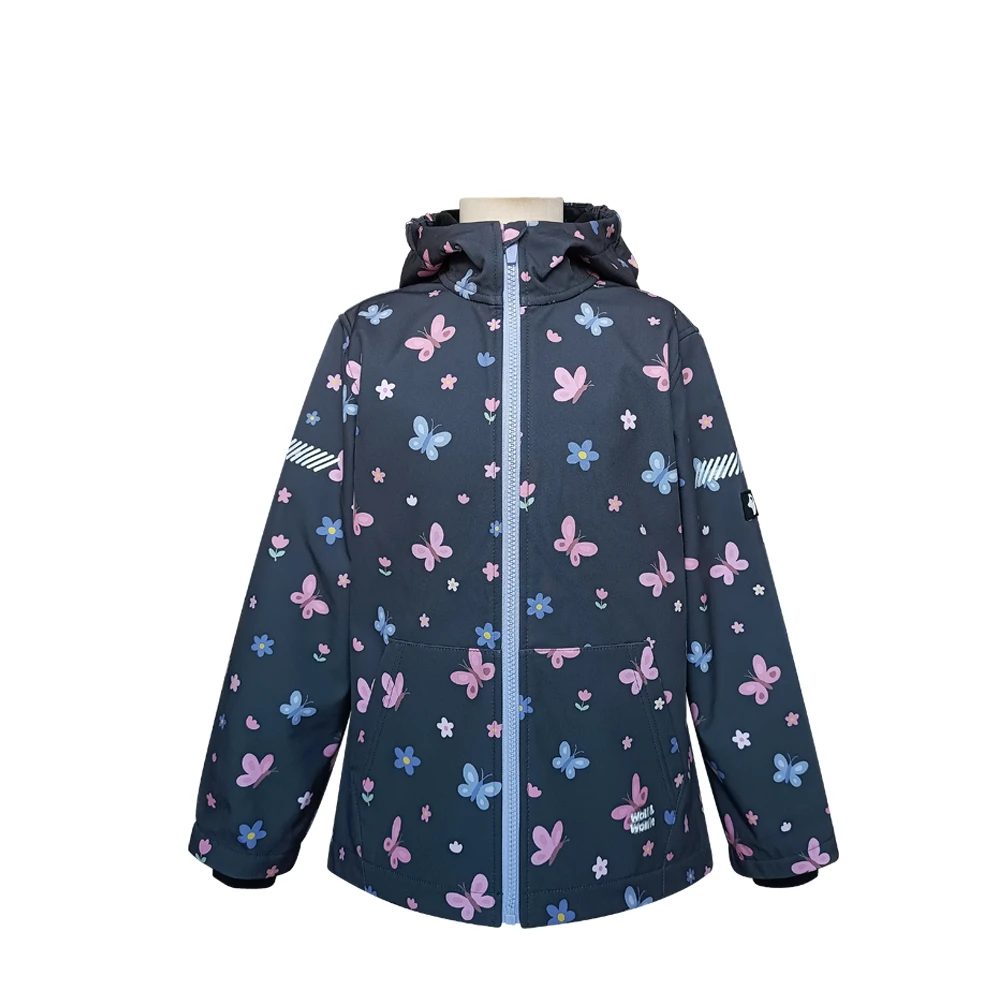
Understanding the Ladies Waterproof Coat: A Practical Essential for Worldwide Wear
When you think about your wardrobe staples, a ladies waterproof coat might seem like just another item — but it’s really so much more. In today’s global climate—literally and metaphorically—it plays a crucial role in protecting millions from unpredictable weather conditions. As climates shift and outdoor lifestyles grow, understanding this garment’s design, benefits, and impact becomes increasingly important for both consumers and industries worldwide. So, why exactly does a ladies waterproof coat matter? What makes it stand out in the realm of outerwear? Let’s unpack that.
Why Ladies Waterproof Coats Are Globally Relevant
Weather patterns are growing more erratic. According to the Intergovernmental Panel on Climate Change, regions across the globe are facing intensified storms and rainfall. That makes reliable waterproof gear indispensable, especially for women who want comfort, function, and style all in one. The World Bank estimates that in humid or rainy zones, the use of waterproof apparel can reduce health risks associated with prolonged exposure to wet conditions.1 On top of that, industries from outdoor recreation to humanitarian aid depend heavily on durable waterproof clothing for women, emphasizing not only survival but dignity and mobility. The ladies waterproof coat is not just about staying dry—it’s about empowerment.
What Is a Ladies Waterproof Coat?
At its core, a ladies waterproof coat is an outer garment specially engineered to repel rainwater while remaining breathable and comfortable. Unlike simple rain jackets, these coats often integrate advanced membrane technologies (like Gore-Tex or proprietary waterproof-breathable fabrics) that prevent water from entering but allow sweat vapor to escape. This makes them ideal not only for urban commutes but also serious outdoor conditions. The focus on ladies’ designs taps into anatomical fit, style preferences, and multifunctionality.
In modern industry terms, these coats bridge fashion with function—vital for everything from city life to disaster relief efforts. For NGOs working in tropical or flood-prone zones, distributing quality ladies waterproof coats uplifts women’s health and mobility, a connection often underestimated.
Key Factors of an Effective Ladies Waterproof Coat
Durability
Durability is the backbone of a waterproof coat’s value. Look for robust seam taping, abrasion-resistant fabrics, and sturdy zippers. Many modern coats use ripstop nylon or polyester, which fend off tears even in rugged conditions.
Waterproof Technology
Membranes and coatings—like polyurethane (PU), polyvinyl chloride (PVC), or advanced breathable layers—make the difference. A coat’s waterproof rating is measured in millimeters of water column resistance; 10,000 mm is generally a solid minimum for everyday rain protection.
Breathability
Staying dry inside is just as important as keeping water out. Breathability ratings, often given as grams of water vapor transmittance per square meter per day, indicate how well the coat allows sweat vapor to escape, reducing clamminess.
Comfort & Fit
Women’s coats need ergonomic tailoring—things like articulated sleeves and adjustable cuffs ensure freedom of movement. Even small adjustments, like stowable hoods or chin guards, improve usability.
Eco-Friendliness
Increasingly, waterproof coats incorporate recycled materials or PFC-free (perfluorinated chemicals) water repellents. This shift is crucial as the fashion industry seeks sustainability without sacrificing performance.
| Feature | Specification | Notes |
|---|---|---|
| Waterproof Rating | 15,000 mm H2O | Suitable for heavy rain |
| Breathability | 10,000 g/m²/24hr | High moisture vapor release |
| Material | Recycled polyester ripstop | Eco-friendly outer shell |
| Seam Sealing | Fully taped | Prevents water ingress at seams |
| Fit | Slim with adjustable waist | Women-specific tailoring |
Mini takeaway: The perfect ladies waterproof coat is a blend of durability, technical fabric, and thoughtful fit—elements that marry style with serious weather protection.
Global Applications and Use Cases
From the slick streets of London’s wet fall to the monsoon climates of Southeast Asia, waterproof coats for women are vital. Outdoor professionals—think ecologists, photographers, hikers—rely on technical coats to stay dry and comfortable during long field days. Humanitarian organizations, such as the Red Cross and Médecins Sans Frontières, distribute waterproof coats to displaced women in flood-affected regions, ensuring they maintain dignity and warmth in tough conditions.
Industrial zones with wet environments—maritime docks, construction sites—also benefit substantially. Often, the needs of female workers are overshadowed by generic “one-size-fits-all” gear, but the rise of ladies waterproof coat ranges reflects a growing recognition of inclusive design.
ladies waterproof coat products have also carved a niche in the fashion world, where stylish yet functional design merges with urban demand for rainwear. Oddly enough, this fusion has accelerated interest in sustainable waterproof materials, since consumers don’t want to sacrifice ethics for looks.
Advantages & Long-Term Value
- Cost Efficiency: Though initial prices are higher, long-lasting materials and repairability offset frequent replacements.
- Sustainability: Use of recycled fabrics and greener chemical treatments reduce environmental footprints.
- Safety & Comfort: Dryness means less illness risk, plus psychological comfort during bad weather.
- Social Impact: Empowering women universally with weather-ready apparel supports mobility and opportunity.
- Innovation Trust: Cutting-edge fabric tech offers reliability that older rainwear just can’t match.
Future Trends & Innovations
Technology is moving fast. New bio-based and biodegradable membranes promise to replace traditional waterproof coatings that often rely on PFAS (per- and polyfluoroalkyl substances), which can linger in the environment. Digital pattern-cutting and AI-driven fit customization are appearing too, promising coats tailored exactly to individual body shapes and movement patterns.
Green energy-powered textile manufacturing is another trend—factories increasingly harness solar or wind power for sustainable production. The ladies waterproof coat of tomorrow might even integrate wearable sensors that manage internal temperature or moisture levels dynamically.
Challenges & Solutions
The biggest challenges? Balancing full waterproof protection with breathability, keeping production eco-conscious without pushing costs too high, and ensuring accessibility for all income levels. Some critics note that many waterproof coats sacrifice aesthetics for function or vice versa. The solution lies in tech innovation paired with attentive design, which is why several startups and established brands alike now include customer feedback loops early in development.
| Brand | Waterproof Rating | Eco Initiatives | Price Range | Notable Features |
|---|---|---|---|---|
| AquaShield | 20,000 mm | Recycled materials, PFC-free | $$$ | Adjustable fit, reflective accents |
| EcoRain | 10,000 mm | 100% organic fabrics | $$ | Biodegradable membrane |
| StormFlex | 12,000 mm | Partial recycled content | $$$ | Lightweight, packable design |
FAQ: Frequently Asked Questions About Ladies Waterproof Coats
- What should I look for in a ladies waterproof coat for everyday city use?
- Focus on a waterproof rating of at least 10,000 mm for reliable protection against showers, breathable fabric for comfort during commutes, and a sleek design that suits both casual and office wear.
- Are eco-friendly ladies waterproof coats as durable as conventional ones?
- Many eco-friendly coats use recycled or organic materials that meet industry durability standards. However, you might find slight variations in texture or weight, so check reviews and warranty info before purchase.
- Can a ladies waterproof coat be used year-round?
- Yes, especially if it has adjustable ventilation, removable liners, or layering capabilities. Lightweight coats work well in spring and fall, while insulated versions handle colder months.
- How do you clean and maintain a ladies waterproof coat to keep its efficacy?
- Use gentle detergents specifically for waterproof garments. Avoid fabric softeners and regular washing can degrade coatings, so rinse after heavy use and reapply waterproof treatments periodically.
Conclusion
The ladies waterproof coat is one of those garments that quietly but firmly changes lives. Beyond shielding from rain, it empowers women globally — whether they’re trekking across wet terrain, commuting through drizzles, or rebuilding communities post-disaster. Understanding its core features and future directions helps us make smarter choices about quality, sustainability, and style. Curious to explore your options? Visit our website: https://www.softshell-clothing.com to discover a collection tailored to weather and woman alike.
Oddly enough, it’s rare how something as simple as a waterproof coat can be so complex, influential, and even hopeful when you look under the surface.
References: