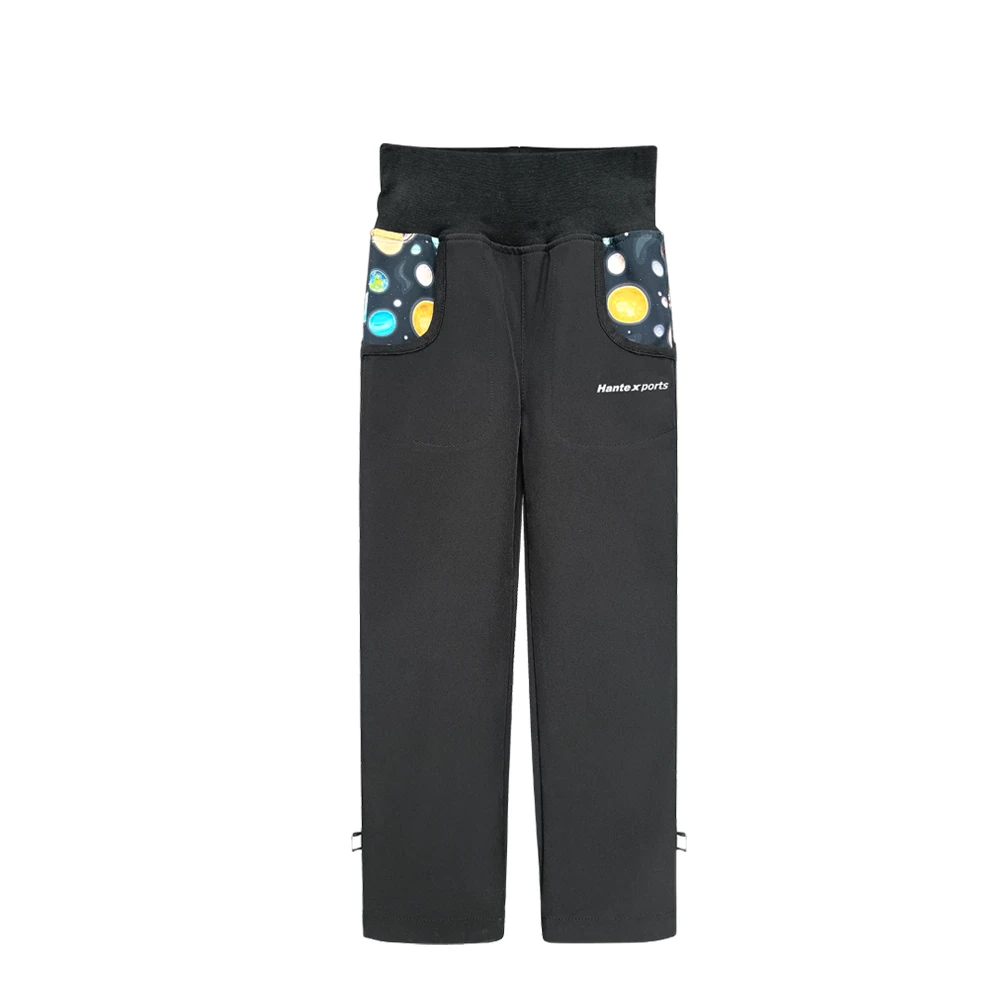
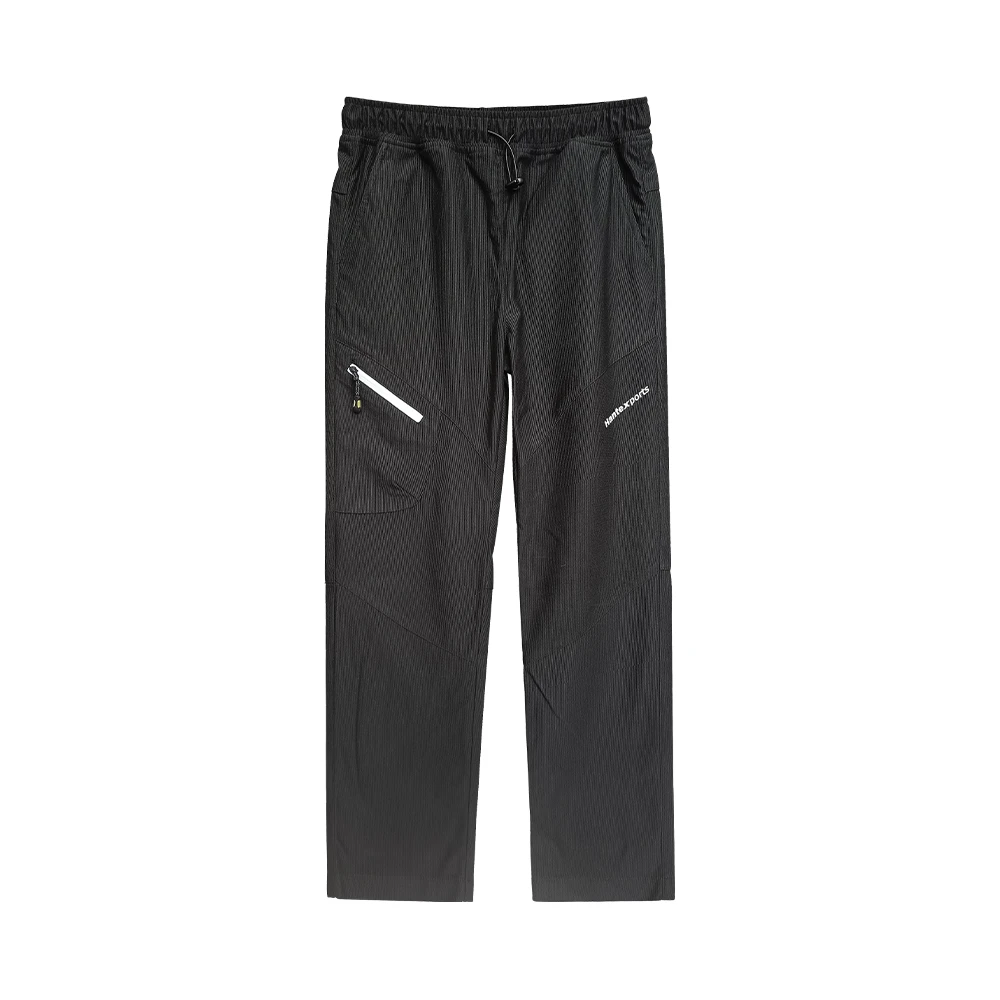
Softshell Pant: The Essential Gear for Modern Outdoor and Industrial Needs
Softshell pants have quietly become the unsung heroes of outdoor wear and industrial apparel alike. While they might seem like just another type of trousers, these garments blend technology, comfort, and practicality in ways that matter — from mountaineers braving unpredictable weather to humanitarian workers operating in rough terrain. Understanding softshell pants isn’t just for outdoor enthusiasts; it’s important globally as these garments address climate challenges and evolving work conditions worldwide.
Why Softshell Pants Matter Globally
Softshell pants are no niche item anymore. According to data from the United Nations Environment Programme, the global outdoor apparel market is forecasted to grow steadily, spurred by increased awareness of climate adaptability and health. Meanwhile, industries operating in harsh environments — mining, forestry, emergency relief — need durable yet breathable clothing solutions that protect workers while allowing freedom of movement.
Yet, many people still struggle with bulky, uncomfortable gear, especially when rapid deployment or prolonged wear is required. That’s where softshell pants come in: lightweight, protective, and flexible, they address a very real challenge of balancing comfort with functionality on a global scale.
Mini takeaway: Softshell pants blend modern textile technology with practical use cases worldwide, solving a key problem: how to stay protected and agile outdoors or on the job.
What Exactly Is a Softshell Pant?
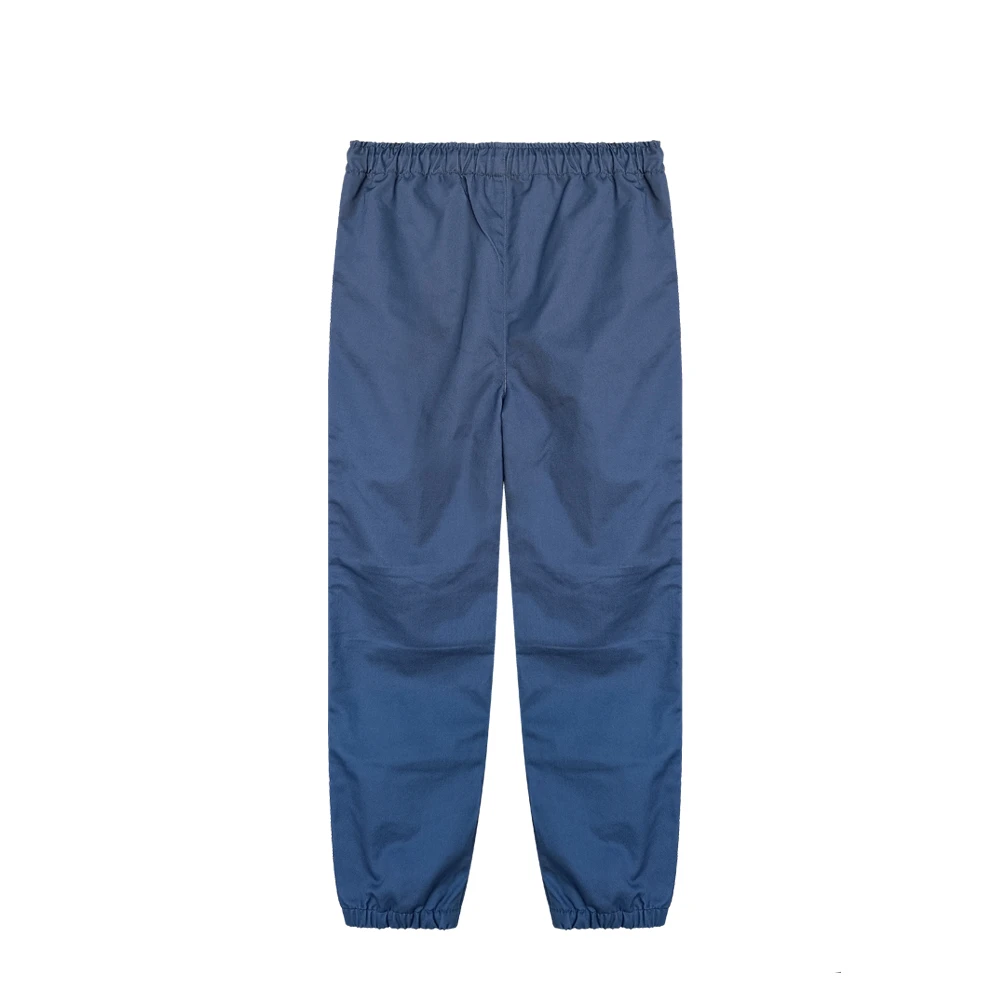
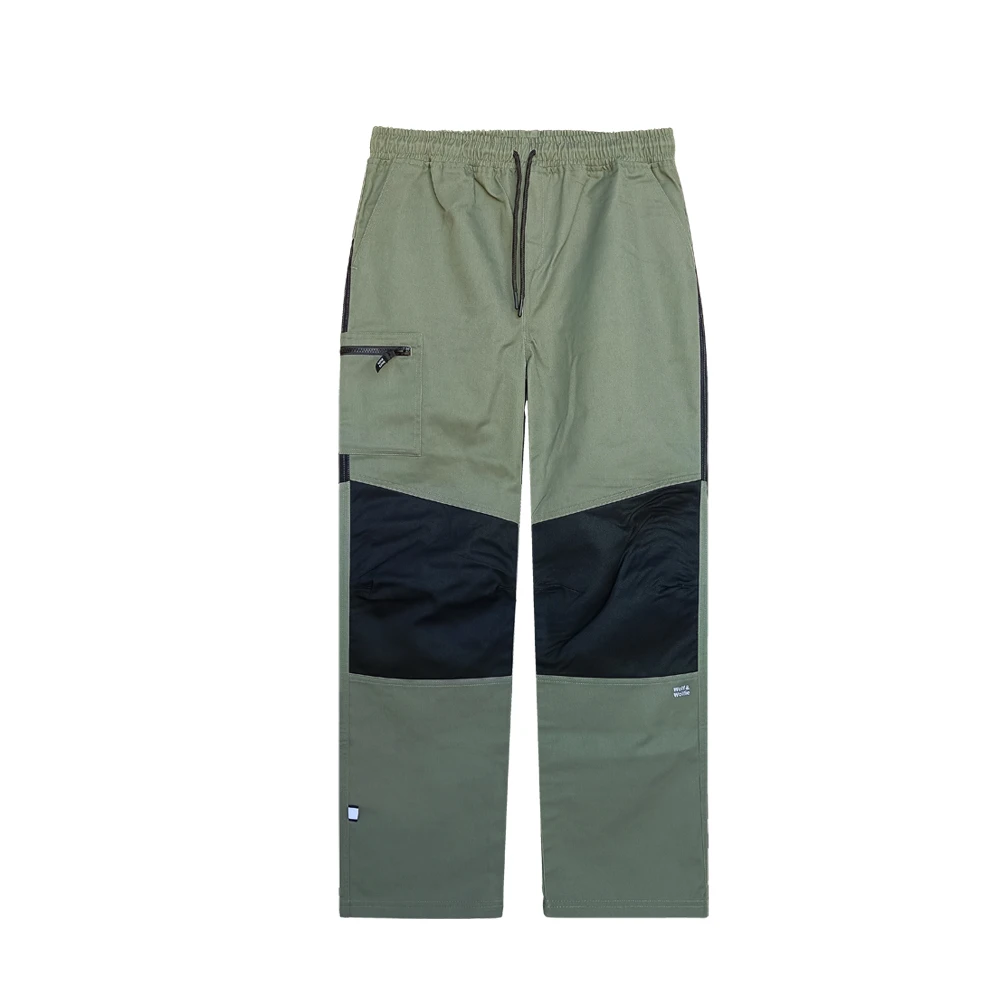
At its core, a softshell pant is a type of functional outerwear made from woven material that provides wind resistance, water repellency, and high breathability. Unlike traditional waterproof garments that often rely on rigid membranes and heavy coatings, softshell fabrics strike a balance between protection and comfort, allowing for good flexibility and moisture management.
Softshell pants tend to have a rugged yet stretchable face fabric combined with a soft inner lining, often fleece or brushed knit, making them not only practical but also cozy.
Industrially, these pants serve humanitarian needs like disaster relief teams needing quick-mobility clothing and environmental researchers working in extreme climates. Frankly, they’re a key gear item for anyone facing unpredictable weather or rigorous activity.
Key Features That Make Softshell Pants Stand Out
Durability
The outer fabric is typically engineered with woven nylon or polyester, sometimes reinforced with ripstop patterns or blends that resist tears and abrasion. This makes softshell pants perfect for rough terrains where other fabrics would fail. In fact, many manufacturers run extensive abrasion resistance tests to meet ISO 12947 standards.
Breathability & Comfort
Unlike classic waterproof shells, softshell pants allow sweat vapor to escape, thanks to their microporous fabric structure. This keeps the wearer dry from the inside out — a quality that’s especially crucial during activities like hiking or rescue operations where overheating can be dangerous.
Water Resistance & Wind Protection
While not typically fully waterproof, softshell pants offer excellent water repellency through Durable Water Repellent (DWR) coatings, and effective wind-proofing via tightly woven fabric layers. This makes them a practical choice in misty or windy conditions without the bulk of more rigid gear.
Stretch & Fit
Because they are often blended with elastane or spandex fibers, softshell pants provide a natural stretch that accommodates a wide range of motion. That’s a reason why climbers and industrial workers alike praise their fit and feel.
Easy Care & Maintenance
Softshell pants are generally machine washable and quick-drying, which is a lifesaver in field operations or prolonged trips where laundry options are limited.
Product Specification Table
| Specification | Details |
|---|---|
| Material | Nylon/Polyester blend with Elastane |
| Weight | 350-450 g/m² |
| Water Resistance | DWR Coating (8000 mm rating) |
| Windproof Level | High (tight weave) |
| Stretch | 4-way stretch elastane blend |
| Care | Machine washable, quick dry |
Mini takeaway: The magic of softshell pants lies in their balanced design — tough enough to protect, soft enough to move with you, and breathable enough to stay comfortable.
How Softshell Pants Are Used Across the Globe
From the Swiss Alps to Southeast Asia’s disaster zones, softshell pants are trusted by a diverse range of users:
- Outdoor adventurers: Hikers, climbers, and skiers appreciate their weather resistance and mobility.
- Industrial workers: In sectors like construction, mining, and forestry, softshell pants provide protection without sacrificing flexibility.
- Humanitarian aid teams: During post-disaster relief, teams need quick-dry, durable clothing that supports long hours outdoors.
- Wildlife researchers & conservationists: In regions where conditions change quickly (Amazon rainforest, Arctic tundra), these pants offer adaptable protection.
For example, in remote Himalayan villages, NGOs supply softshell pants to field workers who traverse unpredictable terrain — importantly enhancing safety and preserving dignity in harsh climates.
Advantages and Long-Term Value of Softshell Pants
Beyond the clear practical benefits, softshell pants represent a longer-term value proposition:
- Cost efficiency: Their durability reduces the need for frequent replacements, saving organizations and individuals money over time.
- Sustainability: Many manufacturers now focus on recycled materials and sustainable production, diminishing environmental footprints.
- Emotional comfort: Feeling protected yet unrestricted fosters confidence and well-being in demanding situations.
- Reliability: When you depend on your gear for daily work or survival, the trust that softshell pants inspire is huge.
What’s Next? Future Trends and Innovations
Interestingly, the softshell pant market is ripe for innovation. Some developments on the horizon include:
- Smart textiles: Fabrics embedded with sensors to monitor temperature, moisture, or muscular strain.
- Advanced eco-friendly fibers: Bio-based fabrics that offer performance without the carbon cost.
- Improved water resistance treatments: New DWR coatings that last longer and avoid harmful chemicals.
- Modular design: Convertible pants with detachable layers for shifting climates.
As automation and digital transformation infiltrate more industries, even clothing like softshell pants is becoming a point of smart technology integration.
Common Challenges and How Experts Solve Them
Despite their strengths, softshell pants face some issues, such as:
- Limited full waterproof protection: They resist water but aren’t suited for prolonged heavy rain. Many solve this by layering with waterproof shells.
- Cost barriers: High-quality softshell pants can be pricey upfront — though long-term savings offset this.
- Fit variation: Sizing can vary widely by brand, challenging bulk procurement projects.
Industry experts recommend field testing with end-user feedback, combining softshell pants with complementary gear, and pushing for standard fit guidelines to overcome these hurdles.
Vendor Comparison: Choosing the Right Softshell Pant Provider
| Vendor | Price Range | Sustainability | Special Features | Global Reach |
|---|---|---|---|---|
| Alpha Outdoor Gear | $120–$180 | Recycled fabrics, PFC-free DWR | Integrated knee padding, adjustable cuffs | Europe, North America |
| Summit Pro Apparel | $100–$160 | Organic cotton blends, low-impact dyes | Ultra-flex stretch zones, reflective trims | Asia, South America |
| TerraTech Clothing | $90–$150 | Recycled PET fibers, bluesign certified | Waterproof zippers, modular pockets | Global |
FAQs About Softshell Pants
Q1: Are softshell pants suitable for heavy rain?
A1: Softshell pants are water-resistant rather than fully waterproof. They handle light rain and mist well but are not ideal for prolonged heavy rain. For such conditions, pairing them with a waterproof shell is recommended.
Q2: How do softshell pants differ from hardshell pants?
A2: Softshell pants prioritize breathability, stretch, and comfort, making them ideal for active wear. Hardshell pants focus on maximum waterproofing and windproofing but can be less flexible and breathable.
Q3: Can softshell pants withstand sustained outdoor work?
A3: Many softshell pants are designed for durability and can handle rough outdoor conditions, though features vary between models. Look for reinforced seams, abrasion-resistant fabrics, and proper fit for long-term use.
Q4: Are there eco-friendly options for softshell pants?
A4: Yes, several brands now offer softshell pants made from recycled or organic fibers, using PFC-free water repellents and environmentally conscious manufacturing processes.
Q5: Where can I purchase quality softshell pants?
A5: High-quality options are available through outdoor specialty stores and certain online retailers — including a good start at softshell pant vendors who specialize in sustainable and durable gear.
Conclusion
Softshell pants are more than just apparel — they’re an essential piece of adaptable gear that meets the needs of a rapidly changing world. They offer a winning combination of protection, comfort, and sustainability that serves outdoor lovers, field workers, and humanitarian teams worldwide.
If you’re looking to invest in reliable, flexible pants that perform under varied conditions — while caring about your comfort and the planet — you can’t go wrong with quality softshell pants.
Explore a curated selection of softshell pants designed for today’s challenges at softshell pant and discover gear that moves as you do.