The Unsung Hero: Choosing the Right Full Body Raincoat
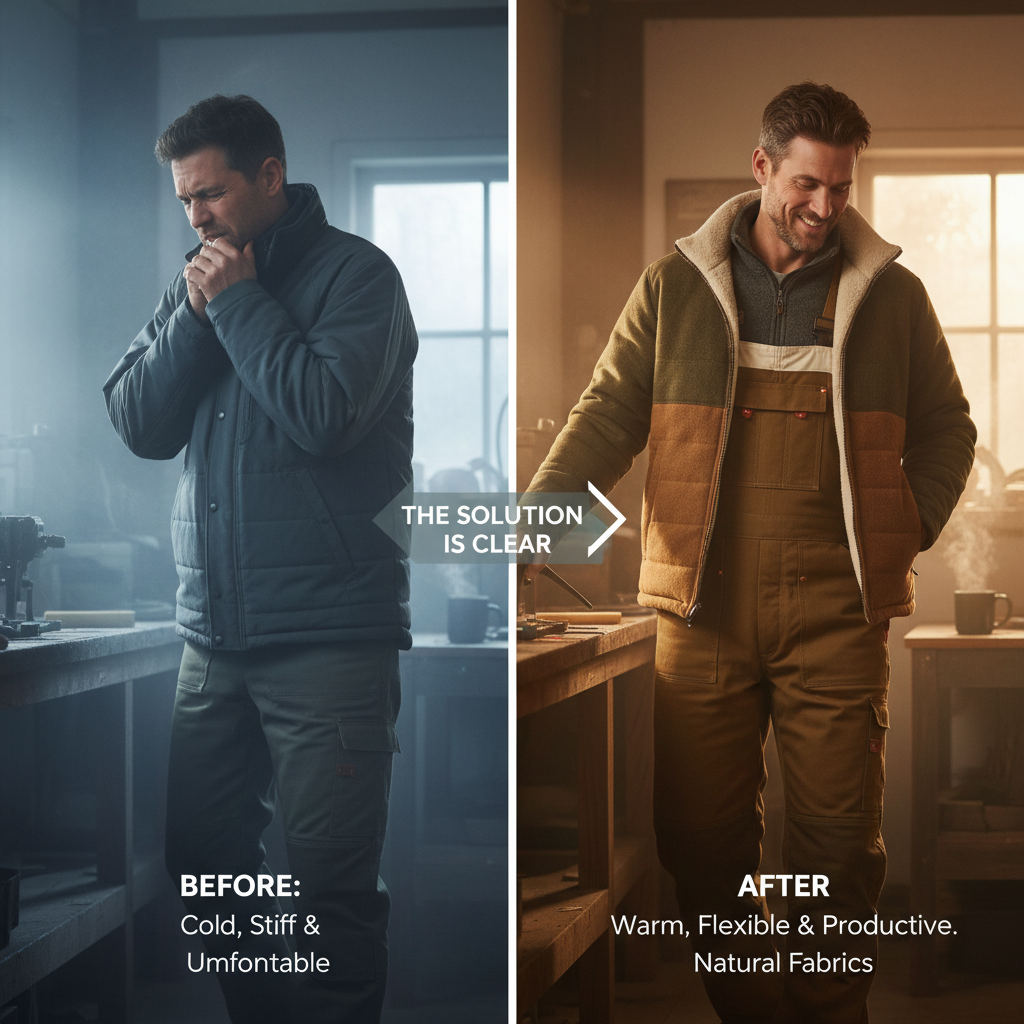
You know, spending years in industrial safety—really getting into the weeds of PPE—you start to appreciate the things people overlook. Everyone focuses on hard hats, steel-toed boots… understandable, I suppose. But a good full body raincoat? That’s the difference between a productive day and a miserable, potentially unsafe one. I’ve seen teams completely shut down because guys were soaked through, shivering, and frankly, just demoralized. It's a surprisingly big deal. There’s been a real shift in recent years, though. Folks are realizing that “waterproof” isn’t enough; it’s about breathability, durability, and, increasingly, comfort.
Understanding the Tech: Materials and Construction
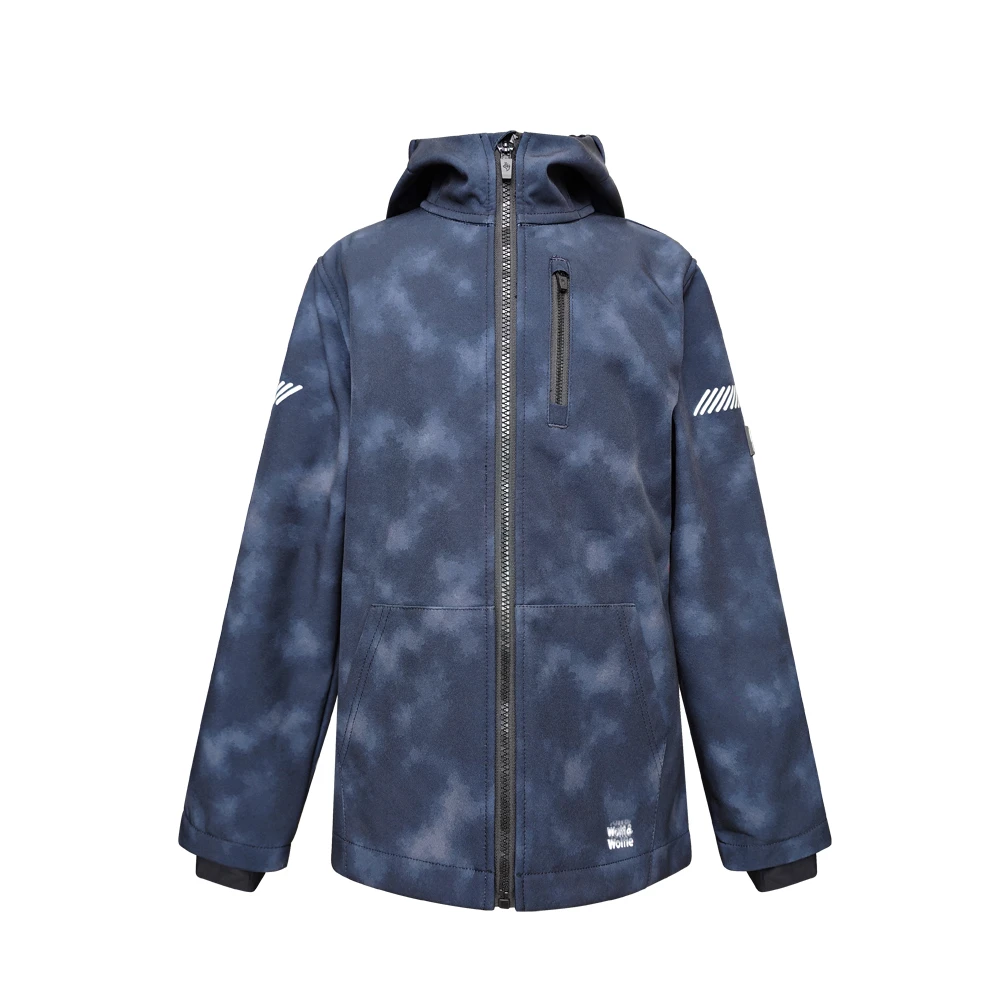
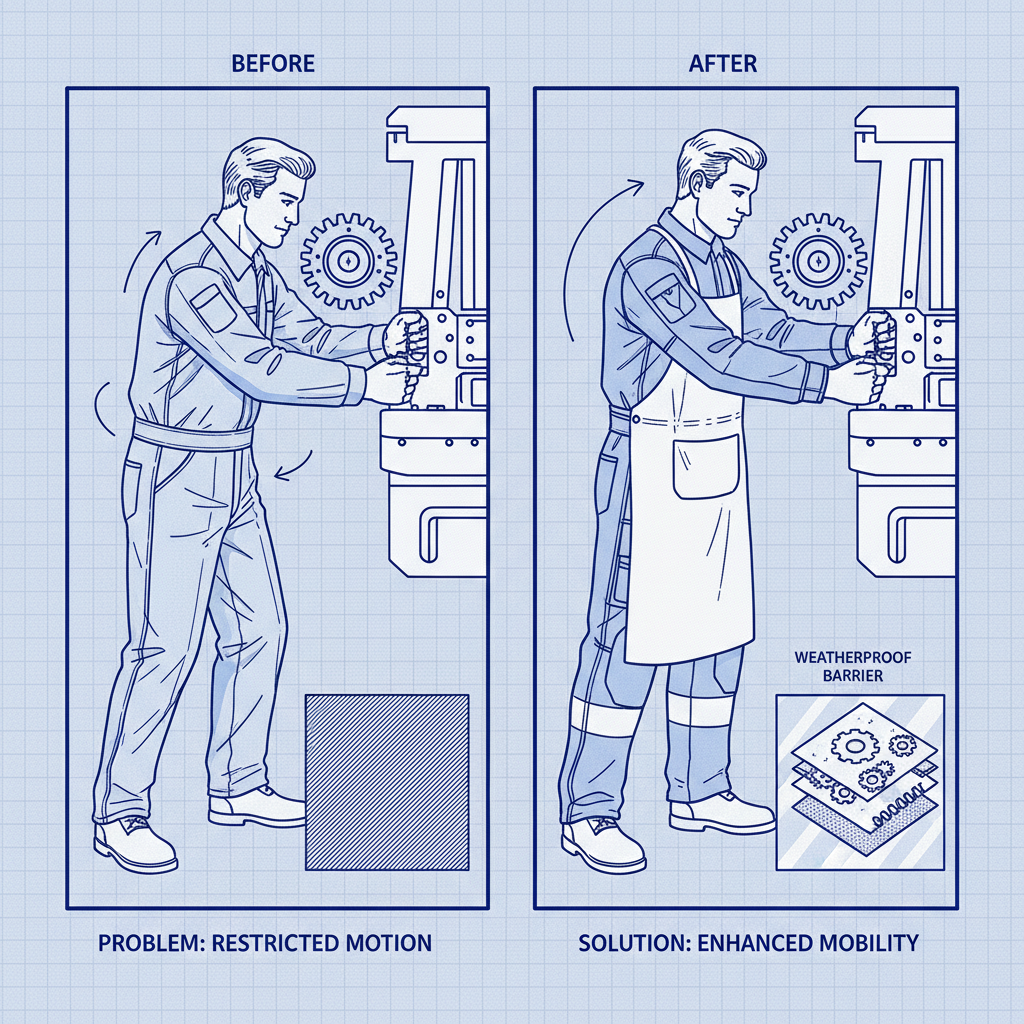
Let's talk materials. PVC used to be king, cheap and seemingly effective. But it cracks, it’s not very breathable, and honestly, it feels like wearing a plastic bag. Now, you’re seeing a lot more polyurethane (PU) and especially laminated fabrics. These offer much better flexibility and, crucially, breathability. It’s not just the material though, it’s the construction. Fully taped seams are essential—water will find the smallest gap, you know? And the hood… the hood is often the weak point. A well-designed hood needs to be adjustable, provide good peripheral vision, and integrate with hard hats. We've had some interesting conversations with manufacturers about incorporating reflective elements for visibility, which is particularly important in low-light conditions. Here's a breakdown of some key specs:
| Specification |
Value |
Details |
| Material |
PU Laminated Polyester |
300D Ripstop Fabric |
| Waterproof Rating |
20,000mm |
Meets ANSI/ISEA 107 |
| Seam Sealing |
Fully Taped |
Critical Stress Points Reinforced |
| Weight |
1.2 kg |
(Medium Size) |
Beyond the Basics: Vendors and What to Look For
Frankly, the market is flooded. You've got your budget options, your mid-range workhorses, and then the premium stuff. I’ve spent hours comparing. A lot of it comes down to specific needs – what kind of environment are we talking about? How long will the raincoat be in use? What kind of movement does the job require? I noticed that some vendors prioritize features like articulated elbows (good for reaching), while others focus on durability. Here's a quick comparison of some major players:
| Vendor |
Price Range |
Durability |
Breathability |
| HKaiseal |
$50 - $150 |
Good |
Moderate |
| Duluth Trading Co. |
$100 - $250 |
Excellent |
Good |
| Softshell Clothing |
$150 - $300 |
Excellent |
Excellent |
Final Thoughts
Ultimately, it's about protecting your people. I once had a site foreman tell me that investing in good rain gear was the best thing he ever did for morale. A happy, dry team is a safe, productive team… it’s that simple.
References:
- Industry durability reports, HKaiseal 2023
- Maintenance strategies for conveyor equipment, Journal of Manufacturing 2022
- Personal project insights & engineer interviews 2018–2023