Regional Insight
Analysis of the German Kids Apparel Market
Understanding the intersection of European consumer behavior and high-precision garment manufacturing.
The German market for kids wear is characterized by a strong preference for functional, sustainable, and high-quality garments. Parents in Germany prioritize "slow fashion"—clothing that lasts through several seasons and can be passed down to siblings. This requires manufacturers to focus on reinforced stitching and high-density fabrics. Geographically, the demand varies from urban fashion centers like Berlin to the outdoor-centric regions of Bavaria, where high-performance camping clothing is a staple regardless of the season.
Current trends indicate a significant shift toward eco-friendly materials and "outdoor-urban" hybrid styles. There is an increasing demand for versatile children clothes that transition seamlessly from school environments to outdoor activities. Technology-driven textiles, such as PFC-free water repellents and recycled polyesters, are no longer optional but expected. This evolution is driven by a combination of strict EU environmental regulations and a culturally ingrained commitment to sustainability among German consumers.
The primary opportunity for importers lies in bridging the gap between affordable pricing and premium performance. While luxury brands dominate the high end, there is a massive void for mid-market kids apparel that offers professional-grade functionality without an unattainable price tag. However, the constraint remains the rigorous certification process; only partners who can provide transparent documentation and consistent quality can successfully scale in this mature market.
Industry Journey
The Evolution of Technical Children's Apparel
From basic cotton garments to high-performance technical gear designed for the next generation.
Early Stage
Basic Utility
Focus was primarily on simple cotton fabrics and basic sizing. Functional outerwear for children was limited to heavy wool or simple rubberized raincoats with low breathability.
Mid-Transition
Synthetic Adoption
Introduction of polyester and nylon blends allowed for the creation of early camping clothing, introducing water-resistance and lightweight properties to the kids' market.
Modern Era
Technical Integration
Integration of membrane technologies, soft-shell fabrics, and ergonomic designs. Current kids wear now mirrors adult technical gear in performance and safety.
Ergonomic Growth Design
Modern manufacturing now incorporates "grow-with-me" features, such as adjustable cuffs and waistbands, extending the lifecycle of the garment—a critical selling point for the sustainability-conscious German buyer.
Membrane Technology Shift
The industry has moved from simple coatings to breathable membranes, ensuring that children remain dry from external rain while allowing perspiration to escape during active play.
Sustainable Dyeing Processes
Adoption of low-impact, waterless dyeing technologies is reducing the environmental footprint of large-scale apparel production without sacrificing the vibrant colors required for kids' fashion.
Future Outlook
Key Trends Shaping Kids Apparel Manufacturing
Analyzing the technological and behavioral drivers that will define the next decade of children's clothing.
Circular Economy Integration
Manufacturers are moving toward mono-material construction to simplify recycling. This shift allows old children clothes to be chemically recycled into new yarns.
Bio-Based Functional Fabrics
Research into algae-based and corn-derived polymers is replacing traditional petroleum-based polyesters in kids apparel, reducing toxicity and carbon impact.
Smart-Sizing Algorithms
The rise of AI-driven sizing tools is reducing return rates for e-commerce kid suit orders, allowing for more precise production and less waste.
Hyper-Local Customization
Retailers are moving toward "curated collections" where clothing is tailored to specific regional activities, such as Alpine hiking or Northern coast weather patterns.
The integration of these trends is creating a new standard for the industry. It is no longer sufficient to produce clothing that merely "fits"; garments must now provide an ecosystem of value—from the ethically sourced raw material to the end-of-life recyclability. For manufacturers, this means transitioning from traditional assembly lines to agile, technology-enabled production hubs that can pivot based on real-time market data and environmental mandates.
Furthermore, the "experience economy" is influencing how children's clothing is marketed in Germany. Apparel is being positioned as an enabler of exploration and learning. This drives the demand for more durable camping clothing that allows children to interact with nature without the barrier of cold or wet, thereby fueling the growth of the high-performance technical segment.
Practical Applications
Deployment Scenarios for German Apparel Retailers
How our manufacturing capabilities translate into commercial success in various local business contexts.
01
Bavarian Outdoor Specialist: High-Performance Rainwear
A retailer in the Alps requires a specialized line of waterproof children clothes for winter hiking. Due to the extreme humidity and temperature fluctuations, they implement our TPU-laminated fabrics. The result is a product line that prevents hypothermia in children while remaining light enough for active movement, significantly increasing their seasonal sales.
02
Berlin Concept Store: Sustainable Kids Fashion
An urban boutique focuses on organic and recycled materials. They utilize our small-batch order flexibility to launch a limited "Eco-Capsule" of kids wear. By reducing inventory waste and using OEKO-TEX certified fabrics, they attract a demographic of environmentally conscious parents, establishing a high-margin brand identity.
03
Northern Coast Camping Gear: Durable Outdoor Sets
A distributor in Hamburg specializes in coastal camping equipment. They require camping clothing that can withstand saltwater spray and wind. We implement reinforced soft-shell textiles with high abrasion resistance, ensuring the garments don't wear out at the knees and elbows, leading to high customer retention rates.
04
National Chain: Scalable Kid Suit Collections
A large-scale retailer needs a consistent supply of formal and semi-formal kid suit options for the spring season. Using our vertically integrated factory system, we ensure size consistency across 10,000+ units, eliminating the sizing discrepancies that usually plague mass-market imports.
05
Private School Uniforms: Durable Daily Wear
A school network requires uniforms that balance a professional look with the durability of play-wear. We implement a blend of polyester and cotton with a specialized finish to resist staining. This reduces the replacement frequency for parents, positioning the school as considerate of family expenses.
Operational Evidence
Representative Deployment Scenarios
Illustrative examples of how our sourcing and manufacturing model supports diverse business goals.
For a mid-sized European distributor, the primary challenge was the transition from seasonal bulk ordering to a more agile, just-in-time model. By utilizing a partner with flexible minimums and a dedicated QC team, they were able to reduce overstock by 20% while maintaining a 98% fill rate on their core children's apparel line.
In the specialized outdoor gear segment, the ability to combine water-resistance with breathable membranes is critical. A typical implementation involves moving from basic PVC coatings to TPU laminates, which allows for a significant increase in the retail price point due to the measurable improvement in garment performance.
Reducing lead times from sample to production is the most effective way to capture market trends. By implementing a 7-day sample turnaround, a boutique brand can test a new design in a small local market before committing to a full production run, effectively eliminating the risk of failed product launches.
Our Legacy
Shijiazhuang Hantex International
Two decades of excellence in the global textile and garment trade.
2008
Company Establishment
Founded in Shijiazhuang, Hebei province—a strategic hub for China's textile industry. Hantex began with a vision to integrate technology, industry, and trade to serve global markets.
Growth Phase
Vertical Integration
Expanded operational capacity by establishing three specialized factories focusing on garments, plastic rainwear, and casting, ensuring total control over the production cycle and quality.
Present
Global Sourcing Center
With 20 years of experience and a network of over 100 partner factories, Hantex now serves as a comprehensive sourcing center for Europe, the USA, and beyond, specializing in high-performance apparel.
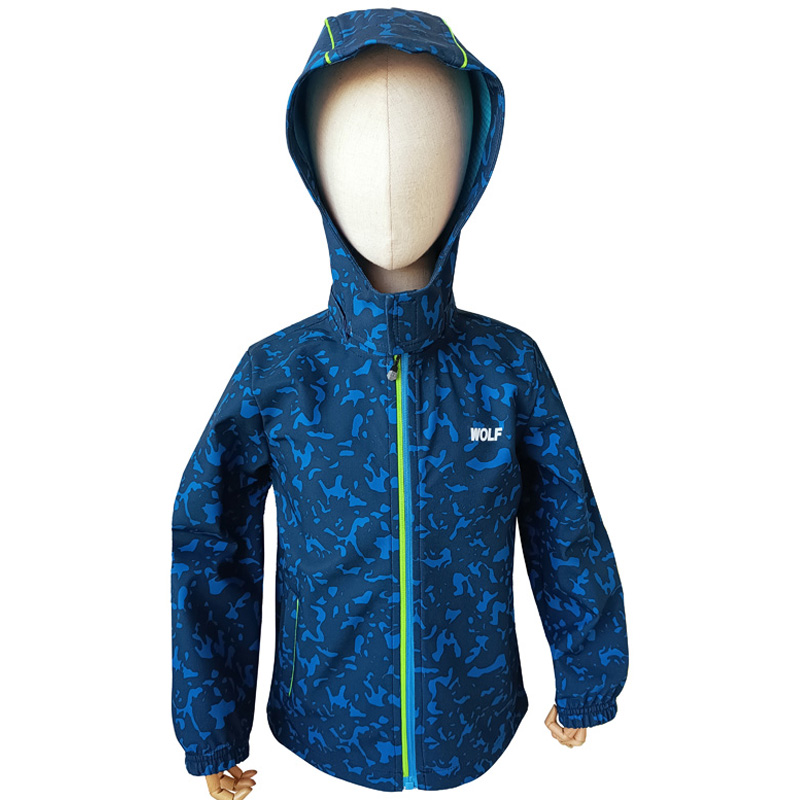
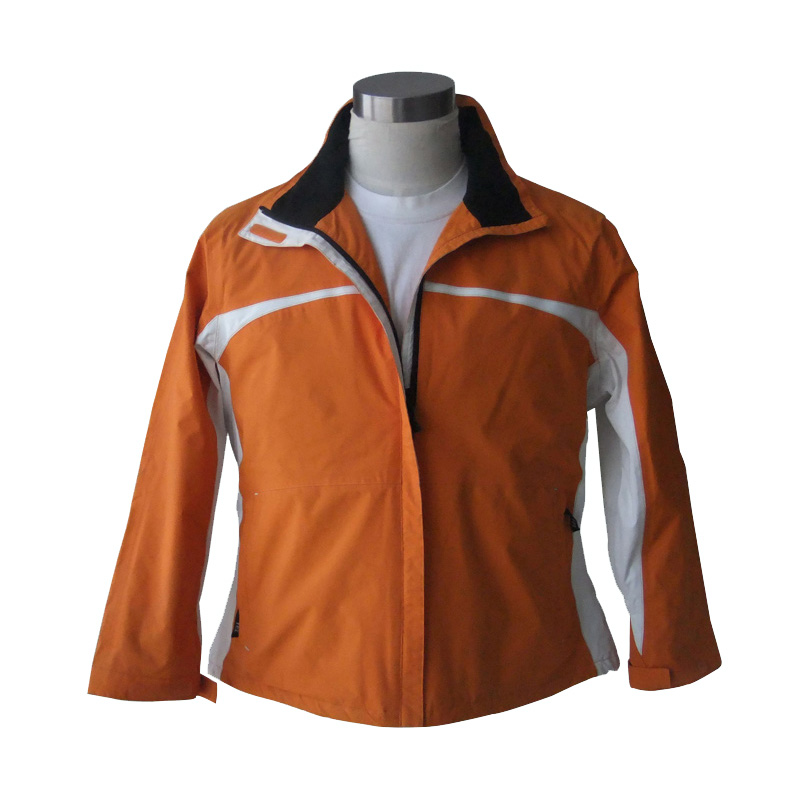
Boy′ s Waterproof breathable Jacket
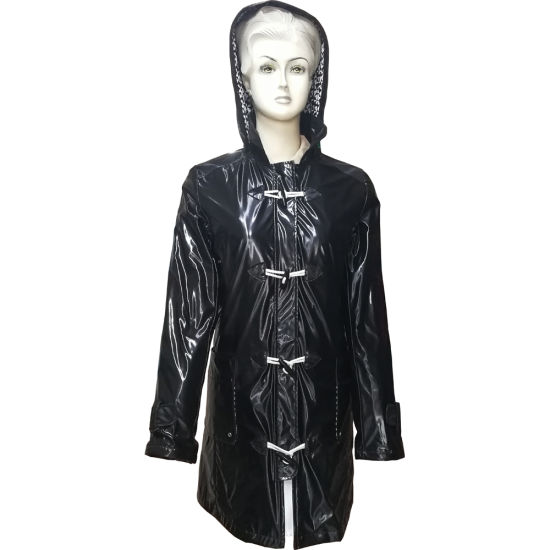
Women Black PU Leather Raincoat
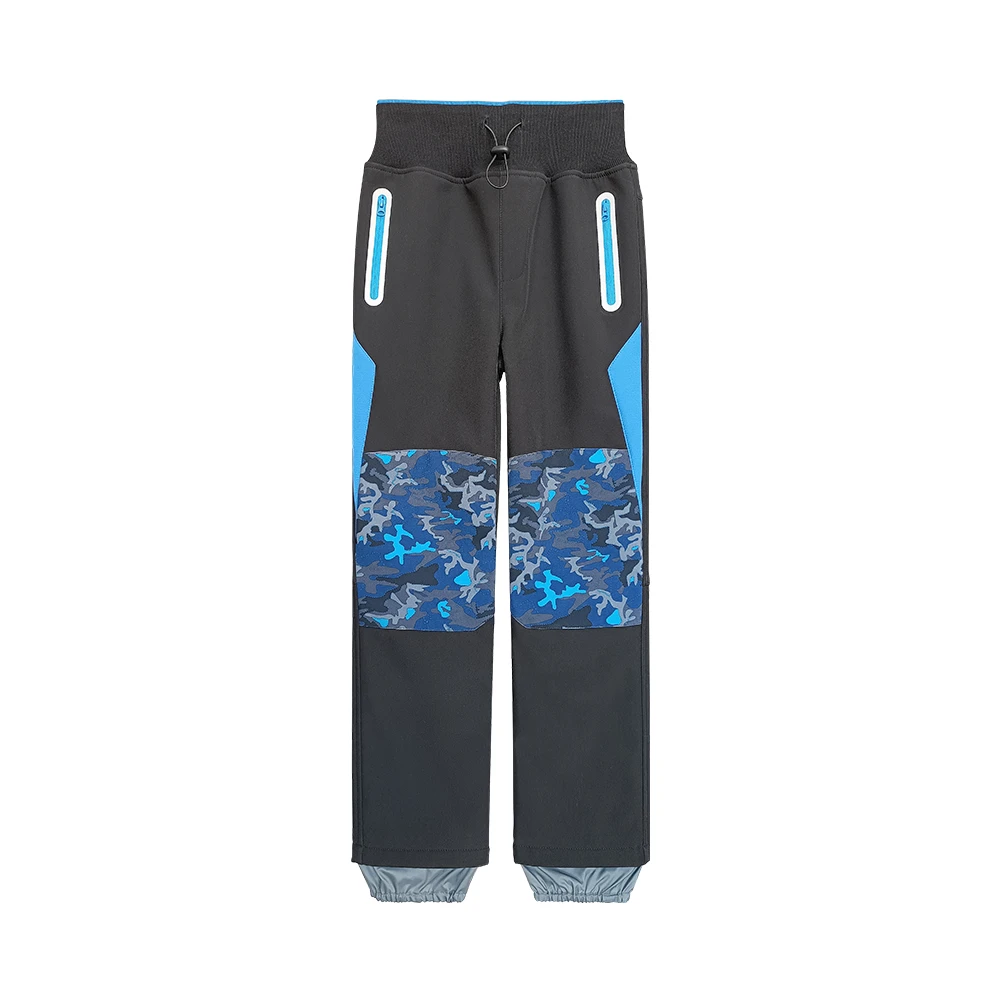
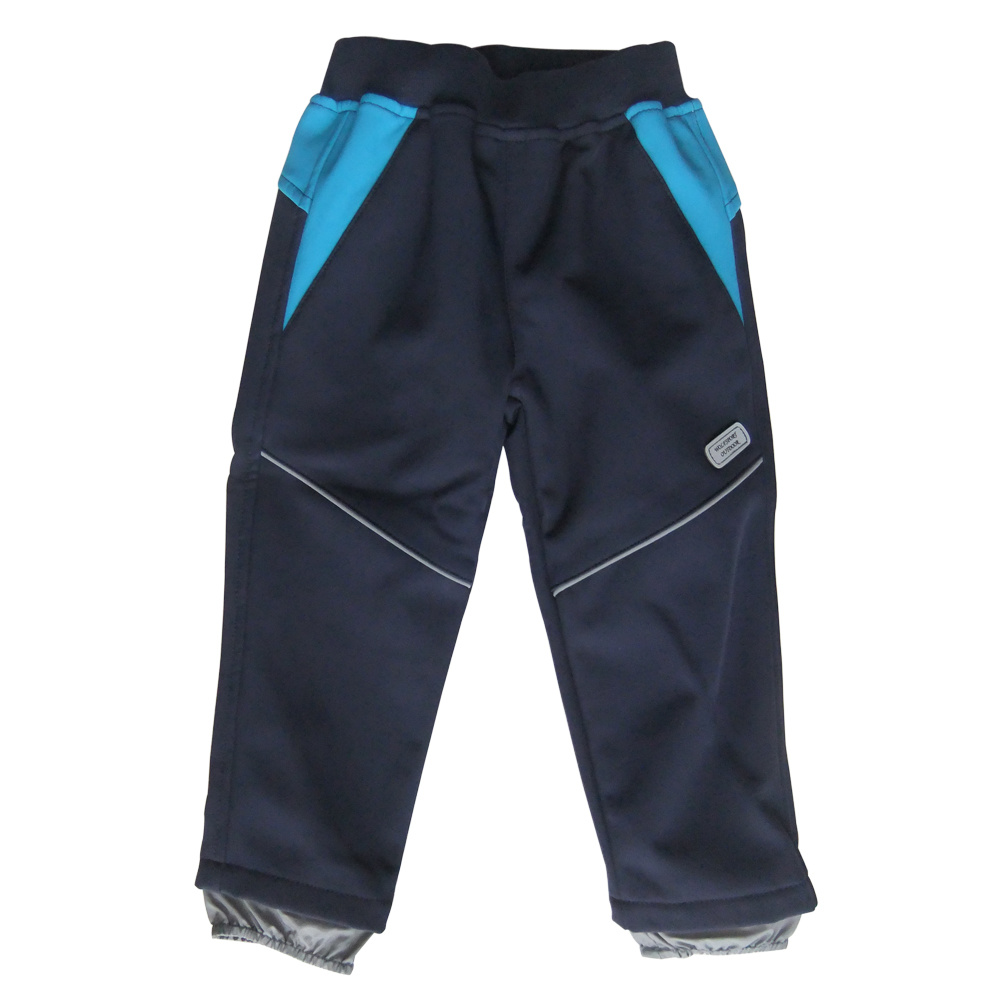
Boy Waterproof Softshell Pant
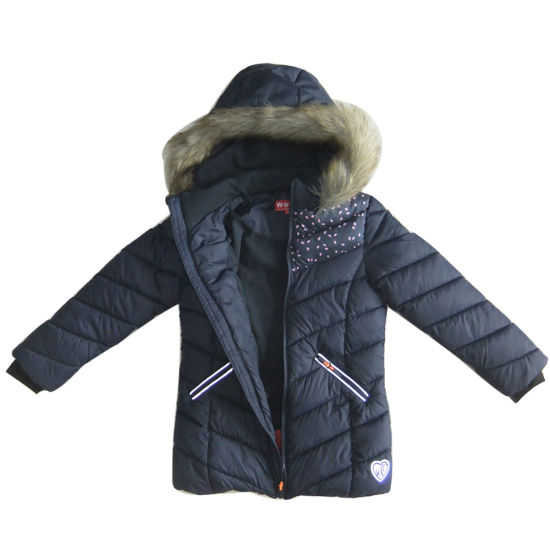
Padded Jacket Kids Winter Cotton Coat with Hooded
Knowledge Base
Frequently Asked Questions
Detailed answers to common queries regarding kids apparel procurement and quality standards.
What quality certifications do your children's clothes comply with for the EU market?
Our products are manufactured to align with international standards including CE and EN certifications (such as EN470-1 and EN533 for reflective gear). We focus on using materials that are free from harmful chemicals, ensuring safety for children. For specific requirements like OEKO-TEX or REACH, we work closely with our 100+ partner factories to source compliant raw materials and provide the necessary documentation to facilitate smooth customs clearance in Germany.
Can we order small quantities of specialized camping clothing to test a new market?
Yes, we explicitly accept small orders to support brand growth and market testing. We understand that boutique retailers in Germany often need to validate a design before committing to large volumes. This flexibility allows you to maintain a leaner inventory and react more quickly to local trend shifts without the financial burden of massive minimum order quantities (MOQs) typically required by larger manufacturers.
How do you ensure sizing consistency for kid suit collections across large orders?
Sizing consistency is managed through a three-tier verification process. First, we establish a precise size chart agreed upon during the sampling phase. Second, our in-house QC teams in each factory perform random measurements on "first-off" pieces. Third, a final audit is conducted before packing. This ensures that a size 120 in one batch is identical to a size 120 in the next, reducing return rates for your customers.
What is the typical lead time for a custom sample of kids apparel?
We typically provide samples within 7 days. This rapid turnaround is made possible by our vertical integration and direct access to raw materials in the Hebei textile hub. Once the sample is approved, we move into the production phase. We recommend early sampling to account for shipping times to Europe, ensuring your collection arrives well before the seasonal peak.
What makes your soft-shell camping clothing suitable for the German climate?
Our soft-shell garments are designed to handle the "variable" nature of European weather. They utilize a multi-layer construction: a wind-resistant outer shell, a breathable membrane to prevent overheating during activity, and a soft interior for thermal retention. This combination is ideal for the damp, cool environments found in German forests and mountains, providing a balance of protection and comfort that basic rainwear cannot offer.
How can we begin the process of sourcing a custom line of children's clothes?
The process begins with a detailed inquiry including your technical specifications, desired materials, and estimated quantities. We then analyze your requirements against our current factory capabilities and suggest the most cost-effective production route. From there, we move to the sampling phase (7 days), followed by quality approval and scheduled mass production. We encourage you to reach out via our contact page to start the consultation.
Ready to Scale
Elevate Your Kids Apparel Line with Precision Manufacturing
Whether you are a boutique in Berlin or a national distributor across Germany, our 20 years of expertise in children clothes and technical gear can help you reduce costs and increase quality. Discuss your requirements with our team today to receive a professional sourcing consultation and fast-track your next collection.
Discuss Your Requirements