Finding high-performance athletic gear shouldn't require a massive budget, yet the market for discount sportswear is often cluttered with low-quality alternatives that fail during intense activity. For B2B buyers and team managers, the challenge lies in balancing cost reduction with the technical requirements of waterproofing, breathability, and durability.
The shift toward technical fabrics, such as bonded softshell materials and TPU membranes, has democratized access to professional-grade outerwear. However, understanding the trade-offs between different price points is essential to ensure that "discounted" does not mean "disposable."
This guide analyzes how to source high-value sportswear that maintains professional specifications—such as 10,000mm waterproof ratings—while optimizing procurement costs through direct manufacturing channels.

The Reality of Sourcing High-Value Sportswear

Many procurement officers mistake "discount" for a lack of quality, but in the garment manufacturing industry, cost efficiency is often a result of vertical integration. By controlling the supply chain—from fabric bonding to final stitching—manufacturers can offer professional-grade sportswear without the retail markup.
The core issue in the discount sector is the variability of materials. A budget jacket might look professional but lack the necessary membrane to prevent water ingress during a storm. True value is found in garments that utilize 3-layer bonded fabrics, combining a durable outer shell, a waterproof membrane, and a thermal inner lining.
For organizations sourcing for teams or corporate wear, the focus should shift from the lowest unit price to the lowest "cost per wear," which considers the longevity and functional reliability of the apparel in real-world conditions.
Technical Benchmarks for Quality Discount Gear
To evaluate whether discount sportswear meets professional standards, buyers must look beyond the brand and examine the technical specifications of the fabric. Waterproofing is measured in millimeters (mm); for example, a 10,000mm rating indicates the fabric can withstand significant water pressure before leaking.
Breathability, often measured in g/m²/24h, is equally critical. Without a breathable membrane like TPU, moisture from sweat becomes trapped, leading to rapid cooling and discomfort for the athlete. A balanced garment ensures that water stays out while vapor escapes.
Additionally, the construction details—such as windproof covers on hems, contrast zippers, and reflective strips—separate basic leisure wear from functional performance gear designed for safety and endurance in outdoor environments.
Critical Application Scenarios for Technical Apparel
Different sports and work environments demand specific garment architectures. For instance, kids' outdoor activities require higher flexibility and increased visibility, making reflective strips behind the knee a critical safety feature for softshell pants.
In corporate workwear scenarios, such as logistics or field engineering, the demand is for durability and protection. Coveralls and parkas must withstand abrasion while providing thermal insulation, often requiring heavier weights (270-350gsm) and reinforced stitching at high-stress points.
Rainwear applications, specifically PU or PVC rain jackets, focus on absolute impermeability. In these cases, the priority is a seamless or taped-seam construction that prevents water penetration during prolonged exposure to heavy rain, regardless of the activity level.
Analyzing Performance Metrics of Softshell Fabrics
When comparing standard budget options with high-specification softshell garments, the difference in performance is stark. The use of a Cationic Fabric outer layer mixed with Elastane provides the necessary stretch and durability that basic polyester lacks.
By integrating a TPU waterproof and windproof membrane, the garment achieves a technical balance that allows it to perform in volatile weather conditions while maintaining a competitive price point for bulk orders.
discount sportswear Performance Metrics
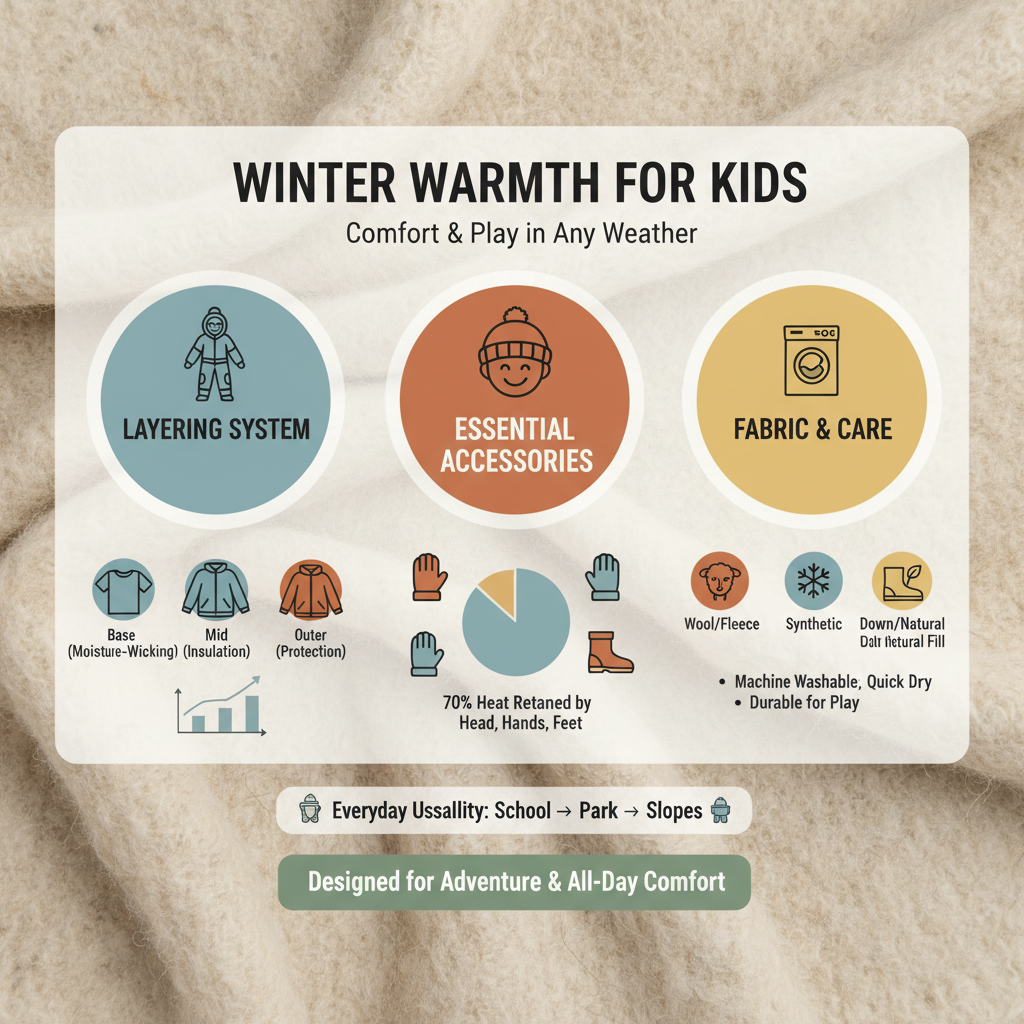
As illustrated, professional-grade discounted gear significantly outperforms generic alternatives in water resistance and thermal retention, primarily due to the 3-layer bonding process and polar fleece inner linings.
Procurement Strategies for Bulk Sportswear Orders
Efficient sourcing of athletic apparel requires a move away from intermediaries. Direct OEM (Original Equipment Manufacturer) and ODM (Original Design Manufacturer) partnerships allow buyers to specify fabric weights and functional details, ensuring the final product meets exact needs.
Buyers should request detailed size charts and sample iterations to verify fit and function. For instance, confirming the "waist stretch" and "front crotch" measurements for kids' pants ensures a consistent fit across different size ranges (e.g., 116cm to 146cm).
Furthermore, diversifying the order to include complementary items—such as pairing adult jackets with matching pants or adding protective aprons for support staff—can often lead to better volume pricing from a single integrated supplier.
Material Innovations Shaping Affordable Performance Wear
The evolution of bonded fabrics is the primary driver behind the availability of high-quality, affordable sportswear. The integration of TPU (Thermoplastic Polyurethane) membranes allows for a lightweight yet impenetrable barrier against wind and rain.
Current trends indicate a move toward more sustainable Cationic fabrics and recycled polyester, which can maintain performance metrics while reducing environmental impact. These materials are increasingly accessible in bulk manufacturing, lowering the cost for end-users.
Future developments are likely to focus on adaptive thermal layers that can adjust to temperature changes, potentially integrating phase-change materials into the polar fleece inner layers to enhance comfort during high-intensity exertion.
Comparison of Sportswear Sourcing Models
Selecting the right sourcing model depends on the balance between customization needs and budget constraints. While off-the-shelf products are faster to acquire, customized OEM orders provide the best long-term value.
The following table compares different procurement approaches based on common industry performance and cost indicators.
| Sourcing Model | Fabric Control | Customization | Unit Cost |
|---|---|---|---|
| Retail Discount | Low (Pre-set) | None | Highest |
| Wholesale Stock | Medium | Logo Only | Medium |
| Direct OEM | High (Specified) | Full Design | Low |
| Direct ODM | High (Proposed) | Modified | Low-Medium |
| White Label | Medium | Basic | Medium-Low |
| Custom Bespoke | Maximum | Total | Highest |
For organizations seeking the optimal balance of technical performance and cost, the Direct OEM model is recommended, as it allows for the selection of specific 3-layer bonded fabrics and precise QC oversight.
Frequently Asked Questions
Conclusion
Securing high-quality discount sportswear is a matter of technical scrutiny rather than budget limitations. By focusing on 3-layer bonded fabrics, TPU membranes, and direct OEM partnerships, organizations can equip their teams with professional-grade gear that performs under pressure.
Ultimately, the goal of procurement should be to maximize functional value. Readers evaluating technical apparel requirements can review the relevant product and company information available through www.softshell-clothing.com to find solutions that align with their performance and budgetary needs.