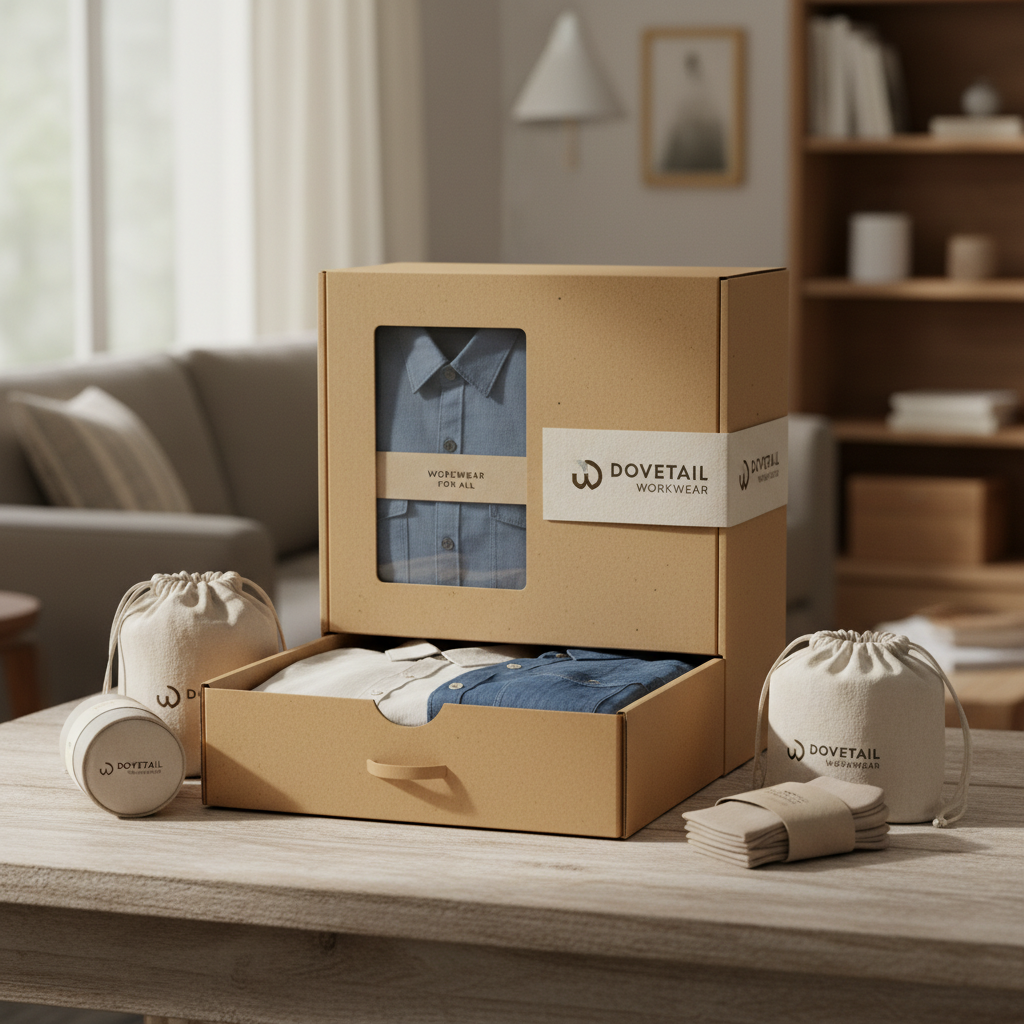
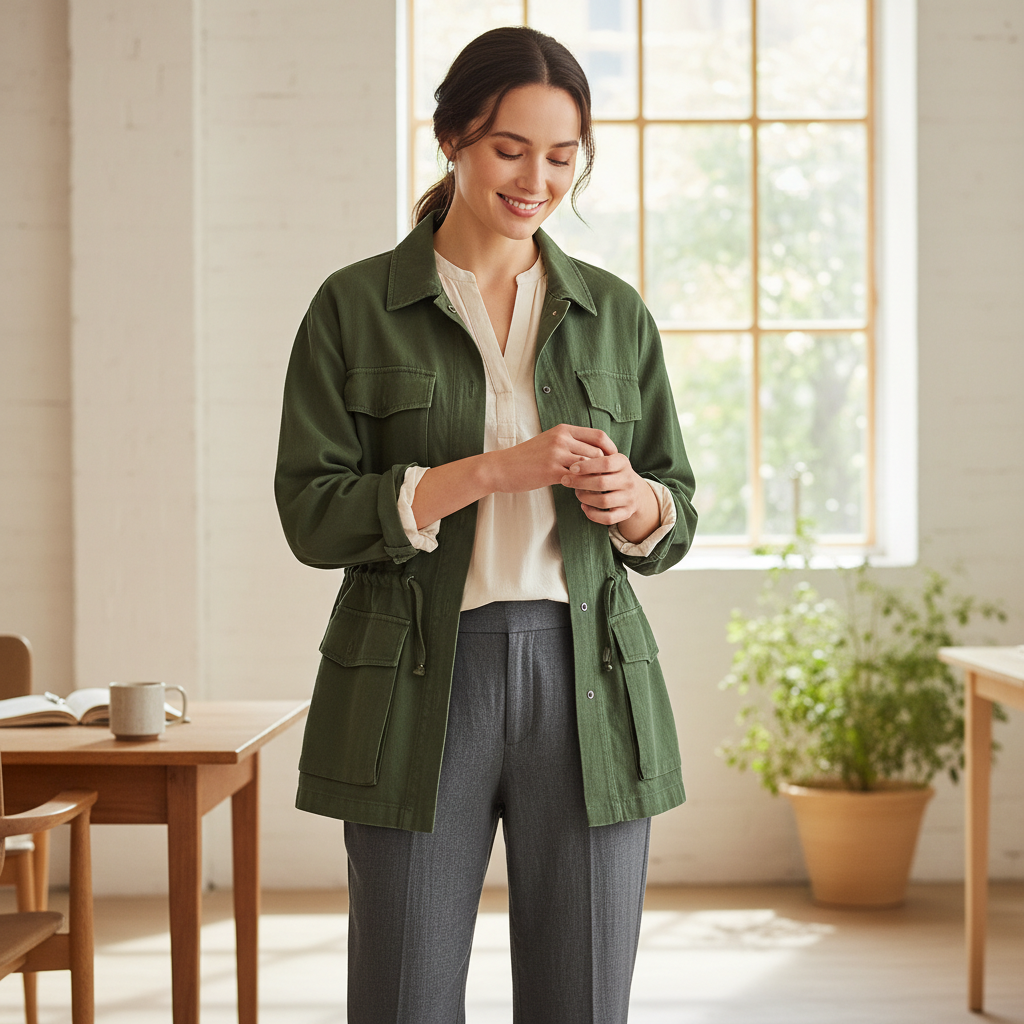
The Ultimate Guide to Printed Workwear for Modern Brands
In today's competitive industrial and commercial landscape, first impressions are everything. Investing in high-quality printed workwear is no longer just about providing uniforms; it is a strategic move to enhance brand visibility and foster team unity. Whether you are managing a construction crew or a corporate logistics team, the right apparel combines functionality with professional aesthetics. By integrating custom logos and corporate colors into durable fabrics, businesses can transform their workforce into walking billboards. In this guide, we will explore how to choose the right materials, printing techniques, and designs to ensure your team looks professional and stays protected.
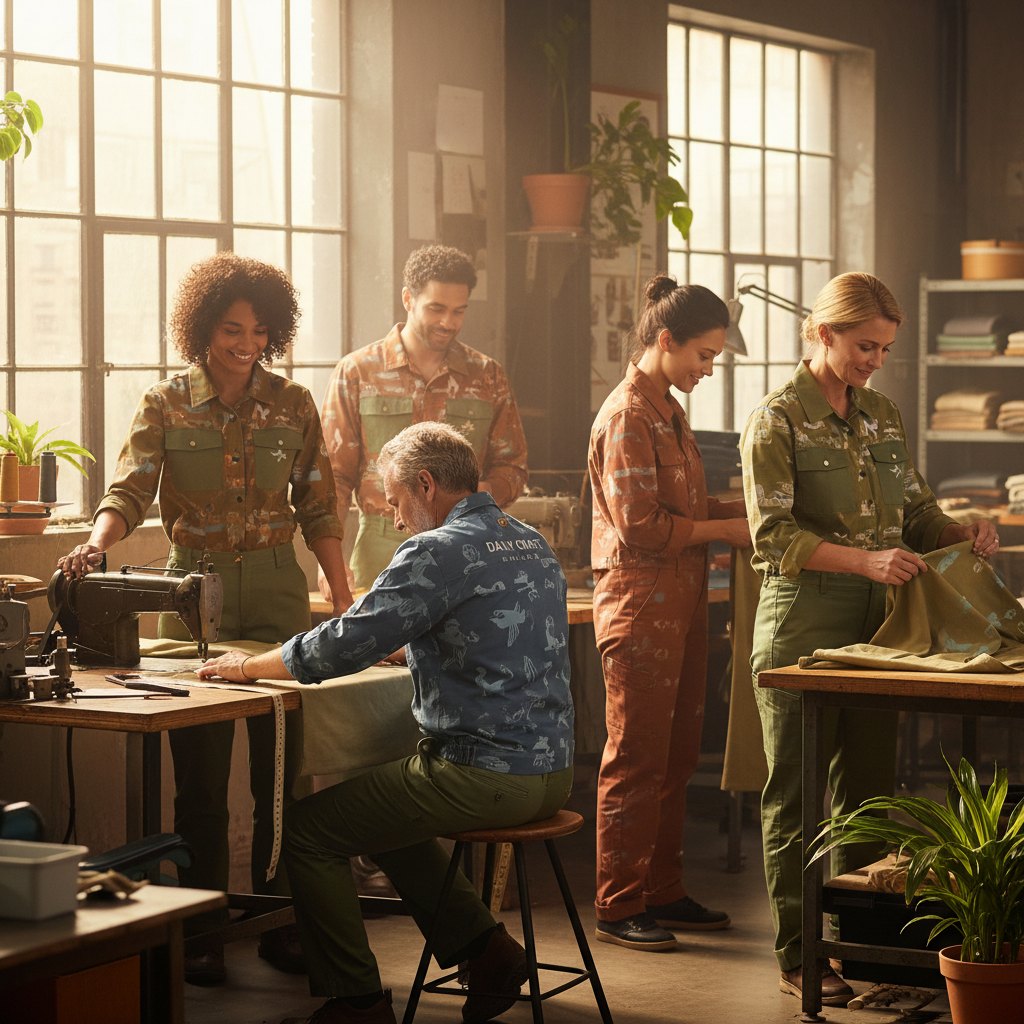
Why Your Business Needs Professional Printed Workwear
Customized apparel does more than just identify employees; it builds trust and credibility with clients. When a technician arrives at a job site wearing clean, branded printed workwear, it signals professionalism and attention to detail. Furthermore, standardized uniforms eliminate the guesswork for employees regarding dress codes and ensure that safety standards are met through the use of appropriate industrial fabrics. From a psychological perspective, wearing a company brand increases the sense of belonging among staff, which often leads to higher productivity and better teamwork across different departments.
Brand Impact: Research shows that consistent visual branding across employee apparel can increase brand recognition by up to 80%, making it one of the most cost-effective marketing tools for B2B companies.
Choosing the Right Fabrics for Printed Workwear
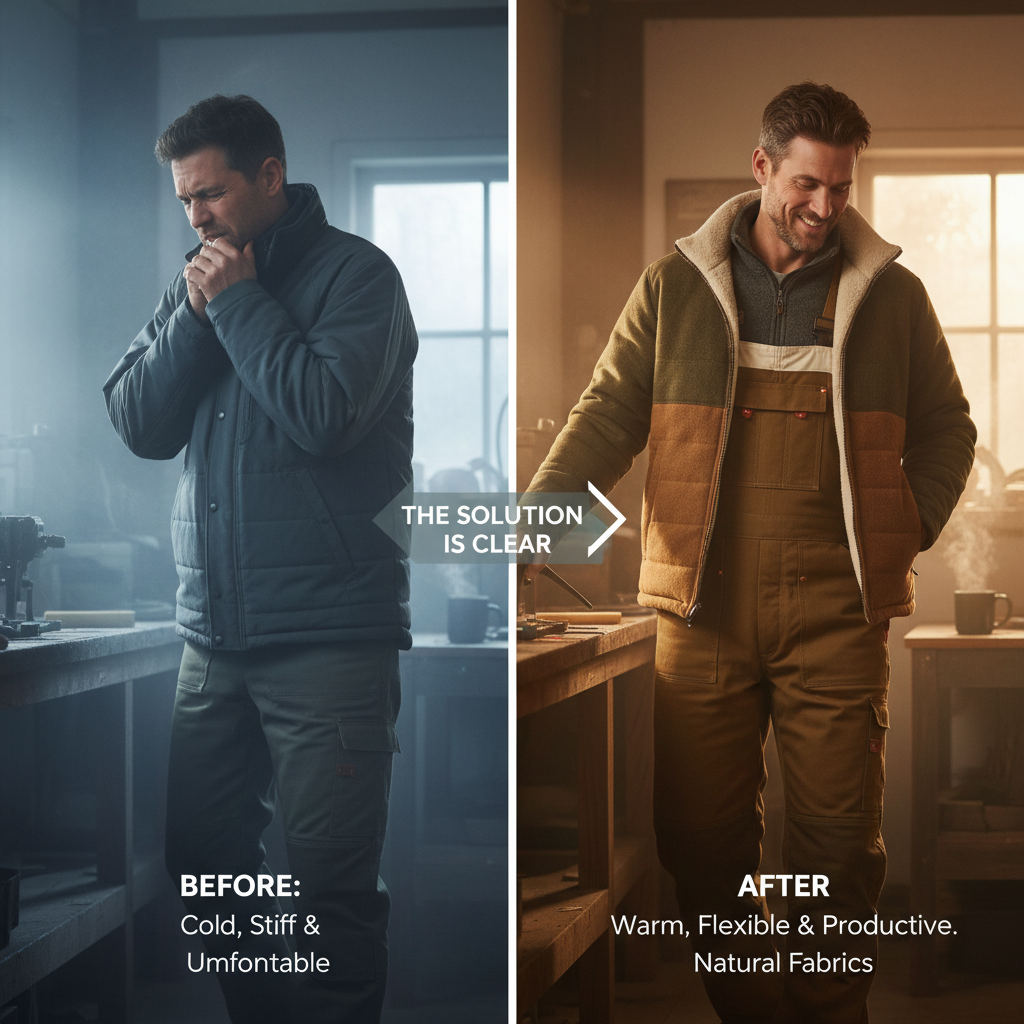
Not all fabrics are created equal when it comes to printing. The choice of material directly affects the longevity of the print and the comfort of the wearer. For outdoor environments, softshell fabrics are highly recommended due to their windproof and water-resistant properties. For indoor warehouse work, breathable cotton blends are ideal. When selecting printed workwear, you must consider the balance between durability and breathability to ensure your team remains comfortable regardless of the season or work intensity.
Fabric Selection Tips:
• Softshell: Best for weather protection and high-end corporate looks.
• Polyester Blends: Ideal for moisture-wicking and athletic-style work gear.
• Heavy-Duty Cotton: Perfect for mechanical work and high-abrasion environments.
Comparing Printing Methods for Printed Workwear
Depending on your logo's complexity and the volume of the order, different printing methods offer varying results. Screen printing is the gold standard for large batches with few colors, whereas embroidery provides a premium, 3D feel that lasts a lifetime. For those needing full-color photorealistic images on printed workwear, heat transfer or sublimation are the best routes. Choosing the wrong method can lead to cracking or fading after a few washes, which undermines your brand image.
Design Principles for High-Impact Printed Workwear
A great design is about more than just placing a logo in the center of a shirt. For printed workwear to be effective, you must consider contrast and placement. High-contrast colors (e.g., white logo on a navy blue jacket) ensure that your brand is visible from a distance. Standard placement includes the left chest for logos, the back for company names or slogans, and sleeves for secondary branding or safety certifications. Keeping the design clean and uncluttered ensures that the message is conveyed instantly without overwhelming the viewer.
Technical Specifications for Custom Apparel
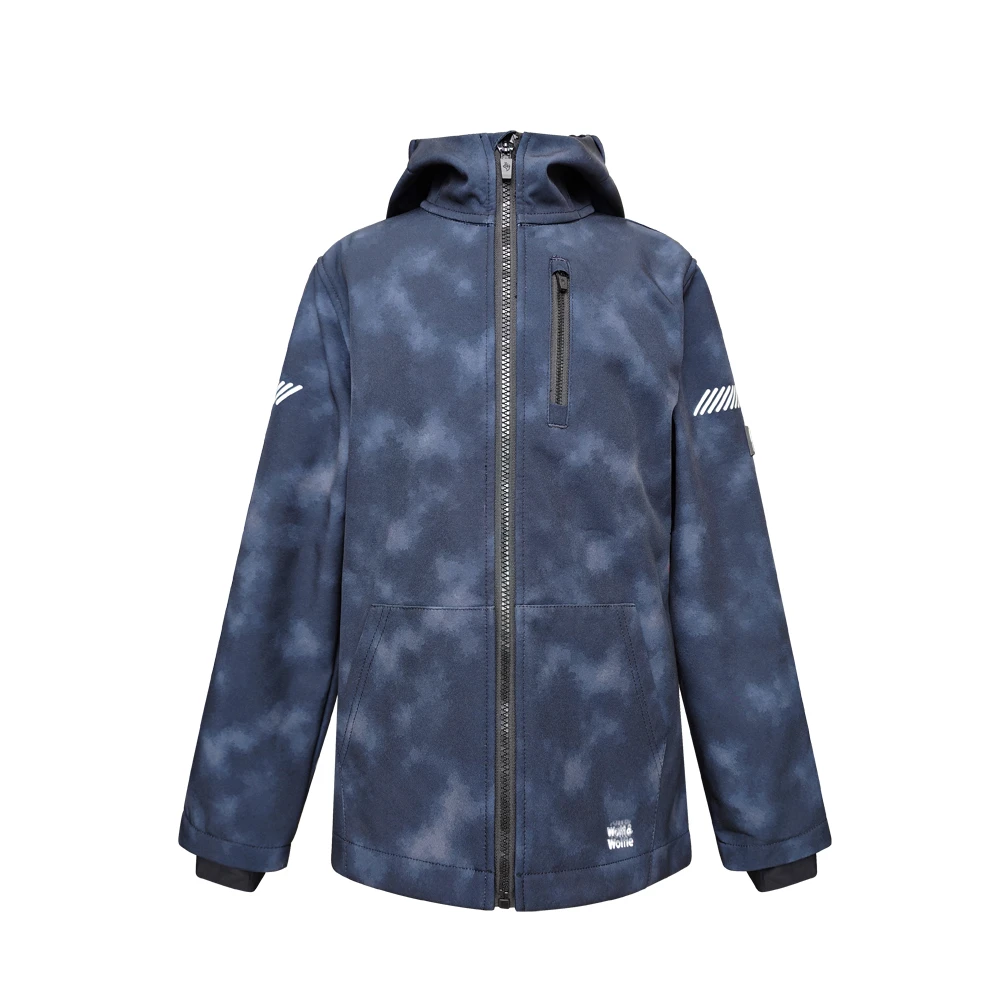
When ordering printed workwear, providing the correct technical specifications is key to avoiding production errors. Files should ideally be in vector format (AI, EPS, or SVG) to ensure that the logo can be scaled without losing quality. Color matching is typically handled via the Pantone Matching System (PMS) to ensure consistency across different garment types and batches. Below is a typical specification table for a premium softshell work jacket.
Conclusion: Elevate Your Brand with Quality Apparel
Choosing the right printed workwear is an investment in your company's identity and your employees' professional image. By selecting high-performance fabrics, the correct printing method, and a clean design, you create a powerful tool for brand awareness and employee pride. Don't settle for generic uniforms; opt for customized solutions that reflect the quality of the work you do. Upgrade your team's gear today and watch your professional presence grow.
Frequently Asked Questions (FAQs)
How do I prevent my printed workwear from fading?
To maximize the lifespan of your printed gear, always wash garments inside out in cold water. Avoid using harsh bleach or strong detergents that can break down the ink or thread. Most importantly, avoid high-heat drying; air drying or using a low-heat setting prevents the print from cracking or shrinking. For embroidered items, avoid ironing directly over the stitching, as this can melt the threads or distort the design.
What is the best printing method for softshell jackets?
For softshell materials, embroidery is generally considered the best option because it adds a premium feel and is extremely durable against weather and wear. However, if your logo has a gradient or many colors, high-quality heat transfer is the preferred alternative. These transfers are designed to bond with synthetic fibers, ensuring they stay attached even during active movements. You can explore more options at softshell-clothing.com.
Can I order a small quantity of custom workwear?
Yes, many modern printing techniques like Direct-to-Garment (DTG) or heat transfer allow for small batch orders without the high setup costs associated with screen printing. While bulk orders usually offer a lower price per unit, small runs are perfect for new businesses or specialized teams. We recommend checking with your supplier about "Minimum Order Quantities" (MOQ) to find the plan that fits your current budget and growth stage.
How long does it typically take to produce custom workwear?
Production timelines vary based on the complexity of the design and the printing method. Typically, a standard order takes between 2 to 4 weeks from the time the design is approved. Embroidery can sometimes take slightly longer due to the digitization process required for the sewing machines. For urgent needs, some providers offer "rush" services, though this may increase the cost. Always allow a buffer for shipping and final quality checks.