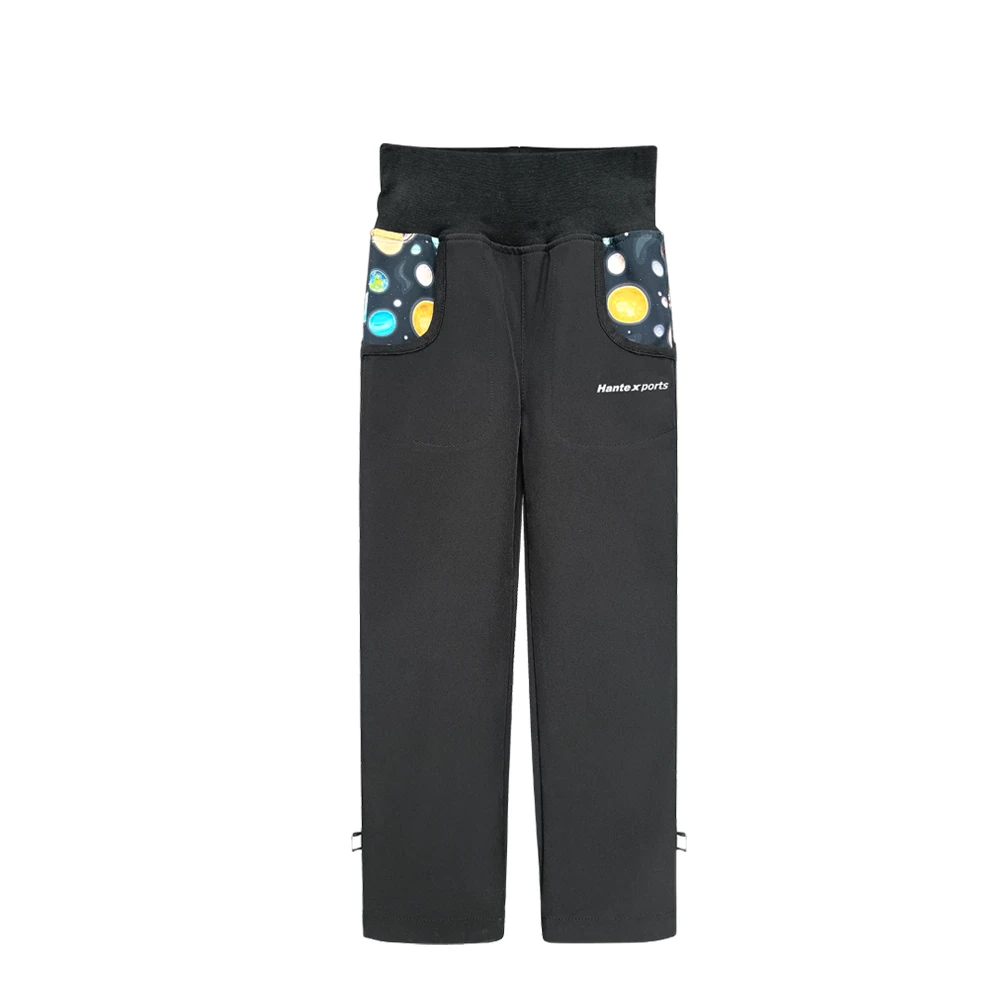
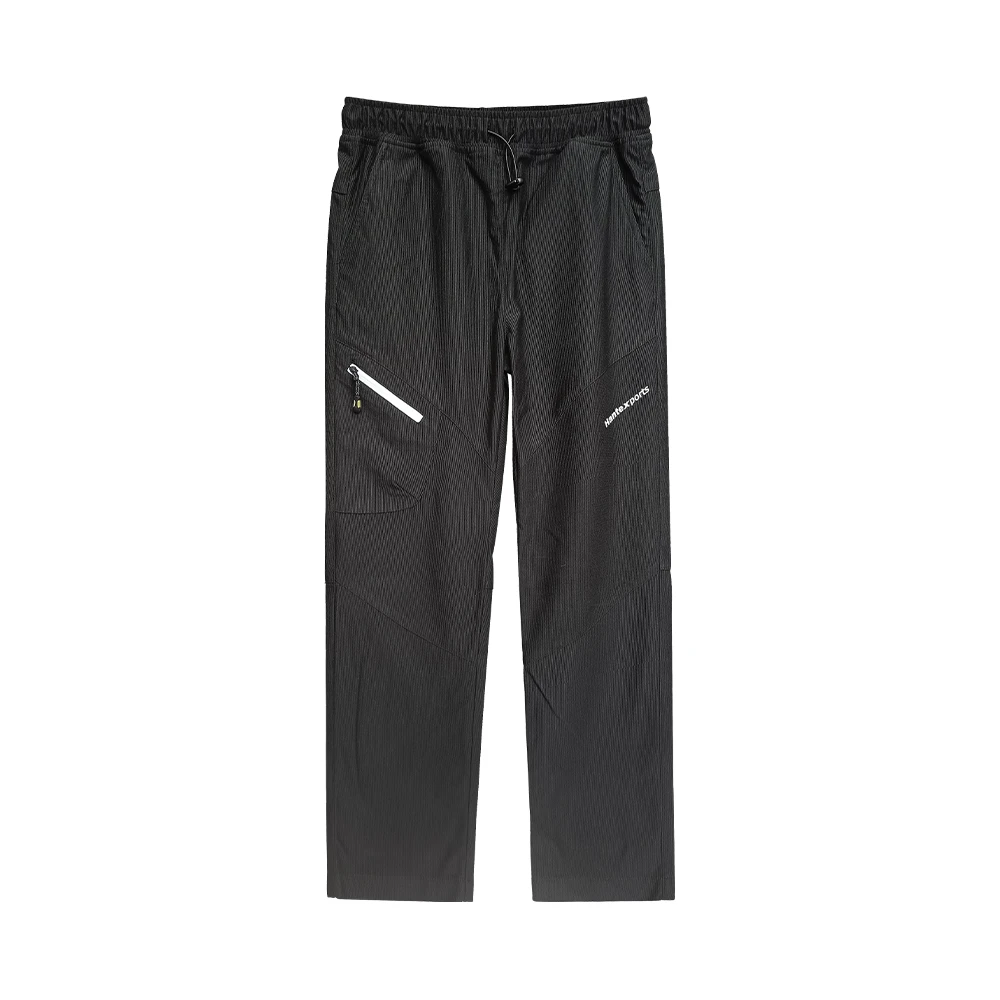
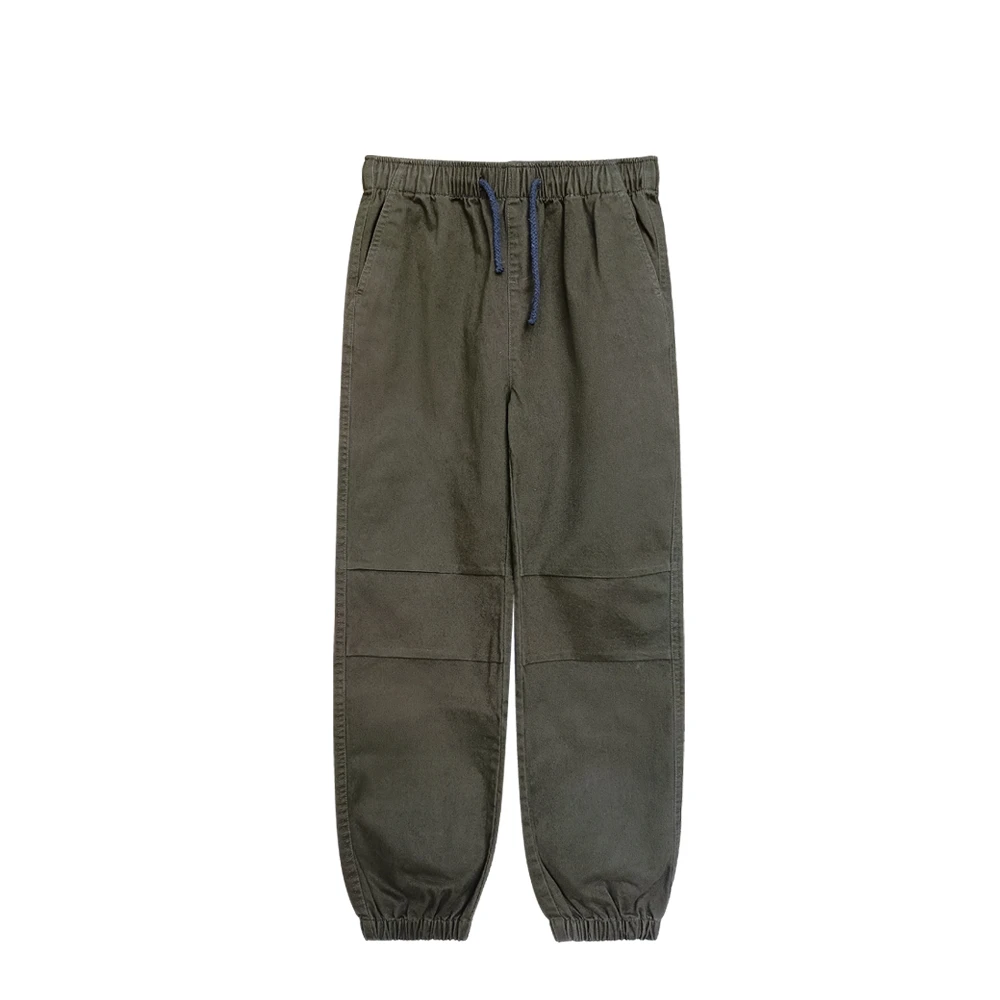
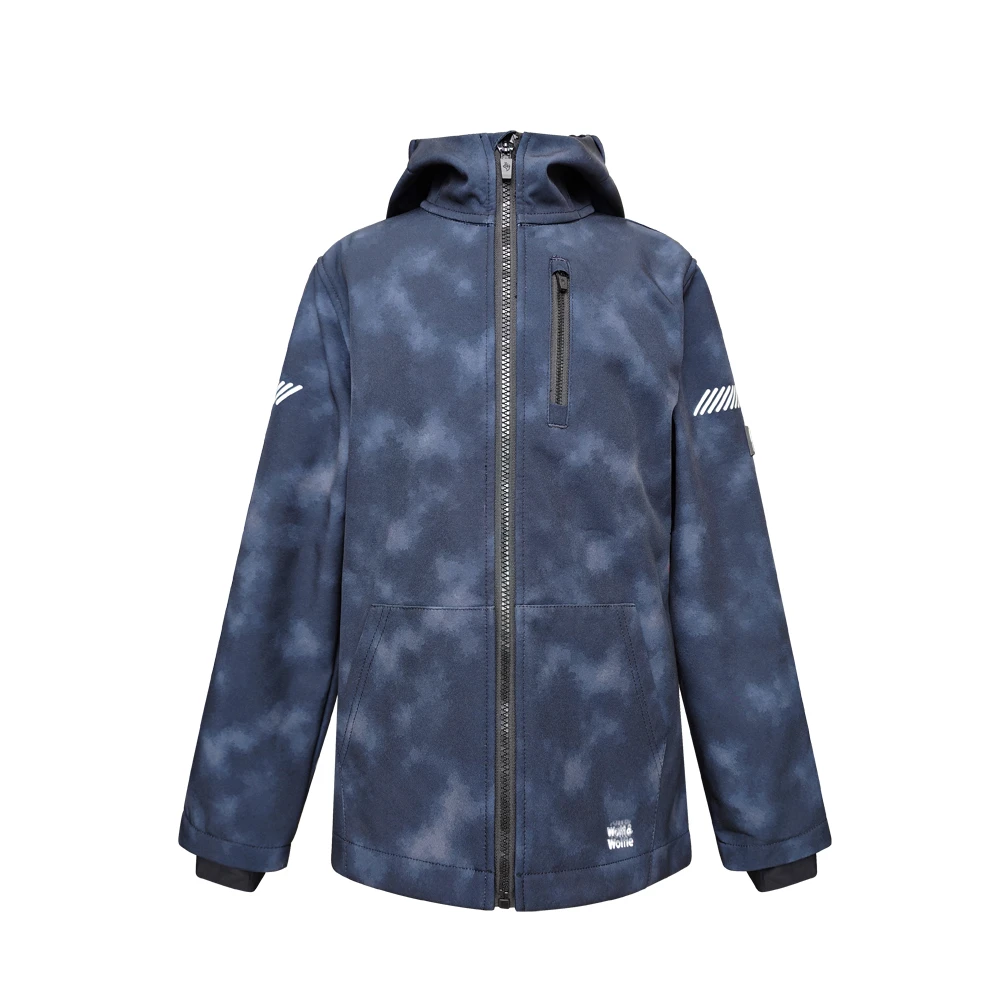
What Is Knitted Fabric Clothing and Why It Matters Globally
At first glance, knitted fabric clothing seems like just another textile trend — something cozy, stretchy, maybe a bit fancy. But peel back the layers, and you realize it’s actually a critical player in global apparel markets, humanitarian relief, and sustainable fashion simultaneously. These garments bring together technology, comfort, and durability to address real-world needs on a massive scale. So, understanding what knitted fabric clothing entails isn't just for designers or factory managers — it's valuable for anyone curious about the future of clothing and apparel industries worldwide.
Simply put, knitted fabrics are constructed by interlocking yarns in loops, which typically creates a flexible, breathable, and resilient textile. This has immediate benefits—from everyday wearables to high-performance gear. Beyond the usual consumer benefits, this fabric type supports crucial sectors like healthcare uniforms, emergency relief clothing, and even military supplies worldwide.
Mini takeaway: Knitted fabric clothing has become a global textile staple due to its unique comfort and adaptability, addressing both everyday requirements and extreme conditions worldwide.
Global Relevance of Knitted Fabric Clothing
The global knitwear market size was valued at over $70 billion in 2023, and experts forecast steady growth as both developed and developing regions ramp up production and use knitted fabric clothing in new sectors. According to recent ISO textile sector reports, more than 40% of all apparel manufactured today involves knit construction methods, thanks to its efficiency and performance.
But here’s the kicker: the industry faces ongoing challenges such as supply chain sustainability, fluctuating raw material costs, and the demand for more durable, long-lasting garments. Knitwear addresses many of these through its innate stretch and recovery properties, which minimize wear-and-tear, and its relative ease to produce on automated machines.
Mini takeaway: Knitted fabric clothing’s significance transcends fashion, impacting economies and workforces globally while tackling sustainability and durability hurdles.
Defining Knitted Fabric Clothing in Simple Terms
Knitted fabric clothing refers to apparel made from fabric produced by interlooping yarns—whether by hand, knitting machines, or industrial circular knitters. This is different from woven fabric, which involves overlapping yarns perpendicularly. The loops allow knitted textiles to stretch in various directions, making garments flexible and form-fitting.
Its connection to industry is deep: think of sportswear that expands and contracts easily or military uniforms built for mobility. From a humanitarian perspective, knitted fabric clothing is essential in mass production of durable yet affordable garments ready for rapid distribution during crises.
Mini takeaway: Simply put, knitted fabric clothing is apparel crafted through looping threads for comfort and durability, suitable for both everyday and specialized global needs.
Core Components That Make Knitted Fabric Clothing a Success
1. Durability
One might not immediately associate knitted materials with toughness, but many modern knit fabrics use synthetic fibers or blends that resist tearing and abrasion well. This durability is essential for applications like workwear or uniforms, where garments must endure repeated washing and rough conditions.
2. Scalability
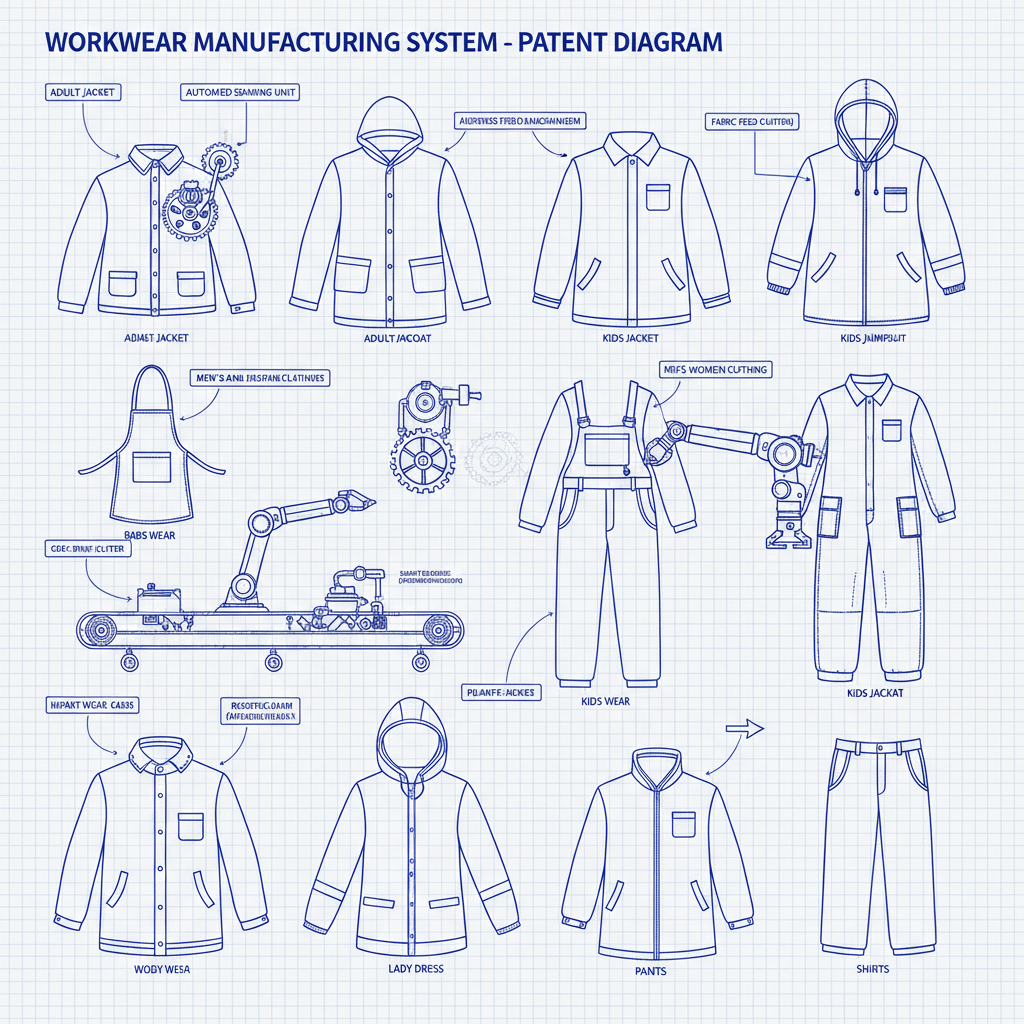
From a production standpoint, knitting technology allows seamless scaling from small artisan batches to massive industrial runs. Automated knitting machines can churn out thousands of garments daily, making it suitable for both luxury and mass-market segments.
3. Cost Efficiency
Knitted fabric clothing often demands less material waste since cut-and-sew steps can be minimized. Plus, advances in yarn technology reduce raw material expenses, thereby trimming overall production costs without compromising quality.
4. Comfort & Fit
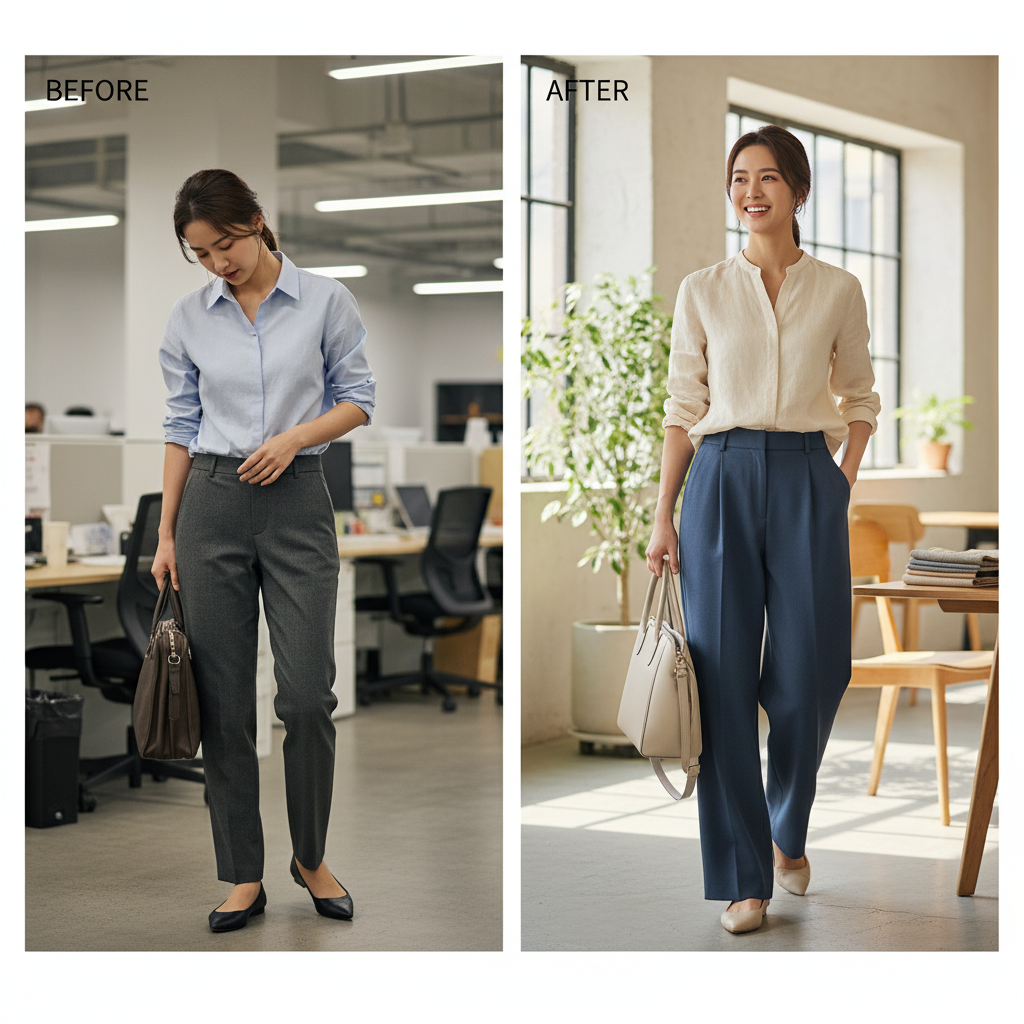
The inherent stretch of knit fabrics supports a superior fit over wovens, which is why it’s preferred for casual wear, athletic apparel, and undergarments. Comfort is paramount, especially in climates where regulation of thermals and moisture management is critical.
5. Versatility in Design
Knitted fabrics lend themselves to various patterns, textures, and thicknesses — think breathable mesh or dense ribbed knits. This versatility supports creativity while also serving practical needs.
Mini takeaway: Durability, scalability, cost-efficiency, comfort, and design versatility form the backbone of knitted fabric clothing’s widespread appeal.
Real-World Uses: How Knitted Fabric Clothing Improves Lives Across the Globe
In humanitarian aid, knitted fabric clothing provides rapid deployment solutions for disaster-stricken communities. Organizations such as the Red Cross rely heavily on knitwear to supply warm but breathable clothing en masse during harsh winters.
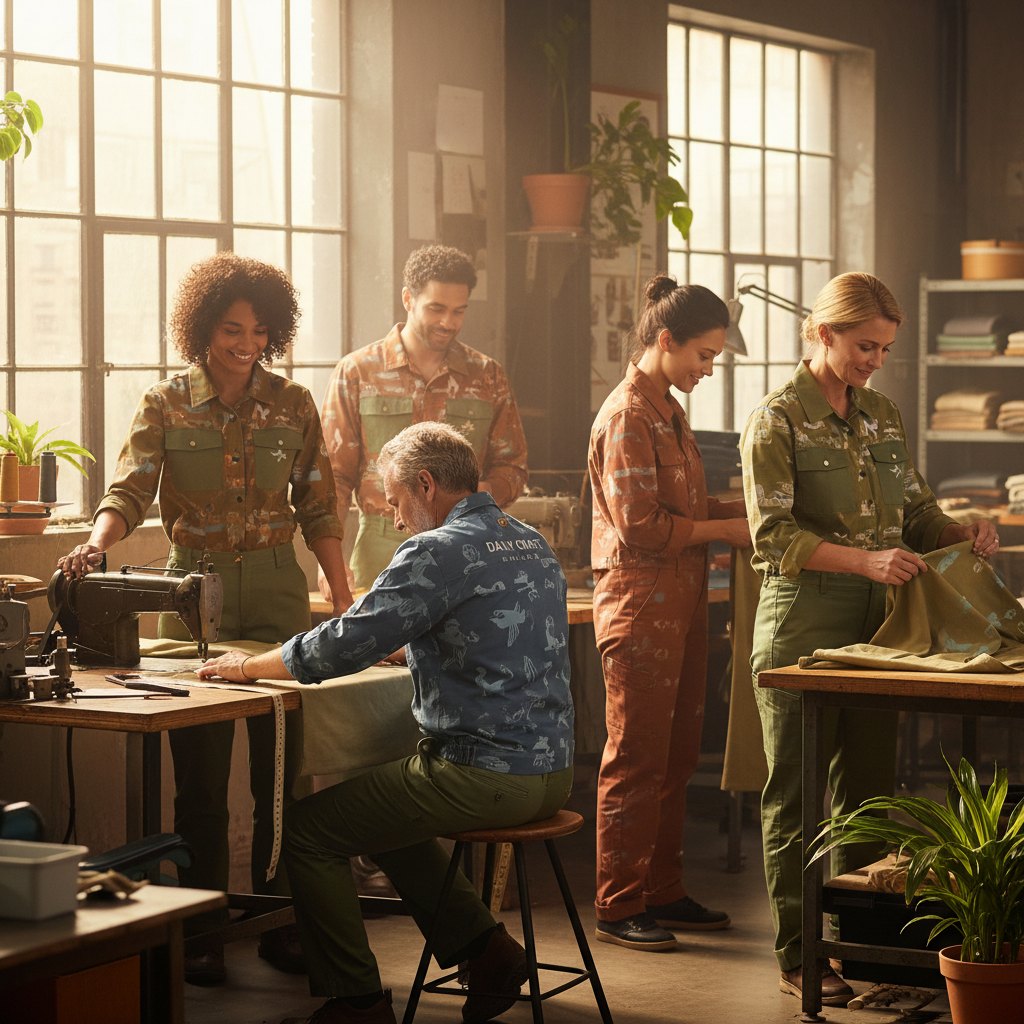
In industrial zones like Southeast Asia’s garment hubs, knit fabrics allow workers essential ease-of-movement in enduring conditions, combining safety and productivity.
Sports brands exploiting knitted technology produce performance-enhancing apparel for marathons or cycling that adapts continuously to body movement without chafing or overheating.
| Feature | Specification | Benefit |
|---|---|---|
| Fiber Content | Polyester/Spandex Blend | Durable with stretch for comfort |
| Construction | Circular knit, 50 gauge | Smooth surface, minimal seams |
| Weight | 180 g/m² | Ideal for year-round wear |
| Moisture Wicking | Yes | Keeps wearer dry and comfortable |
Mini takeaway: Knitted fabric clothing spans use cases from disaster relief to high-performance gear—demonstrating its global reach and reliability.
Advantages: Beyond the Fabric
- Sustainability: The durability and less waste involved in knit production reduce environmental impact.
- Cost-effectiveness: Raw material efficiency and easy machine scalability provide cheaper end products.
- Social impact: Providing comfortable, safe clothing supports dignity in vulnerable populations.
- Innovative potential: Integration of smart textiles and enhanced fibers opens new doors for functionality.
Emerging Trends in Knitted Fabric Clothing
One exciting direction is the rise of eco-friendly yarns like recycled polyester or organic cotton blends, aligning with more sustainable consumer demands. Automation in knitting machines continues to reduce labor costs and improve precision — meaning designs get bolder, more intricate, and more consistent.
Digital printing on knitted fabrics is another innovation, allowing rapid prototyping and customization without massive inventory overhead. And, of course, integration with wearable technology—fiber optics, conductive threads—is beginning to move beyond labs toward your wardrobe.
Challenges and How They’re Being Tackled
Despite the perks, knitted fabric clothing faces hurdles like pilling, yarn slippage, and limited thermal insulation in some weaves. But engineers and textile chemists are on it: innovations such as anti-pilling finishes, hybrid knit structures, and new spacer fabrics tackle these issues.
Also, balancing elasticity with shape retention remains tricky. The solution? Blending fibers strategically and incorporating recovery yarns that “bounce back” after stretching.
| Vendor | Range | Sustainability | Customization | Price Range |
|---|---|---|---|---|
| KnitTech Co. | Athleisure & Safety Wear | High (Recycled Fibers) | Moderate | $$$ |
| Global Knits Ltd. | Uniforms, Medical | Medium | High | $$ |
| EcoKnit Solutions | Casual & Eco-Fashion | Very High (Organic Fibers) | Limited | $$$ |
FAQ: Frequently Asked Questions About Knitted Fabric Clothing
Q1: How does knitted fabric clothing differ from woven fabric in terms of comfort?
A1: Knitted fabrics are stretchier and more flexible due to their looped yarn structure, making them more comfortable and form-fitting. Woven fabrics are generally stiffer, providing durability but less stretch. For activities requiring movement, knitwear is often preferred.
Q2: Are knitted fabric garments suitable for harsh weather or industrial use?
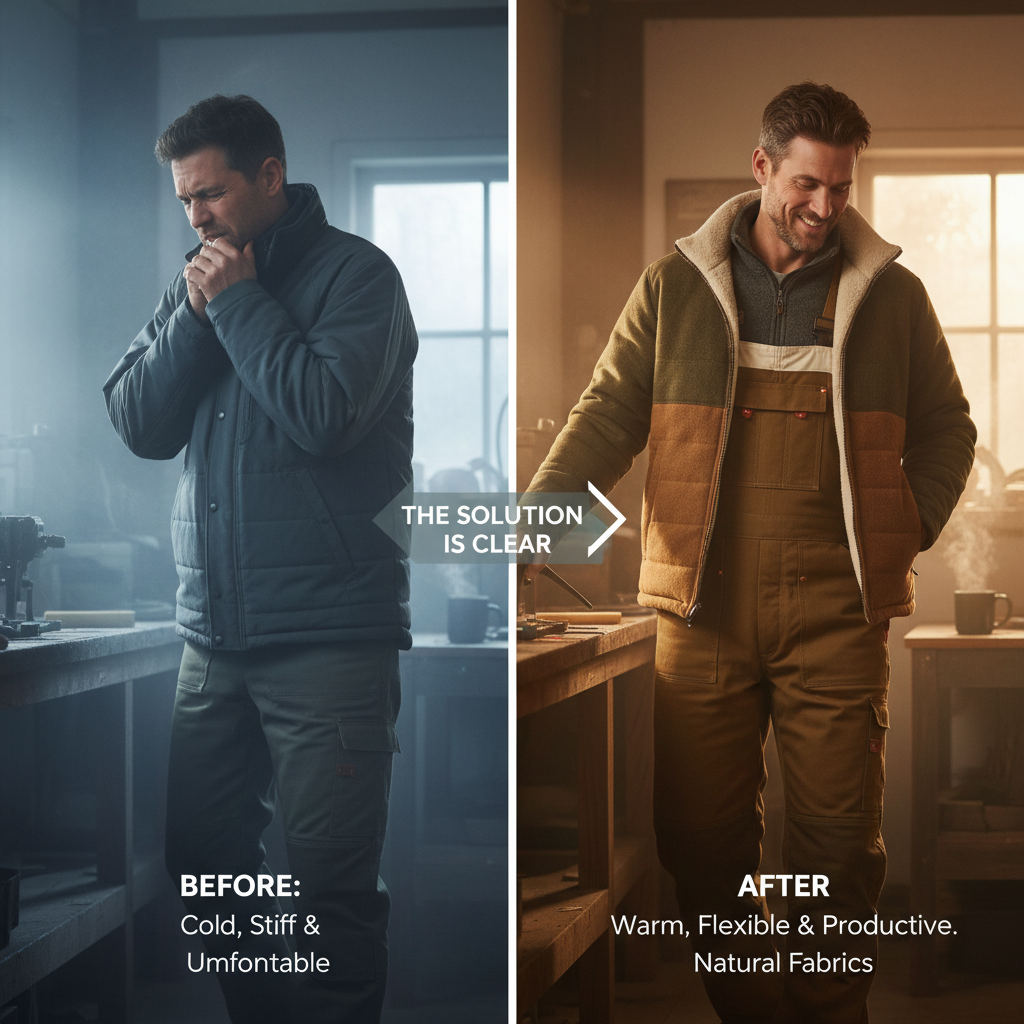
A2: Yes. Depending on the fiber blend and knit pattern, knitted fabric clothing can be engineered for high durability, moisture resistance, and thermal insulation, making it appropriate for workers in harsh environments or outdoor conditions.
Q3: Can knitted clothing be eco-friendly?
A3: Definitely. Many manufacturers use organic or recycled yarns in knitted fabrics. Also, the lower material waste in knitting helps reduce environmental footprint compared to other textiles.
Q4: How easy is it to customize knitted garments for specific needs?
A4: Quite easy. Modern computerized knitting machines allow for tailored designs, exact sizing, and integrated features like ventilation zones or reinforced panels to meet different functional needs.
Q5: What challenges exist in mass producing knitted fabric clothing?
A5: Common challenges include managing yarn tension for uniform quality, avoiding defects like runs or laddering, and balancing elasticity with shape retention. Technological advancements are continuously improving these aspects.
Conclusion: The Long-Term Value of Knitted Fabric Clothing
In many ways, knitted fabric clothing feels like the unsung hero of the textile world — quietly offering a blend of comfort, durability, and adaptability that suits the demands of our fast-changing global landscape. Whether it’s protecting frontline workers, supporting disaster relief efforts, or driving innovation in sustainable fashion, knitted apparel's long-term benefits are clear. So if you’re interested in combining efficiency with style, or simply want to know the story behind your favorite stretchy shirt, knitted fabric clothing is worth a closer look.
Ready to explore the possibilities? Visit our website: knitted fabric clothing for cutting-edge styles and tech insights.