What’s So Special About the Cotton Moto Jacket?
In a world saturated with fast fashion and synthetic blends, the humble cotton moto jacket quietly reclaims its place with a unique blend of style, comfort, and sustainability. For anyone intrigued by durable apparel that spans both practical use and iconic design, understanding the cotton moto jacket matters globally. It represents not only a fashion statement but an intersection of textile innovation, livelihood for cotton farmers, and eco-conscious manufacturing.
The key benefits of learning about cotton moto jackets lie in appreciating their cultural resonance and their material worth — they’re breathable, naturally durable, and with the right design tweaks, ready to tackle everything from rugged urban riding to casual outdoor adventures.
Looking at the Big Picture: A Global Context
Cotton is one of the world’s oldest fiber crops, and according to the International Cotton Advisory Committee (ICAC), the global production reached around 25 million tonnes in recent years. That's roughly enough to clothe billions in various forms. The cotton moto jacket is a niche yet growing segment of this vast market.
But why focus on the cotton moto jacket specifically? Well, amid rising concerns about synthetic textiles and their environmental toll, cotton's renewability and biodegradability come into sharp relief. Plus, manufacturing quality moto jackets with cotton blends involves addressing challenges like breathability, abrasion resistance, and style durability — all crucial for riders and casual wearers alike.
Yet there’s a challenge: how do manufacturers balance durability and comfort without leaning too heavily on synthetic fibers? That’s where innovation in cotton processing and jacket design becomes a game-changer.
So, What Exactly Is a Cotton Moto Jacket?
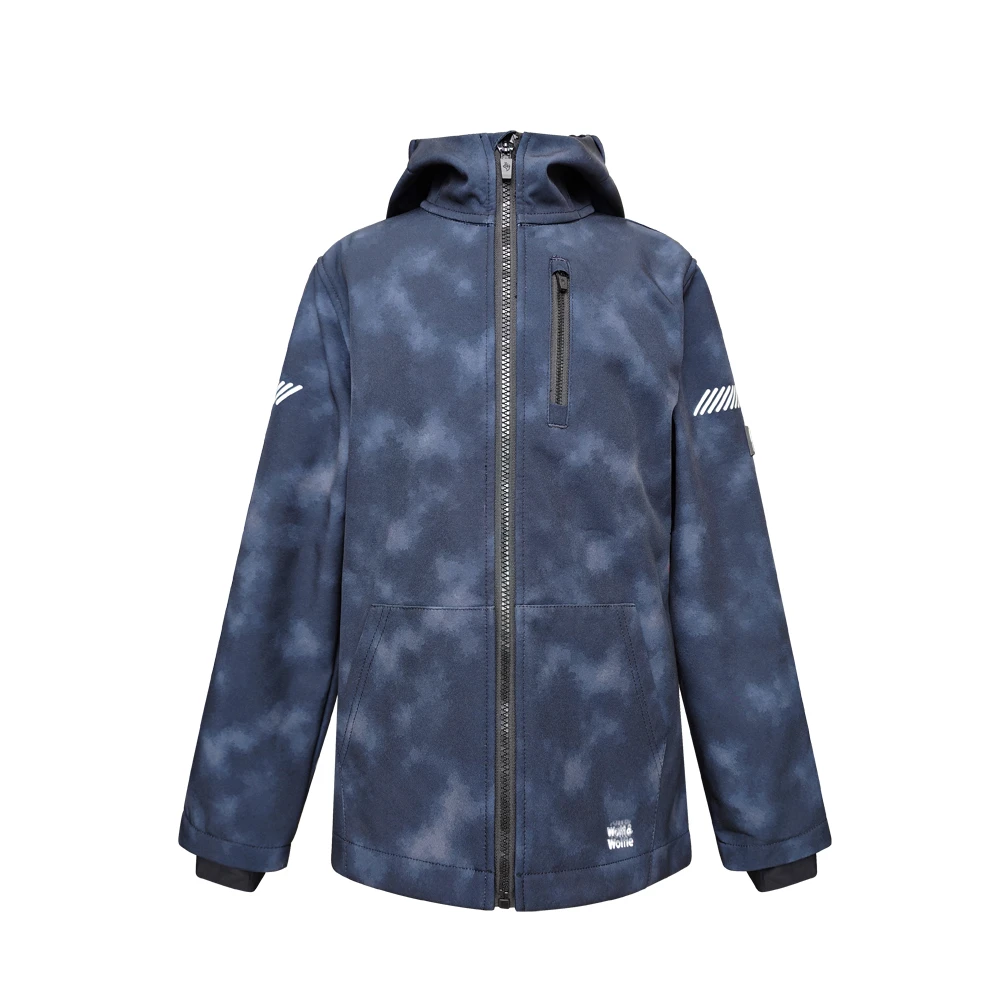
Simply put, a cotton moto jacket is a motorcycle-inspired jacket primarily made from high-quality cotton fabric, often combined with reinforcements or blended fibers for sturdiness. Unlike the classic leather version, cotton moto jackets offer a lighter, more breathable alternative, making them versatile outside the strict riding context.
Beyond style, these jackets represent technical advancements in cotton treatment—think water resistance, ripstop weaves, or waxed finishes for increased weather protection. They serve both fashion and function, bridging casual wear with utility.
In humanitarian spheres, cotton-based textiles, including durable jackets, are often preferred for their comfort and biodegradability in relief operations — a neat intersection of fashion and global welfare.
Core Elements That Make a Cotton Moto Jacket Tick
1. Durability
While cotton isn’t typically known for abrasion resistance like leather, treatments and tight weaves can fortify the fabric significantly. Many jackets use heavyweight cotton canvas or twill with reinforced seams to stand up to daily wear and riding hazards — a crucial point if you're out there on the road.
2. Comfort & Breathability
One of cotton's age-old advantages is unparalleled breathability. Moto jackets with 100% cotton or high percentages of cotton reduce heat stress and moisture build-up, which synthetic fibers struggle with. For urban riders or casual wearers, this translates into all-day comfort.
3. Weather Resistance
Of course, untreated cotton fares poorly in rain, but many manufacturers now add waxed finishes or blend in performance fibers. This approach inventively marries natural fiber benefits with protection against the elements.
4. Style & Customization
The cotton moto jacket carries the rebellious aesthetic of its leather counterpart but offers versatility: colors, cuts, and pockets can be uniquely styled. It’s no surprise that cotton moto jacket lines feature everything from military-inspired designs to urban minimalism.
5. Sustainability
Cotton is renewable, and when cultivated responsibly, it fits into sustainable fashion cycles better than many synthetic alternatives. The Better Cotton Initiative aims to improve farming methods globally, improving water use and reducing pesticide dependency. This promotes sustainability in cotton moto jacket production too.
| Specification | Typical Value | Notes |
|---|---|---|
| Material Composition | 80-100% Cotton (Canvas/Twill) | Wax coating optional for weather resistance |
| Weight | 300-450 gsm (grams per square meter) | Medium to heavyweight for durability |
| Reinforcements | Double stitching, bartacks on stress points | Enhances longevity & strength |
| Weatherproofing | Waxed finishes or DWR (Durable Water Repellent) coating | Improves water beads & dries faster |
| Fit | Tailored, semi-fitted styles | Mimics classic moto aesthetics |
How Cotton Moto Jackets Shine Around the World
You might be surprised how many regions now embrace the cotton moto jacket. For instance, Southeast Asia’s tropical climates appreciate the breathability, while Europe and North America balance style with functional layering. In places like India and Bangladesh — massive cotton producers — local manufacturers are innovating to produce cost-effective, stylish moto jackets that support local economies.
Even humanitarian groups in post-disaster scenarios prefer cotton moto-type jackets for distribution because they hit the sweet spot on comfort and durability. Imagine relief workers in cyclone-prone zones needing lightweight but protective outerwear — something leather or synthetic can’t quite deliver.
Comparing Leading Vendors of Cotton Moto Jackets
| Vendor | Price Range | Material Quality | Sustainability | Customization Options |
|---|---|---|---|---|
| RiderCraft | $150–$250 | 100% Organic Cotton | Certified Fair Trade | Colors & Patchwork |
| UrbanThreads | $120–$200 | Cotton Blend (80%) | Partial Recycled Fibers | Limited Edition Prints |
| TrailForge | $180–$280 | Heavyweight Canvas Cotton | Waxed Cotton Finish | Size & Fit Customization |
Why Choose a Cotton Moto Jacket? The Advantages Are Real
- Cost-effectiveness: Cotton jackets often come at a more accessible price point than leather, with longer garment life when cared for properly.
- Sustainability: A natural fiber with lower carbon footprint and biodegradability compared to polyester or nylon blends.
- Comfort: Breathable, soft texture makes for more pleasant wear, especially in variable climates.
- Fashion flexibility: Timeless look that appeals to broad audiences — from motorcyclists to casual urbanites.
- Social impact: Supporting cotton farming communities can mean better livelihoods in rural economies.
Future Trends to Watch in Cotton Moto Jackets
As sustainable fashion creeps deeper into the mainstream, expect more innovation in eco-friendly cotton — organic, recycled, or hybrid fibers with bio-based waterproof coatings. Digital printing technology lets brands offer custom designs, while embedded smart textiles could soon add protective or temperature-regulating functions without bulk.
Automation in production and blockchain for supply chain transparency will also define the future — tracing a single cotton fiber from field to jacket, ensuring authenticity and reducing waste.
The Not-So-Smooth Road: Challenges and Solutions
Cotton’s Achilles heel is its moisture sensitivity and potential lack of abrasion resistance. While wax coatings help, they aren’t foolproof or always environmentally neutral. Manufacturers are experimenting with nanotechnology-based treatments that keep the fabric natural but more resilient.
Another hurdle is supply chain sustainability. Sourcing cotton without contributing to soil depletion or excessive water use requires strong partnerships and certifications. Many vendors nowadays work directly with artisans or cooperatives to tackle that — a neat example of conscious business models.
FAQ: Your Cotton Moto Jacket Questions Answered
Q1: Can a cotton moto jacket protect me while riding a motorcycle?
While not as abrasion-resistant as leather, a cotton moto jacket with reinforced stitching and wax coatings can offer decent protection for casual riders. For serious riding, consider jackets with added armor or blends designed specifically for crash protection.
Q2: How do I care for a cotton moto jacket?
Follow the manufacturer's instructions carefully. Generally, avoid frequent washing to preserve wax coatings. Use mild detergents, cold water, and air dry. Re-wax the jacket annually if required to maintain water repellency.
Q3: Is cotton better than leather for motorcycle jackets?
It depends on your priorities. Cotton jackets excel in breathability, comfort, and sustainability but trade off some durability and protection. Leather offers unmatched abrasion resistance but requires more upkeep and is less eco-friendly.
Q4: Are cotton moto jackets eco-friendly?
Generally, yes, especially if made from organic or sustainably-grown cotton. However, chemical treatments and blends can affect this, so look for certifications like Fair Trade or GOTS (Global Organic Textile Standard).
Q5: Where can I buy quality cotton moto jackets?
Many outdoor, motorcycle, and fashion brands offer cotton moto jackets online and in stores. Checking vendor transparency and reviews (such as those from RiderCraft or TrailForge) helps ensure quality.
Wrapping it Up: Why the Cotton Moto Jacket Deserves a Spot in Your Wardrobe
Whether you’re a rider or just someone who loves that rugged, iconic look, the cotton moto jacket is a surprisingly smart choice. It balances tradition with innovation, comfort with durability, and style with sustainability — a rare trifecta nowadays.
So next time you’re scouting for outerwear that can weather the seasons and make a statement, cotton moto jackets might just be your go-to. They carry history, practical benefits, and a future-forward story you can wear literally on your sleeve.
Explore our collection to find your perfect fit and join the movement toward smarter, greener fashion.
Mini Takeaways:
- Cotton moto jackets merge vintage style with modern performance.
- Sustainability efforts make cotton a smart environmental choice.
- Innovative treatments solve traditional cotton limitations.
- Global manufacturing continues to evolve, benefiting both wearer and planet.