Quilted Cotton Jacket: Durable Comfort with Global Appeal
On the surface, the quilted cotton jacket might just look like your typical cozy outerwear, but in fact, it’s a garment with surprisingly broad significance worldwide. Beyond the obvious warmth and comfort, quilted jackets made from cotton blend natural fibers with craftsmanship that speaks to both tradition and modern needs. As climate becomes increasingly unpredictable and sustainable apparel gains momentum, understanding the qualities and applications of the quilted cotton jacket matters more than ever.
Globally, the apparel industry is a behemoth accounting for an estimated 2% of the world's GDP, according to the World Bank, and cotton-based products represent a sizable portion of this. But the quilted cotton jacket stakes its claim not just in style or industry, but also in sectors like humanitarian aid and outdoor workwear — places where durability, breathability, and warmth are essential.
Defining the Quilted Cotton Jacket
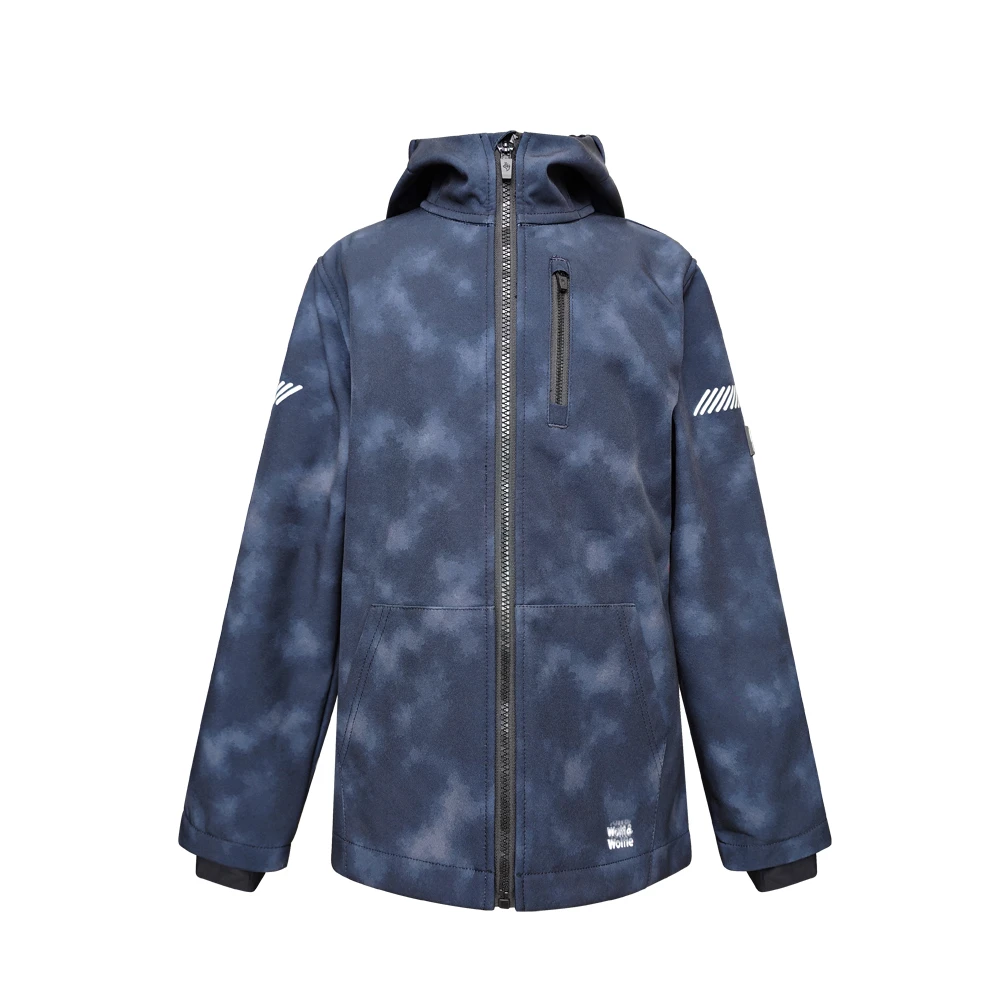
So, what exactly is a quilted cotton jacket? Simply put, it’s a jacket crafted by stitching together layers of cotton fabric with a soft filling—often cotton or recycled fibers—in between, creating a distinctive ‘quilted’ texture. This technique traps air and offers insulation without heavy synthetic materials. It’s basically a nod to old-fashioned utility combined with contemporary sustainability trends.
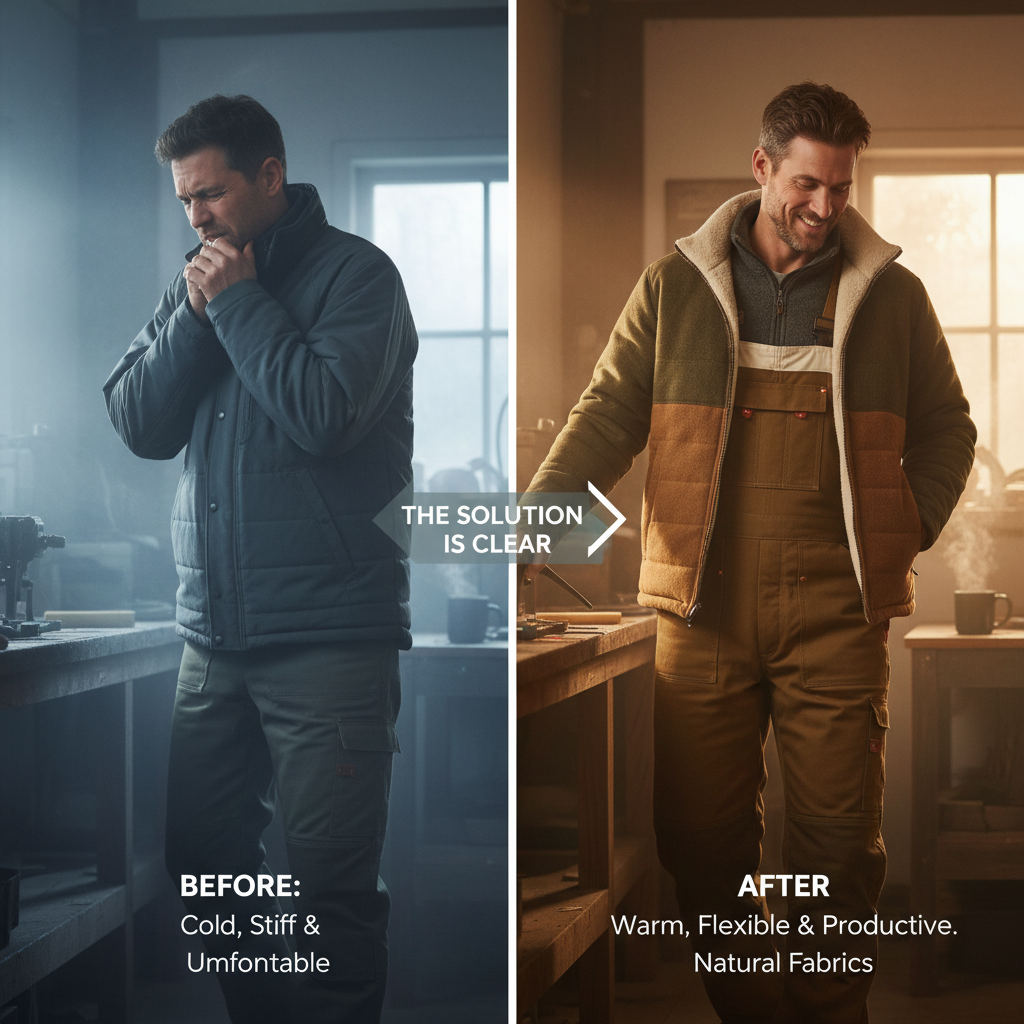
From an industry perspective, quilted cotton jackets address a key challenge: how to maintain comfort and functionality while reducing ecological footprints associated with synthetic insulation materials like polyester. Indeed, many humanitarian organizations prefer these jackets because they’re warm but breathable — ideal for unexpected weather conditions in relief zones.
Core Components of a Quilted Cotton Jacket
- Material Quality: Primarily natural cotton fibers, allowing breathability and hypoallergenic properties.
- Insulation Layer: The quilted padding – sometimes recycled cotton, wool blends, or other sustainable wicks – provides moderate warmth.
- Construction Technique: The quilting stitches not only keep layers in place but add durability and aesthetic charm.
- Design Elements: Functional features like zip closures, adjustable cuffs, and reinforced seams influence practical wearability.
- Eco-conscious Treatments: Many modern jackets integrate water-resistant coatings derived from plant-based oils or other green technologies.
In real terms, these aspects combine to produce a garment that’s lightweight yet warm, breathable yet protective — pretty impressive if you ask me.
Mini Takeaway:
The quilted cotton jacket is not just fashion; it’s a layered solution balancing sustainability, comfort, and resilience for various needs.
Global Applications & Real-World Uses
Quilted cotton jackets find uses across hemispheres and industries. For instance:
- Humanitarian Relief: Organizations working in post-disaster zones in South Asia and Africa often distribute these jackets because they’re easy to transport, eco-friendly, and suitable for unpredictable climates.
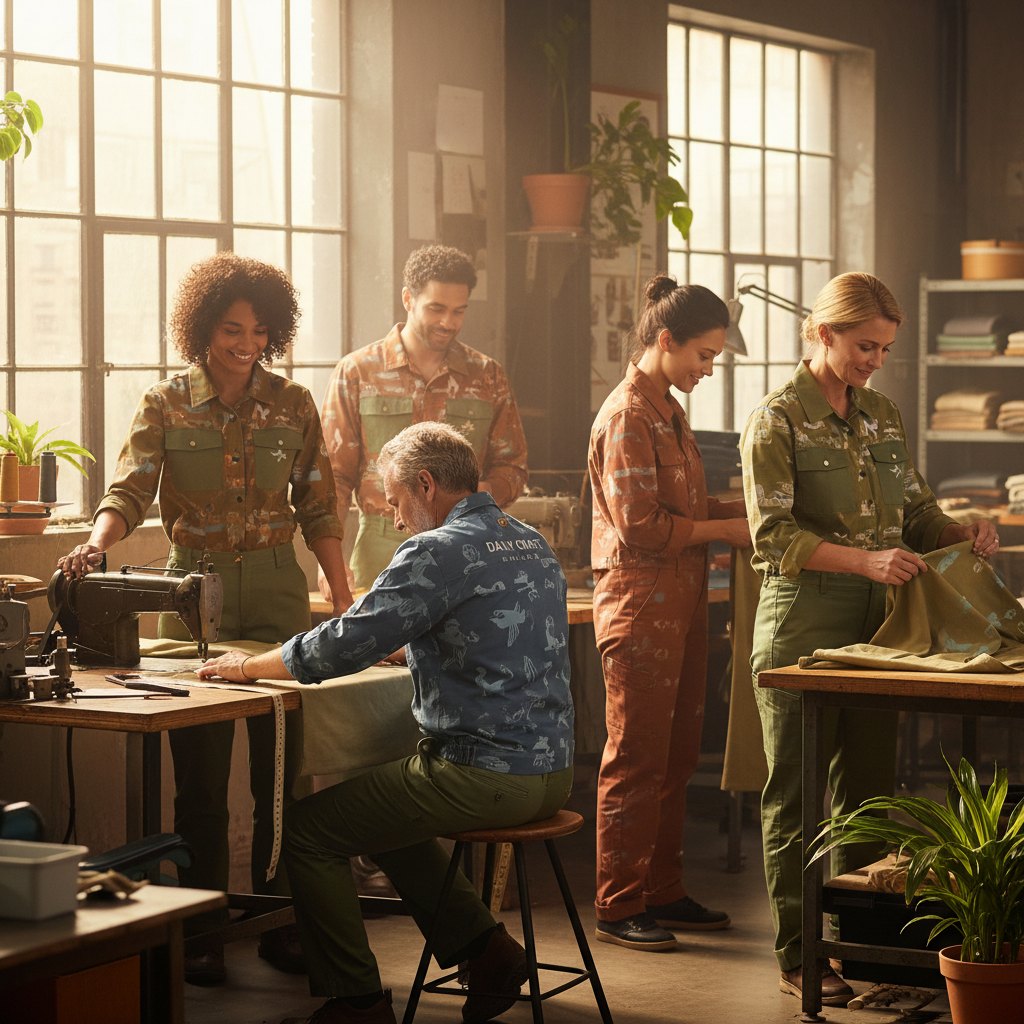
- Outdoor Workwear: Agricultural and forestry workers in Europe and North America appreciate the balance between warmth and breathability — crucial during active labor.
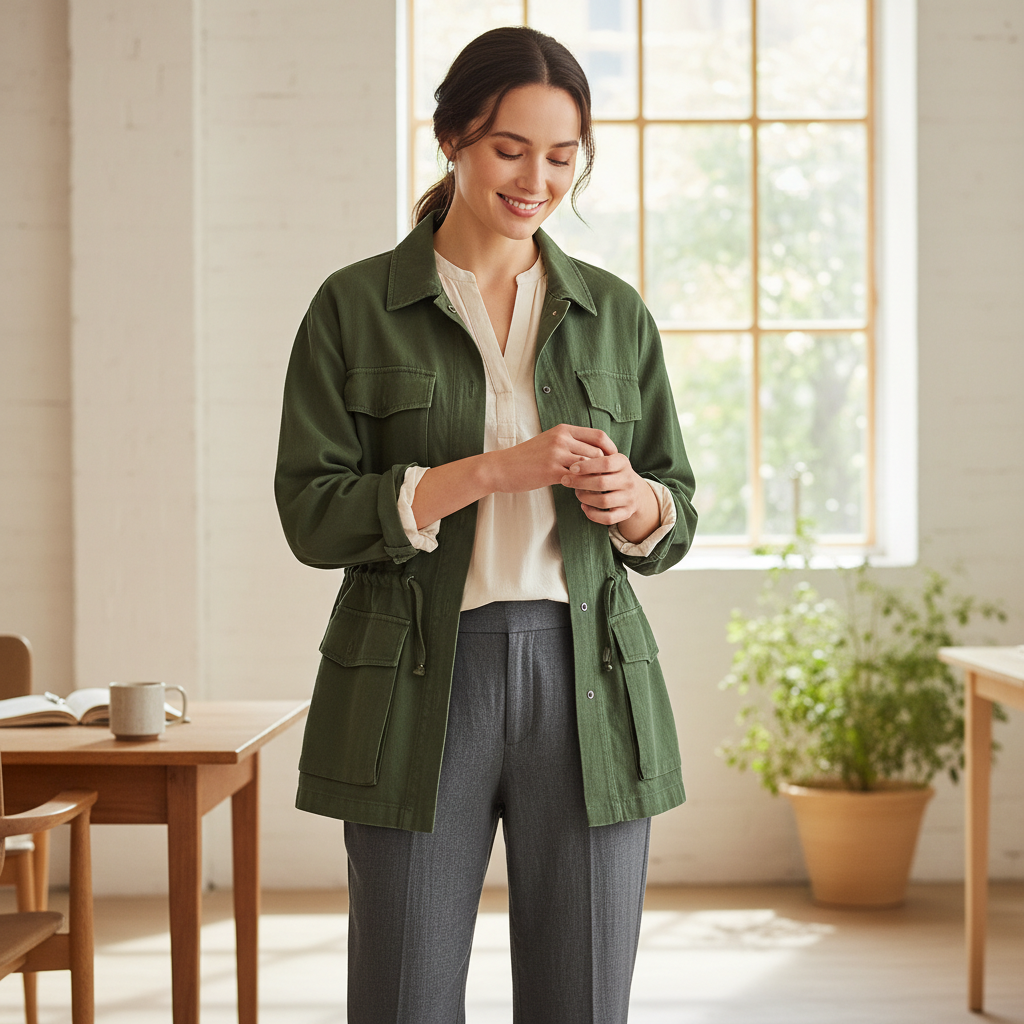
- Fashion Industry: Designers capitalize on the quilted aesthetics to blend retro style with modern sustainable fibers, appealing to conscious consumers worldwide.
- Everyday Casual Wear: Urban dwellers in temperate zones rely on these jackets as mid-weight layering pieces for transitional seasons.
Oddly enough, while the global south often serves as a distribution hub for synthetic gear, the quilted cotton jacket’s natural fiber story resonates with startups and NGOs focusing on low-impact clothing solutions.
Advantages & Long-Term Value
What’s particularly attractive about quilted cotton jackets? Here’s the gist:
- Cost Efficiency: Cotton, especially organic or recycled, remains affordable compared to exotic materials, reducing overall lifecycle costs.
- Sustainability: Cotton’s biodegradability, paired with eco-friendly treatments, minimizes environmental harm after disposal.
- Comfort & Safety: Breathable, hypoallergenic fabric enhances wearer comfort. This feeling of softness and warmth creates a sense of dignity, which NGOs often emphasize when distributing clothing.
- Durability: Proper quilting techniques ensure the jacket withstands repeated use, even in tough environments.
- Versatility: Suitable across casual, professional, and humanitarian contexts — a real multitasker.
Emotionally, it’s the trust in natural fibers over synthetics that resonates with many who seek “a jacket that feels right.” If you’ve ever worn one, you know what I mean.
Product Specifications of a Typical Quilted Cotton Jacket
| Feature | Specification |
|---|---|
| Shell Material | 100% Organic Cotton Canvas |
| Insulation | Recycled Cotton Batting, 120g/m² |
| Lining | Soft Cotton Flannel |
| Weight | 450 grams (Medium size) |
| Water Resistance | Plant-Based Durable Water Repellent (DWR) |
| Colors | Earthtones: Olive, Sand, Navy |
Vendor Comparison: Leading Quilted Cotton Jackets
| Brand | Sustainability | Price Range | Target Market | Unique Feature |
|---|---|---|---|---|
| EcoThreads | 100% organic cotton & recycled insulation | $120–$160 | Urban eco-conscious shoppers | Plant-based DWR finish |
| HeritageCraft | Natural cotton, traditional quilting | $140–$180 | Outdoor workers & artisans | Hand-stitched pattern |
| GreenLayer | Blended cotton-recycled polyester | $100–$130 | Mass-market eco brands | Cost-effective with sustainable mix |
Future Trends & Innovations
The quilted cotton jacket isn’t just stuck in the past. Innovation is alive and well, particularly on the sustainability front. New bio-based water repellents, like those derived from castor beans, are replacing petrochemical coatings. I expect wider adoption of regenerative cotton farming to improve the supply chain. There’s also a growing interest in integrating smart textiles with natural fibers — imagine a quilted jacket measuring your body temperature or adjusting insulation dynamically. It sounds like sci-fi, yes, but some R&D labs are already tinkering with these.
Additionally, digital transformation is trimming waste by enabling made-to-order production, which helps avoid overstock—a notorious issue in the apparel industry. Even automation in quilting has become more refined, allowing intricate patterns without compromising authenticity.
Challenges & Solutions
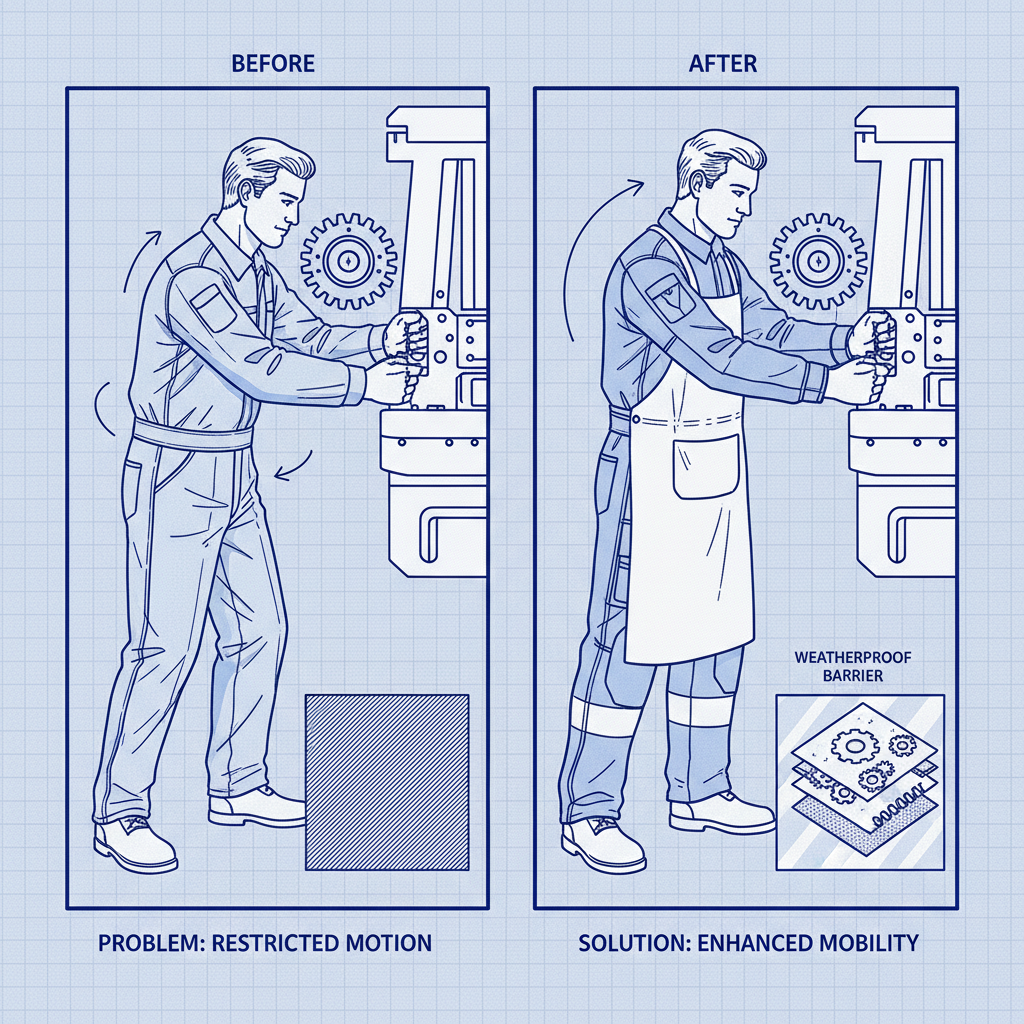
Now, nothing is perfect, right? Quilted cotton jackets face challenges like vulnerability to moisture saturation—cotton can hold water, which cools the wearer if the jacket isn’t treated properly. Plus, achieving consistent quilting quality is tricky; poor stitching can lead to ‘cold spots.’
Solutions? Well, incorporating eco-conscious water repellents and hybrid blends can reduce moisture problems. Skilled craftsmanship or advanced automated quilting machines help maintain uniform insulation. Sometimes, layering these jackets with technical baselayers solves weather-related challenges too.
FAQ: Frequently Asked Questions About Quilt Cotton Jackets
- Q: How warm is a quilted cotton jacket compared to synthetic ones?
A: Quilted cotton jackets provide moderate warmth suitable for mild to cool weather. They excel in breathability but may not retain as much heat as heavyweight synthetics in extreme cold. Layering is recommended for harsher climates. - Q: Are quilted cotton jackets environmentally friendly?
A: Yes, when made from organic or recycled cotton and treated with plant-based finishes, they offer a sustainable alternative to fully synthetic jackets, reducing microplastic pollution and improving biodegradability. - Q: Can these jackets be machine washed?
A: Generally, yes. Recommended care is gentle machine wash with cold water and mild detergent to preserve fabric integrity and water repellent treatments. Always check the manufacturer’s label. - Q: Do quilted cotton jackets provide water resistance?
A: On their own, cotton isn’t waterproof, but many quilted jackets feature eco-friendly DWR coatings. These repel light rain but aren’t suitable for heavy downpours. A rain shell might be needed for wet conditions. - Q: How to choose the right fit for a quilted cotton jacket?
A: Consider layering needs. A slightly looser fit allows for sweaters underneath. Also, check sleeve length and shoulder width to ensure comfortable movement, especially for outdoor work or active wear.
Conclusion
In essence, the quilted cotton jacket represents a fascinating intersection of tradition, sustainability, and practical design. It’s more than just apparel — it’s a small but meaningful piece of the global effort toward eco-conscious consumption and resilient functionality. Whether you’re hiking in the foothills, distributing aid in unpredictable climates, or just looking to upgrade your wardrobe sustainably, this jacket earns its keep.
Explore our wide selection of quality, durable quilted cotton jackets and experience the blend of comfort and conscientious design firsthand.
References
Remember, a good jacket is not just about style — it’s about the story you wear and the world you protect.