Understanding the Ladies Cotton Jacket: A Blend of Comfort, Style, and Sustainability
In a world that increasingly values versatility and eco-friendliness, the ladies cotton jacket stands out as a wardrobe essential. More than just a style statement, these jackets weave together comfort, practicality, and environmental considerations—touching on global trends in fabric sourcing, garment manufacturing, and sustainable fashion. Given the growing textile industry's impact on the environment, having a clear grasp of what a ladies cotton jacket brings to the table isn’t just for fashionistas; it’s a nod toward smarter consumer choices worldwide.
Global Context: Why Ladies Cotton Jackets Matter Today
The fashion industry accounts for roughly 10% of global carbon emissions, not to mention water usage and waste challenges (source: UNEP). Cotton remains a powerhouse fiber, but its environmental footprint encourages brands and consumers to rethink sourcing, recycling, and garment lifespan. Ladies cotton jackets serve as a perfect case study in this shift: they’re widely used from chilly urban streets in Europe to temperate climates in Asia, but the materials and production methods used are evolving rapidly to meet sustainable standards.
Challenges like microplastic pollution from synthetic fibers and water stress from cotton farming persist, which leads to innovations in organic cotton, better dyeing techniques, and supply chain transparency. The rise of the ladies cotton jacket also highlights a push toward products that are both fashionable and functional — meeting consumer demands for durability, softness, and ethical production.
What Exactly Is a Ladies Cotton Jacket?
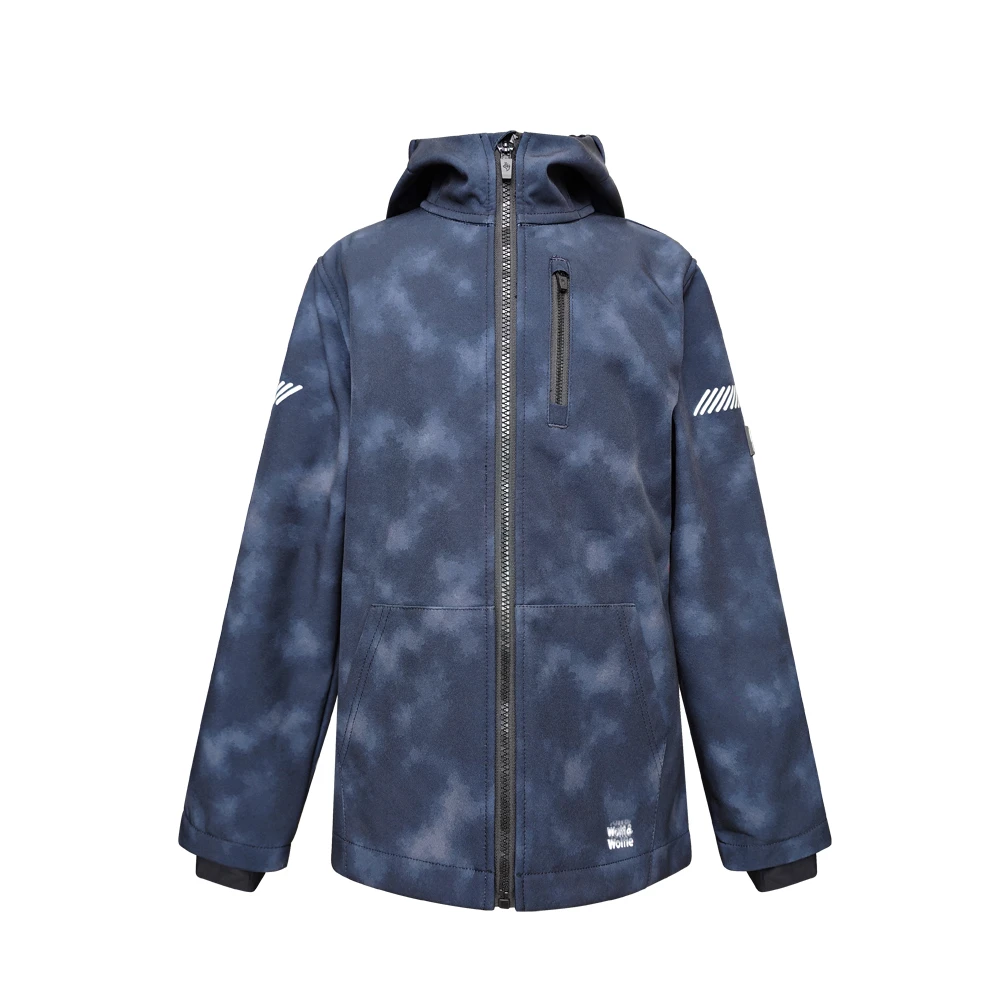
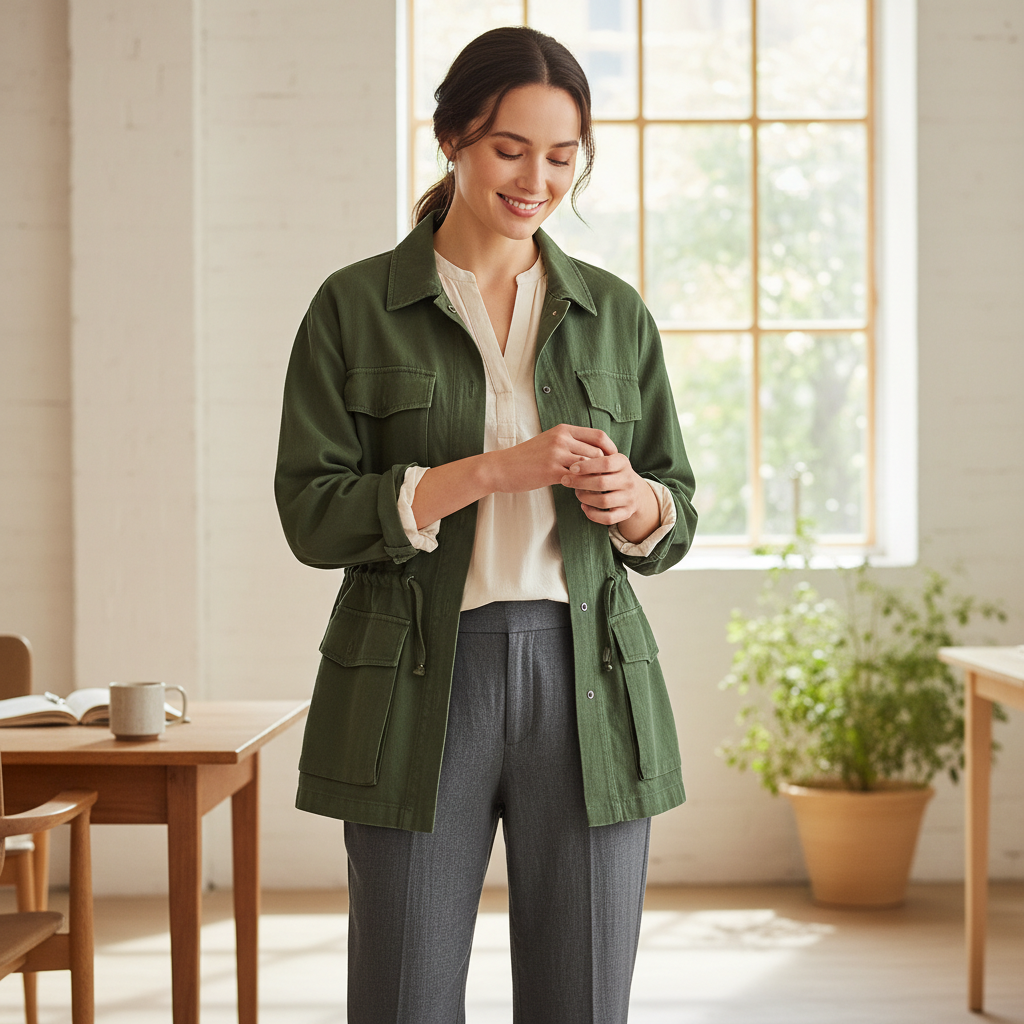
Simply put, a ladies cotton jacket is a lightweight to medium-weight outerwear garment primarily made from cotton fibers. It’s designed to provide warmth and style without relying heavily on synthetic materials. Cotton is prized for its breathability, moisture absorption, and natural comfort. When tailored into jackets for women, the fabric’s natural texture adds an understated elegance combined with practicality.
From a humanitarian or industrial lens, these jackets are invaluable in regions needing reliable clothing that can withstand variable weather without causing skin irritation or discomfort. Lightweight cotton jackets are often favored by aid organizations distributing garments in areas where climate conditions shift frequently—think mild cold nights or breezy days.
Key Aspects of Ladies Cotton Jackets
1. Durability and Comfort
Cotton’s fine weave subtly balances softness against wear resistance. Jackets crafted from high-quality cotton twill or canvas fabrics hold up surprisingly well to everyday use. They don’t trap heat or sweat, which makes them ideal for layered dressing. Many manufacturers now combine cotton with a small percentage of elastane or polyester to enhance stretch and shape retention without losing the charm of natural fibers.
2. Sustainability and Environmental Impact
Organic and Fair-Trade cotton certifications have gained traction, offering consumers assurance about ecological farming practices and ethical labor. Choosing a ladies cotton jacket made from these materials supports reduced pesticide use and lower water consumption. Plus, more brands are implementing closed-loop dyeing and recycling programs, effectively shrinking their carbon footprints.
3. Style Versatility
From cropped bomber styles to longer, trench-inspired cuts, women’s cotton jackets fit seamlessly into various outfit combinations. Their neutral texture lends itself well to both casual and semi-formal wear. Seasonal colors and accents—buttons, embroidery, or patches—add personality without clutter.
4. Cost Efficiency
Cotton jackets often come at a moderate price point compared to leather or technical synthetic jackets, making them accessible to a broad demographic. Their easy maintenance (often machine washable) also translates into long-term savings for users.
Product Specification Table: Typical Ladies Cotton Jacket
| Specification | Details |
|---|---|
| Fabric | 100% Organic Cotton (sometimes blended with 5% elastane) |
| Weight | 280-320 gsm (grams per square meter) |
| Lining | Unlined or light cotton voile lining |
| Care | Machine washable, gentle cycle |
| Sizes | XS to XXL (inclusive fit options) |
| Colors | Neutral tones (khaki, navy, cream), seasonal pastels |
Where Are Ladies Cotton Jackets Used Most?
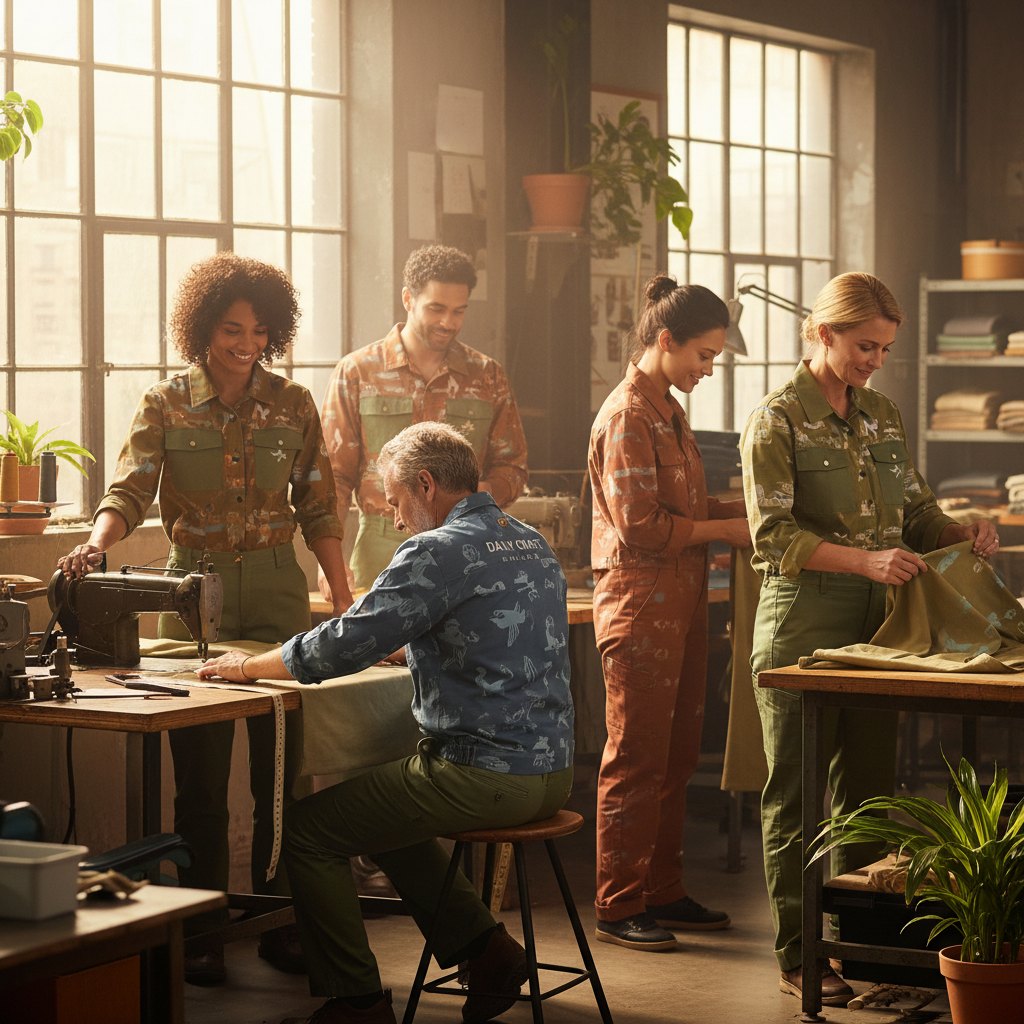
Their popularity spans continents, from urban fashion hubs like Milan and New York to more practical roles in humanitarian aid regions such as Southeast Asia and East Africa. Non-governmental organizations often prefer these jackets for relief workers because they offer comfort and a presentable look when engaging with local communities.
In somewhat colder climates—British Isles, parts of Canada—cotton jackets function well as layering pieces during spring or fall. And in industrial zones, where protective outerwear is required but breathability is essential, they strike an excellent balance. For instance, manufacturing plants in India and Brazil frequently outfit female staff with these garments, appreciating the combination of durability and ease.
Comparing Leading Vendors of Ladies Cotton Jackets
| Vendor | Sustainability | Price Range | Design Variety | Global Reach |
|---|---|---|---|---|
| EcoWeave Apparel | 100% organic cotton, Fair Trade certified | $80–120 | Classic & modern cuts, limited edition prints | North America, Europe |
| PureThread Co. | Mixed organic/synthetic blends, eco-friendly dyes | $60–90 | Sportier, casual wear focus | Asia, Australia |
| GreenFashion Ltd. | Uses recycled cotton blends, carbon-neutral factories | $90–130 | Trend-forward styles, seasonal updates | Europe, South America |
Advantages and Lasting Value of Ladies Cotton Jackets
Well, it’s more than just fabric, isn’t it? The tangible benefits of a ladies cotton jacket include:
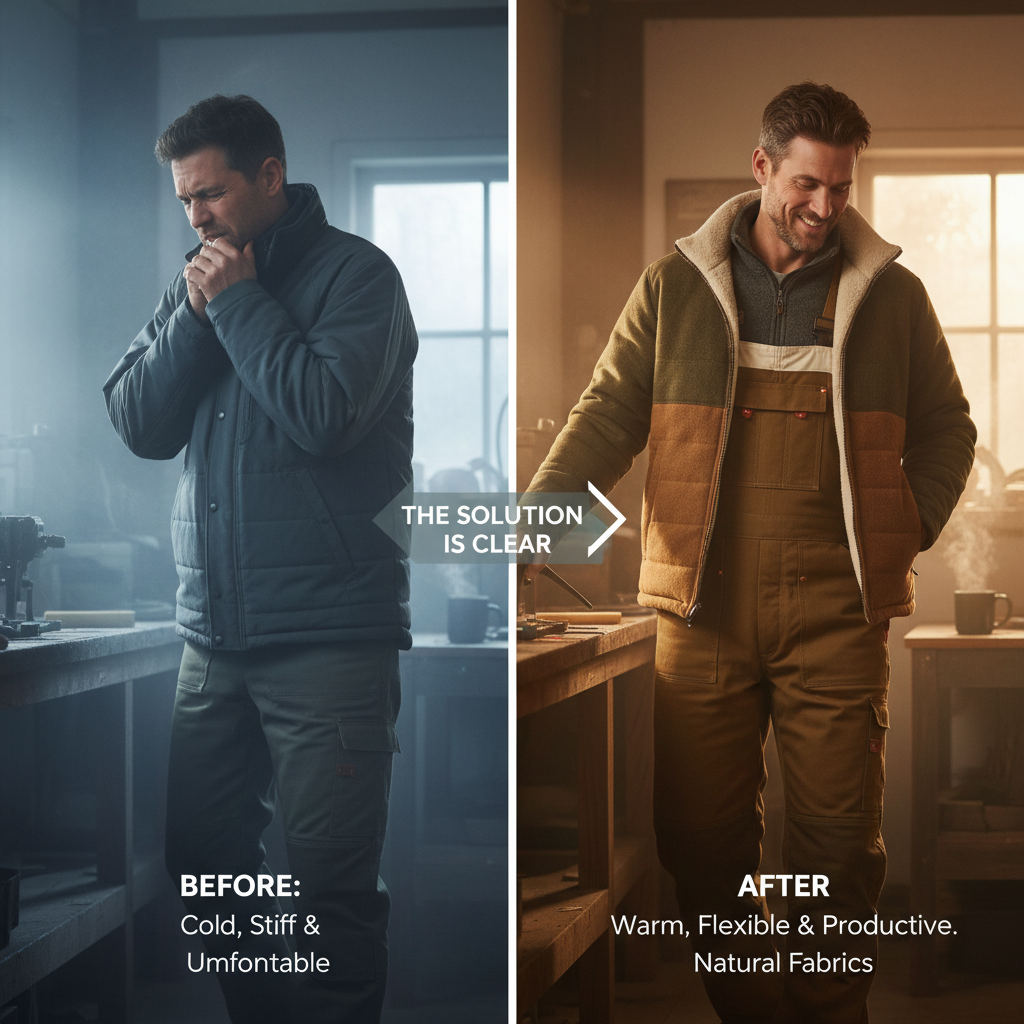
- Comfort & breathability: Cotton’s natural fibers regulate temperature better than synthetics, reducing sweating and irritation.
- Environmental impact: Organic cotton jackets support sustainable agriculture, reducing harmful chemicals and conserving water.
- Durability & longevity: Good-quality cotton jackets last multiple seasons, representing a smarter investment.
- Social impact: Supporting producers that work ethically means contributing to fair wages and safe workplaces, often uplifted by certification programs.
- Style & versatility: Easily adaptable across seasons and occasions, suitable for urban and rural lifestyles alike.
On a human level, there’s something quietly reassuring about slipping into a comfortable cotton jacket — it’s safe, gentle, and dependable. The fabric ages gracefully, rounding off the feeling of trust and familiarity one grows to appreciate.
Future Trends and Innovations in Ladies Cotton Jackets
The future looks bright—and perhaps a little tech-savvy—for these staples. Innovations include:
- Smart textiles: Integrating moisture-wicking or anti-bacterial finishes that still respect the cotton base.
- Recycled cotton blends: Companies are pushing hard to produce jackets from post-consumer textile waste, closing the loop on fashion waste.
- Digital customization: Allowing consumers to design colors, fits, or embroidery designs online, championed by emerging e-commerce platforms.
- Supply chain transparency: Blockchain and QR tagging giving buyers full insight into the cotton’s journey from field to fabric.
- Policy shifts: Legislative encouragements worldwide are favoring sustainable textile production, possibly taxing less eco-friendly fabrics.
Common Challenges and Practical Solutions
Despite all the positives, ladies cotton jackets face some hurdles:
- Water consumption during cotton growth: Mitigated by favoring organic and rain-fed cotton sources.
- Wrinkling and shrinkage: Addressed through pre-washing and fabric blending techniques.
- Durability in harsh weather: Overcome by hybridizing cotton with tougher fibers, or adding functional coatings.
- Price sensitivity: Offering tiered product lines from budget to luxury made the choice easier for different markets.
Innovators suggest continued research into sustainable cotton farming and expanded recycling options will ultimately unlock even greater potential.
FAQ: Practical Questions About Ladies Cotton Jackets
Q1: Are ladies cotton jackets suitable for cold weather?
A1: Cotton jackets on their own are best for mild to moderate temperatures. For cold climates, layering with insulated garments underneath is recommended. Some cotton jackets come with added linings to enhance warmth.
Q2: How can I tell if a cotton jacket is sustainably made?
A2: Look for certifications like GOTS (Global Organic Textile Standard) or Fair Trade. These indicate organic farming practices and ethical labor conditions. Vendor transparency through labeling or QR codes helps too.
Q3: Are cotton jackets easy to care for?
A3: Generally, yes. Most can be machine washed using gentle cycles and cold water to prevent shrinkage. Always check care tags for special instructions.
Q4: Can cotton jackets be customized?
A4: Absolutely. Many brands offer customization options like color choices, trims, and embroidery. Online configurators make personalizing jackets enjoyable and easy.
Q5: Why choose a ladies cotton jacket over synthetic alternatives?
A5: Natural cotton offers better breathability, is biodegradable, and tends to be kinder on sensitive skin. Plus, it aligns better with sustainable fashion goals compared to synthetic fibers.
Wrapping Up: Why Ladies Cotton Jackets Are a Smart Wardrobe Choice
It’s easy to underestimate how much a simple garment can contribute—not just to your look, but to the planet and society. Ladies cotton jackets blend comfort, style, and sustainability in a way that feels both timeless and modern. If you’re considering updating your outerwear, why not explore options that respect nature and people? Visit our website to browse a diverse collection of ladies cotton jacket styles designed to fit your lifestyle and values.
After all, the right jacket isn’t just about weather protection—it’s about identity, responsibility, and, simply, feeling good.