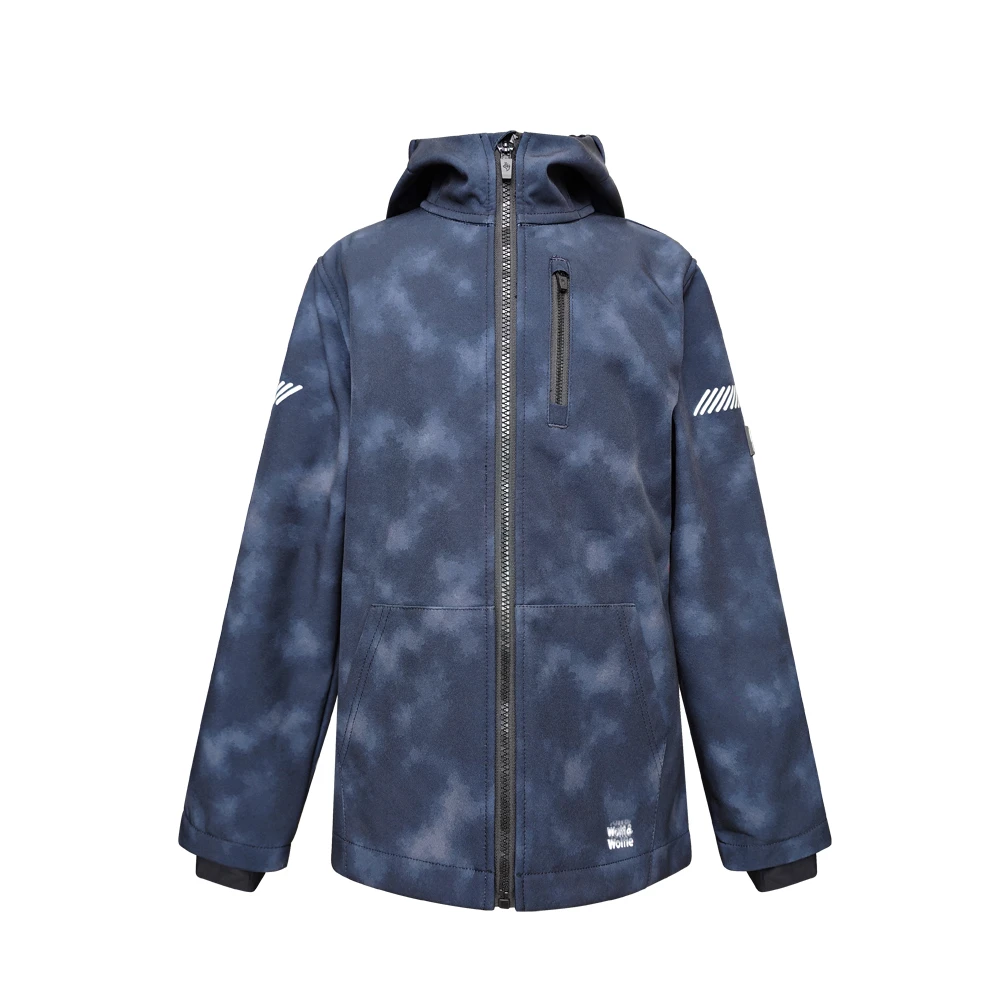
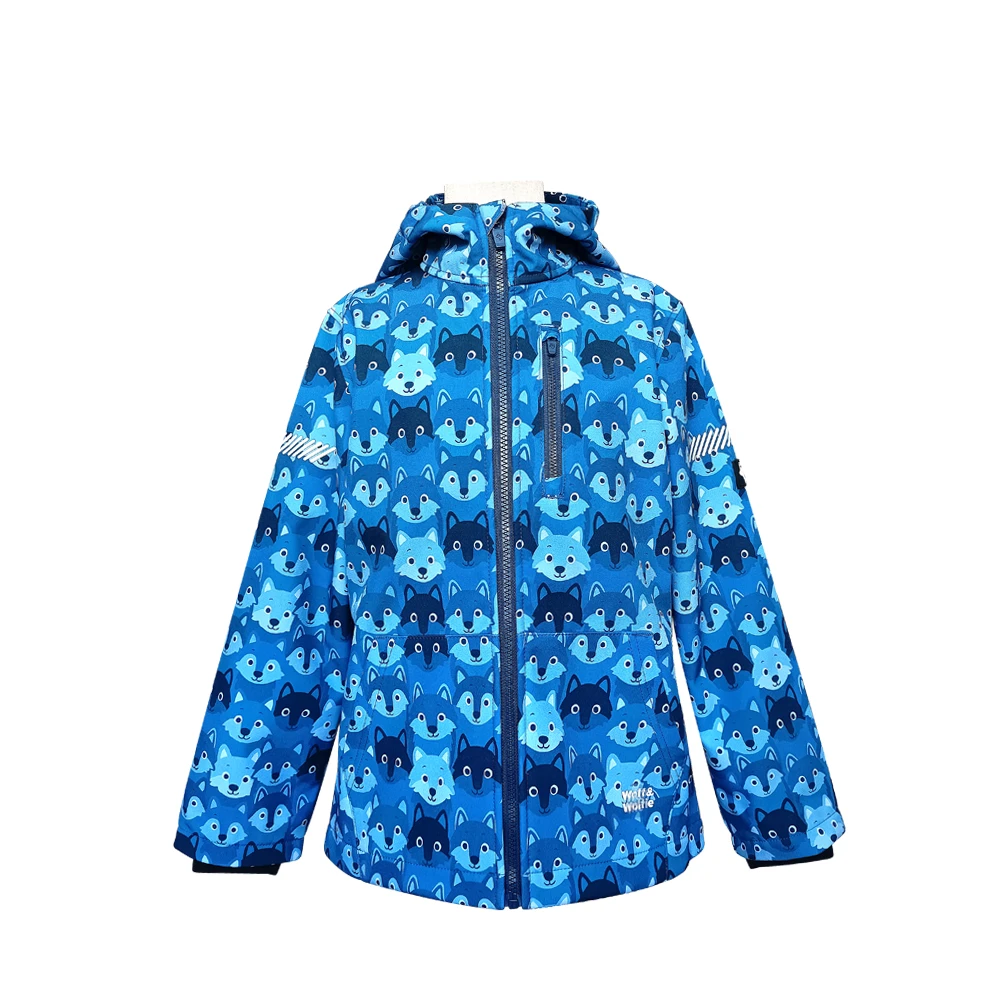
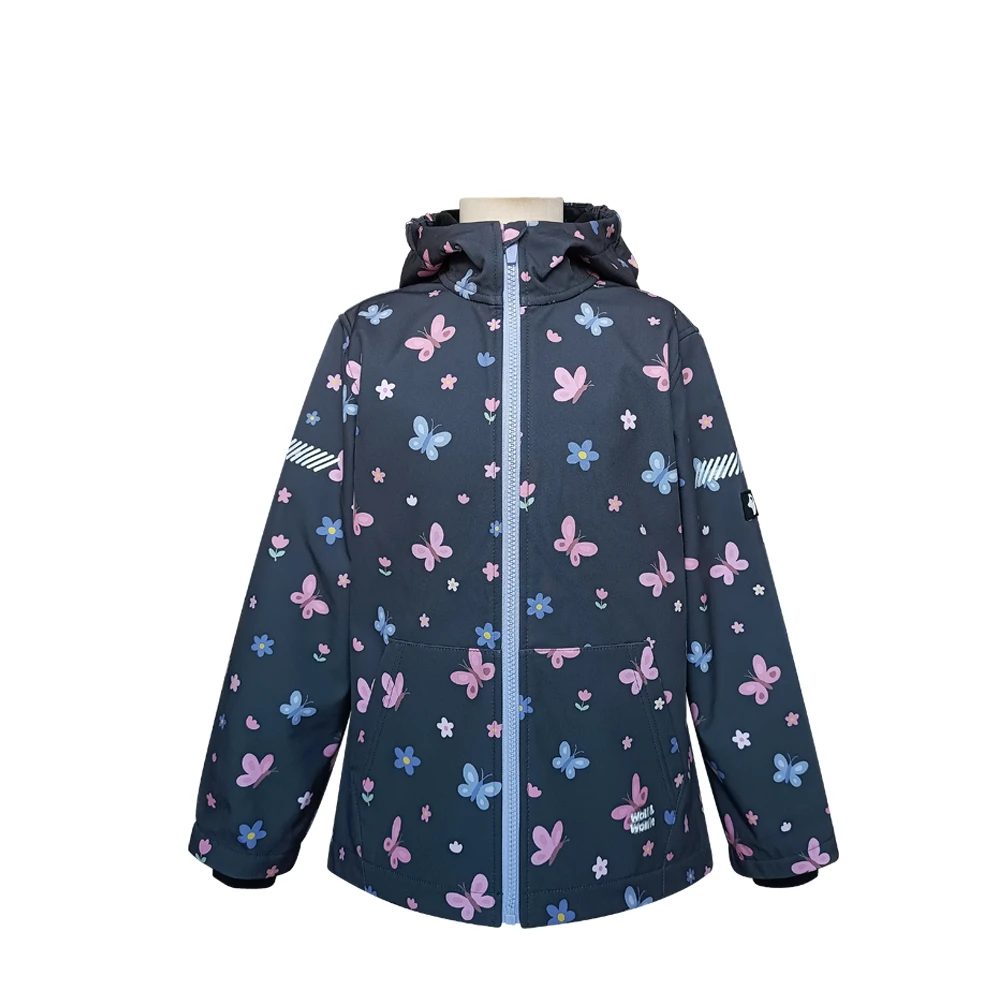
Long Cotton Jacket: Global Relevance, Benefits, and Applications
The long cotton jacket isn’t just a cozy wardrobe staple; it carries significance that stretches far beyond fashion. Today, this garment responds to global demands for sustainable materials, versatile protection, and cultural adaptability. Understanding its features and impact invites us to appreciate how a seemingly simple cloth item interfaces with industries, humanitarian efforts, and evolving consumer expectations worldwide.
Introduction: The Global Scope of Long Cotton Jackets
Globally, cotton remains one of the most widely cultivated natural fibers—with the Food and Agriculture Organization reporting over 25 million hectares dedicated to its growth annually. The long cotton jacket is an evolution in apparel shaped by this abundance. It serves not only as a practical garment for diverse climates but also as an emblem of sustainable fashion trends that incorporate organic, biodegradable fibers.
But the need for such jackets extends beyond casual wear. In sectors spanning humanitarian aid, outdoor workwear, and even light industrial environments, long cotton jackets address challenges like durability, breathability, and climate adaptability. Frankly, they fill a niche that blends comfort and function, crucial in global settings where synthetic alternatives might cause irritation or environmental harm.
What Exactly Is a Long Cotton Jacket?
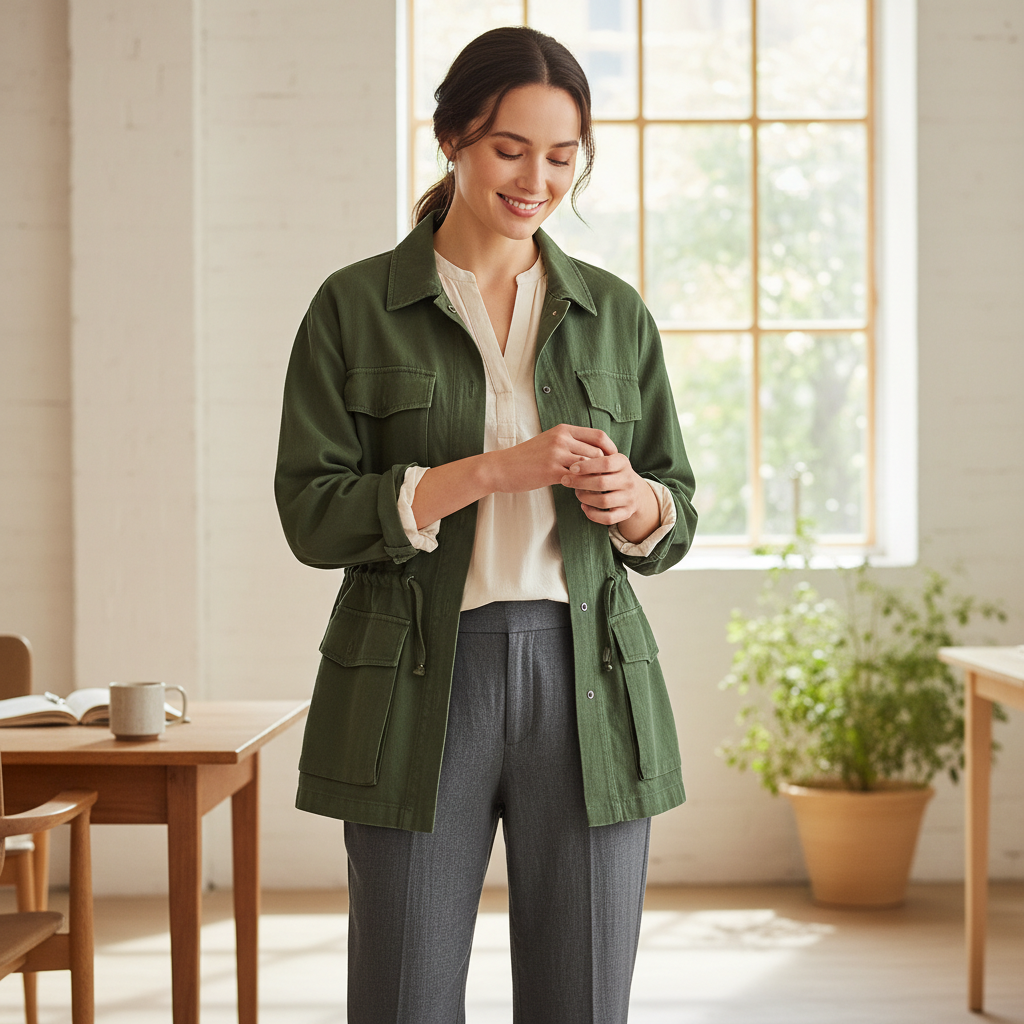
In simplest terms, a long cotton jacket is an outerwear garment made primarily from cotton fabric, designed with a length that often covers below the hips, sometimes reaching the knees or beyond. Its natural fiber composition offers breathability and moisture absorption unlike polyester or nylon counterparts. This versatility positions the garment as a go-to across modern industries—from fashion boutiques to aid organizations supplying clothing in disaster-stricken areas.
The long cotton jacket’s impact also connects to humanitarian needs: cotton’s biodegradability and comfort make it optimal for relief efforts where heat management and long wearability matter greatly.
Essential Attributes of the Long Cotton Jacket
Durability
Cotton fabrics vary in weave and weight, but the long cotton jacket often features tightly woven or reinforced stitching to stand up against rough usage. You might think cotton is delicate—yet, with industrial-grade textiles, these jackets handle frequent wear quite resiliently.
Breathability & Comfort
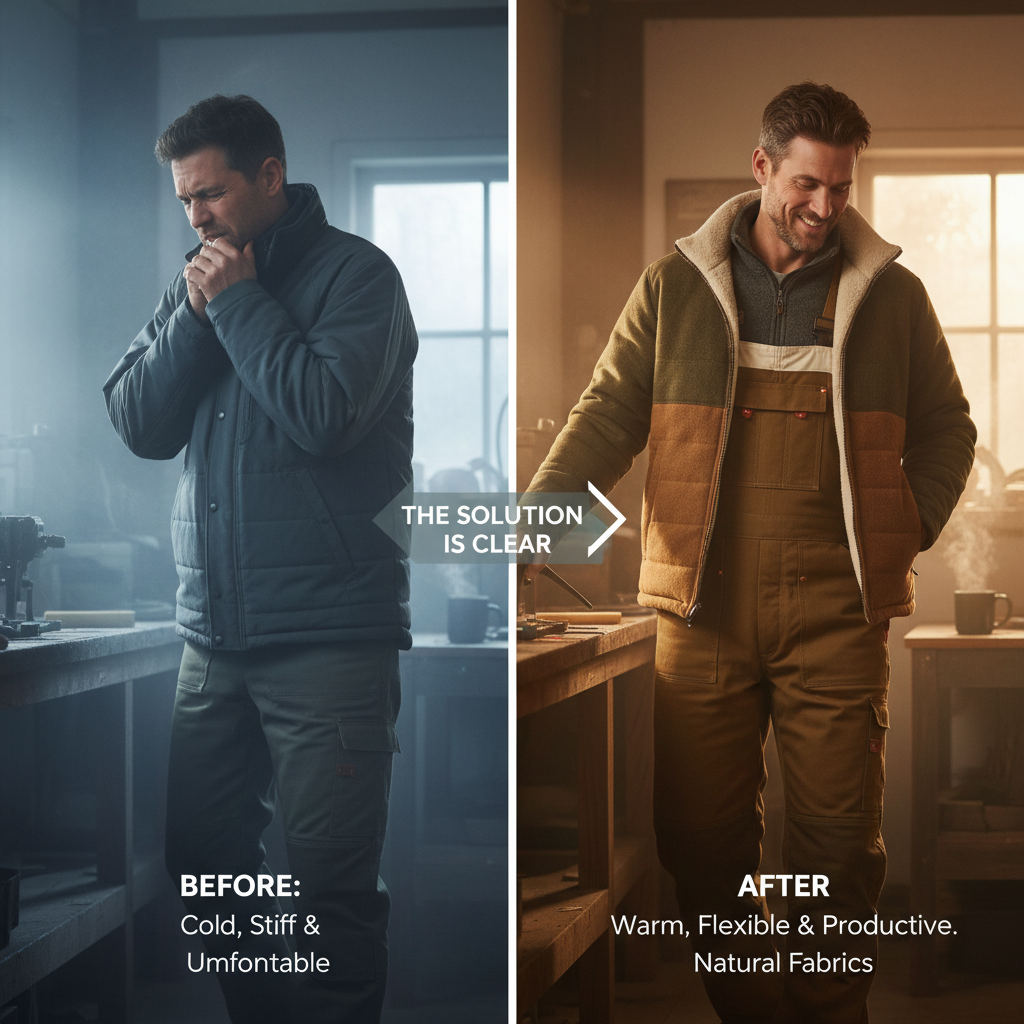
This is where cotton shines. Especially for workers outdoors or those in varying climates, the jacket regulates temperature better than many synthetics, reducing sweat build-up and skin irritation.
Sustainability
Cotton is renewable and biodegradable. Compared to synthetic materials derived from petroleum, the carbon footprint is significantly lower, making long cotton jackets desirable in eco-conscious markets and green initiatives.
Cost Efficiency
While the initial cost of organic or premium cotton jackets can be higher, they often outlast cheaper synthetic counterparts when cared for properly. This translates to better value over time—especially when large-scale procurement is involved.
Cultural & Industrial Adaptability
Cotton jackets adapt well to regional styles and requirements—whether that’s layering for colder climates or lightweight versions for tropical zones. Industries from manufacturing to NGO relief programs customize these jackets accordingly.
Global Applications and Real-World Use Cases
- Humanitarian Relief: In post-disaster zones, organizations supply long cotton jackets to protect displaced populations from harsh weather, balancing affordability and comfort.
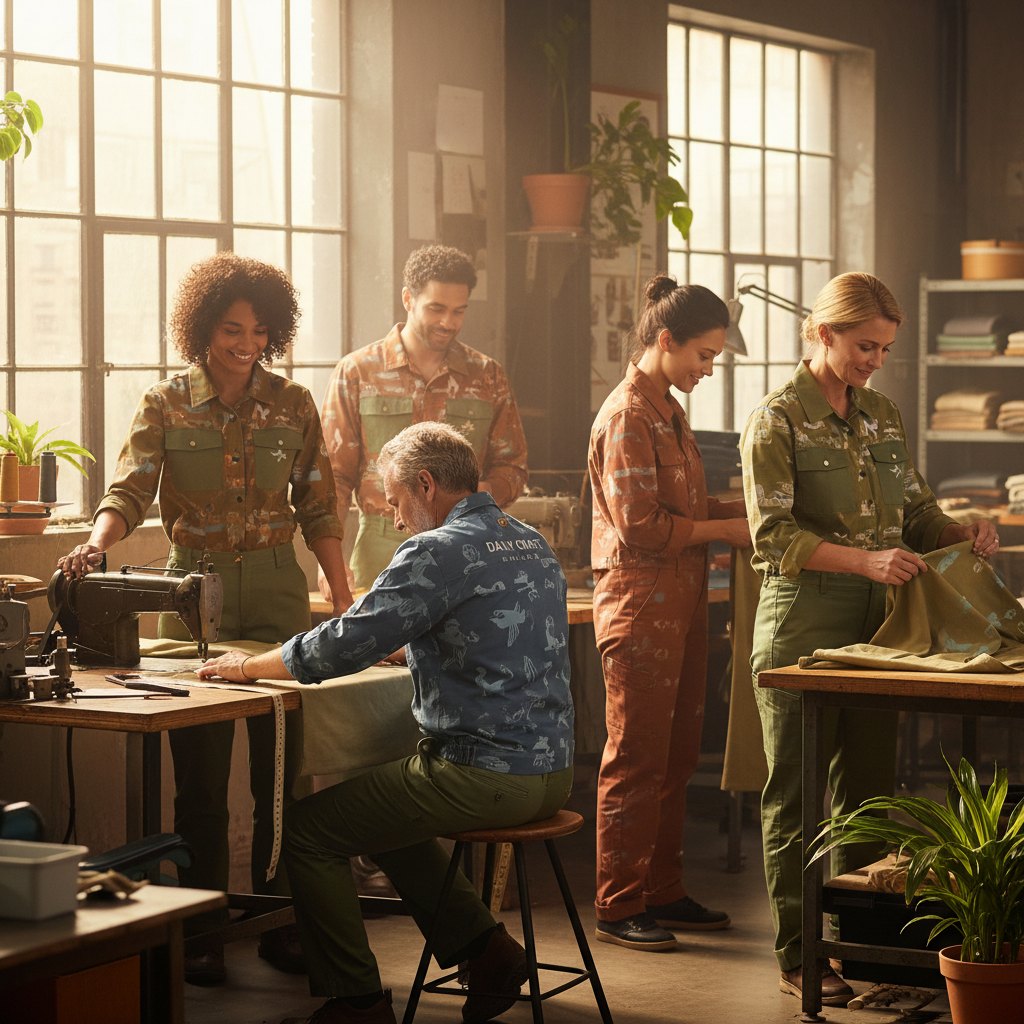
- Industrial Workwear: Factories and remote sites use cotton jackets for their resistance to heat and breathability, keeping workers both safe and comfortable.
- Fashion Markets: Sustainable brands are increasingly offering long cotton jackets as environmentally friendly alternatives that fit consumer desires.
- Agricultural Communities: Farmers in regions like India and Africa rely on cotton outerwear to shield from sun and insects while allowing air circulation.
Mini takeaway: The versatility of the long cotton jacket creates a bridge between pragmatic utility and cultural diversity on a global stage.
Advantages & Long-Term Benefits
Emphasizing comfort and eco-friendliness, these jackets speak to sustainability goals increasingly championed by international bodies like the United Nations (see UN Sustainable Development Goal 12 for responsible consumption). Plus, they foster dignity and safety—whether comforting a shelter resident or enabling a factory worker to endure long shifts.
From a logical perspective, investing in quality cotton jackets reduces replacement cycles and environmental waste. Emotionally, wearing natural fibers can foster a sense of well-being many synthetics lack.
Product Specifications: Typical Long Cotton Jacket
| Specification | Details |
|---|---|
| Material | 100% organic cotton or cotton blend |
| Length | Typically mid-thigh to knee-length |
| Weave | Twill, canvas, or duck weave commonly used |
| Weight | 250–400 gsm (grams per square meter) |
| Additional features | Reinforced stitching, adjustable cuffs, pockets |
Vendor Comparison: Market Leaders for Long Cotton Jackets
| Vendor | Sustainability | Price Range | Customization |
|---|---|---|---|
| EcoThreads | Certified organic cotton, fair trade | $$$ (premium) | Color, length, logos |
| WorkGuard Apparel | Blended cotton with recycled fibers | $$ (mid-range) | Sizes, reinforced stitching |
| Cottonline Co. | Standard cotton, limited certifications | $ (budget) | Basic colors only |
Future Trends and Innovations
Sustainability continues to guide long cotton jacket development. Technologies like organic dyeing and waterless finishing reduce environmental impact dramatically. Also, the integration of smart textiles—though still emerging—may soon enable cotton jackets that regulate temperature dynamically. On the policy side, ISO standards around sustainable fabric sourcing evolve to encourage transparency and ethical manufacturing worldwide.
Digitally, supply chain traceability tools are becoming common, helping brands prove their long cotton jackets meet consumer expectations for eco and social responsibility. Frankly, this sector feels ripe for innovation, blending heritage textiles with modern tech to meet 21st-century challenges.
Challenges & Expert Solutions
Despite many good things, cotton cultivation and garment production come with challenges—water usage, pesticide application, and sometimes labor issues. Conscious brands mitigate these by sourcing organic or Better Cotton Initiative certified fibers, employing fair labor practices, and using efficient manufacturing techniques.
Additionally, cotton's natural tendency to shrink or wrinkle demands design adaptations—pre-shrinking fabrics or blending small percentages of synthetic fibers can help without sacrificing biodegradability too much.
FAQ: Common Questions about Long Cotton Jackets
- Q: How durable is a long cotton jacket compared to synthetic jackets?
A: Properly woven and reinforced long cotton jackets offer surprisingly strong durability, though synthetics may excel in water resistance and tear strength. Maintenance and context of use often determine the best choice. - Q: Can long cotton jackets be machine washed without damage?
A: Yes, most are machine washable on gentle cycles. Always check care labels, but cotton generally fares well if not exposed to high heat or harsh detergents. - Q: Are long cotton jackets suitable for all climates?
A: They excel in temperate to warm regions due to breathability, but layering with other garments is advised in cold or wet environments. - Q: How can NGOs acquire customized long cotton jackets for relief projects?
A: Many vendors offer bulk orders with customization options like logos and color schemes. NGOs often partner with suppliers dedicated to ethical sourcing and quick turnaround.
Conclusion: Why the Long Cotton Jacket Matters
In real terms, the long cotton jacket combines comfort, sustainability, and adaptability in a garment that suits diverse global needs—from everyday wear to specific industrial and humanitarian contexts. Choosing such jackets supports environmental goals and social responsibility while offering users reliable protection and style. If you’re interested, explore tailored options at our website: long cotton jacket.
Here’s to embracing nature’s fabric with a modern twist—because sometimes, tradition and innovation really do walk hand in hand.
References:
1. Food and Agriculture Organization (FAO), Statistics on Cotton Production, 2023
2. United Nations Sustainable Development Goals (UN SDG 12), Responsible Consumption and Production
3. ISO 14067:2018 – Carbon footprint of products — Requirements and guidelines