Understanding the Importance of Girls Rain Coat in Today’s World
Girls rain coats might sound like a simple, everyday item, but they play a surprisingly pivotal role globally. Fundamentally, they protect young girls from harsh weather — rain, wind, and cold — which in turn helps prevent illnesses and keeps them comfortable and confident. But beyond just being a piece of apparel, these specialized coats also reflect advances in textile technology, sustainability, and social responsibility in the fashion industry.
On a global scale, rainwear is more than just protection from the elements; it ties into public health, education, and gender equity. According to the World Health Organization (WHO), children exposed to cold and wet conditions are at greater risk for respiratory diseases, which can lead to missed school days and slow development. This fact alone elevates the importance of reliably waterproof, breathable girls rain coats — especially in regions prone to heavy rainfall and humid climates.
Introduction: The Global Context of Girls Rain Coat
The global market for rain gear has expanded tremendously, with children’s outerwear being a significant segment. According to a recent report by Statista, the demand for functional yet stylish children’s rainwear has grown by approximately 7% annually over the last five years. This growth is fueled partly by increasing awareness of outdoor health benefits and partly by fashion trends emphasizing functional apparel for kids.
However, there remains a challenge in meeting the growing needs, particularly in underserved areas across Southeast Asia, Sub-Saharan Africa, and parts of South America where weather is unpredictable and protective clothing is scarce. NGOs and humanitarian firms have flagged the lack of proper girls rain coats as a barrier to keeping children safe during rainy seasons.
What Exactly Is a Girls Rain Coat?
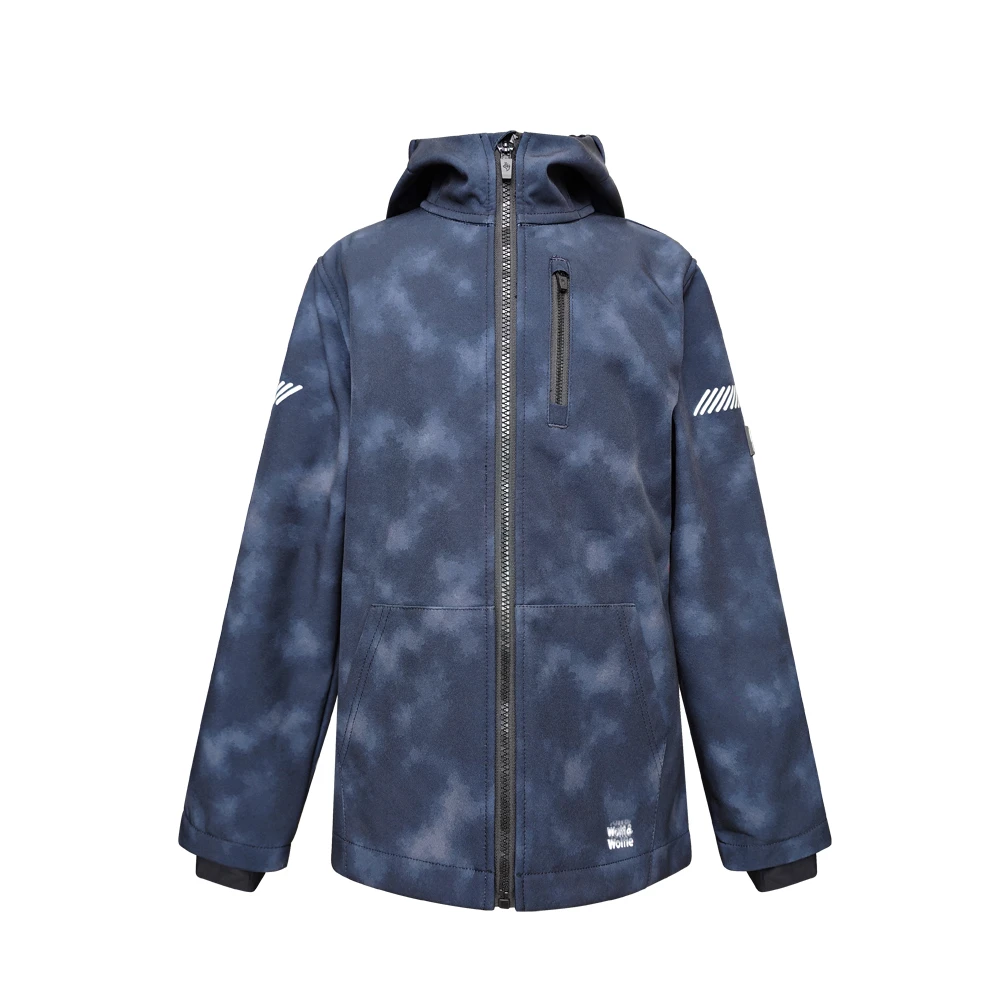
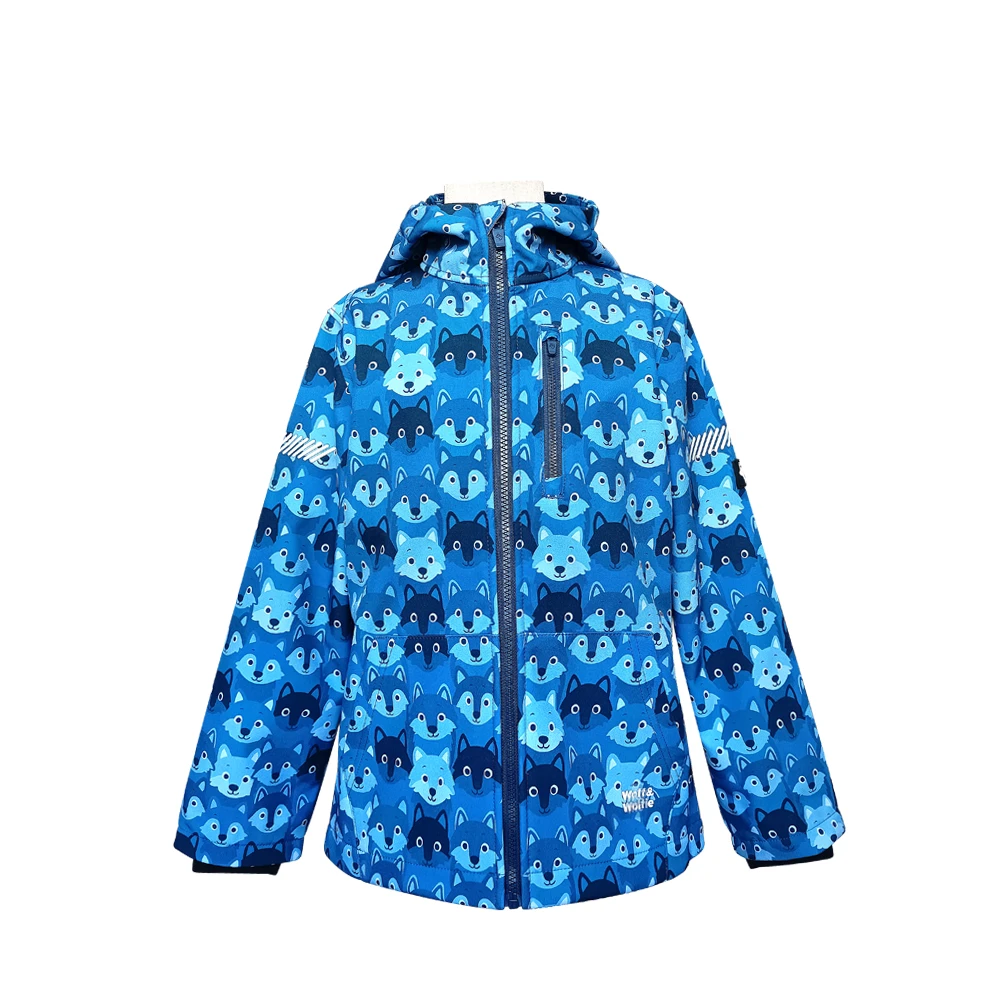
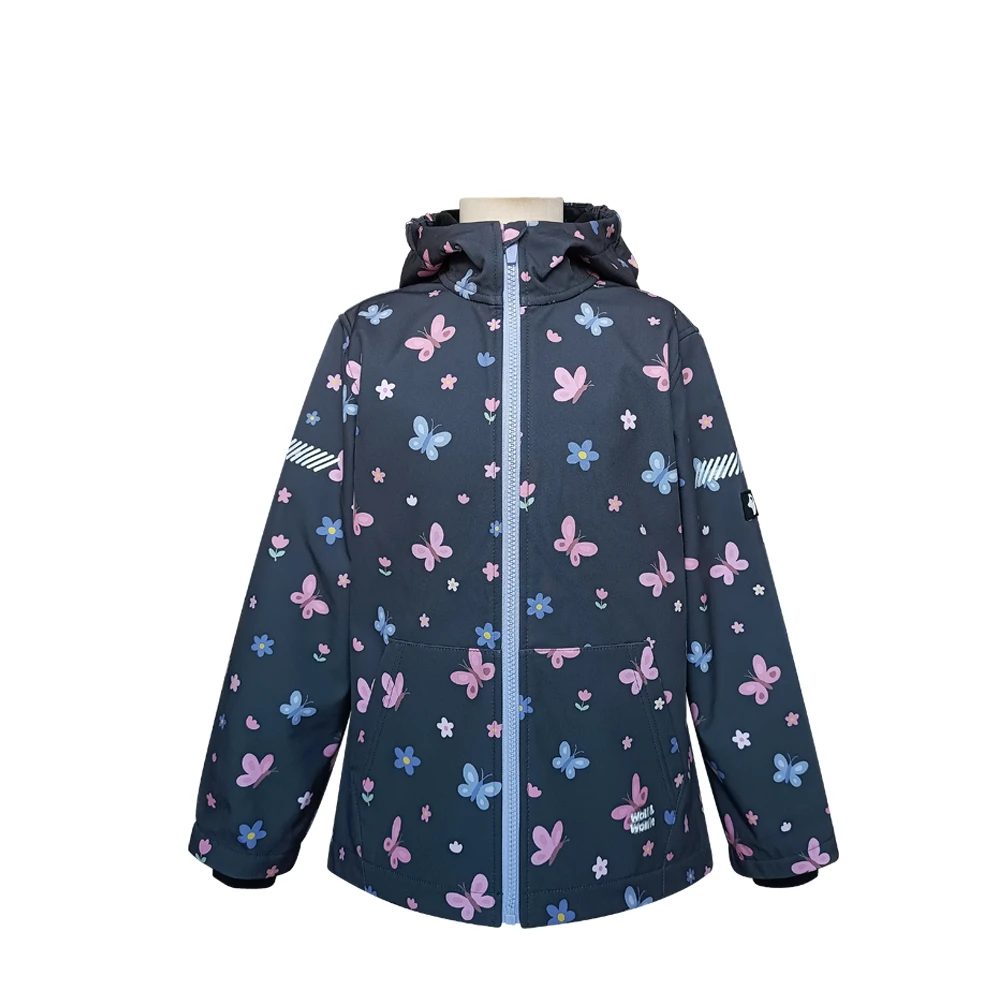
In simple terms, a girls rain coat is a waterproof jacket designed specifically to fit children, traditionally girls, with a focus on fit, comfort, and weather resistance. Modern girls rain coats often use materials like Gore-Tex or polyurethane laminates to offer full waterproof protection combined with breathability. They differ from generic rain jackets by their ergonomic design, vibrant colors, and child-safe features like adjustable hoods and reflective strips.
More than just rain protection, these coats align closely with humanitarian needs: they reduce exposure to rain-triggered illnesses, promote frequent outdoor play (critical for child development), and foster a sense of independence and confidence in children. Fashion brands and relief organizations alike consider the design of girls rain coats a vital part of their product offerings.
Key Components of High-Quality Girls Rain Coat
Waterproofing Technology
This is the heart of the coat. Materials such as waterproof breathable fabrics (e.g., Gore-Tex, eVent) ensure water stays out while sweat vapor escapes, preventing clammy discomfort. High hydrostatic head ratings (at least 10,000mm) confirm true rain protection.
Durability and Wear Resistance
The outer fabric often features a durable water repellent (DWR) finish to resist abrasion and maintain waterproofing over time. Kids can be rough, so reinforced stitching and sturdy zippers make for longer-lasting gear.
Comfort and Fit
Adjustable cuffs, elastic waistbands, and ergonomic tailoring ensure freedom of movement. Lightweight construction with mesh linings provides comfort without bulk.
Safety Features
Many girls rain coats come with reflective trims to increase visibility in low light, as well as child-safe hood toggles and secure closures to reduce hazards.
Sustainability
Increasingly, manufacturers prioritize eco-friendly materials—recycled polyesters and PFC-free DWR treatments—to reduce environmental impact.
| Specification | Typical Value |
|---|---|
| Waterproof Rating | 10,000 mm hydrostatic head minimum |
| Breathability (MVTR) | 5,000-10,000 g/m²/24hr |
| Material | Polyester with PU laminate or recycled nylon |
| Weight | 300-400 g per coat |
| Safety Features | Reflective strips, adjustable hoods |
Mini Takeaway: A girls rain coat is not just a waterproof layer; it combines advanced textile tech, comfort, and child safety to create a protective yet fun wearable.
How Girls Rain Coats Are Used Around the World
From urban schoolyards in London to rural villages in Nepal, these coats see widespread use. In wet climates like the Pacific Northwest or the UK, they’re a daily essential. But oddly enough, their impact is even more profound in vulnerable regions during monsoon seasons. For example, NGOs distributing girls rain coats in flood-prone Bangladesh have observed fewer cases of cold-related illnesses among children.
In educational settings, a reliable rain coat means fewer school absences, which supports global goals like UNESCO’s effort for universal education. Industrial workers’ children in remote mining towns also benefit, as parents can trust kids are shielded during harsh weather, allowing families to focus on daily income.
Advantages and Why They Matter Long-Term
- Health Benefits: Keeping children dry reduces colds and respiratory tract infections.
- Social Impact: Helps maintain school attendance, promoting equality.
- Economic Savings: Durable rainwear means fewer replacements and less medical cost.
- Emotional Comfort: Wearing a bright, well-fitted coat boosts a child’s confidence and joy on rainy days.
- Sustainability: Eco-conscious manufacturing helps reduce pollution and resource waste.
In short, girls rain coats carry a positive ripple effect—better health, education, and environment. And frankly, that's something worth investing in.
Emerging Trends & Innovations in Girls Rain Coat
Technology continues to evolve. Some manufacturers now incorporate biodegradable waterproof membranes and water-repellent finishes free from harmful per- and polyfluoroalkyl substances (PFAS). Digital printing enables vibrant designs without massive chemical waste. Plus, smart textiles that adjust breathability based on temperature aren’t far off.
Policy-wise, initiatives like the ISO 20400:2017 Sustainable procurement are increasingly influencing how children's apparel is manufactured, pushing the entire industry toward greener, safer practices.
Challenges in Supplying Quality Girls Rain Coats & How to Overcome Them
One challenge is affordability. High-tech materials can push prices beyond reach for low-income families, limiting access. Also, sizing and fit vary across brands, confusing buyers — a poor fit negates benefits.
Experts suggest modular designs with adjustable features to extend usability as children grow. Bulk manufacturing using recycled textiles helps reduce costs. Partnerships between brands and NGOs can drive distribution to needy regions.
Vendor Comparison: Leading Girls Rain Coat Brands
| Brand | Price Range | Material | Sustainability | Safety Features |
|---|---|---|---|---|
| RainGuard Kids | $40-$60 | Recycled polyester / PU laminate | PFC-free DWR | Reflective trim, adjustable hood |
| Little Drizzle | $35-$55 | Polyester with PU membrane | Standard DWR (not PFC-free) | Reflective piping, storm cuffs |
| EcoSprout | $50-$70 | Organic cotton blend with waterproof coating | 100% sustainable, biodegradable fabrics | Removable hood, reflective accents |
FAQs About Girls Rain Coat
Q1: What features should I look for in a girls rain coat to ensure it fits well and protects effectively?
A1: Look for adjustable cuffs and hems, a hood with a secure toggle, and a breathable but waterproof fabric rated at least 10,000mm for waterproofing. Reflective details help with safety in low light.
Q2: How often should a girls rain coat be replaced?
A2: Depending on usage and care, a high-quality coat should last 2-3 years. Signs to replace include loss of waterproofing (test with water beading), tears, or fitting issues as the child grows.
Q3: Are eco-friendly girls rain coats less durable?
A3: Not necessarily. Advances in sustainable materials have made it possible to create waterproof, durable rainwear that also meets environmental standards, although prices may be higher.
Q4: Can I find girls rain coats suitable for extreme weather conditions?
A4: Yes, some brands specialize in heavy-duty coats with insulation and higher waterproof ratings for harsh climates. It's important to match the coat to your local weather.
Conclusion
Girls rain coats are more than just practical clothing—they're a small but significant tool for health, education, and empowerment. With evolving materials and increased sustainability focus, they’re becoming smarter and greener every year. If you’re looking for durable, stylish, and ethically made options, visit girls rain coat collections today and give your child the gift of reliable weather protection.
Thanks for sticking with me through this deep dive into what might seem like a simple garment but is really a global necessity. In my experience, investing in quality rainwear truly pays off in preventing headaches (and sniffles).
References: