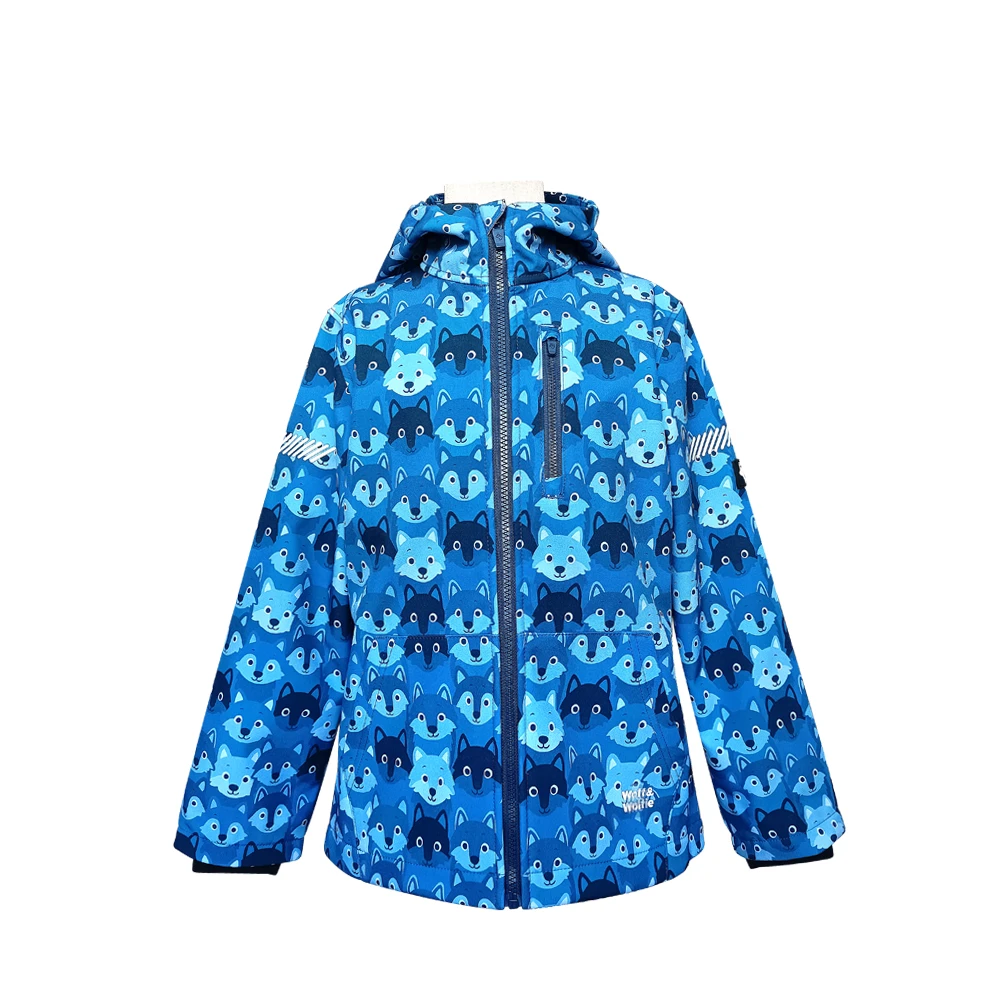
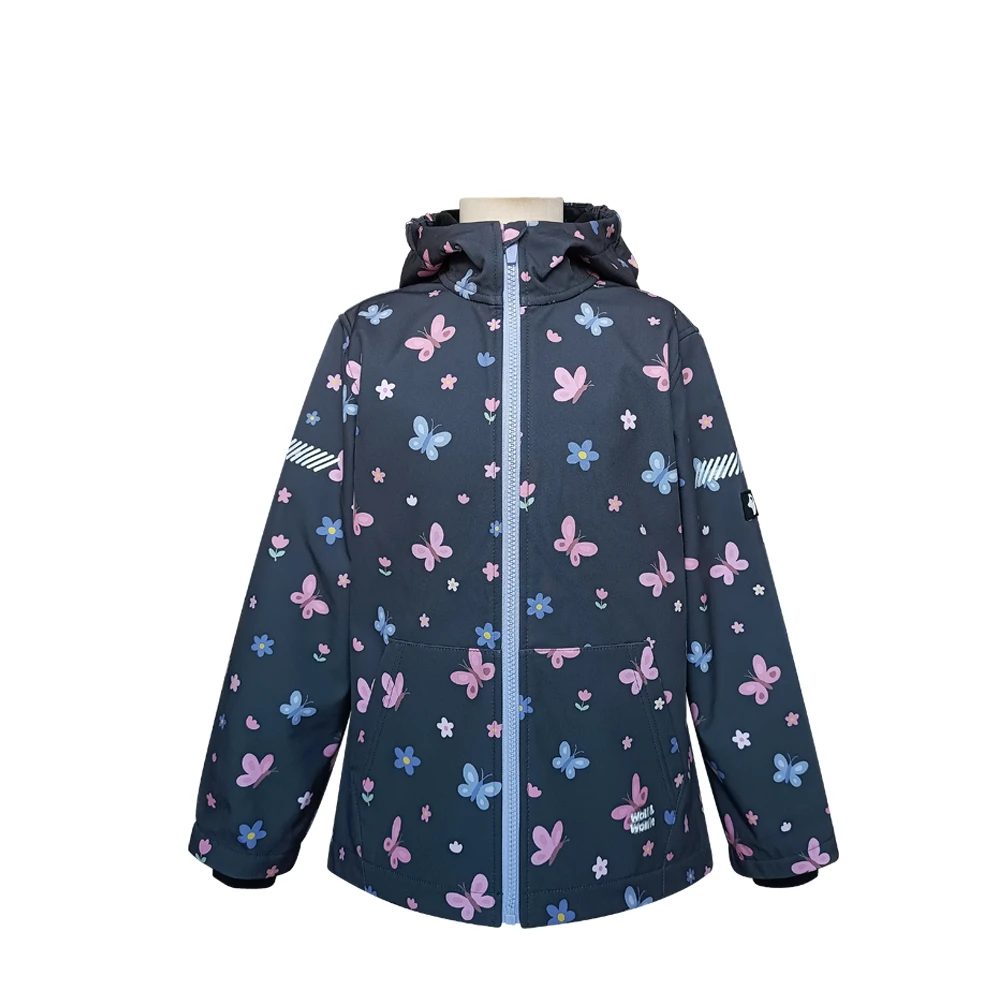
The Ultimate Guide to Choosing the Best Winter Work Wear
As temperatures drop, maintaining productivity while ensuring employee health becomes a critical challenge for any business. Investing in high-quality winter work wear is not just about comfort; it is about safety and operational efficiency. When workers are exposed to freezing winds and damp conditions, their focus shifts from the task at hand to the struggle against the cold. By implementing a strategic approach to cold-weather clothing, companies can reduce sick leave, prevent hypothermia, and boost overall morale. In this guide, we will explore the essential components of a professional winter wardrobe and how to select the right materials for your specific industrial environment.
The Science of Layering in Winter Work Wear
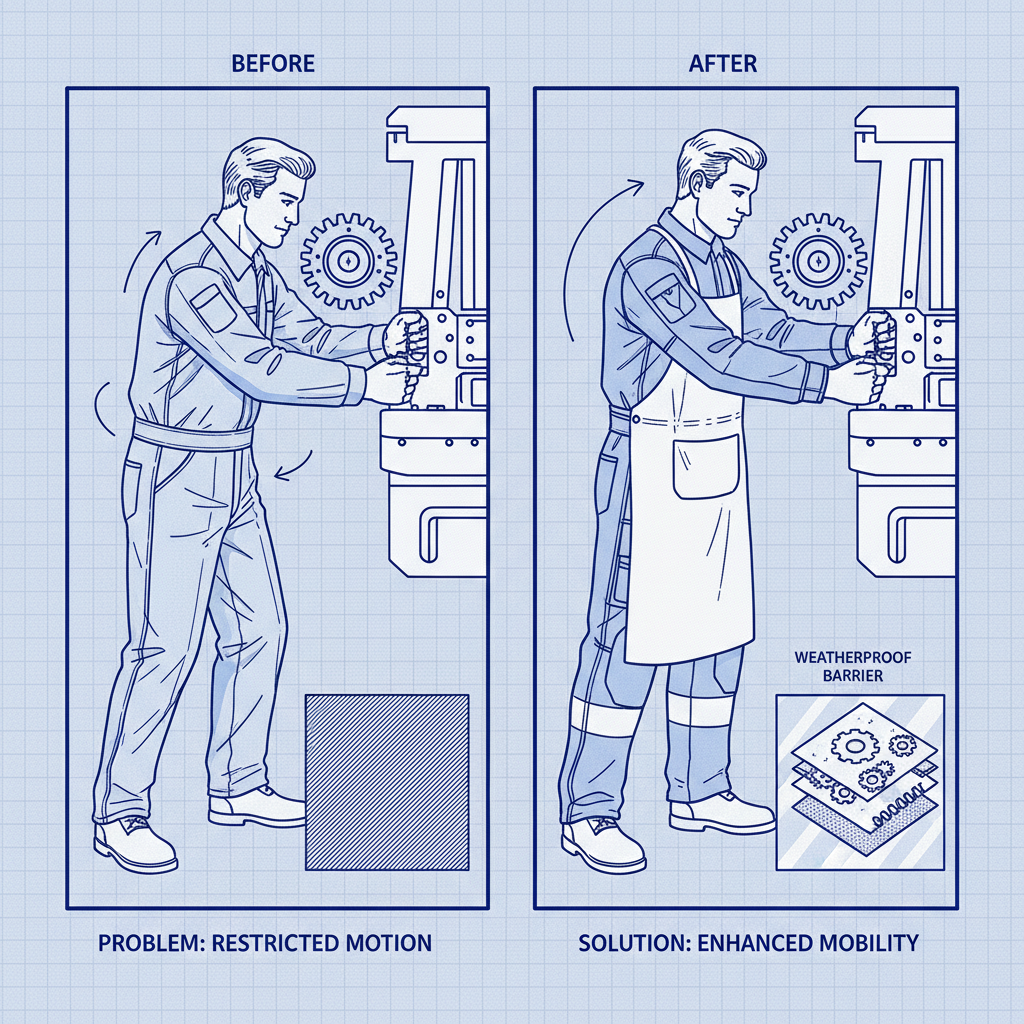
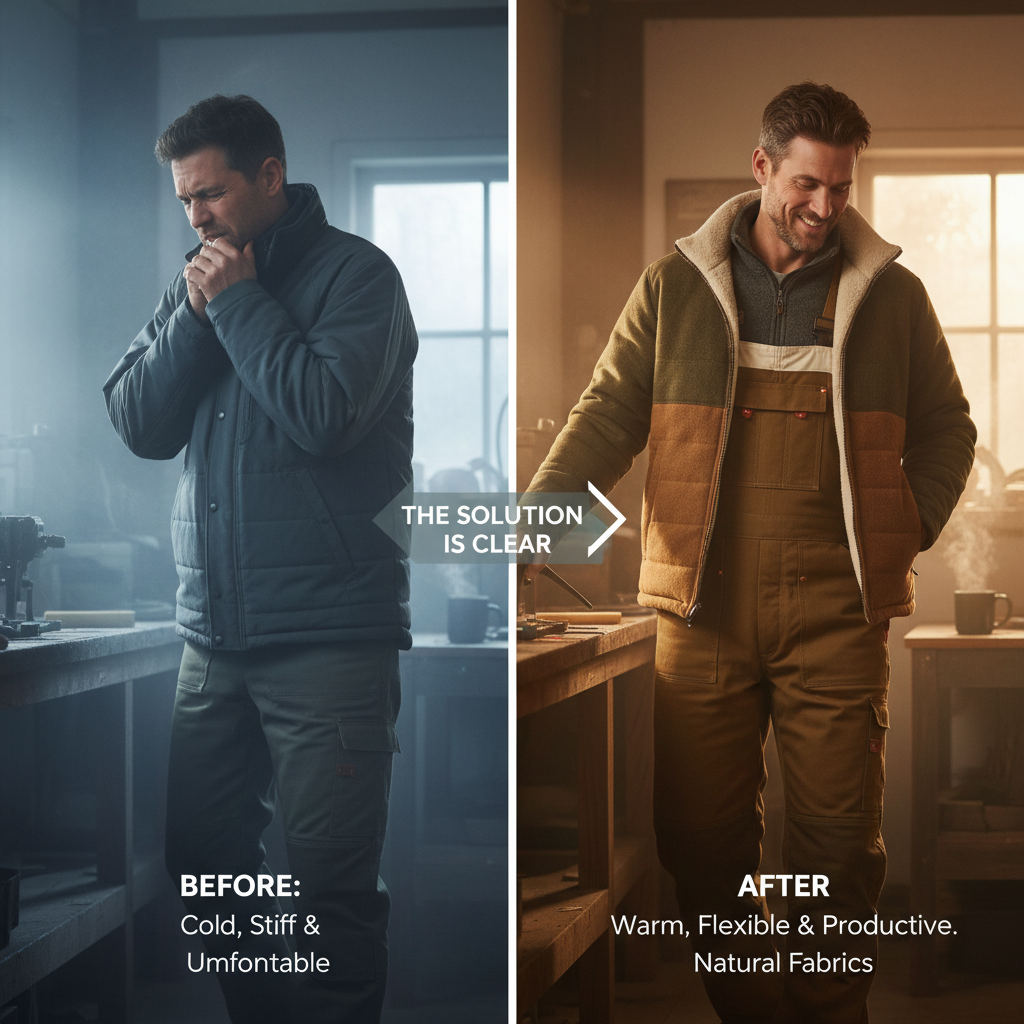
The most effective way to utilize winter work wear is through the "three-layer system." This method allows for flexibility as temperatures fluctuate throughout the day. The base layer should be moisture-wicking to keep sweat away from the skin. The middle layer acts as the primary insulator, trapping heat. Finally, the outer shell provides the necessary barrier against wind and precipitation. This system ensures that workers remain warm without overheating during physically demanding tasks, which prevents the buildup of moisture that can lead to rapid cooling of the body.
Layering Tip: Avoid cotton base layers. Cotton absorbs moisture and holds it against the skin, which can significantly increase the risk of chills in a cold-weather work environment.
Comparing Materials for Optimal Winter Protection
Not all fabrics are created equal when it comes to professional cold-weather gear. While heavy wool is a traditional choice, modern textiles like Softshell and Gore-Tex offer superior breathability and water resistance. Understanding the difference between these materials helps in choosing the right equipment for different job roles. For those moving between indoor and outdoor settings, a balanced material like softshell provides the ideal mix of warmth and agility. Below is a detailed comparison to help you decide which fabric suits your needs best.
Essential Components of High-Performance Winter Work Wear
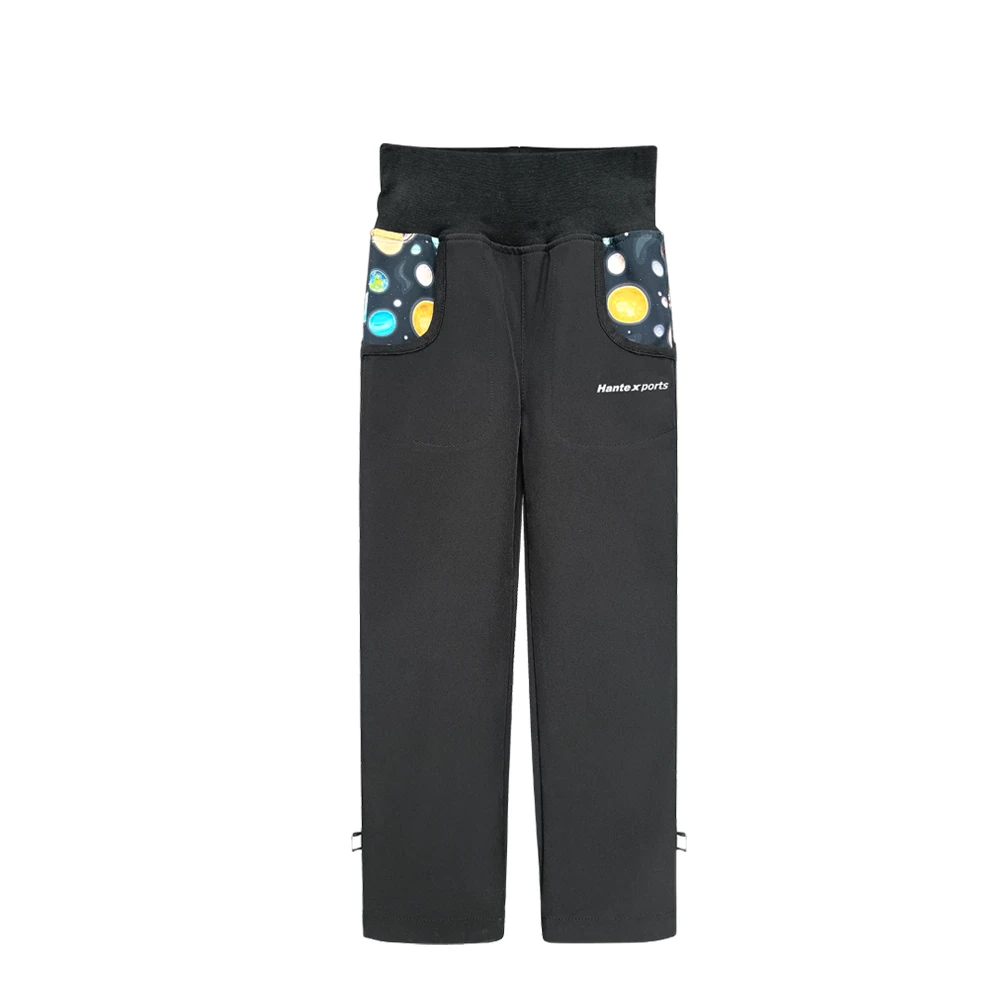
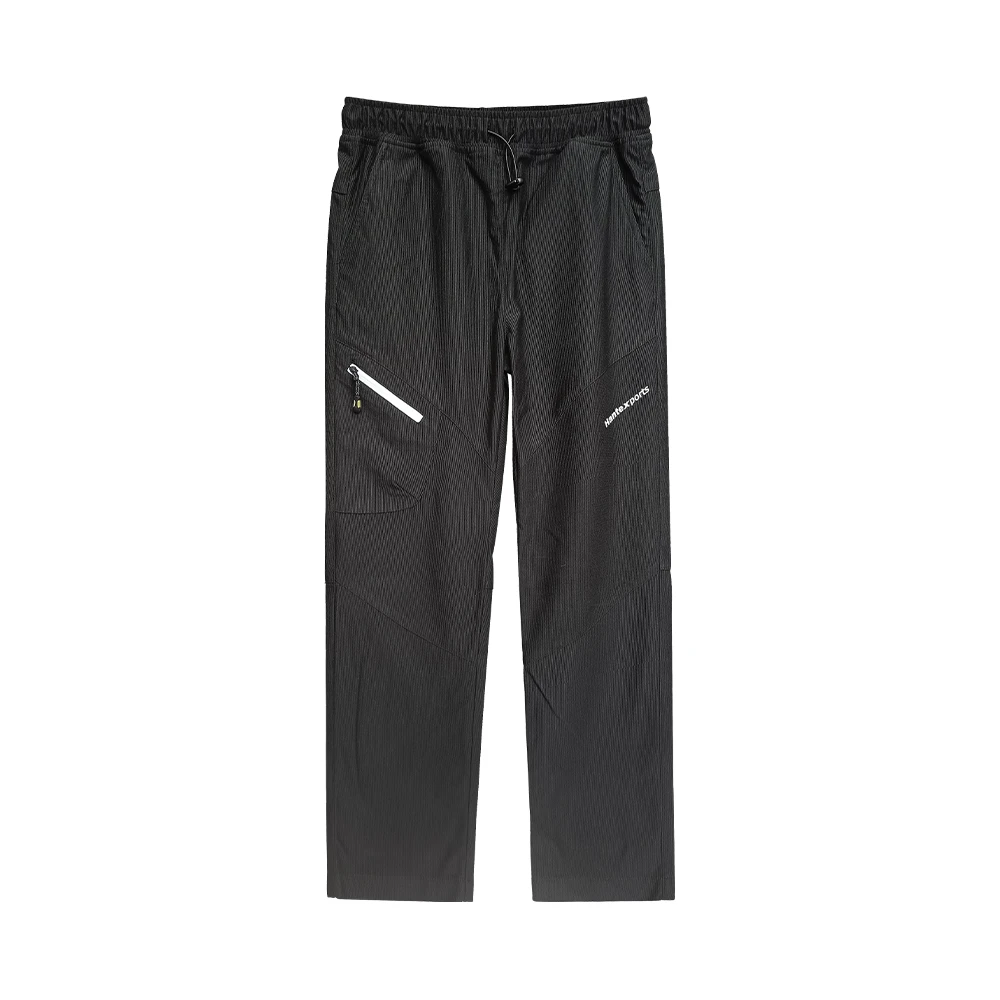
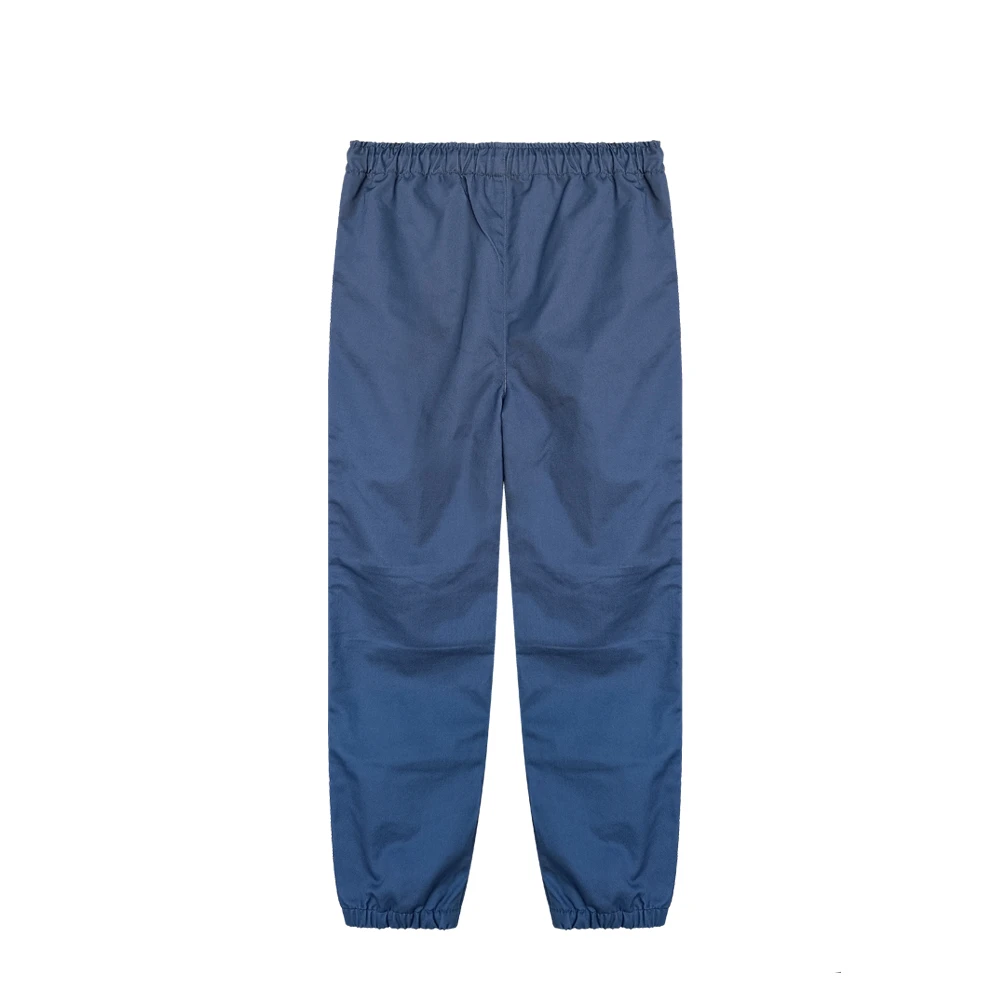
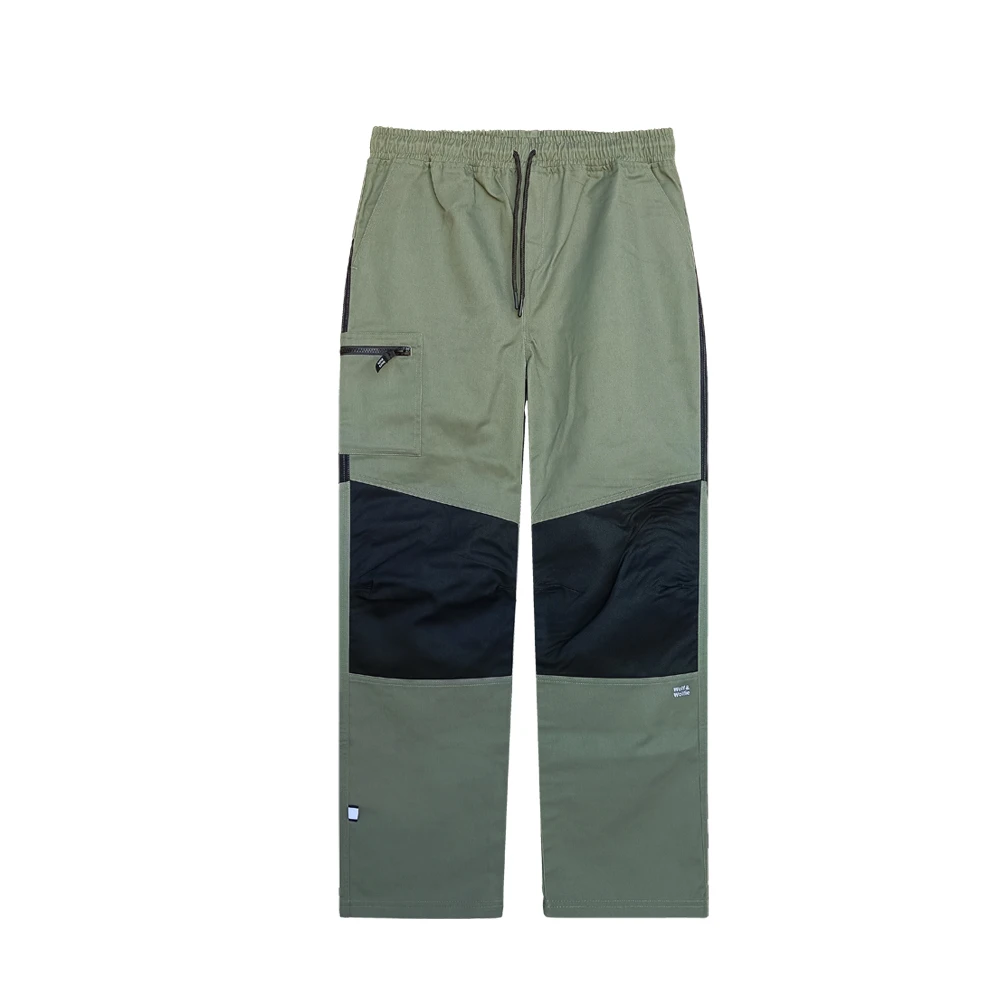
To build a complete set of winter work wear, one must look beyond just a heavy jacket. Accessories often play the most critical role in heat retention. Thermal trousers prevent lower body heat loss, while waterproof boots keep feet dry to avoid frostbite. Additionally, windproof gloves and insulated beanies are non-negotiable for outdoor personnel. By focusing on the extremities, workers can maintain a core temperature that allows them to focus on their professional responsibilities without distraction.
Industry-Specific Requirements for Winter Gear
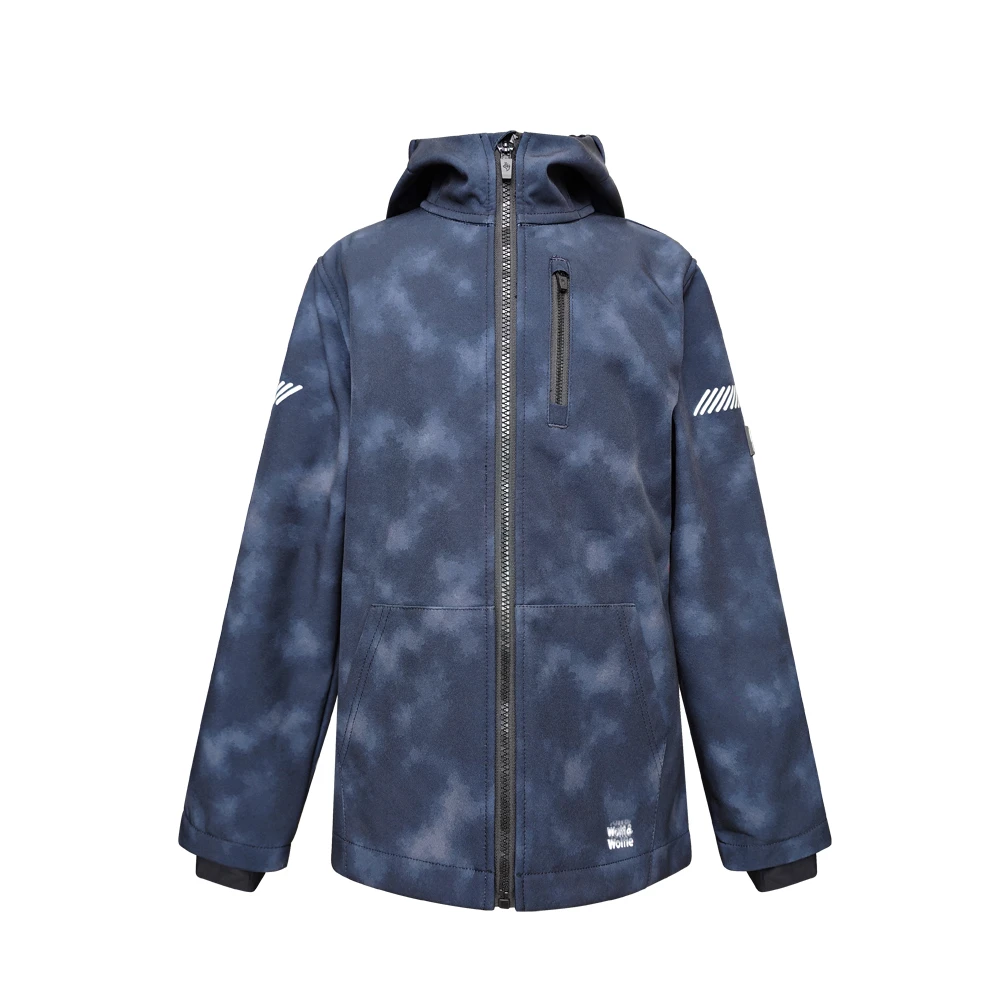
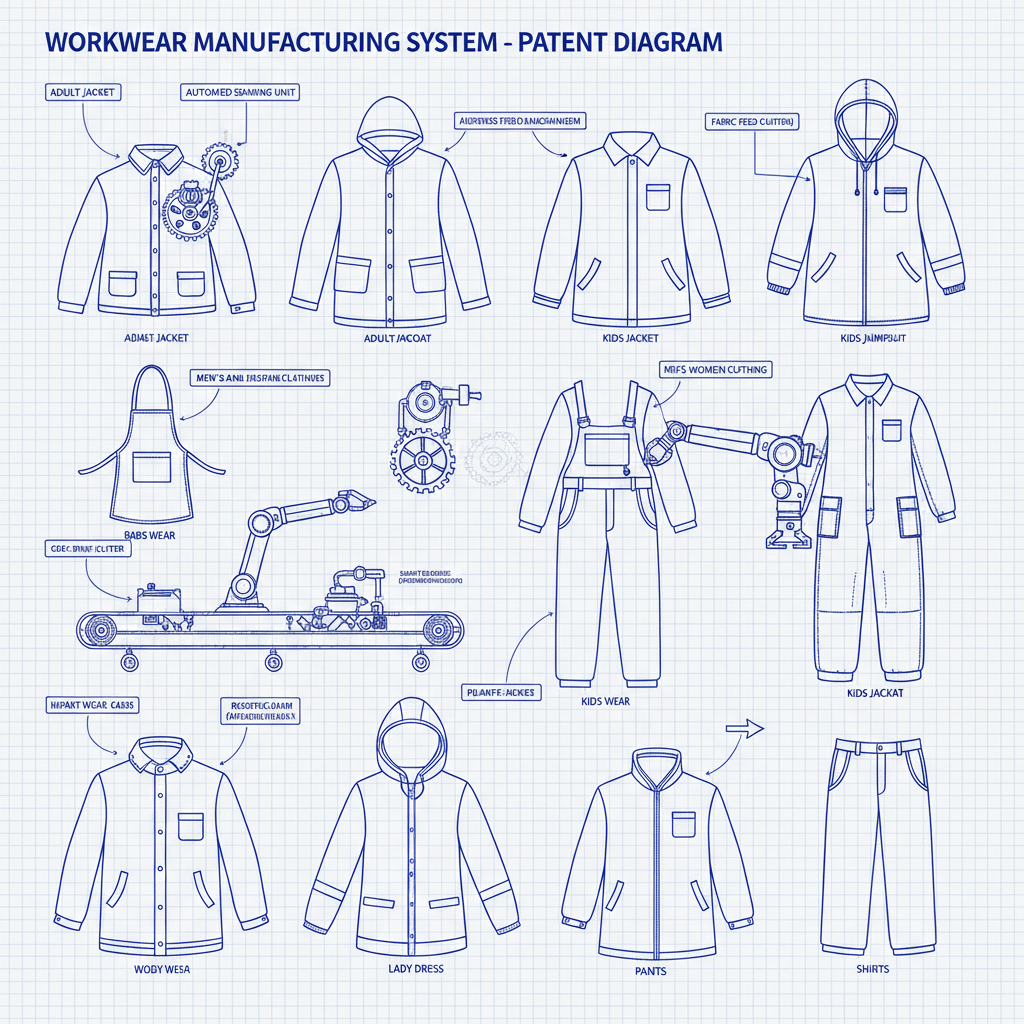
Different industries require different specifications for their winter apparel. Construction workers need reinforced stitching and abrasion-resistant fabrics to handle rough materials. Logistics and warehouse staff might prioritize breathable softshells that offer light warmth without restricting movement in tight spaces. For high-visibility environments, integrating reflective strips into the winter gear is a legal and safety requirement. Tailoring your choice of clothing to the specific hazards of the workplace ensures that safety is not compromised for the sake of warmth.
Technical Specifications for Professional Winter Clothing
When procuring winter work wear at scale, it is important to check the technical data sheets. Key metrics include the waterproof rating (mm), which indicates how much water pressure the fabric can withstand, and the breathability rating (g/m²/24h). A high-quality professional garment should offer a balance between these two to prevent the "sauna effect," where sweat is trapped inside the jacket. Below are the standard specifications we recommend for industrial-grade winter apparel.
Maintaining Your Professional Winter Gear
To ensure that your investment in winter work wear lasts for multiple seasons, proper maintenance is essential. Specialized fabrics like softshell have a Durable Water Repellent (DWR) coating that can wear off over time. Washing these garments with mild detergents and occasionally reapplying a DWR spray can restore their water-beading properties. Additionally, avoiding high-heat dryers prevents the synthetic fibers from breaking down, ensuring the clothing retains its shape and insulating capabilities for years to come.
Conclusion: Prioritize Warmth and Performance
Selecting the right winter work wear is a strategic decision that directly impacts employee safety and productivity. By understanding the principles of layering, choosing the correct technical materials, and maintaining the gear properly, businesses can protect their workforce from the harshest elements. Remember that quality gear is an investment that pays off in reduced downtime and a healthier, happier team. Equip your staff with the best protection this winter and ensure your operations never freeze.
Frequently Asked Questions (FAQs)
What is the difference between waterproof and water-resistant work wear?
Waterproof clothing is designed to completely block water from entering the fabric, typically using a membrane like Gore-Tex or a heavy coating. It is ideal for torrential rain or snow. Water-resistant gear, such as many softshell options, uses a DWR (Durable Water Repellent) coating that causes water to bead up and roll off. While it can handle light rain or splashes, it will eventually soak through in heavy storms. Choosing between the two depends on whether your workers are facing intermittent drizzle or constant exposure to wet elements.
How do I determine the right size for winter work wear?
When choosing winter gear, it is crucial to consider the layering system. If a jacket fits perfectly over a t-shirt, it will likely be too tight once you add a thermal base layer and a fleece mid-layer. We recommend sizing up slightly or choosing garments with "relaxed fits" to allow for air circulation. Trapped air is what actually provides the insulation; if the clothing is too tight, it compresses the insulating layers and reduces the garment's ability to keep the wearer warm.
Can softshell clothing be used as a primary winter layer?
Yes, softshell is an excellent primary outer layer for moderate winter temperatures or for workers performing high-activity tasks. Because it is more breathable than a hard shell, it prevents overheating. However, in extreme sub-zero temperatures or heavy snowfall, softshell should be paired with a warm mid-layer (like a fleece or down vest) and potentially topped with a waterproof shell if the conditions become severe. Its versatility makes it the go-to choice for most industrial environments.
How often should winter work wear be replaced?
The lifespan of professional winter gear typically ranges from 2 to 5 years, depending on the intensity of the work. You should replace your gear when you notice the DWR coating no longer beads water, when there are visible tears in the outer shell, or when the insulating fill has clumped or thinned. Regular inspections at the start of each winter season are recommended to ensure that all safety and thermal properties are still intact to protect the wearer.