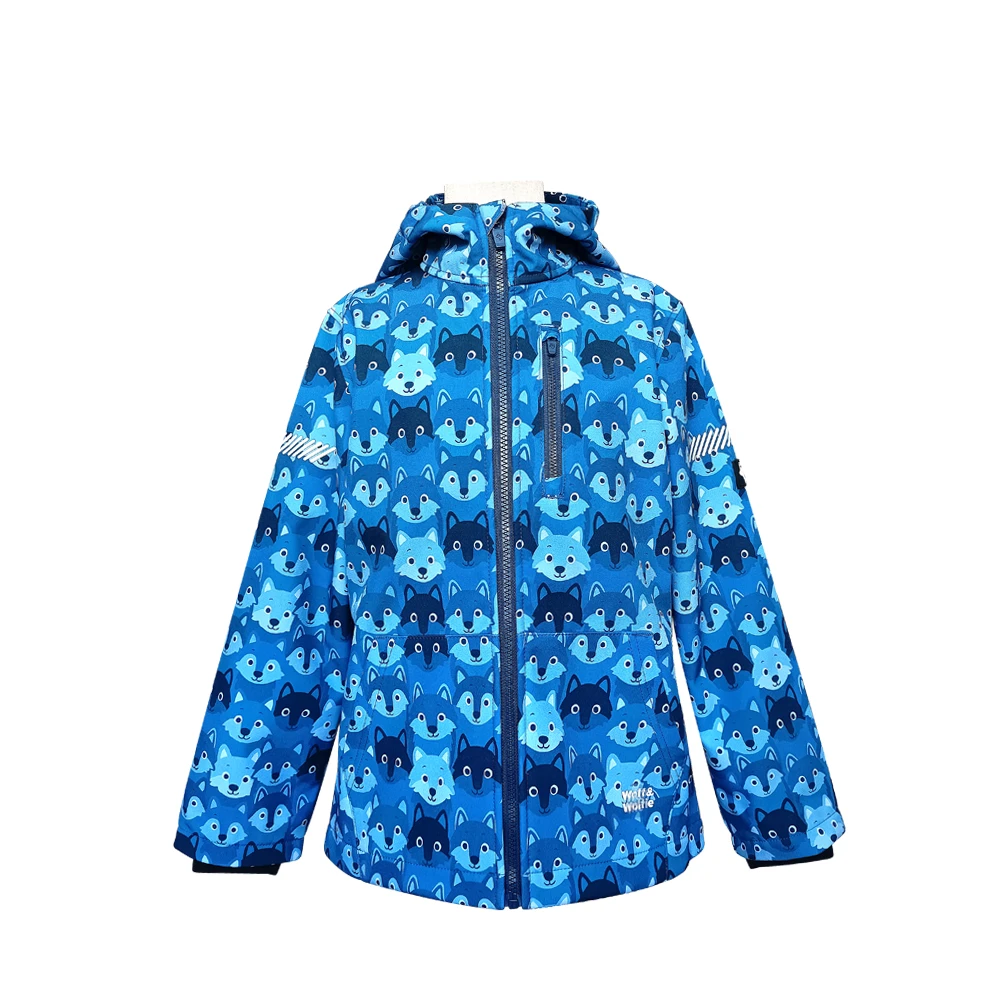
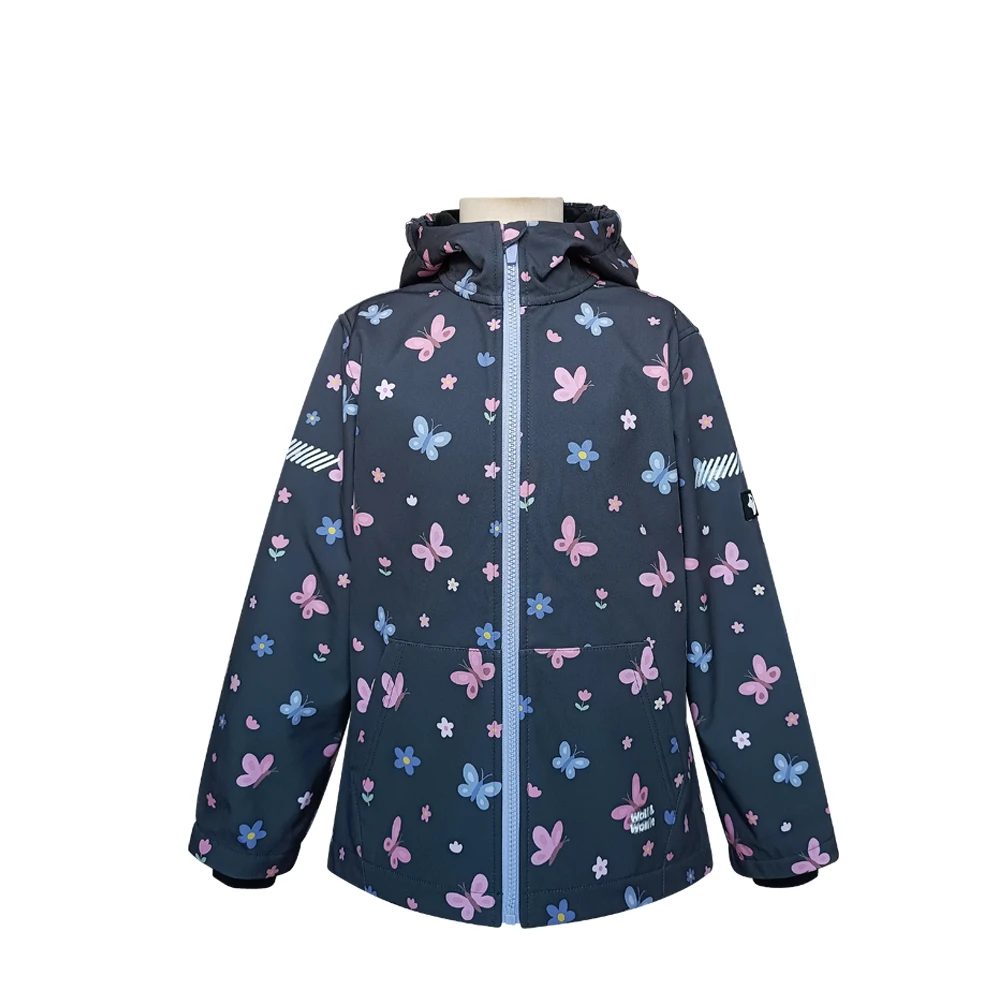
Winter Waterproof Coat: A Must-Have for Industrial Work in Cold Months
Having spent a fair bit of time on rugged sites throughout the colder seasons, I’ve come to appreciate the value of a reliable winter waterproof coat. If you’re in a line of work where exposure to harsh weather is a daily challenge—be it construction, utilities, or heavy industry—you know it’s not just about staying warm. It’s about staying dry, agile, and safe, no matter what winter throws at you.
Oddly enough, not all waterproof coats are created equal. I remember one particularly bitter winter when a coworker's jacket let water in during a light drizzle, leaving him shivering by the afternoon. That’s when I truly understood how crucial material quality and design features are. It’s not just the waterproof membrane; it’s about how the seams are sealed, the breathability, and even the hood’s shape.
Design & Materials That Actually Work
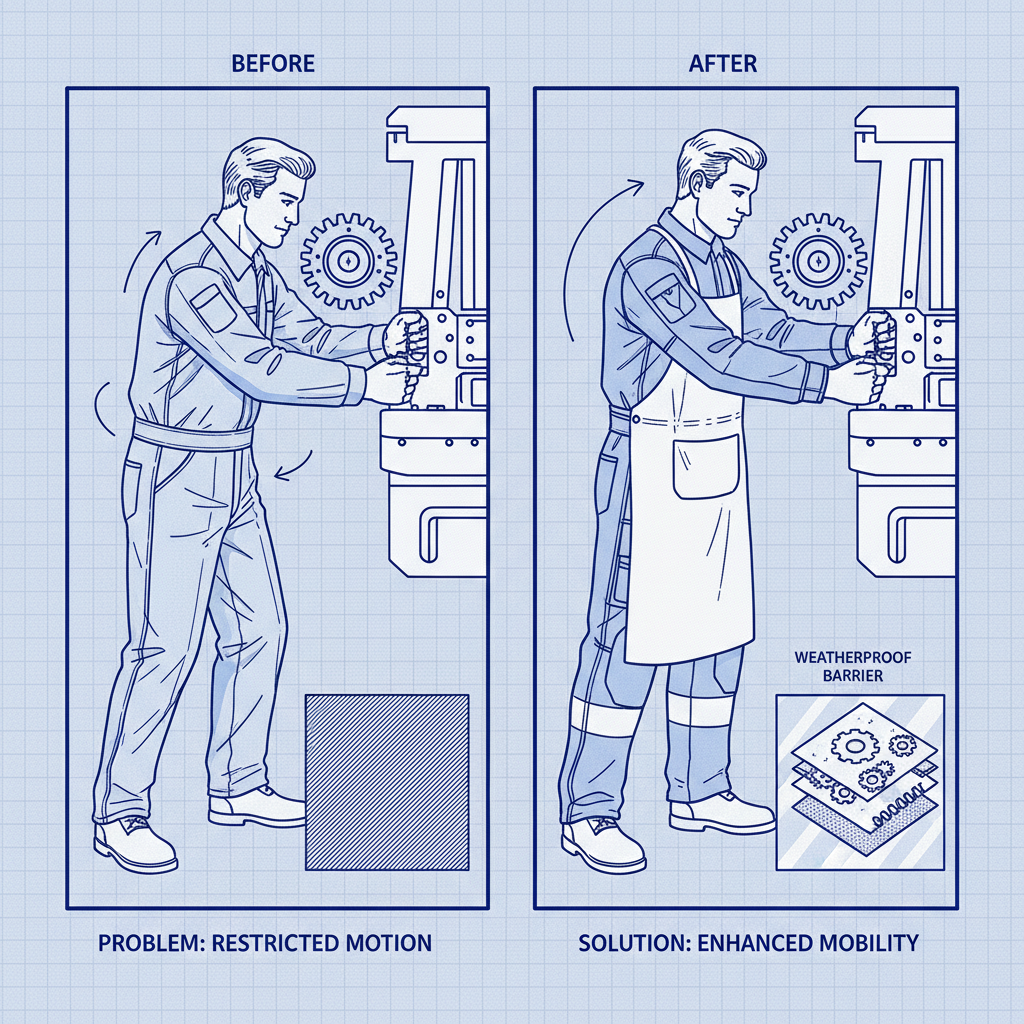
Modern winter waterproof coats usually blend durable outer shells made from synthetic fibers like polyester with waterproof membranes such as Gore-Tex or other proprietary materials. What I find crucial in a good coat is the balance between waterproofing and breathability. You don’t want to feel clammy inside after moving around a lot, but you definitely don’t want water seeping through either.
Outer shells are typically treated with a Durable Water Repellent (DWR) finish that makes water bead and roll off rather than saturate the fabric. Internally, insulation often involves synthetic fills, which retain warmth even if damp, which, frankly, down feathers can’t always promise under damp conditions.
Performance Specs Snapshot
| Feature | Specification |
|---|---|
| Waterproof Rating | 10,000 mm (minimum) – Hydrostatic head test |
| Breathability | 8,000+ g/m²/24h (MVTR rating) |
| Insulation | Synthetic (e.g., PrimaLoft®), 100g/m² |
| Seam Treatment | Fully Taped Seams |
| Additional Features | Adjustable storm hood, reinforced elbows, multiple pockets, reflective trims |
Vendor Comparison: Finding the Right Coat
Obviously, you want gear that works—and lasts. Several brands cater to industrial and outdoor pros, but each leans into slightly different strengths. Here’s a quick rundown based on experience and product specs.
| Brand | Waterproof Rating | Insulation Type | Price Range | Best For |
|---|---|---|---|---|
| Arctis Industrial | 15,000 mm | Synthetic 120g | $$$ | Heavy rain, construction |
| Northfield Workwear | 10,000 mm | PrimaLoft® 100g | $$ | General outdoor utility |
| BlueRock Gear | 12,000 mm | Synthetic 110g | $$-$$$ | Cold wet environments, flexible tasks |
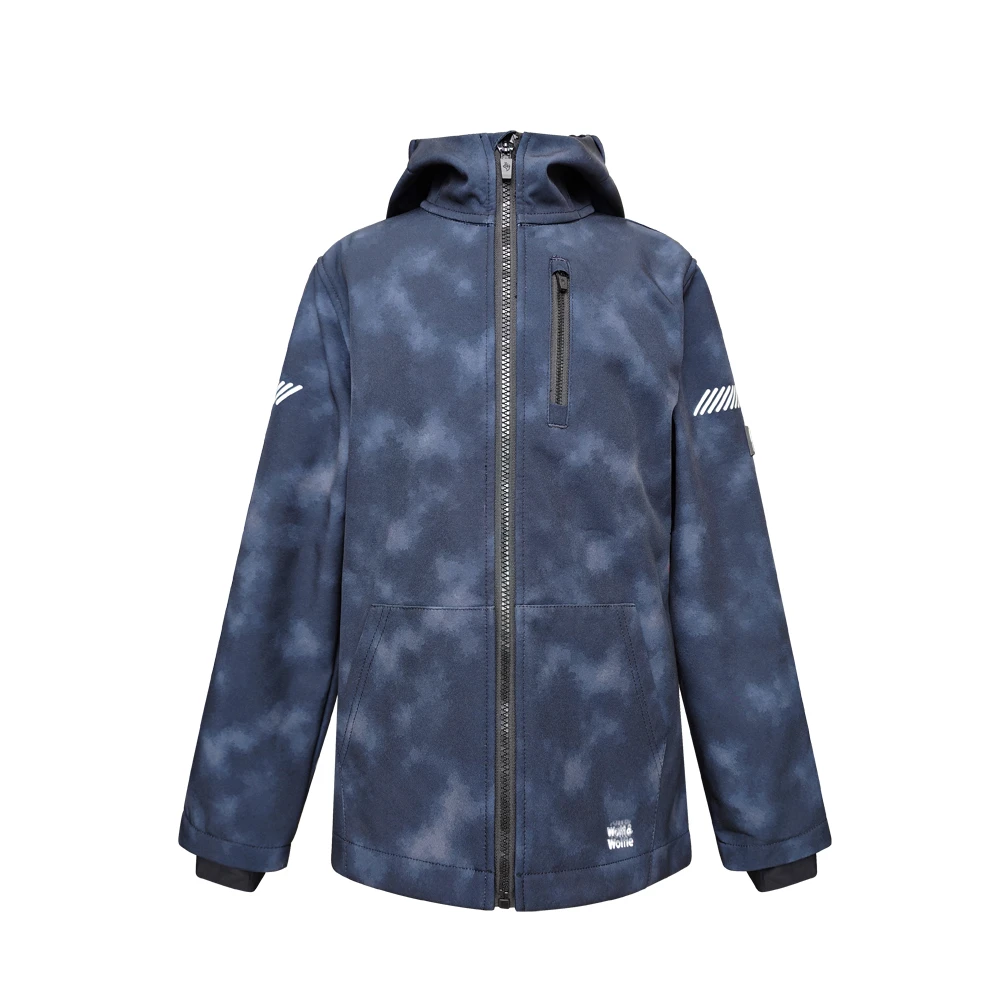
Speaking of brands, I’ve recently come across a particularly versatile option that’s caught my eye: the winter waterproof coat from Softshell Clothing. It balances good waterproof ratings with comfort and mobility, which frankly, is often a tricky combination to find. In fact, the first time I wore theirs during a sudden winter sleet, I noticed how the heat retention was effective without overheating during mid-shift. That kind of thoughtful engineering can make all the difference when you’re on site all day.
Customization and Safety Features
One thing that often surprises newcomers is just how customizable industrial coats can be. Some vendors offer reflective trims or patches that meet certain visibility standards, which is great if you’re working near traffic or heavy machinery. The adjustable cuffs, drawcord hems, and storm flaps – these details might seem trivial, but they help block out drafts and water ingress in really practical ways.
Many engineers I know also swear by coats with easy-access cargo pockets—because balancing tools, radios, and gloves while keeping warm isn’t always straightforward. The ideal winter waterproof coat somehow integrates these without bulking or restricting movement.
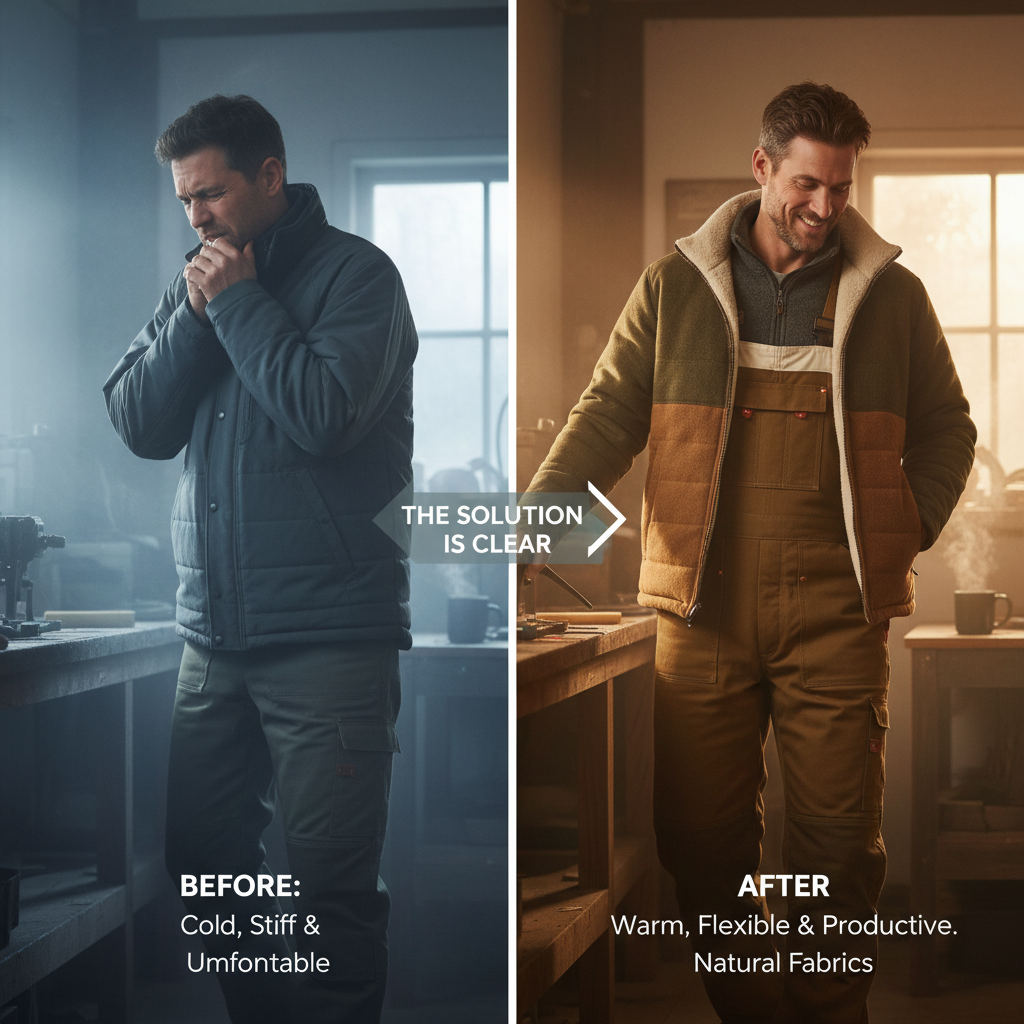
On a more personal note, I recall an instance where a new hire refused to wear her provided winter coat, claiming it was too stiff. After swapping her gear for a softer, more breathable waterproof coat, her productivity improved noticeably, and so did her morale. It’s funny how the right kit can subtly influence work performance.
At the end of the day, investing in a quality winter waterproof coat is about more than protection—it’s about comfort and confidence on the job site. If you’re serious about staying operational no matter the weather, giving these options a close look is time well spent.
For those considering an upgrade or new purchase, check out specialized brands tailored to industrial needs—like the winter waterproof coat from Softshell Clothing mentioned earlier. They've got the balance of features and durability that matches tough environments.
In real terms, keeping warm and dry just makes good sense—and it’s surprising how much better your whole day feels when you’re not battling the weather all the time.
So, stay warm, stay dry, and work smart—you’ll notice the difference sooner than you think.
References:
1. Industry standards for waterproof ratings and breathability, Textile Testing Assoc.
2. “Material Innovations in Protective Workwear,” Journal of Industrial Safety, 2022.
3. Field reports and user feedback collected over 10 years in cold weather construction and maintenance work.