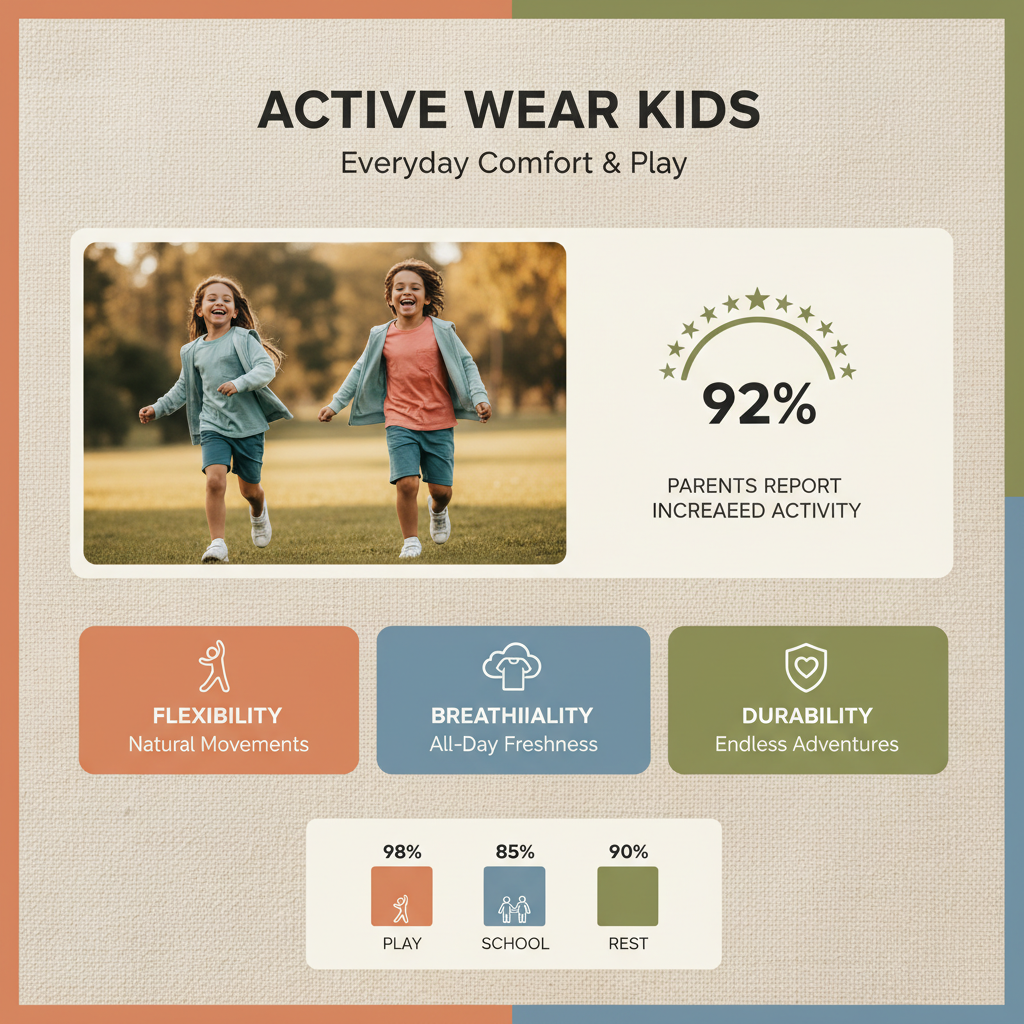
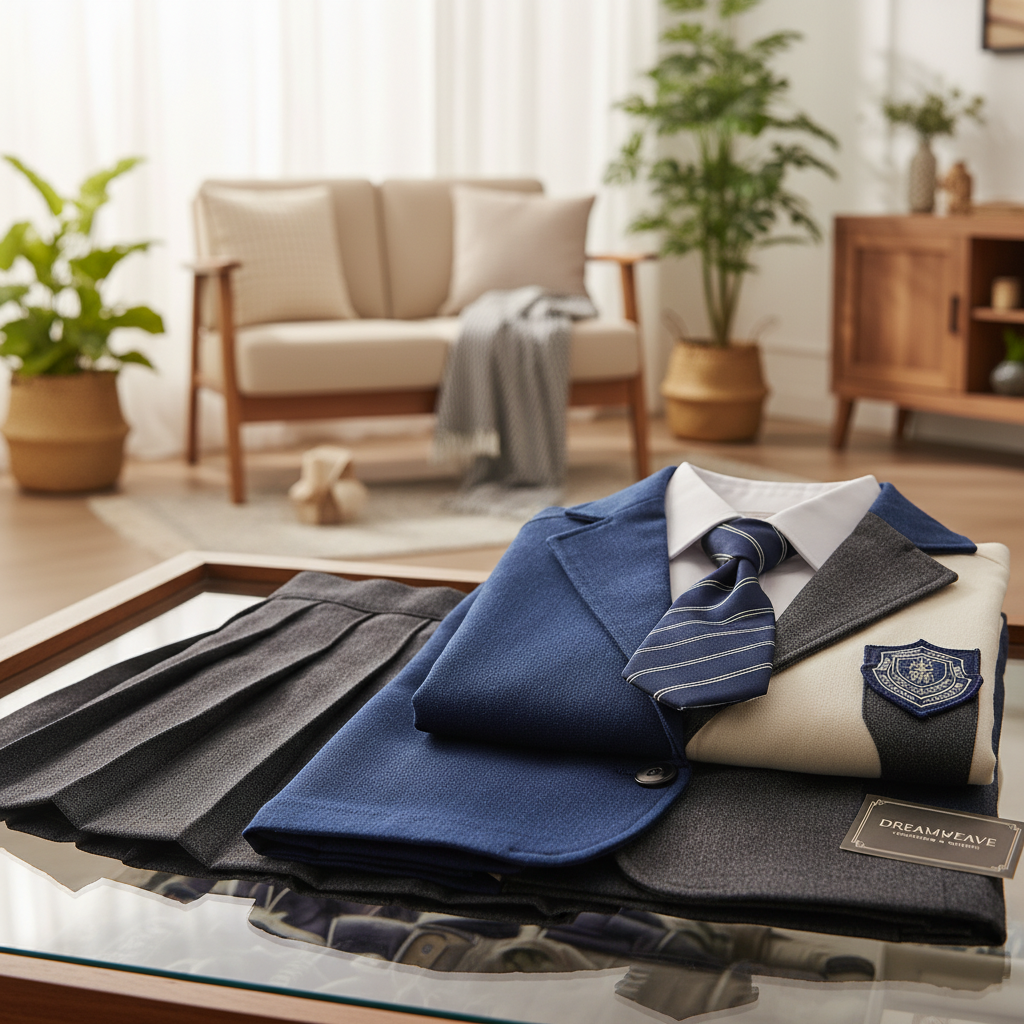
The global demand for high-performance children's clothing has surged as parents increasingly prioritize health, movement, and versatility. active wear kids represents more than just a fashion trend; it is a fusion of textile engineering and ergonomic design aimed at supporting the boundless energy of childhood. By integrating moisture-wicking fabrics and flexible seams, this category ensures that children can transition seamlessly from the classroom to the playground without compromising comfort.
From a manufacturing perspective, the shift toward specialized youth athletics wear is driven by advancements in synthetic fibers and sustainable production methods. The industry is now focusing on "growth-friendly" designs and hypoallergenic materials to meet the rigorous standards of modern safety certifications. Understanding the technical nuances of these garments allows brands to provide value that transcends basic utility, offering durability that withstands the typical wear and tear of active play.
Ultimately, investing in quality active wear kids is an investment in a child's physical development and confidence. When clothing does not restrict movement or cause irritation, children are more likely to engage in physical activities, promoting long-term health. This guide explores the industry standards, material innovations, and practical applications that define the current landscape of high-performance youth apparel.
Global Market Dynamics of Active Wear Kids
The global market for active wear kids has seen exponential growth, mirroring the worldwide push toward combating childhood obesity and promoting active lifestyles. According to trends aligned with WHO health guidelines, there is a significant increase in organized youth sports, which in turn drives the demand for specialized apparel. This is not merely a retail spike but a systemic shift in how parents perceive the necessity of functional clothing.
In regions like North America and Europe, the focus has shifted toward eco-friendly materials, while the Asia-Pacific market is seeing a surge in "athleisure" for children. The challenge for manufacturers lies in balancing the high cost of technical fabrics—such as recycled polyester and spandex blends—with the need for competitive pricing in a market where children quickly outgrow their clothes.
Technical Definitions and Material Science
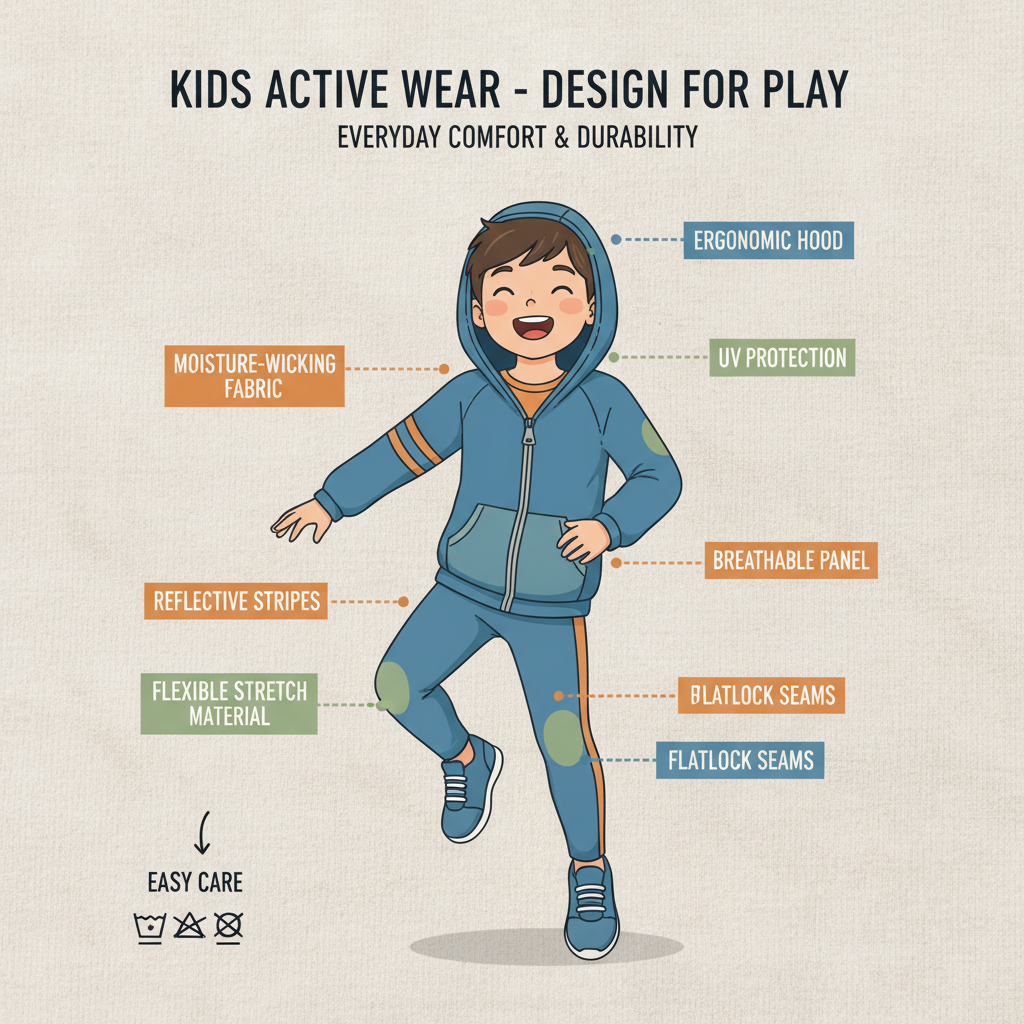
In professional textile terms, active wear kids refers to clothing specifically engineered for physical exertion, characterized by moisture management, thermal regulation, and high tensile strength. Unlike standard casual wear, these garments utilize capillary action to pull sweat away from the skin to the fabric's surface, where it can evaporate quickly, keeping the child dry and preventing chills during cooldown periods.
The connection to modern industry is evident in the adoption of 4-way stretch fabrics. By intertwining elastane with durable nylon or polyester, manufacturers create a "second skin" effect that supports a full range of motion. This is critical for developmental stages where agility and freedom of movement are essential for motor skill acquisition and overall physical growth.
Furthermore, the industry is increasingly integrating antimicrobial treatments to reduce odors and skin irritation. Because children's skin is more permeable and sensitive than adults', the application of non-toxic, OEKO-TEX certified finishes is now a baseline requirement for high-end youth active apparel, ensuring safety alongside performance.
Core Components of High-Performance Youth Gear
One of the most critical factors in the design of active wear kids is durability. Children are notoriously hard on their clothing, meaning reinforced stitching at stress points—such as the knees and elbows—is essential. Using double-needle topstitching and high-denier fabrics ensures that the garment survives countless hours of friction and impact.
Scalability and adaptability are equally vital. Innovative sizing solutions, such as adjustable waistbands and foldable cuffs, allow active wear kids to "grow" with the child. This not only provides better value for the consumer but also reduces the frequency of replacement, aligning the product with sustainable consumption patterns.
Finally, thermal efficiency cannot be overlooked. Whether it is a breathable mesh for summer sports or a thermal-lined jacket for winter activities, the ability to maintain a stable core temperature is a safety requirement. Advanced layering systems allow children to adapt to changing environmental conditions, ensuring they remain active regardless of the weather.
Practical Applications Across Different Climates
The application of active wear kids varies significantly by geography. In tropical regions, the focus is on UV protection (UPF 50+) and maximum breathability to prevent overheating. In contrast, in Nordic or Alpine regions, the emphasis shifts to windproofing and water-resistance, utilizing membranes similar to those found in professional mountaineering gear to keep children warm and dry.
Beyond climate, these garments are essential in organized educational settings, such as PE classes and summer camps, where uniformity and functionality are required. In remote industrial zones or rural areas where children may walk long distances to school, durable active wear serves as a protective layer against the elements and rough terrain, blending the lines between sports gear and utility wear.
Performance Metrics of Various Active Wear Kids Materials
Long-Term Value and Sustainability Benefits
The long-term value of high-quality active wear kids extends beyond the initial purchase. When garments are engineered for longevity, the cost-per-wear decreases significantly. High-performance fabrics resist pilling and fading, meaning the clothes can often be passed down to younger siblings, creating a cycle of reuse that reduces the overall environmental footprint of the family.
From a psychological perspective, providing children with appropriate active wear fosters a sense of confidence and belonging. When a child feels equipped for the activity—whether it's football, dance, or hiking—they are more likely to embrace challenges and persist in their physical pursuits. This emotional security, coupled with the physical safety of protective fabrics, creates a holistic benefit that supports a child's wellbeing.
Future Innovations in Smart Textile Integration
The next frontier for active wear kids is the integration of smart textiles. We are seeing the emergence of fabrics that can monitor biometric data—such as heart rate or body temperature—integrated directly into the fibers. For parents and coaches, this offers a non-invasive way to ensure that children are exercising within safe limits and staying hydrated.
Additionally, the industry is moving toward "circularity." New chemical recycling processes allow polyester garments to be broken down to the molecular level and rebuilt into new fabrics without any loss in quality. This means the active wear of today can literally become the active wear of tomorrow, eliminating the waste traditionally associated with the fast-fashion cycle of children's clothing.
Digital transformation is also reshaping the fit experience. AI-driven sizing tools and 3D body scanning are reducing the return rates for online purchases by ensuring a perfect fit. This precision in manufacturing reduces fabric waste during the cutting phase and ensures that the high-performance features of the gear are positioned correctly on the child's body for maximum efficiency.
Overcoming Manufacturing Challenges in Kids Wear
One of the primary challenges in producing active wear kids is the strict adherence to safety regulations. Unlike adult clothing, kids' wear must undergo rigorous testing for small parts (choking hazards), drawstring lengths, and chemical residues. Overcoming these challenges requires a meticulous quality control process and a transparent supply chain where every raw material is tracked.
Another hurdle is the volatility of sizing. Children grow at different rates, making standardized sizing difficult. Manufacturers are solving this by implementing "modular" design elements, such as elasticated gussets and adjustable hems, which provide a broader fit range within a single size category. This innovative approach reduces inventory complexity and increases customer satisfaction.
Finally, balancing performance with softness is a constant struggle. Technical fabrics can sometimes feel "scratchy" or stiff. The solution lies in advanced brushing techniques and the use of blended fibers—such as mixing polyester with a small percentage of organic cotton or modal—to ensure that the garment feels soft against the skin while maintaining its moisture-wicking and durable properties.
Comparative Analysis of Manufacturing Standards for Active Wear Kids
| Material Type |
Durability Score |
Breathability |
Eco-Impact |
| Recycled Nylon |
9/10 |
Medium |
Low (Positive) |
| Virgin Polyester |
8/10 |
High |
High (Negative) |
| Organic Cotton Mix |
6/10 |
High |
Very Low |
| Spandex Blend |
7/10 |
Medium |
Medium |
| Bamboo Active Fabric |
5/10 |
Very High |
Low |
| Softshell Composite |
10/10 |
Low/Medium |
Medium |
FAQS
The primary difference lies in the technical specifications of the fabric and construction. Active wear is specifically engineered with moisture-wicking properties, four-way stretch for maximum mobility, and reinforced seams to withstand high-impact activities. While regular clothing focuses on aesthetics and basic comfort, active wear focuses on performance, thermal regulation, and durability to support physical exertion.
Yes, provided they are sourced from reputable manufacturers. Modern active wear uses hypoallergenic synthetics and is often certified by OEKO-TEX or similar bodies to ensure no harmful chemicals are present. Many brands also blend synthetics with organic cotton or bamboo to increase softness and reduce the likelihood of skin irritation for children with eczema or sensitive skin.
Look for "growth-friendly" design features. This includes adjustable waistbands with internal elastic and buttons, foldable cuffs on pants and sleeves, and slightly oversized silhouettes that allow for growth without sacrificing the fit. Choosing high-denier fabrics also ensures the garment doesn't wear out before the child outgrows it.
In most applications, yes. Modern chemical recycling allows recycled polyester (rPET) to maintain the same tensile strength and moisture-wicking capabilities as virgin polyester. The only difference is the environmental impact, as rPET diverts plastic from landfills. For kids' active wear, it provides the same level of ruggedness required for outdoor play.
To maintain the moisture-wicking and elastic properties, it is recommended to wash active wear in cold water on a gentle cycle and avoid using fabric softeners. Softeners can clog the pores of technical fabrics, reducing their breathability. Air drying is preferred over high-heat tumbling to prevent the breakdown of elastane fibers.
UPF (Ultraviolet Protection Factor) measures how much UV radiation a fabric allows to reach the skin. A UPF 50+ rating means that only 1/50th of the sun's UV radiation penetrates the fabric. This is achieved through a combination of tight fabric weaves and specialized UV-absorbing treatments, providing a critical layer of protection for children playing outdoors for extended periods.
Conclusion
The evolution of active wear kids reflects a broader societal commitment to children's health, safety, and environmental responsibility. By merging high-performance material science with ergonomic design, the industry has moved beyond simple apparel to create tools that empower children to explore their physical potential. From moisture-management and UV protection to the adoption of circular economy principles, the technical standards of youth active wear continue to rise, ensuring that quality and sustainability go hand-in-hand.
Looking forward, the integration of smart textiles and AI-driven customization will further personalize the experience, making active wear even more responsive to a child's unique needs. For parents and distributors, the key is to prioritize certified materials and adaptive designs that offer long-term value. As we continue to innovate, the goal remains clear: to provide every child with the freedom to move, play, and grow without restriction. Visit our website for more professional solutions: www.softshell-clothing.com