Why a Warm Jacket Matters — Beyond Just Staying Cozy
When you hear "warm jacket," you probably picture a puffy, insulated garment perfect for winter hikes or chilly city streets. But, honestly, it’s so much more than just a piece of clothing. Around the world, warm jackets play a surprisingly pivotal role in humanitarian efforts, industrial safety, and sustainable manufacturing. They matter globally because staying warm in harsh environments—whether icy mountain slopes, disaster zones, or freezing work sites—can be a matter of survival, productivity, and dignity.
Understanding what makes a warm jacket effective and how innovations in this space benefit diverse communities helps us appreciate the small comfort that often goes unnoticed but is critical in real life.
Warm Jackets in the Global Context: A Necessity Amidst Climate Challenges
Did you know that according to the United Nations climate reports, the world is seeing more extreme weather fluctuations? Longer winters in some regions, harsher cold snaps in places not prepared for them, and increasingly unpredictable temperatures create growing demand for quality warm jackets. Especially in remote or cold-climate regions (think Siberia, Northern Canada, or parts of Scandinavia), there’s a clear need for reliable protective gear.
Moreover, humanitarian agencies like the International Federation of Red Cross and Red Crescent Societies repeatedly highlight warm jackets as essential relief items after natural disasters. Refugees and displaced people often lack basic protection against the cold, contributing to increased illness and suffering.
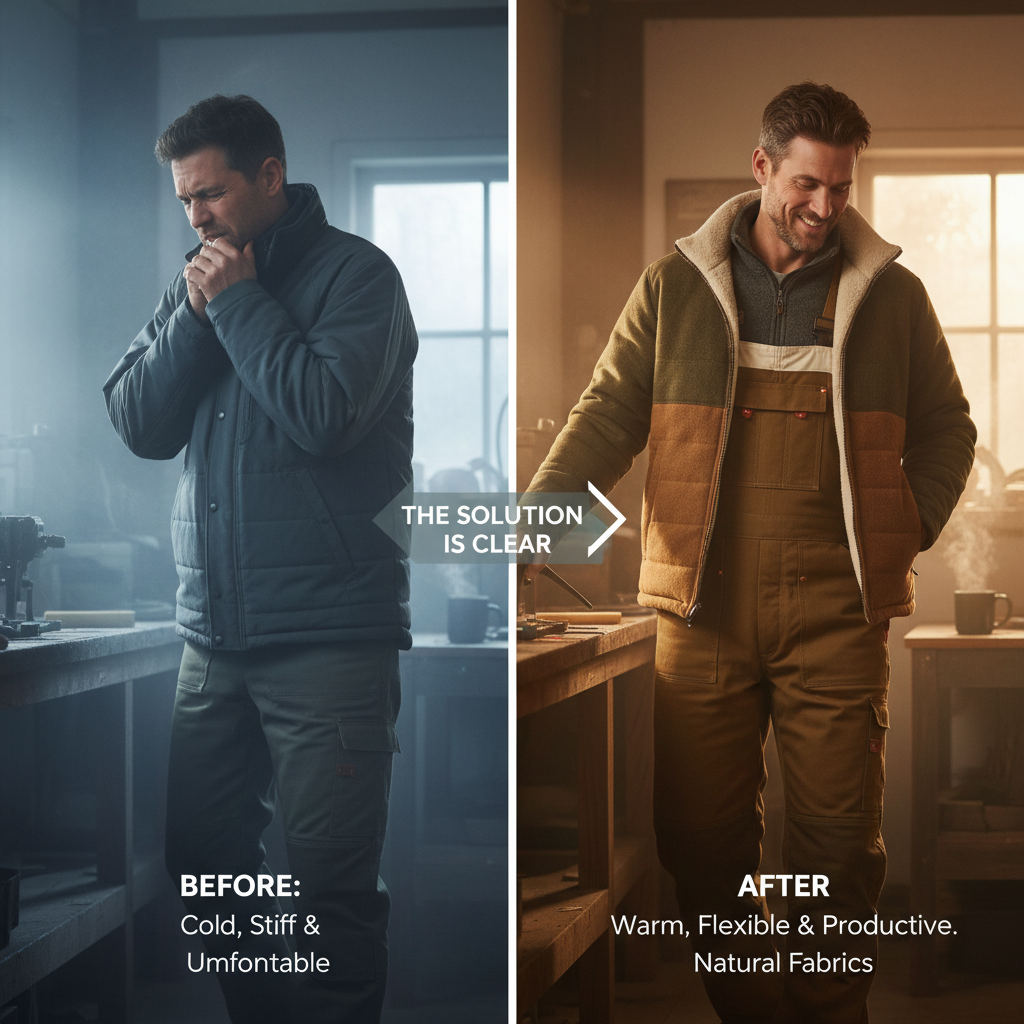
In real terms: a warm jacket can mean the difference between health and hypothermia. This need opens a space for sustainable, functional, and cost-efficient designs that can be mass-produced and distributed worldwide.
What Exactly is a Warm Jacket?
Put simply, a warm jacket is an outerwear garment designed to retain body heat and protect the wearer from cold environments. Usually insulated with materials like down feathers, synthetic fibers, or innovative thermal linings, its core purpose is comfort and survival.
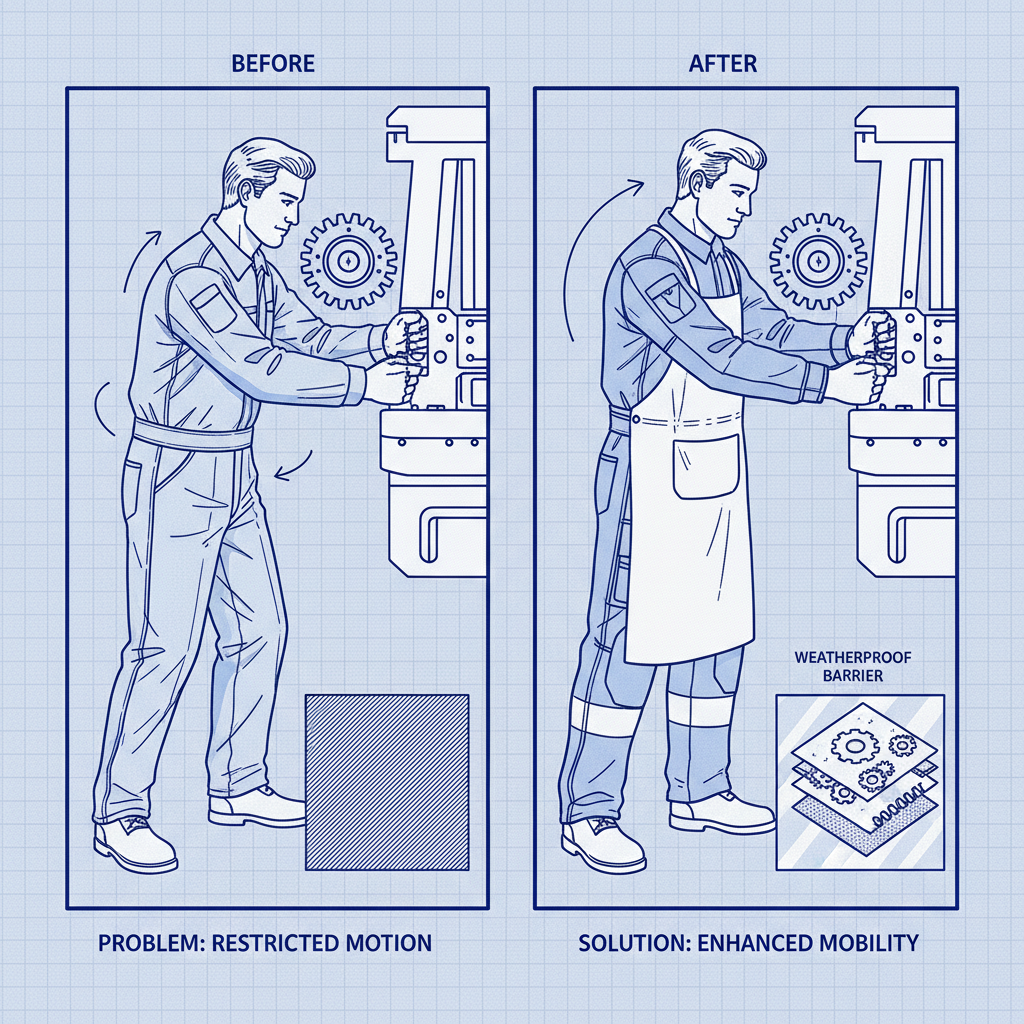
But the modern warm jacket has evolved beyond just warmth. In industry and humanitarian sectors, warm jackets are engineered with water resistance, breathability, durability, and sometimes multi-layered functionality — think windproof membranes paired with thermal lining. This all connects closely to modern needs for multipurpose wearables that keep people safe and comfortable in variable conditions.
Key Features that Make a Warm Jacket Effective
1. Insulation
Insulation materials trap body heat. Natural down is still a gold standard for warmth-to-weight ratio, but synthetic fillers like PrimaLoft offer better water resistance. Choosing insulation depends on user needs: dry or wet conditions, extreme cold, or moderate chill.
2. Durability & Materials
Tough fabrics like ripstop nylon or polyester blends ensure the jacket withstands abrasion — vital for outdoor workers or field agencies. Many warm jackets now integrate eco-friendly textiles, reducing environmental footprints.
3. Breathability & Moisture Management
Oddly enough, a truly warm jacket can't just trap heat; it must allow sweat vapor to escape. Otherwise, dampness will cool the wearer down. Membranes such as Gore-Tex or proprietary materials help here.
4. Weight & Packability
In humanitarian relief or travel, the jacket needs to be lightweight and compressible. Bulkiness can hinder mobility or make large shipments problematic.
5. Multifunctionality
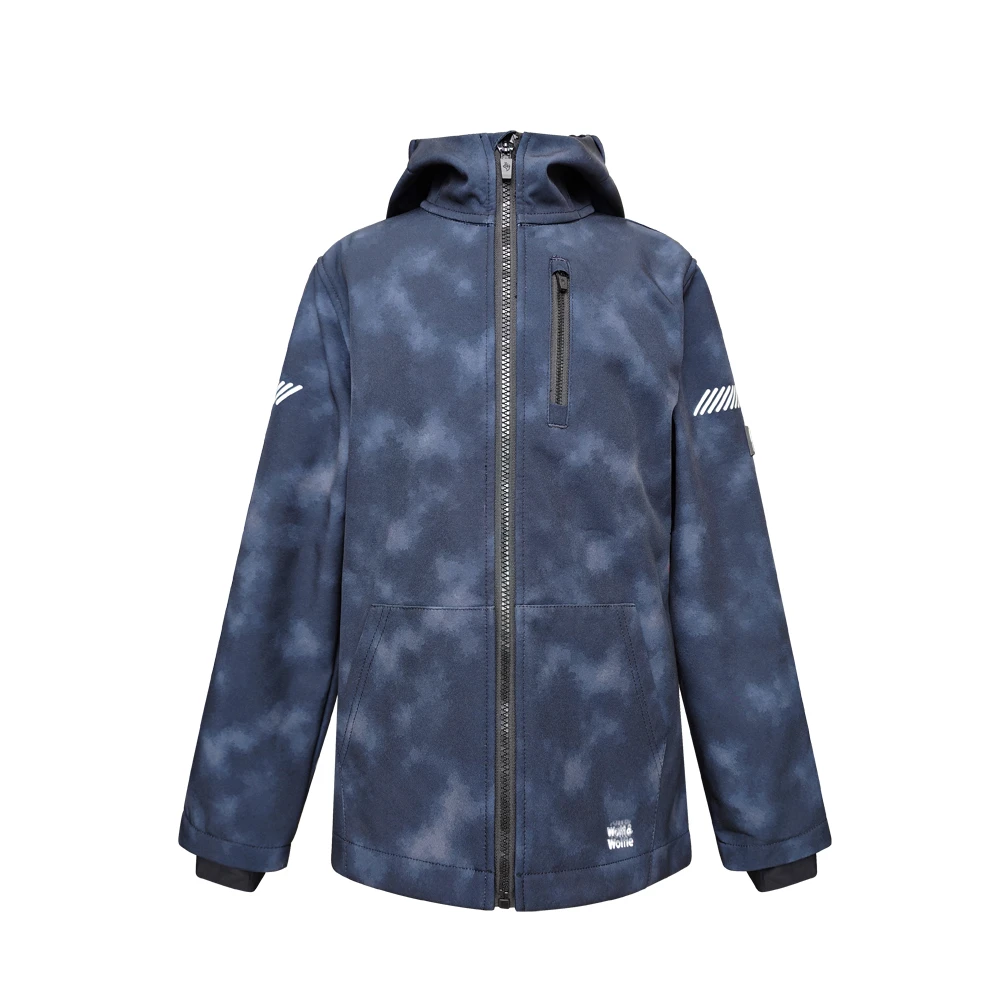
Features like detachable hoods, adjustable cuffs, or reflective elements add safety and versatility for diverse use cases.
Mini takeaway: Understanding these core components helps pick the right warm jacket suited for specific environments — whether for an expedition or emergency deployment.
Global Applications: Warm Jackets in Action
- Disaster Relief: After earthquakes or floods, warm jackets reduce cold-related illnesses among displaced populations. Agencies stockpile vast quantities for rapid deployment.
- Industrial Use: Workers in oil rigs, logging, or Arctic mining wear specialized warm jackets designed for extreme cold and hazardous conditions.
- Outdoor Recreation: Skiers, trekkers, and mountaineers rely on lightweight but effective warmth, often combined with weatherproofing.
- Military & Law Enforcement: Tactical jackets balance warmth with durability and mobility.
For example, in the Canadian Arctic, remote communities receive warm jackets under government programs aimed at reducing cold-related health issues. Even fashion-minded folks are driving innovation by demanding sustainable materials paired with practical features.
Warm Jacket Specifications: Sample Product Breakdown
| Specification | Model A - Alpine Pro | Model B - Urban Lite |
|---|---|---|
| Insulation Type | 700 Fill Down | High-Loft Synthetic |
| Outer Fabric | Ripstop Nylon (DWR) | Recycled Polyester |
| Weight | 650 g | 480 g |
| Water Resistance | Yes (5000 mm WP) | Water Repellent Finish |
| Packability | Compression Sack Included | High Compressibility |
Comparing Top Warm Jacket Vendors
| Feature | ArcticWear | ThermaGear | EcoShell Co. |
|---|---|---|---|
| Price Range | $$$ | $$ | $ |
| Sustainability Focus | Medium | High | Very High |
| Innovation Level | Advanced Insulation | Smart Fabrics | Eco-Sourcing & Recycling |
| Popular Use Case | Extreme Cold Expeditions | Urban & Outdoor | Humanitarian & Budget Relief |
Advantages & Long-Term Benefits of Investing in Quality Warm Jackets
The payoff for a thoughtfully engineered warm jacket isn’t just warmth on a cold day. You get:
- Cost Efficiency: Durable jackets mean fewer replacements and lower total cost of ownership.
- Sustainability: Many brands now use recycled materials and eco-friendly manufacturing processes.
- Social Impact: Providing warm jackets saves lives in disaster zones and improves comfort for vulnerable populations worldwide.
- Reliability & Safety: Technical features like water resistance and breathability improve safety in harsh conditions.
Emotionally, a warm jacket provides security and dignity—something often overlooked until you’ve experienced cold without proper gear. It’s a subtle but profound form of care and innovation combined.
Looking Ahead: What’s Next in Warm Jacket Technology?
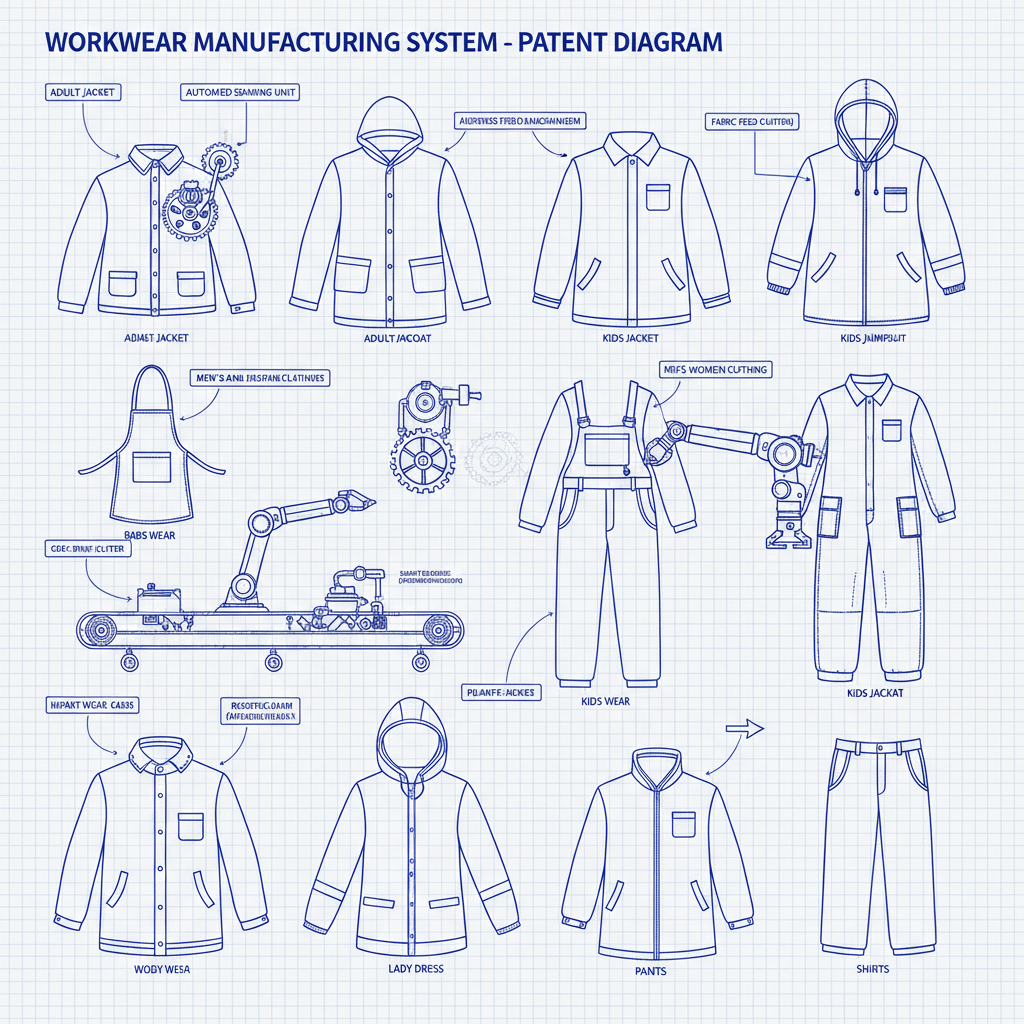
The future is thrilling! Innovations like graphene-infused fabrics, bio-based insulation, and digital climate-adaptive materials are on the horizon. Automation in manufacturing means more consistent quality and better scaling. Strategic policies around circular fashion and textile recycling encourage closed-loop production systems, reducing waste.
Plus, integration with wearable tech could transform warm jackets into smart gear that adjusts insulation or fans based on body temp and environment — I suppose it won’t be long before we see them connected to your phone app.
The Challenges and How Experts Propose to Solve Them
Yet, nothing is perfect. Current challenges include:
- Balancing warmth and breathability: You can’t just seal in heat — moisture management is critical.
- Cost vs. accessibility: Not everyone can afford high-end jackets, so affordable yet reliable options remain elusive.
- Environmental impact: Production and waste of synthetic materials still pose sustainability problems.
Experts suggest innovations in new synthetic insulations, expanded recycling programs, and hybrid designs combining the best of natural and synthetic materials. Also, embracing modularity—jackets with removable liners—can extend lifespan and adapt to various climates.
FAQ: Common Questions About Warm Jackets
- What materials are best for long-lasting warmth in jackets?
- Down insulation provides excellent warmth-to-weight ratio but may lose effectiveness when wet. Synthetic insulations, like PrimaLoft, are more water-resistant and retain heat even when damp. Choosing depends on typical conditions and usage.
- How do waterproof warm jackets differ from regular ones?
- Waterproof warm jackets incorporate membranes or coatings to keep rain and snow out while maintaining breathability. This prevents chills caused by getting wet, essential in wet, cold climates.
- Can warm jackets be eco-friendly?
- Absolutely. Many brands now use recycled fibers, eco-friendly dyes, and ethical manufacturing. Certifications like Bluesign and OEKO-TEX help identify environmentally conscious options.
- What features should I look for in a humanitarian relief warm jacket?
- Prioritize lightweight, packable, durable, and cost-effective jackets with good insulation and water resistance. Simplicity in design often helps rapid distribution and usability.
- How do I care for my warm jacket to ensure longevity?
- Follow label instructions carefully. Most insulated jackets require gentle washing and careful drying to maintain loft and fabric integrity. Avoid harsh detergents and frequent dry cleaning.
The Last Word: Wrapping Up and Keeping Warm
It feels almost profound how such basic gear is woven into the fabric of global safety, sustainability, and commerce. When you think about the humble warm jacket, don’t just think of winter fashion — think of survival kits in disaster zones, work gear in freezing industries, and the innovation powering it all forward. For more on choosing the perfect warm jacket, visit our warm jacket collection.
Staying warm, safe, and sustainable really does start with the right gear.