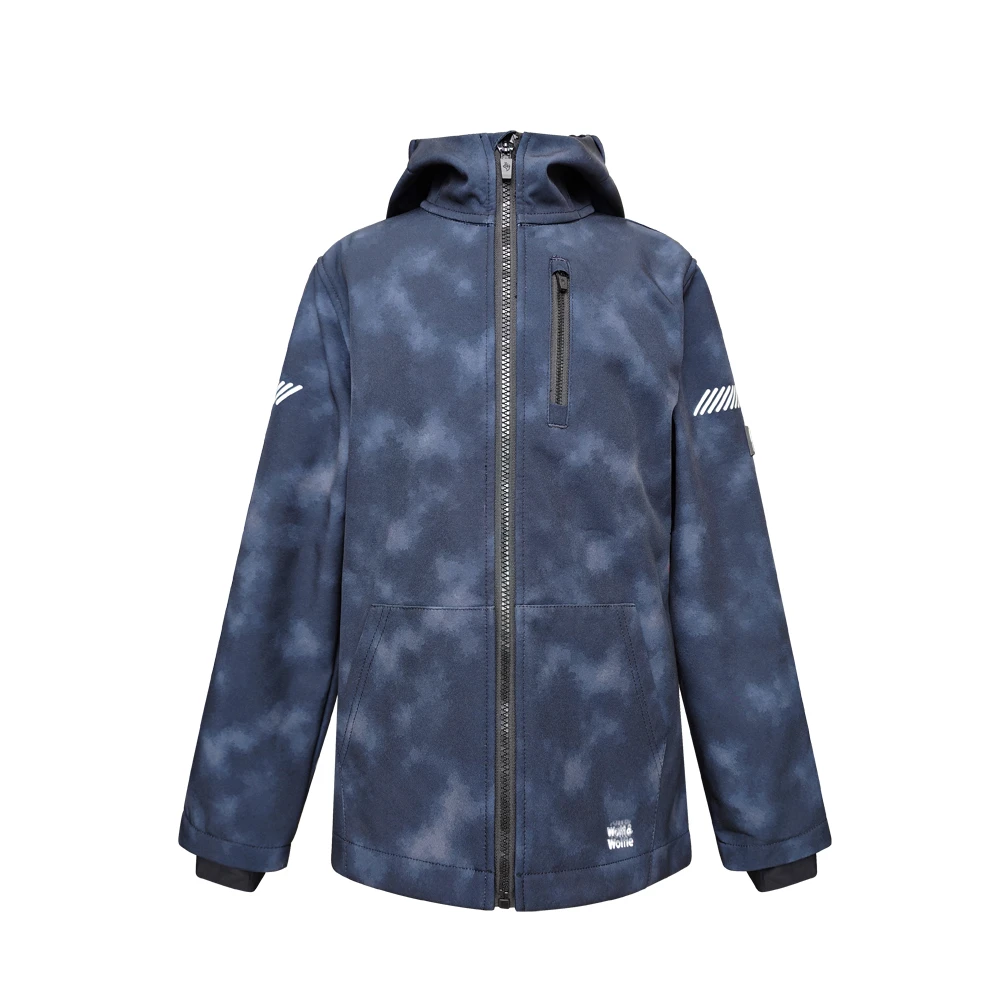
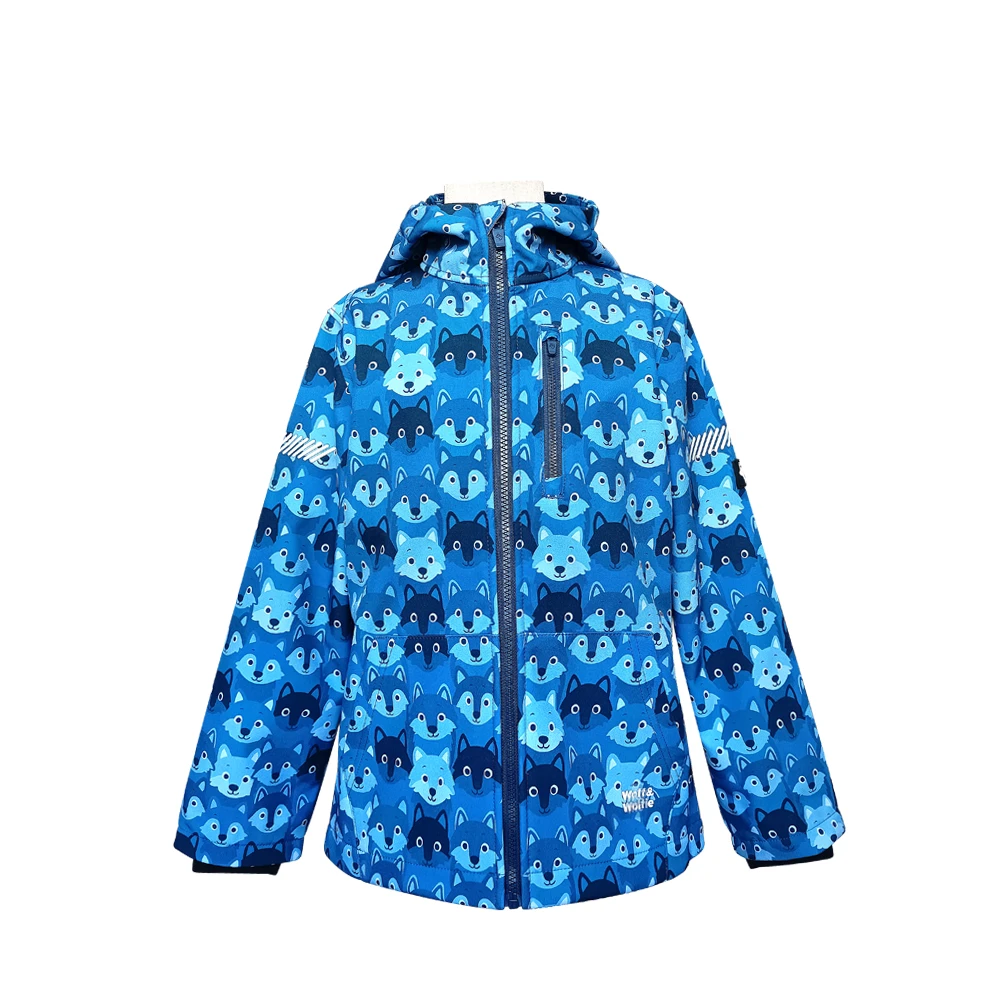
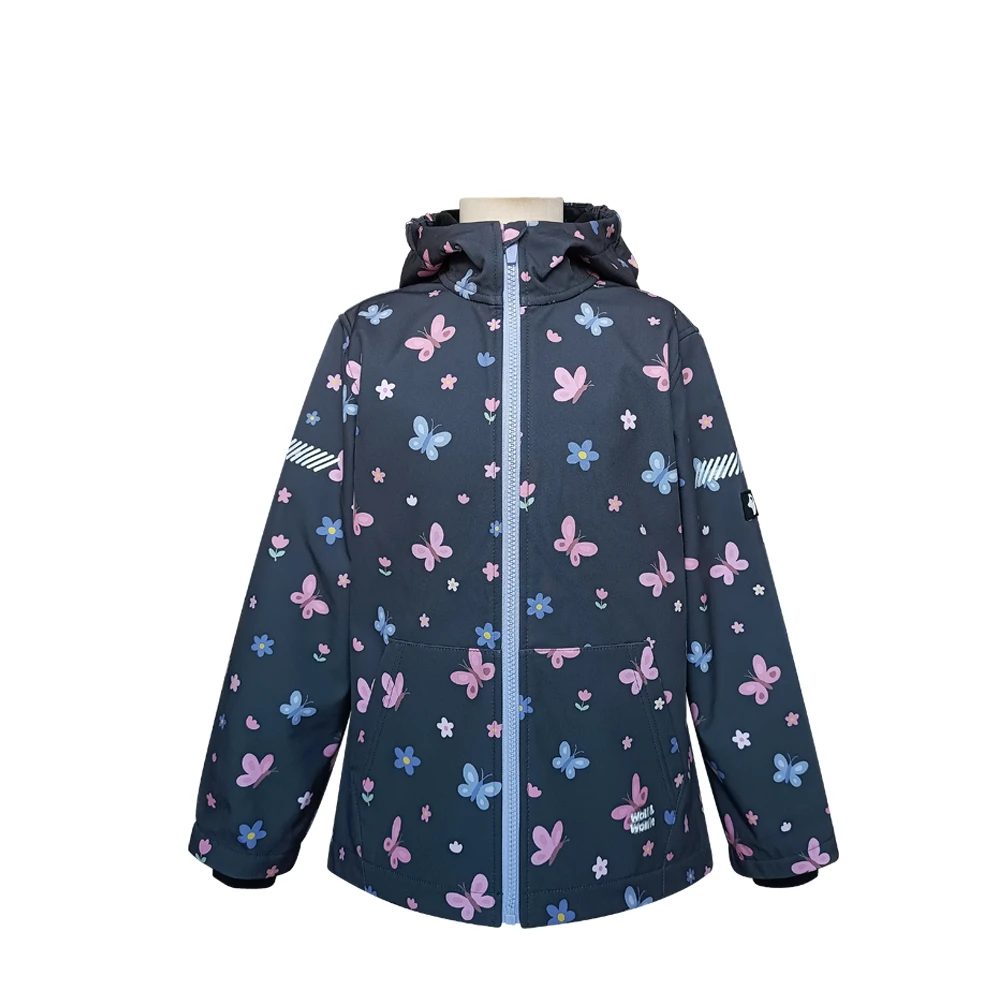
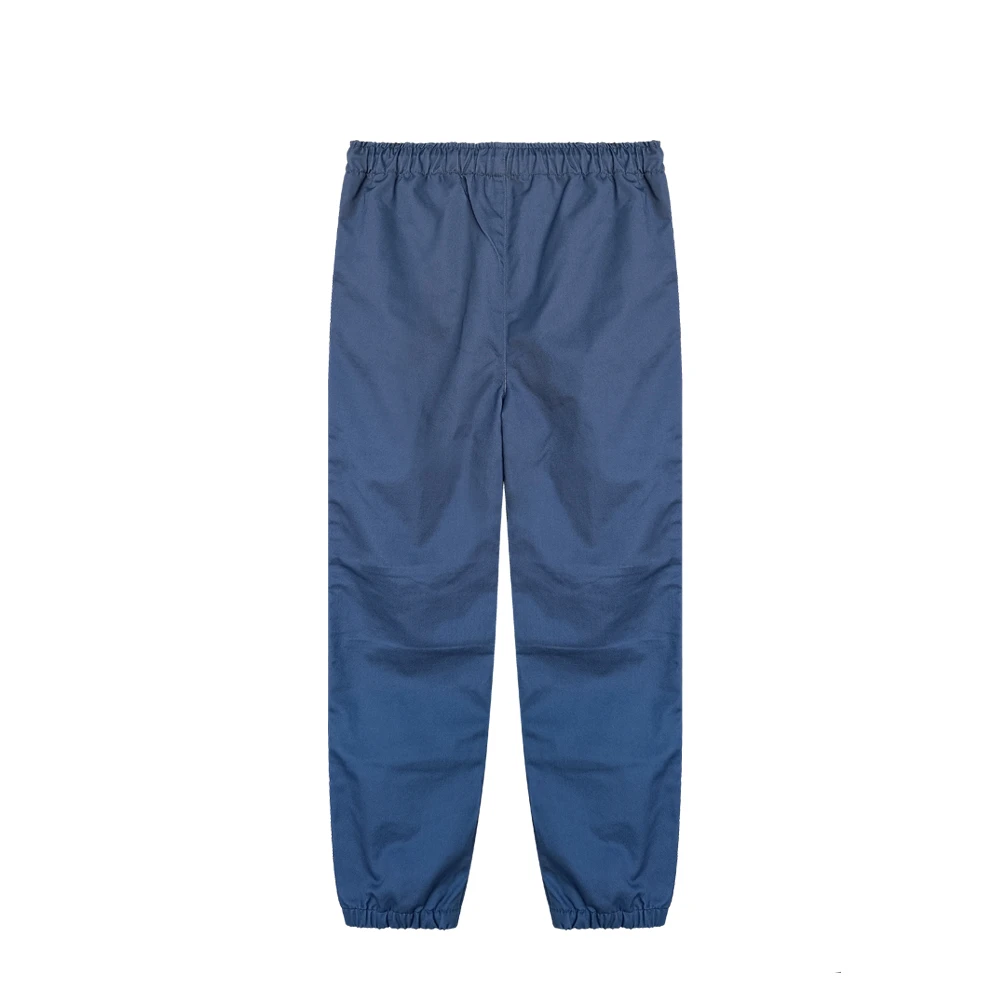
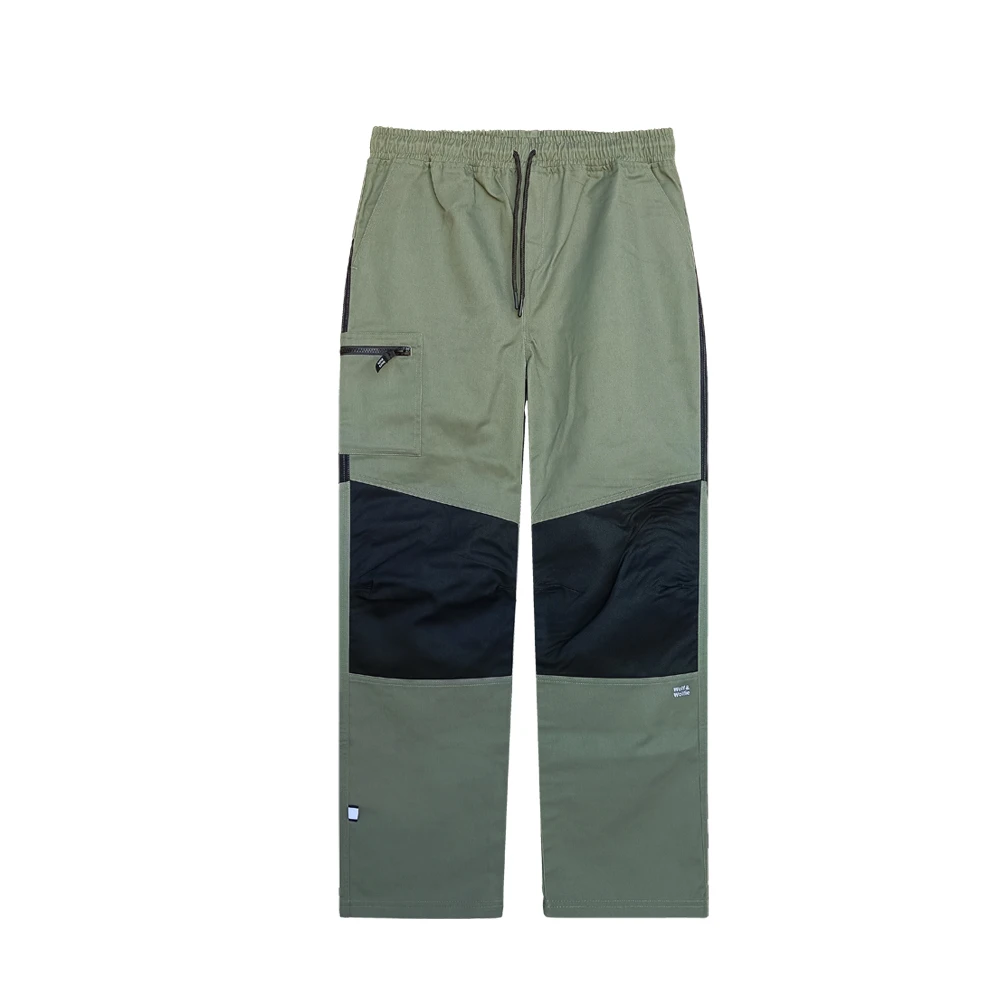
Understanding the Waterproof Raincoat: Why It Matters Globally
When you think of a waterproof raincoat, it might just bring to mind protection against a drizzle. But frankly, it’s more than just a wardrobe item for rainy days. Globally, waterproof raincoats have evolved into essential gear for workers, travelers, and even humanitarian outfits operating in challenging environments. Whether it's shielding from torrential monsoon rains in Southeast Asia or protecting emergency responders in flood-ridden areas of Africa, understanding what makes waterproof raincoats effective can mean the difference between comfort and calamity.
Introduction: The Global Context of Waterproof Raincoats
According to the World Meteorological Organization, extreme weather events have increased by over 40% in the last two decades, leading to unpredictable rainfall patterns worldwide. This means more demand for protective clothing that can keep people dry without sacrificing mobility or comfort. Oddly enough, despite advances in technology, many waterproof raincoats on the market still struggle to combine durability, breathability, and eco-friendliness. This challenge hits industries as diverse as outdoor recreation, logistics, and disaster relief — making top-quality waterproof raincoats critical.
Mini takeaway: The rise in extreme weather events calls for better, more reliable waterproof raincoats globally.
What Is a Waterproof Raincoat?
Simply put, a waterproof raincoat is a garment designed to keep the wearer dry by preventing water from passing through its material. It’s not just about water resistance — a true waterproof raincoat repels water even under heavy downpours. Technically, these raincoats rely on special coatings or membranes like polyurethane (PU) or Gore-Tex, which block water droplets but allow sweat vapor to escape, ensuring breathability. This technology connects deeply with industries facing harsh weather conditions — think outdoor workers or humanitarian teams responding to floods.
Mini takeaway: Waterproof raincoats blend technology and practicality to keep users dry and comfortable in diverse settings.
Core Components of a High-Quality Waterproof Raincoat
1. Material Technology
Waterproof fabrics often use membranes (like ePTFE) or coatings (PU, PVC) that create a barrier. The technology matters — multilayer laminates, combined with durable outer shells, enhance protection and lifespan. Breathable membranes prevent overheating, which is especially important for active users.
2. Seam Sealing
You can have the best fabric in the world, but unsealed seams can let water in. Taped or welded seams ensure the integrity of the raincoat under harsh conditions.
3. Durability
Raincoats must withstand abrasion, wear from frequent use, and harsh conditions without breaking down — this is particularly true in demanding fields like forestry or rescue work.
4. Comfort & Fit
A well-designed raincoat balances protection with ease of movement. Features like adjustable hoods, ventilation zippers, and articulated sleeves make a real difference day to day.
5. Sustainability
Increasingly, waterproof raincoats are manufactured with eco-conscious materials and processes (recycled fabrics, PFC-free coatings), addressing environmental concerns around durability and post-use disposal.
| Feature | Description |
|---|---|
| Waterproof Rating | Measured in mm (e.g., 10,000 mm) indicating how much water pressure fabric can endure before leaking. |
| Breathability | Allows sweat vapor to escape, measured by MVTR (Moisture Vapor Transfer Rate). |
| Seam Construction | Taped or welded to seal water entry points. |
| Weight | Ranges from lightweight for urban use to heavy-duty for industrial applications. |
| Eco Features | Use of recycled materials, PFC-free treatments, and biodegradable components. |
Mini takeaway: Waterproof raincoats combine advanced materials and thoughtful design for optimal protection and sustainability.
Global Applications: Who Benefits and How?
Waterproof raincoats serve a surprisingly broad audience globally:
- Disaster Relief Operations: In flood-prone areas like Bangladesh or parts of the U.S., quick-deploy garments protect volunteers and survivors from hypothermia and exposure.
- Industrial Workers: Miners or construction crews in rainy regions of Canada or Australia rely on heavy-duty waterproof gear to stay safe.
- Outdoor Enthusiasts and Travelers: Hikers trekking the rainforests of Costa Rica or commuters in London need lightweight, breathable protection.
- Military and Law Enforcement: Waterproof raincoats with camouflage or tactical features support operations in challenging outdoor environments.
For example, many NGOs operating in Southeast Asia have standardized on durable waterproof raincoats with high breathability and taped seams to ensure field staff stay dry during intense monsoon seasons.
Mini takeaway: Across industries and geographies, waterproof raincoats provide essential protection tailored to needs.
The Advantages and Long-Term Value of Waterproof Raincoats
On the surface, the benefits are obvious — no one enjoys soggy clothes, after all. But the real value runs deeper:
- Cost Efficiency: Investing in durable, quality raincoats reduces frequent replacements and downtime, saving money in the long run.
- Safety & Health: Keeping dry prevents hypothermia and skin infections, which can be serious for outdoor workers or displaced populations.
- Sustainability: Eco-friendly raincoats minimize environmental footprints, answering increasing regulations and ethical production demands globally.
- Emotional Comfort: Feeling protected and comfortable creates trust and morale, especially in high-stress roles like rescue or military operations.
Mini takeaway: Waterproof raincoats deliver financial savings, health protection, and emotional reassurance across diverse settings.
Future Trends & Innovations in Waterproof Raincoats
The industry isn’t standing still. We’re seeing exciting advances like:
- Bio-Based Materials: Fabrics derived from plant sources that reduce reliance on petroleum-based synthetics.
- Improved Breathability: New membranes that enhance moisture vapor transfer without sacrificing waterproofness.
- Smart Textiles: Embedded sensors monitor temperature and moisture, adapting fabric properties in real-time.
- Recycling Programs: Brands developing take-back systems to recycle old raincoats into new fabrics.
These trends support both environmental goals and user comfort, which frankly is the holy grail for waterproof raincoat development.
Mini takeaway: Technology will soon make waterproof raincoats lighter, smarter, and greener — a win for users and the planet.
Challenges & Solutions in Waterproof Raincoat Manufacturing
There are still hurdles to overcome. For example, traditional water repellents often use harmful PFCs, which are linked to environmental damage and health risks. Also, striking the balance between perfect breathability and impermeability can be tricky.
Industry experts suggest adopting PFC-free durable water repellent (DWR) treatments and investing in research on nanotechnology coatings. Also, user feedback loops improve design iteration, ensuring real-world functionality rather than lab-only specs.
Mini takeaway: Innovative materials and user-centered design help tackle industry challenges for better raincoats.
| Vendor | Waterproof Rating (mm) | Breathability (MVTR) | Eco-Friendly Features | Price Range (USD) |
|---|---|---|---|---|
| RainMaster | 15,000 | 20,000 | PFC-free DWR | $120–$180 |
| EcoShell | 10,000 | 25,000 | Recycled fabrics | $100–$150 |
| StormGear | 20,000 | 15,000 | Standard DWR | $140–$200 |
FAQ: Frequently Asked Questions About Waterproof Raincoats
1. How do I know if a raincoat is truly waterproof?
Look for a waterproof rating (usually given in millimeters). Ratings above 10,000 mm typically signal strong protection against heavy rain. Also, check for taped seams and reliable DWR treatment.
2. Can waterproof raincoats be breathable?
Yes. Membrane technologies like Gore-Tex enable breathability by letting sweat vapor escape while blocking rainwater. This prevents overheating and moisture build-up inside.
3. Are eco-friendly raincoats as effective as traditional ones?
Advances in recycled materials and PFC-free coatings mean eco-friendly raincoats often perform just as well, if not better. However, always check product specs to ensure both waterproofness and durability.
4. How do I care for my waterproof raincoat?
Follow manufacturer instructions. Typically, avoid fabric softeners, wash with specialized detergents, and reapply water repellent coatings regularly to maintain waterproof performance.
5. Where can I find reliable waterproof raincoats for professional use?
Specialized outdoor and industrial suppliers offer products designed for high performance. Websites like softshell-clothing.com provide detailed specs and customer reviews for various applications.
Conclusion: Embrace Reliable Protection for Tomorrow’s Weather
Waterproof raincoats might seem ordinary, but they’re vital in a world facing growing climate uncertainty. Investing in high-quality, breathable, and sustainable rain gear pays off in comfort, safety, and reduced environmental impact. Ready for your next dependable layer? Visit https://www.softshell-clothing.com to explore an extensive line of waterproof raincoats designed for every need.
Reflecting on this, it’s clear that the humble raincoat has become quite a marvel of textile innovation and environmental responsibility — which, oddly enough, makes rainy days a little more bearable.