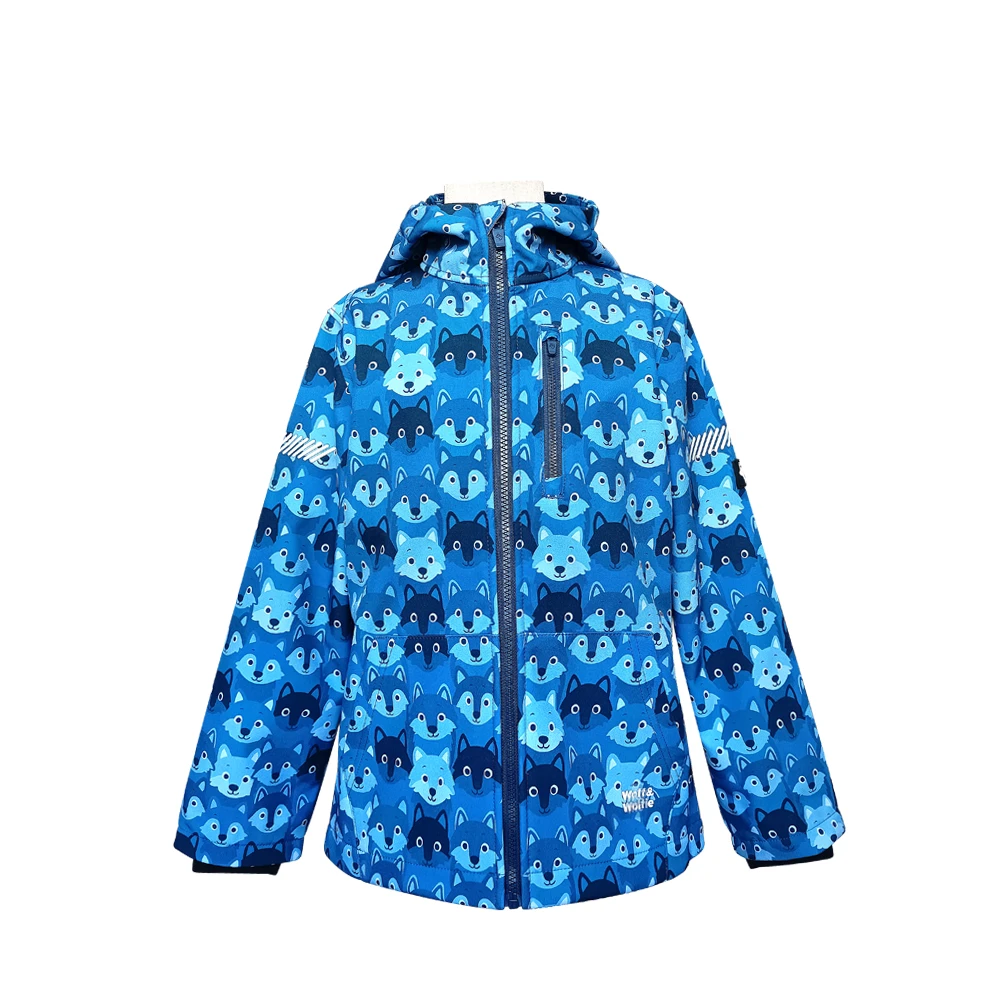
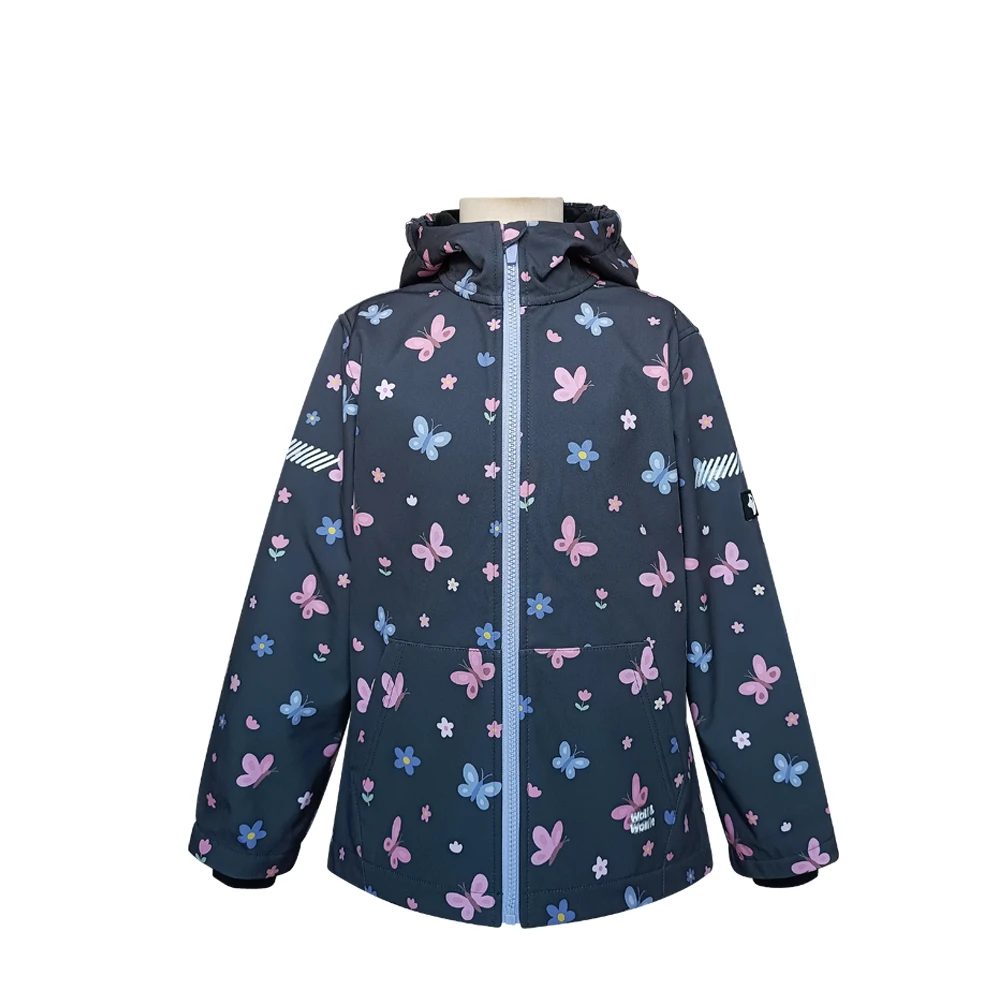
Understanding the Waterproof Jacket: Why It Matters Globally
The waterproof jacket: a humble yet indispensable layer that’s become a global staple for anyone braving the elements. You might think it’s just a raincoat, but its significance stretches far beyond casual uses. From urban commuters in London to humanitarian workers in flood-prone regions, the waterproof jacket plays a vital role in building resilience against changing climate patterns.
Why worry about it? Because the World Meteorological Organization reports an increasing frequency of extreme weather events, and staying dry is no longer about mere comfort—it’s about health, safety, and even survival. Understanding waterproof jackets, their materials, designs, and usage benefits millions worldwide, from outdoor enthusiasts to emergency responders.
The Global Context: How the Waterproof Jacket Meets a Rising Need
Globally, rainfall patterns and storms are becoming less predictable. Days soaked with relentless rain are touching every continent, and infrastructure just isn’t keeping pace. According to the United Nations, over 160 million people were affected by floods just last year. That’s where the waterproof jacket steps in, helping people stay dry, healthy, and operational.
Yet, not all waterproof jackets are created equally. The challenge lies in developing apparel that balances durability, breathability, and ease of use at a cost affordable for mass adoption. Imagine disaster relief workers in Southeast Asia or hikers in the Pacific Northwest—each needs a jacket that performs under different conditions. It’s a problem that the garment industry and engineers have been tackling head-on.
What Exactly Is a Waterproof Jacket?
Simply put, a waterproof jacket is an outer garment made from materials designed to repel water penetration, keeping the wearer dry, even in heavy rain. Unlike just water-resistant gear, waterproof jackets incorporate technologies such as membrane layers (like Gore-Tex or eVent), sealed seams, and hydrophobic coatings.
In an industrial and humanitarian sense, these jackets are more than just clothing; they’re protective equipment that supports workers and volunteers exposed to harsh weather. This connection to modern needs has made them a critical piece of gear in various sectors.
Key Factors That Define a Quality Waterproof Jacket
1. Material Technology
The core of any waterproof jacket is its fabric. Membranes like Gore-Tex or proprietary polyurethane blends manage to balance waterproofness with breathability. Many engineers swear by multi-layer laminates that can withstand thousands of water column millimeters—basically, the amount of pressure water exerts—while still allowing sweat vapor to escape.
2. Breathability
Ever felt trapped in a rain jacket that made you sweat buckets? A quality waterproof jacket must keep water out but allow moisture to escape. This factor affects comfort and, frankly, safety during extended wear. Breathable materials reduce overheating and the clammy feeling.
3. Durability and Seam Sealing
The seams often get overlooked. Waterproof fabric is only part of the story—without taped or welded seams, water will seep in through those tiny stitching holes. Ruggedness here matters, especially for rough outdoor use.
4. Fit and Design Features
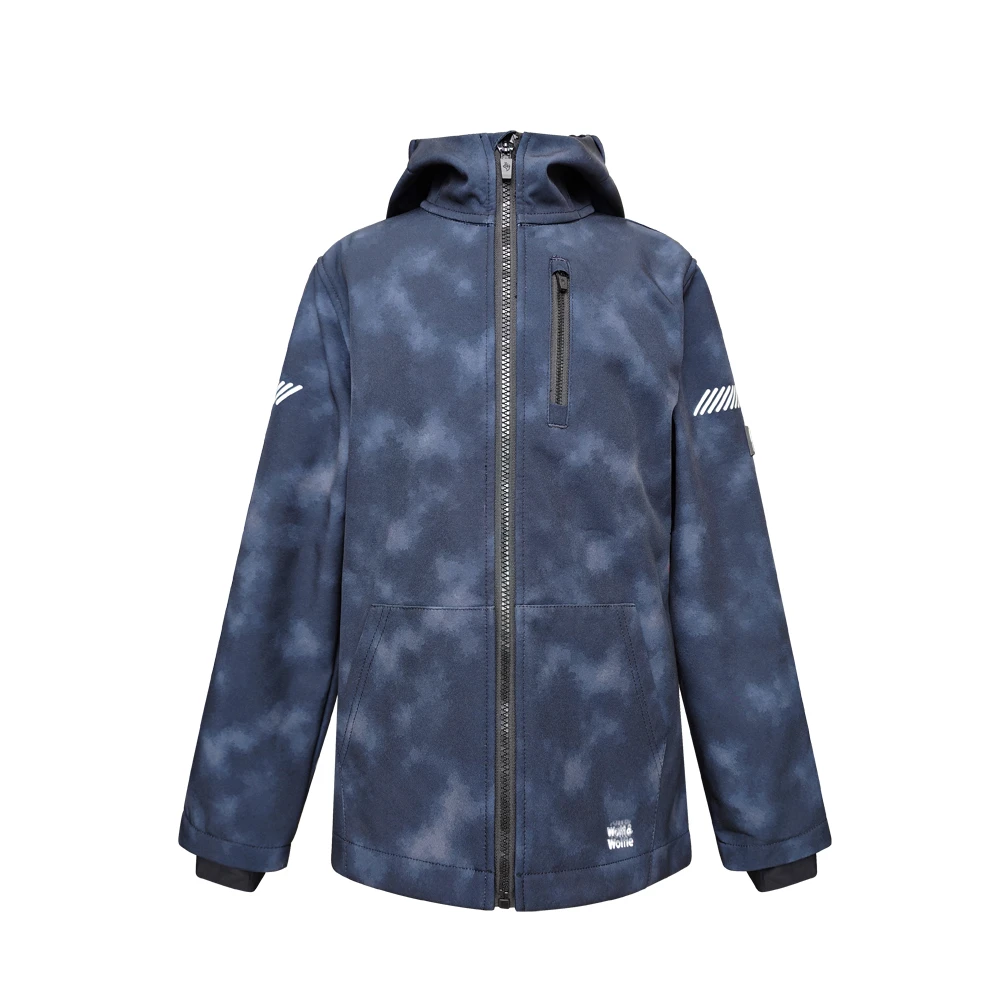
Adjustable hoods, ventilations like pit zips, and sufficient pocket placement can make or break a jacket’s utility. A well-designed waterproof jacket should let you move freely and adjust based on weather extremes.
5. Cost vs. Sustainability
Brand and tech innovations now often weigh sustainability—many jackets use recycled materials or PFC-free coatings, aligning durability with environmental responsibility. The price point must reflect these factors while remaining accessible.
Mini Takeaway: A high-quality waterproof jacket isn’t just about looking cool or feeling dry. It’s a sophisticated balance of material science, design, and sustainable manufacturing.
Global Applications and Who Benefits Most
Think beyond the weekend hiker. Waterproof jackets form part of the essential gear for disaster relief teams facing monsoons in India, forestry workers in Canada braving rainy chills, and even fashion brands in Scandinavia merging function with style. The UN and organizations like Médecins Sans Frontières rely on rugged versions to keep their teams safe during humanitarian crises.
In industrial zones, particularly in remote mining locations, these jackets function as primary PPE (personal protective equipment), protecting workers from exposure and enabling productivity despite harsh weather.
Oddly enough, the growth in urban cycling has also driven innovation, leading to styles optimized for daily commuters who face sudden rainstorms without the luxury of extra gear.
Product Specification Table: Typical Waterproof Jacket Features
| Feature | Description | Typical Range |
|---|---|---|
| Waterproof Rating | Water column pressure fabric can withstand | 5,000 - 20,000 mm |
| Breathability | MVTR (Moisture Vapor Transmission Rate) | 5,000 - 25,000 g/m²/24hr |
| Seam Construction | Taped or welded seams to prevent leaks | Fully taped seams |
| Weight | Suitability for backpacking or daily wear | 200 - 450 grams |
| Sustainability | Use of recycled materials, PFC-free coatings | Varies by brand |
Comparing Leading Waterproof Jacket Vendors
| Brand | Waterproof Membrane | Breathability (MVTR) | Price Range | Sustainability Initiatives |
|---|---|---|---|---|
| Arc’teryx | Gore-Tex Pro | 20,000+ g/m²/24hr | $600 - $800 | Recycled textiles, fair labor |
| Patagonia | H2No® Performance Standard | >15,000 g/m²/24hr | $350 - $600 | PFC-free DWR, recycled fabrics |
| The North Face | DryVent™ | 10,000 - 15,000 g/m²/24hr | $200 - $400 | Recycled materials in select products |
The Long-Term Value of Investing in a Good Waterproof Jacket
Beyond the immediate comfort of staying dry, a quality waterproof jacket improves health by preventing hypothermia and illness caused by damp clothing. It lends peace of mind to workers and adventurers alike, fostering trust in their gear.
Economically, a durable jacket reduces the frequency of replacements, saving money over time. Socially, it imbues a sense of dignity—people can focus on their tasks rather than fighting the rain.
Lastly, environmental considerations increasingly matter. Jackets made with sustainable practices align with global efforts to reduce textile waste—something many manufacturers are embracing.
What the Future Holds: Trends and Innovations in Waterproof Jackets
Looking ahead, advances in nanotechnology promise even lighter, more breathable membranes that don’t sacrifice waterproofness. Smart textiles might soon adjust ventilation automatically or warn when the protective layer wears thin.
Green manufacturing continues to gather steam: expect more PFC-free, biodegradable treatments that minimize chemical pollution. Digital transformation, such as QR codes embedded in tags, will give buyers easy access to supply chain and sustainability information.
Challenges and How the Industry Is Tackling Them
Waterproof jackets often come with a trade-off: they can trap sweat and feel less comfortable if not designed carefully. Plus, high-end options tend to be pricey, limiting accessibility.
Manufacturers now use hybrid fabrics or mesh ventilation to improve comfort. Some are exploring rental and recycling programs to lessen environmental impacts and democratize access.
FAQ: Frequently Asked Questions About Waterproof Jackets
- How can I tell if a jacket is genuinely waterproof and not just water-resistant?
- A jacket’s waterproof rating (e.g., 10,000 mm) and whether seams are taped or welded typically indicate true waterproofness. Water-resistant jackets repel light rain but won’t hold up under sustained downpours. Look for membranes like Gore-Tex and detailed specs from trusted brands.
- Are more breathable jackets less waterproof?
- Not necessarily. Advanced membrane technologies strive to balance breathability and waterproofing. Breathability ratings (MVTR) show how well moisture escapes—higher numbers mean better airflow without sacrificing water protection.
- What’s the best way to care for and maintain my waterproof jacket?
- Regular cleaning with specialized detergents is key. Avoid fabric softeners as they block membranes. Reapply durable water repellents (DWR) periodically to maintain outer water resistance.
- Can waterproof jackets be eco-friendly?
- Yes! Brands now use recycled fabrics and PFC-free coatings to reduce environmental harm while maintaining performance. Look for certifications and brand transparency for assurance.
Wrapping Up: Stay Dry, Comfortable, and Ready for Whatever Comes
Waterproof jackets have evolved from simple rain gear to sophisticated protective apparel crucial across industries and continents. Their role in keeping people safe, healthy, and productive ties into bigger global conversations about climate resilience and sustainable manufacturing.
Whether you’re an everyday commuter or part of a disaster relief team, investing in the right waterproof jacket means embracing innovation, durability, and environmental stewardship at once.
Curious to see the latest models? Visit our website: softshell-clothing.com — you might just find your new trusted companion for rainy days ahead.