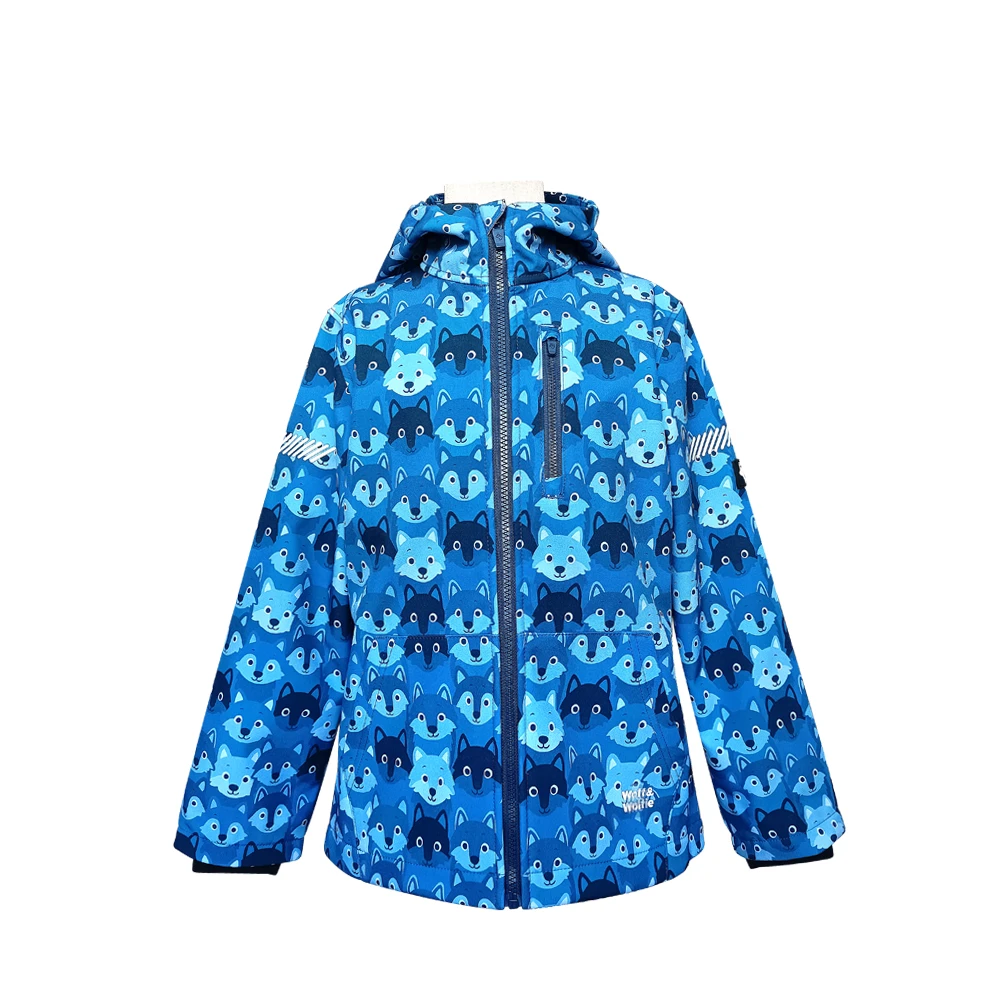
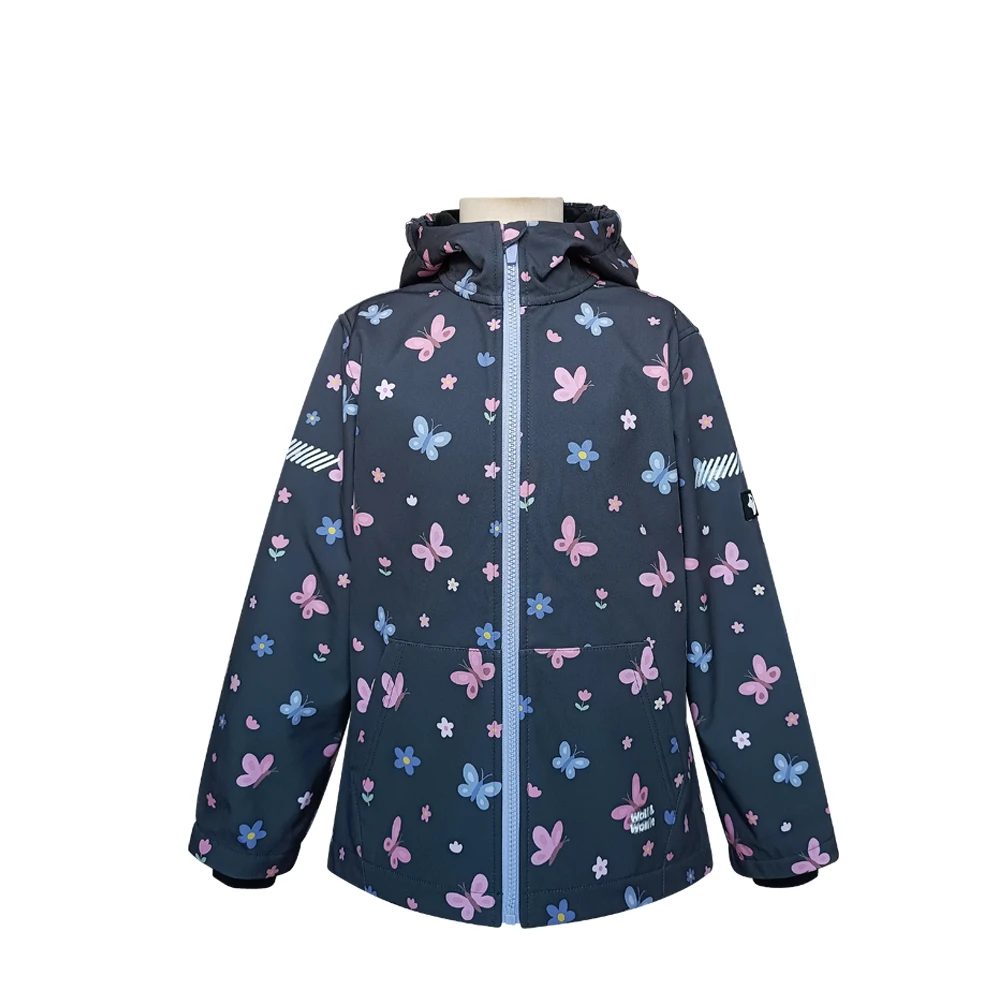
Why a Designer Rain Poncho Matters in Industrial Work
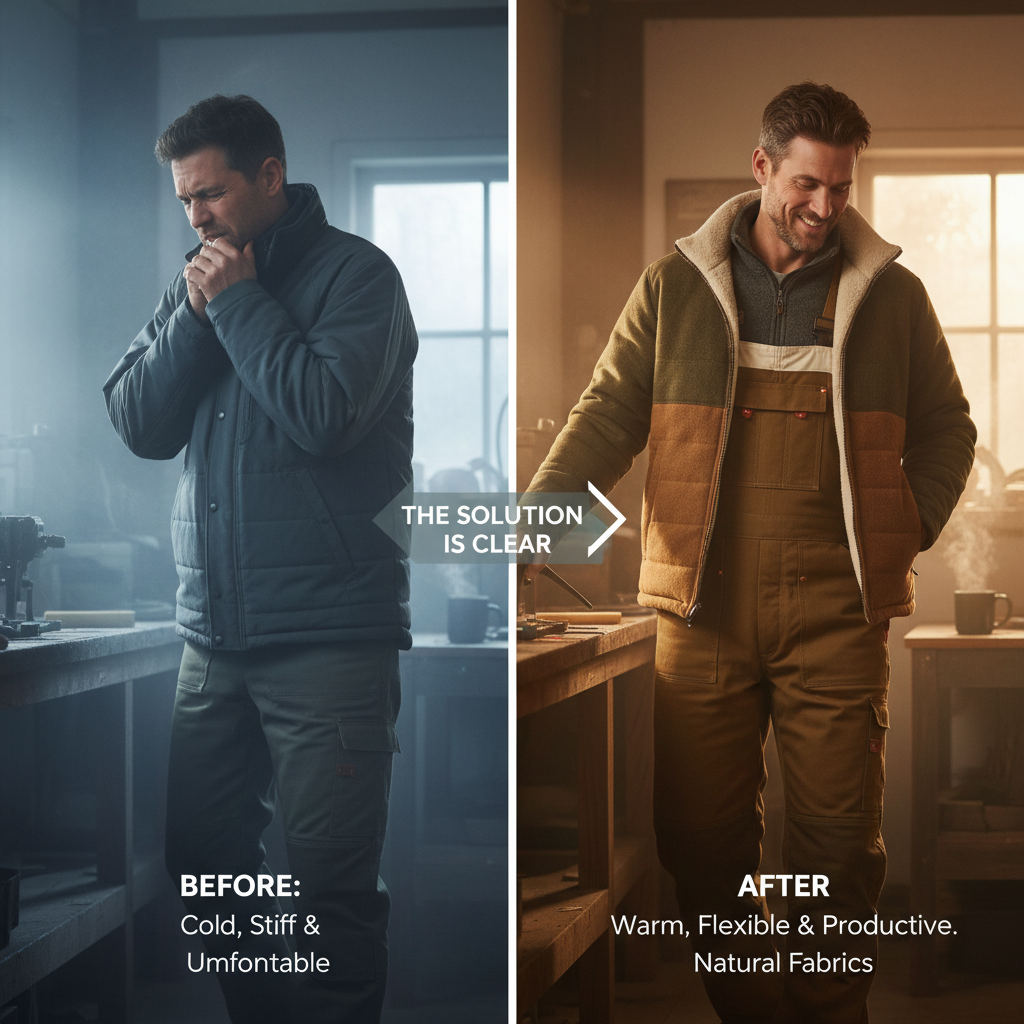
Having spent years in the industrial equipment field, I’ve seen my fair share of protective gear. Oddly enough, rain ponchos—often overlooked—can be absolute game-changers. I suppose part of their charm is that simplicity hides their utility. But when you get into designer rain poncho territory, things take a turn toward both practicality and style. Believe me, when you’re soaked to the bone on a drizzly job site, the last thing you care about is looking like a soggy mess. A quality poncho can save both dignity and downtime.
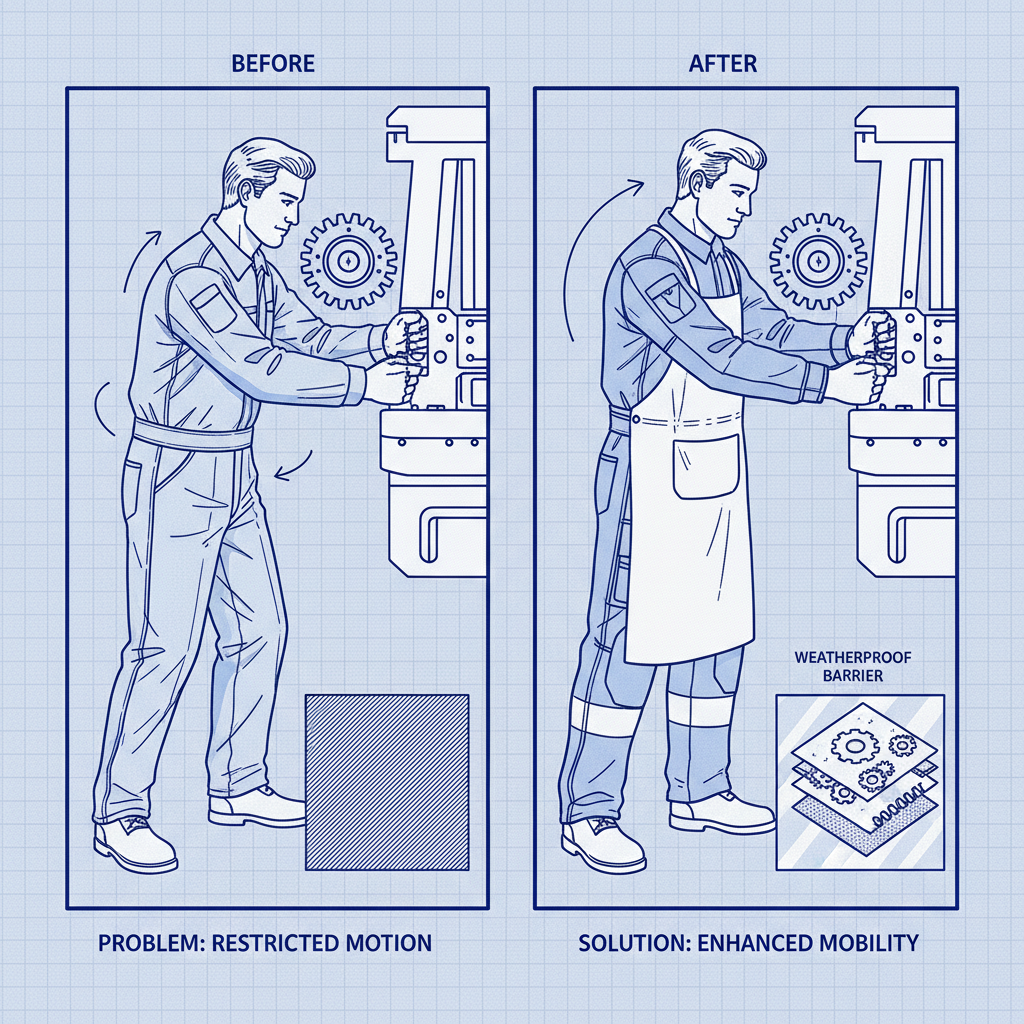
Frankly, in industrial settings, rainwear isn’t just about staying dry. It’s about comfort, mobility, and durability. The best designer rain ponchos nowadays combine technical fabrics with user-focused design—think breathable membranes layered under waterproof coatings, adjustable fits, reflective accents, and rugged construction suited for rough environments. I remember once sitting through a cold, wet equipment inspection, and my poncho didn’t just keep me dry; the breathable fabric meant I wasn’t sweating underneath. Small victory.
A Quick Look at Their Design and Materials
In real terms, a top-tier rain poncho uses lightweight but tough yarns like ripstop nylon or polyester treated with polyurethane or a DWR (durable water repellent) finish. The seams often are taped to prevent leaks where water loves to sneak in. It’s these details—often unseen—that make a difference on site.
Here’s a rundown of key features from a typical high-end designer rain poncho I’ve tested:
| Feature | Specification |
|---|---|
| Material | Ripstop nylon with PU coating |
| Water Resistance | 10,000 mm hydrostatic head |
| Breathability | 8,000 g/m²/24 hrs |
| Seam Construction | Fully taped, reinforced seams |
| Adjustability | Drawstring hood & snap closures |
| Weight | Approx. 350 grams |
Comparing Popular Industrial-Grade Rain Ponchos
When I talk to colleagues across sites, opinions on the best poncho brands differ—sometimes wildly. I took a moment to line up some top vendors for you:
| Brand | Waterproof Rating | Material | Price Range | Unique Feature |
|---|---|---|---|---|
| SoftShell Clothing | 10,000 mm | Ripstop nylon, PU coated | $$ | Customizable fit & colors |
| StormGuard Inc. | 8,000 mm | Polyester with DWR | $ | Lightweight & packable |
| ProGear Industrial | 12,000 mm | Nylon with breathable membrane | $$$ | Highly breathable, reinforced seams |
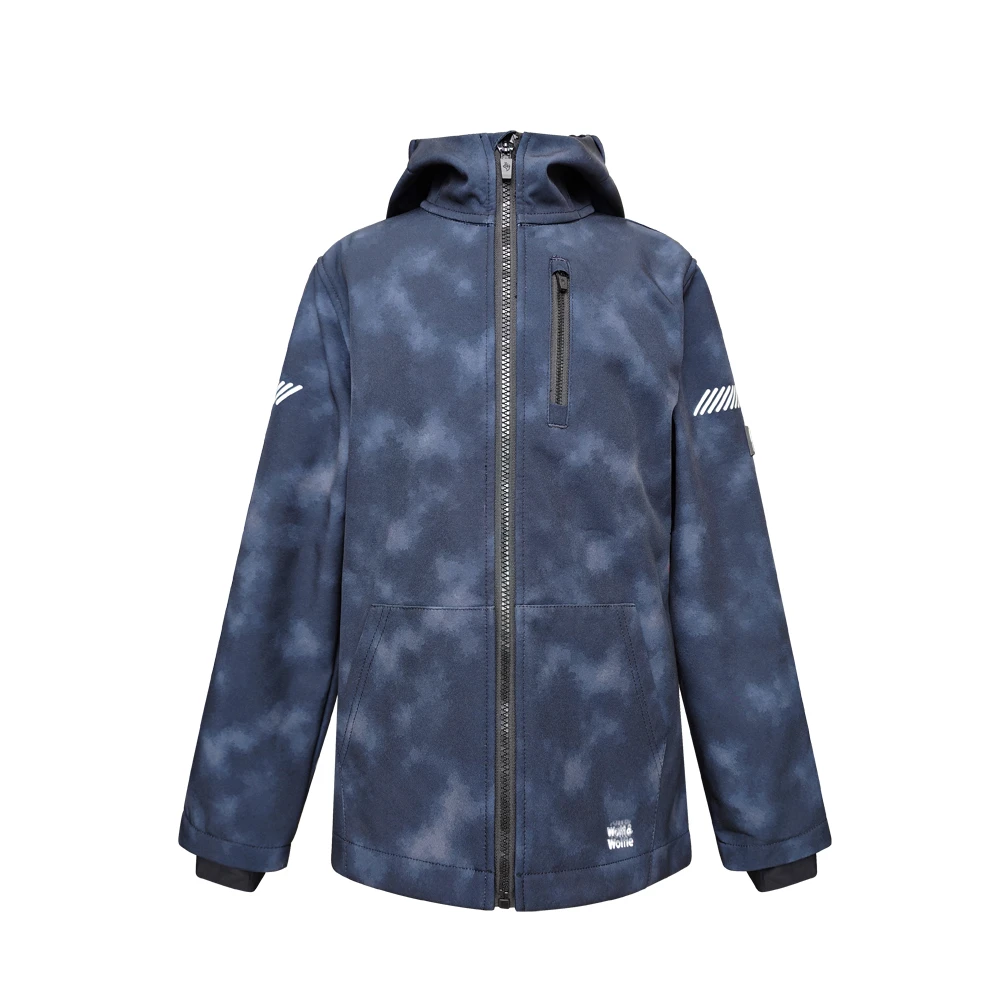
I’ve noticed quite a few site engineers favor SoftShell Clothing’s offerings. It’s not just the specs; their customization options help tailor ponchos to specific needs, from reflective stripes on night shifts to corporate logos for easy ID. Customization feels like a minor thing but, honestly, it boosts team morale in a subtle way.
The truth is, rain ponchos are often the unsung heroes in harsh weather days. They simplify layering over bulkier industrial gear, and when designed well, they don’t flail wildly in the wind—a huge plus when you’re climbing ladders or operating machinery. An anecdote: A colleague once credited his SoftShell poncho with letting him finish a rainy rooftop inspection without missed steps, because the poncho’s fit was snug enough to avoid catching on edges.
So if you’re hunting for something beyond the cheap plastic kind, and want to mix function with a bit of style and flexibility, I’d check out the designer selections online. Convenience, protection, and a bit of flair don’t have to be mutually exclusive.
Anyway, that's my take after years getting rained on at worksites... the right poncho isn’t just gear, it’s peace of mind.
— Shared from my experience in industrial equipment management and field gear testing.
References:
1. Industry Rainwear Standards, OSHA Guidelines
2. Field tests and user reviews, 2022–2023
3. Direct conversations with site safety managers