Finding the Right Wear to Work: A Comprehensive Guide
Choosing the right wear to work is crucial for comfort, safety, and professionalism. Whether you're in a demanding industrial setting or a more relaxed office environment, appropriate clothing can significantly impact your productivity and well-being. This guide will explore the essential considerations when selecting workwear, focusing on durability, functionality, and style. We'll cover a range of options, from robust work pants and shirts to protective outerwear and comfortable footwear, helping you build a wardrobe that supports you throughout your workday. Choosing the right workwear is an investment in your success.
Understanding Your Workplace Requirements
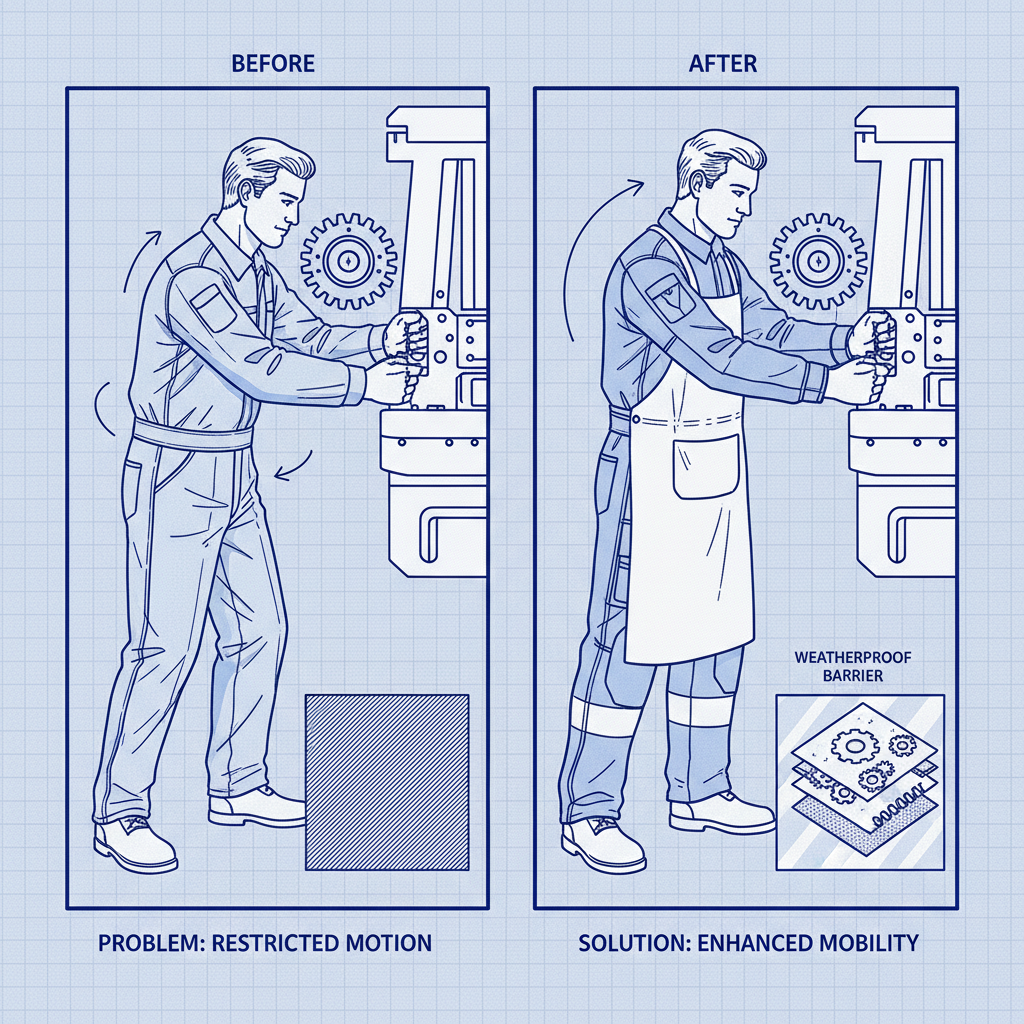
Before investing in any wear to work, it's essential to understand your workplace’s specific demands. This includes assessing potential hazards, required levels of protection, and any dress code regulations. For example, construction workers require high-visibility clothing and steel-toe boots, while office professionals may prioritize comfort and a polished appearance. Consider factors like weather conditions, physical activity levels, and the need for specialized features like water resistance or flame retardancy. A thorough assessment ensures your workwear meets both safety and comfort standards.
Key Considerations: Hazard assessment, protection levels, dress code, weather conditions, physical activity.
Essential Workwear Items by Industry
Different industries necessitate different types of wear to work. Here’s a breakdown of essential items for common professions:
The Importance of Comfort and Fit
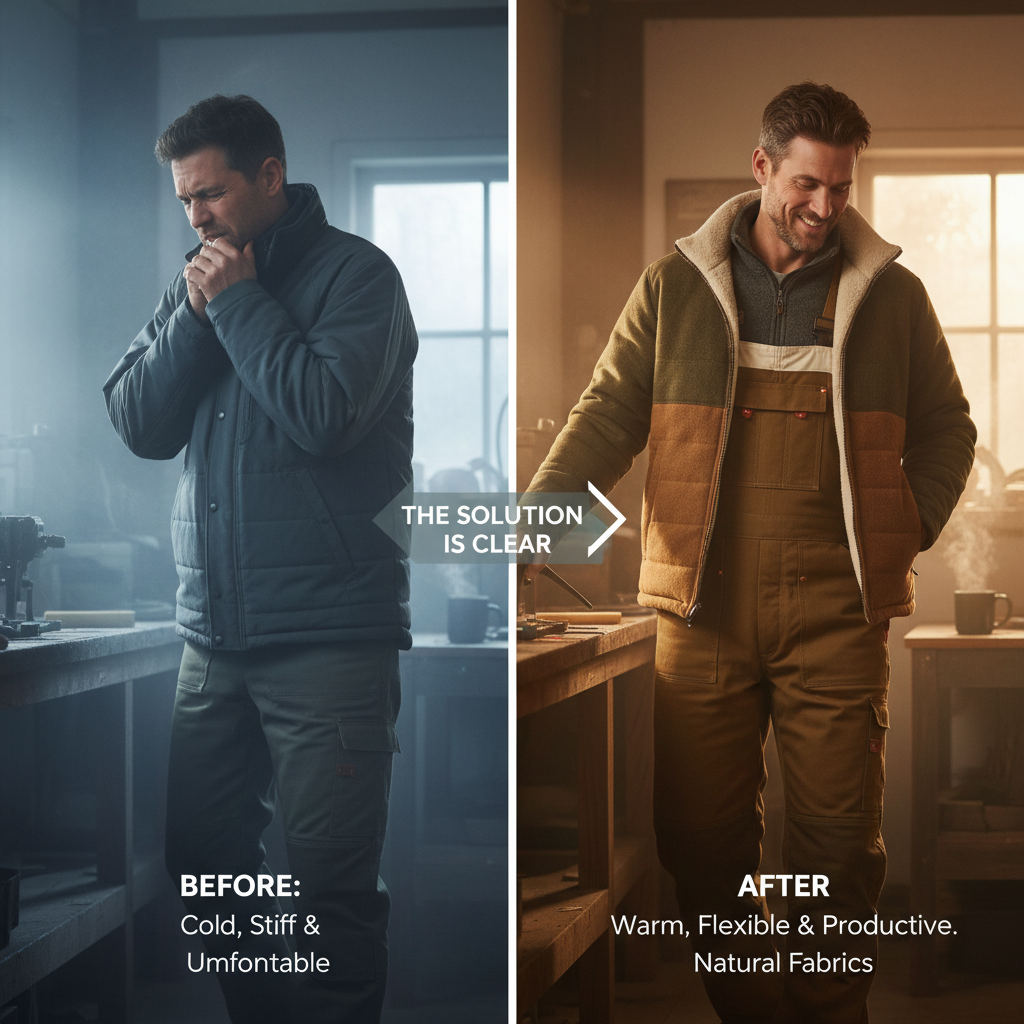
Comfort is paramount when it comes to wear to work. Ill-fitting clothing can cause discomfort, restrict movement, and even lead to injuries. Choose fabrics that are breathable and allow for a full range of motion. Consider features like adjustable waistbands, ergonomic designs, and moisture-wicking materials. A proper fit ensures that clothing doesn’t interfere with your tasks and allows you to maintain focus throughout the day. Investing in quality, well-fitting workwear is an investment in your productivity and well-being.
Comfort Factors:
• Breathable fabrics
• Ergonomic design
• Moisture-wicking materials
• Adjustable features
Softshell Clothing: A Modern Workwear Solution
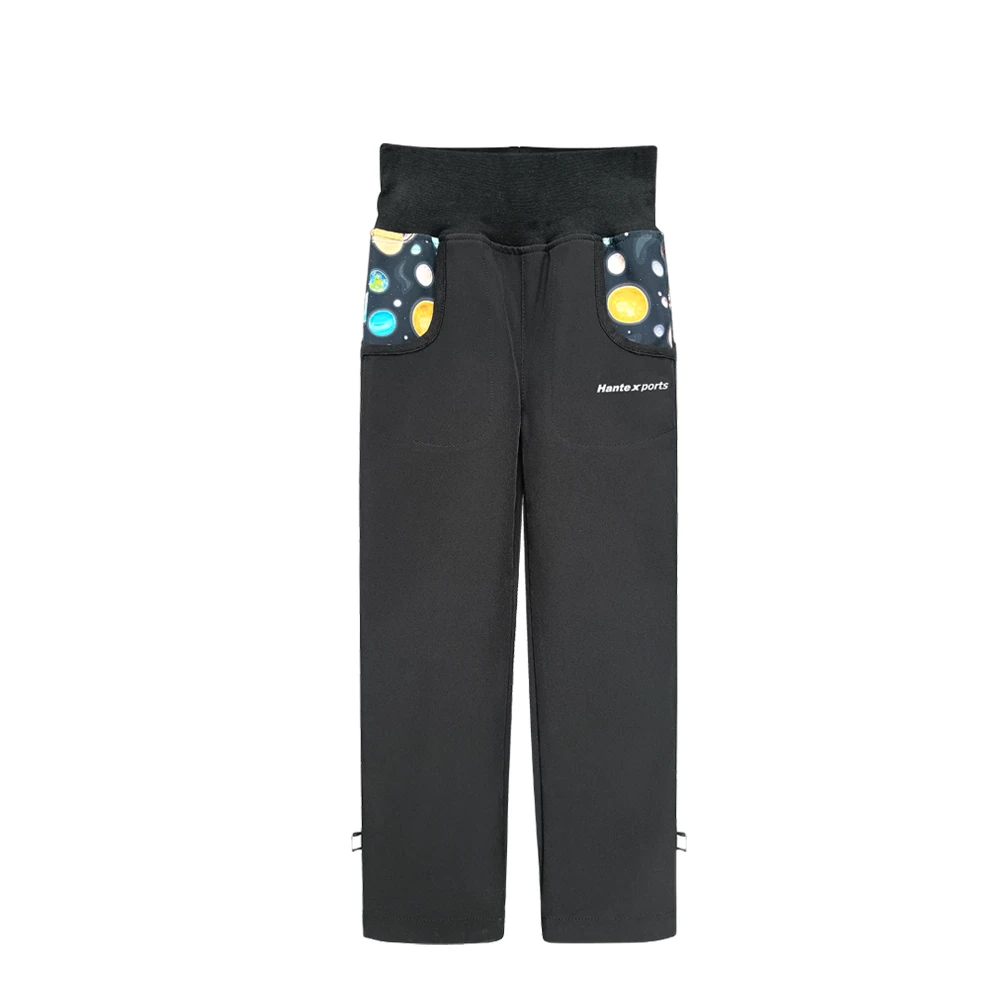
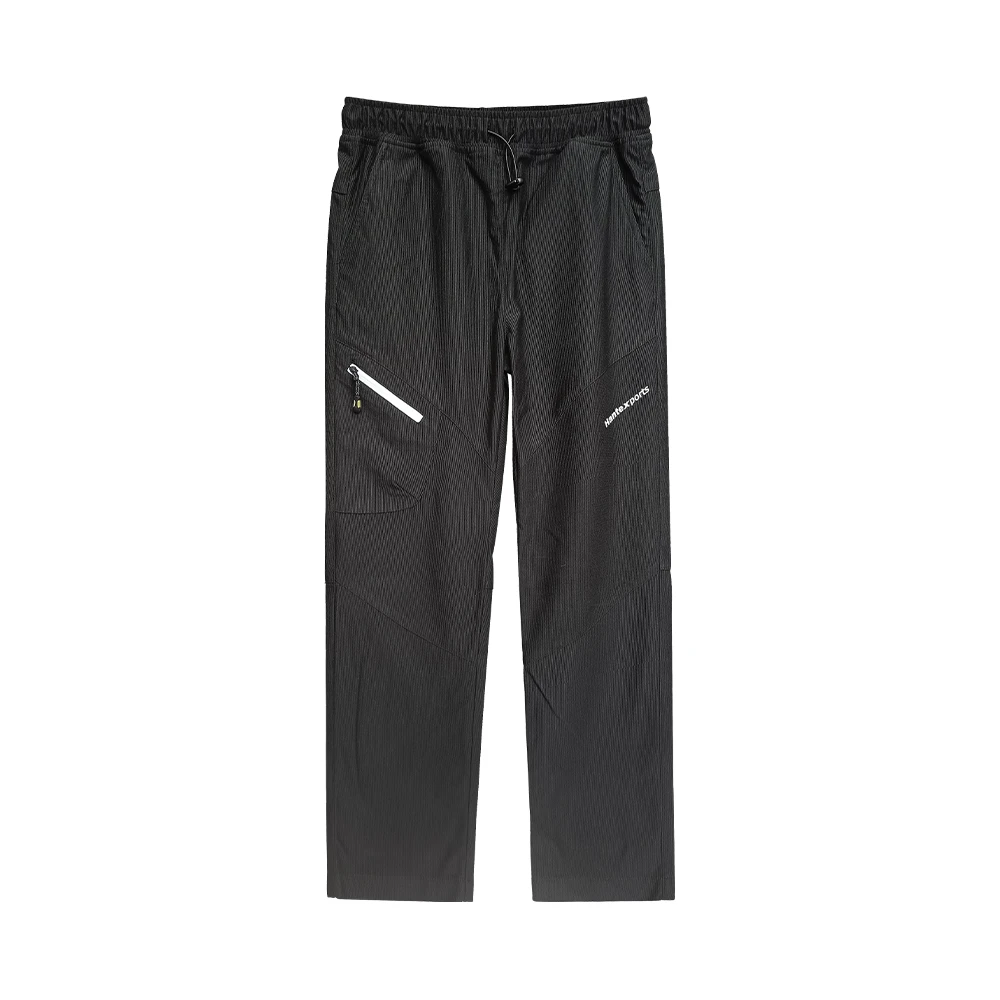
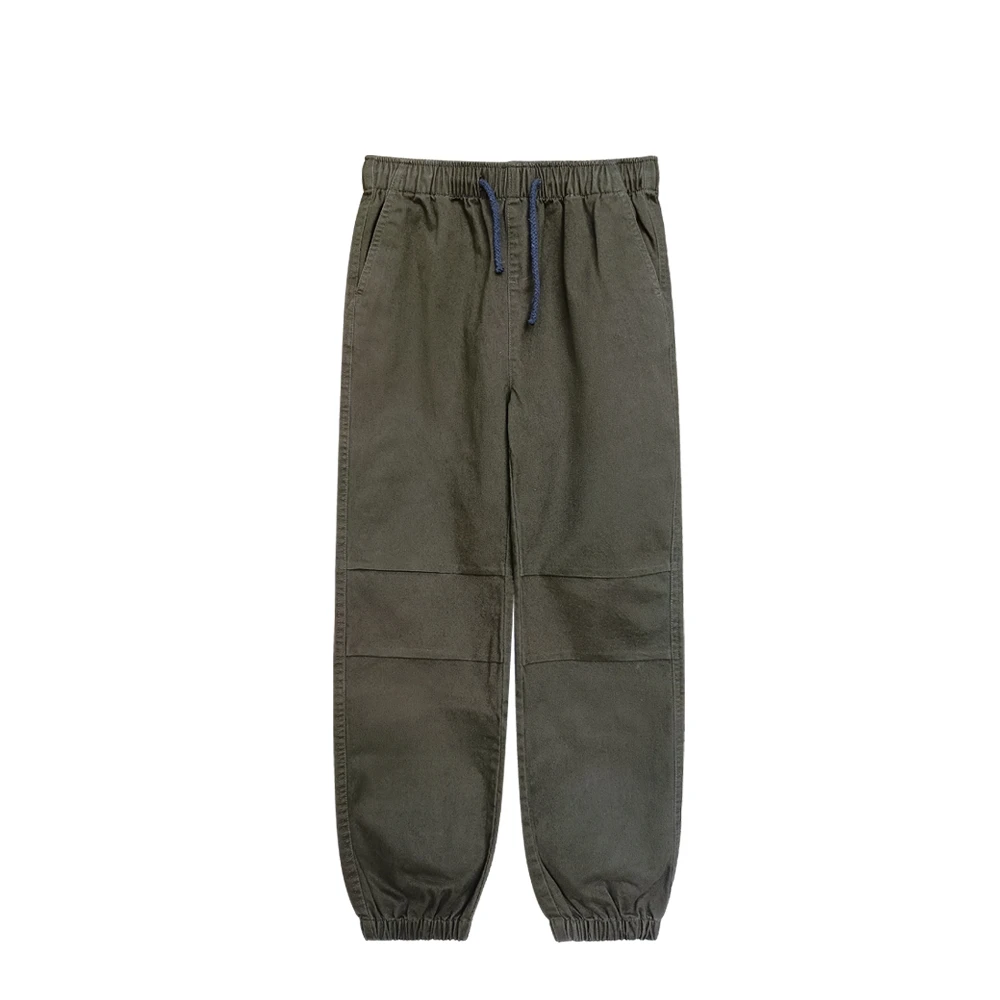
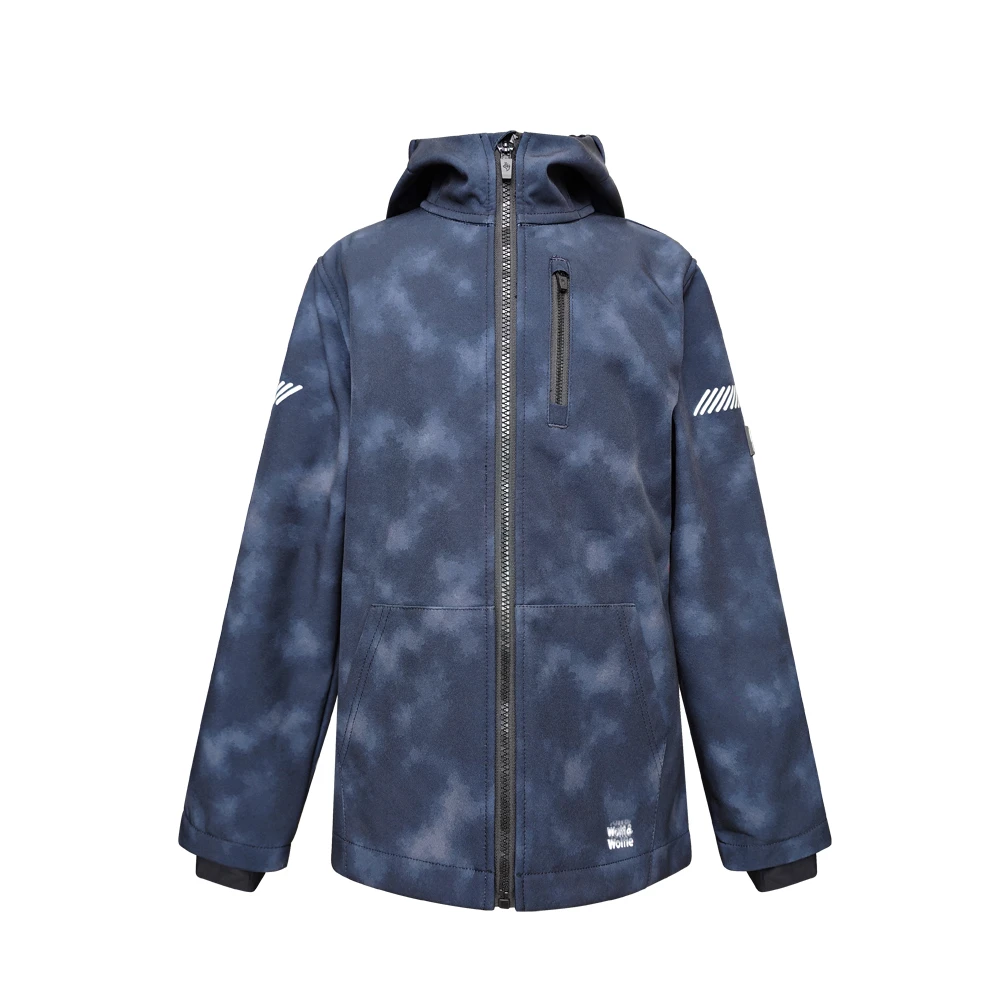
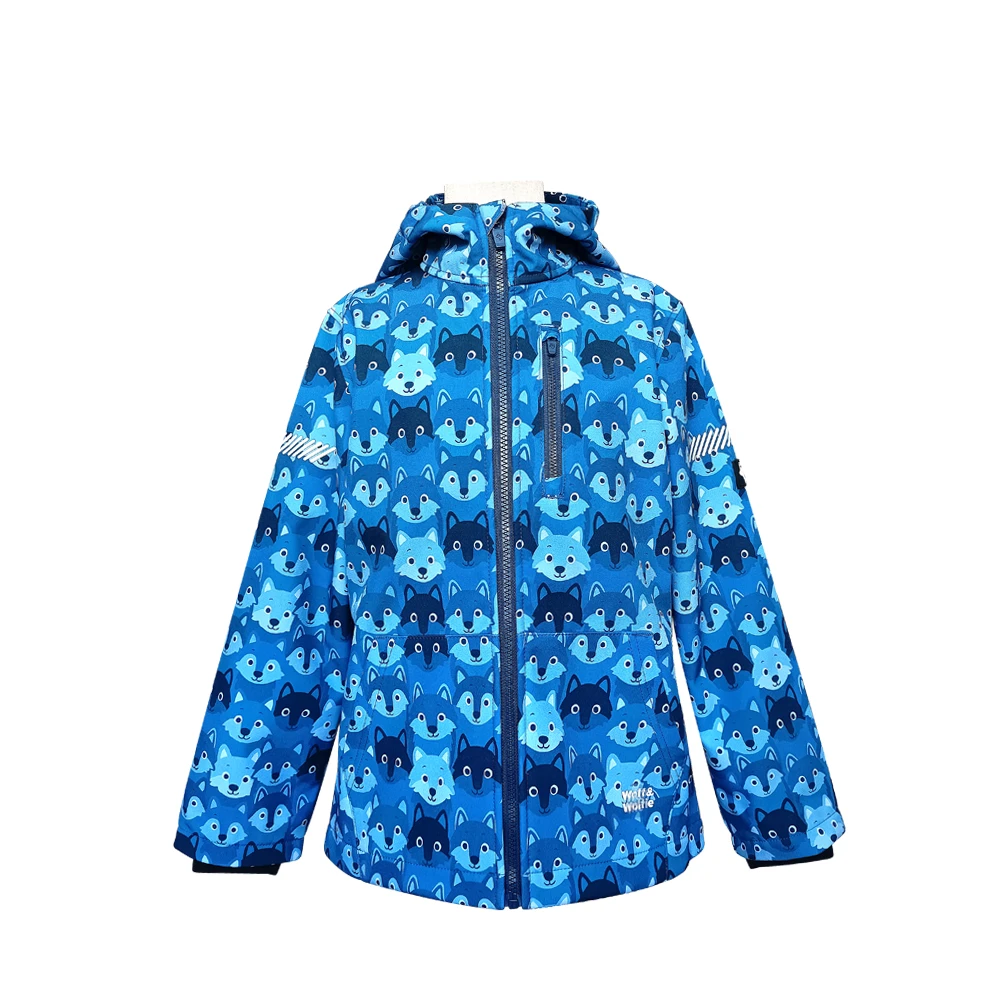
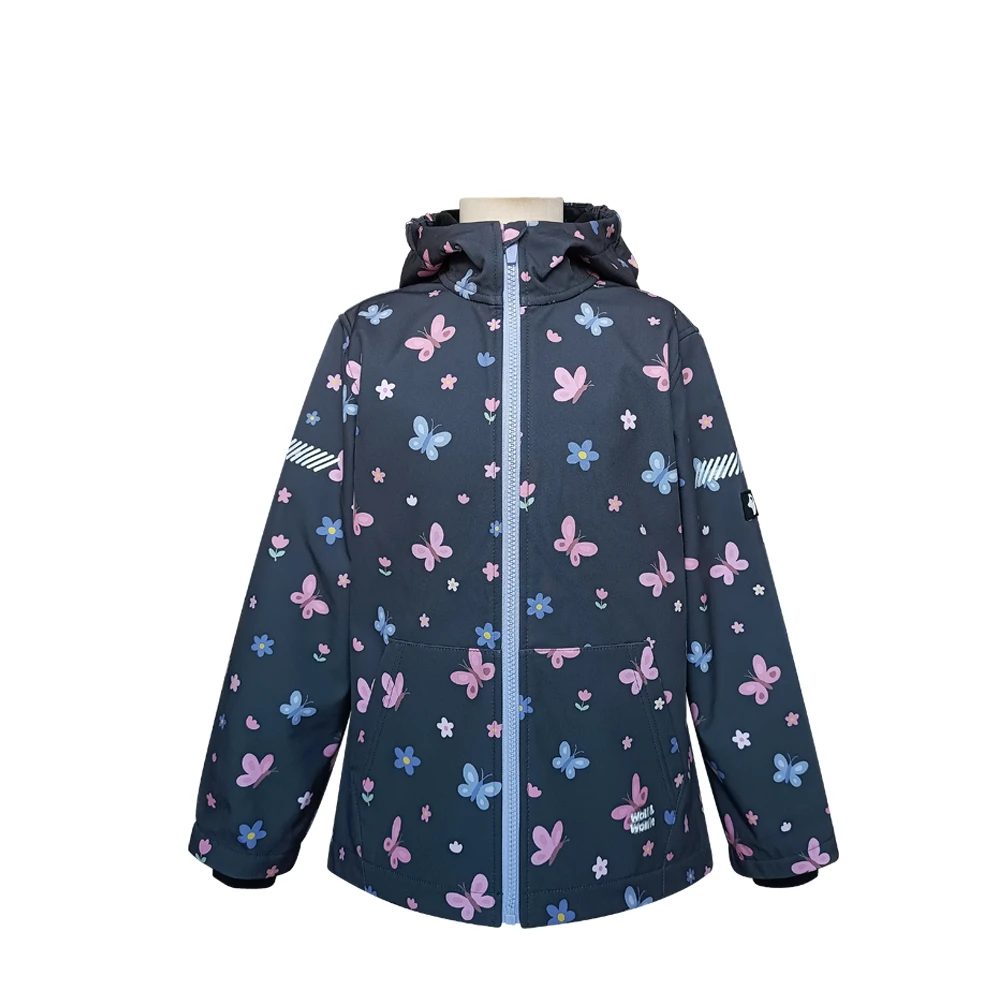
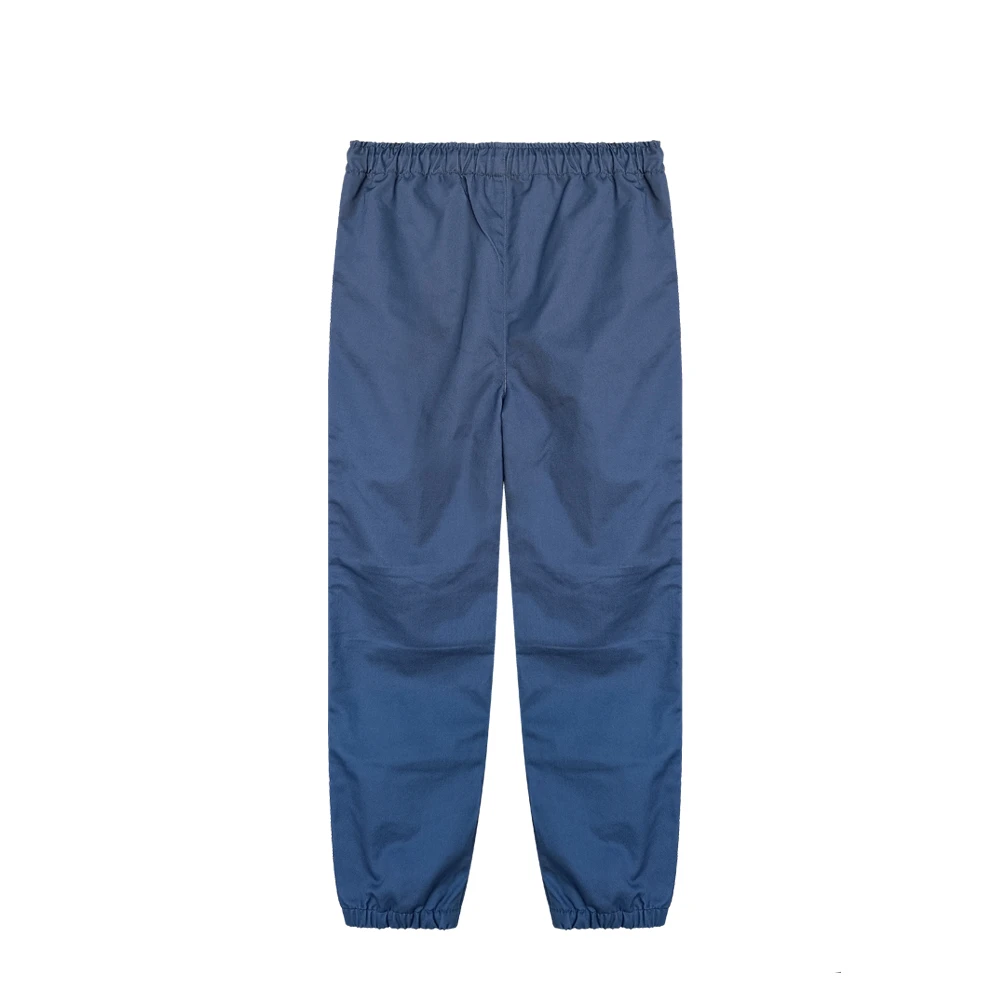
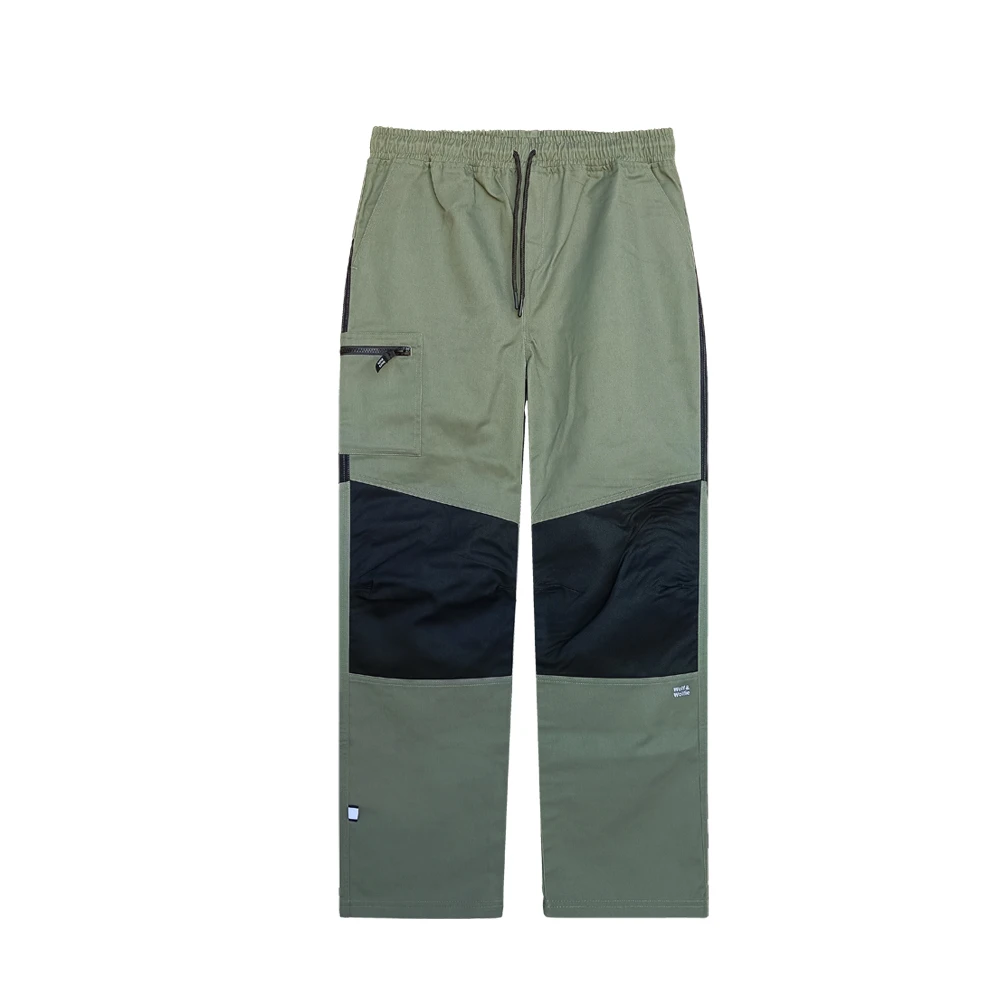
Modern workwear often incorporates innovative materials like softshell fabrics. Softshell clothing offers a unique combination of comfort, durability, and weather resistance. These materials are typically breathable, water-resistant, and allow for a full range of motion, making them ideal for a variety of work environments. Softshell Clothing offers a wide selection of workwear featuring these advanced materials, providing a comfortable and protective solution for professionals in various industries.
Budget Considerations and Long-Term Value
While cost is a factor, prioritize quality and durability when choosing wear to work. Investing in higher-quality items that last longer can save you money in the long run by reducing the need for frequent replacements. Consider the total cost of ownership, including maintenance and repair expenses. Proper care and maintenance can significantly extend the lifespan of your workwear, maximizing your investment.
Conclusion: Investing in the Right Workwear
Choosing the right wear to work is a critical decision that impacts your comfort, safety, and productivity. By understanding your workplace requirements, prioritizing comfort and durability, and exploring modern materials like softshell fabrics, you can build a wardrobe that supports you throughout your workday. Don't compromise on quality – invest in workwear that will protect and empower you.
Frequently Asked Questions (FAQs)
How often should I replace my workwear?
The frequency of replacement depends on usage and the nature of your work. However, inspect your workwear regularly for signs of wear and tear, such as rips, tears, or fading. Clothing that’s been exposed to hazardous materials should be replaced immediately. Generally, workwear should be replaced every 6-12 months, or sooner if it shows significant damage. It’s also important to consider the lifespan of protective features, such as high-visibility strips or flame-retardant coatings, which may degrade over time.
What fabrics are best for hot work environments?
For hot work environments, prioritize breathable and moisture-wicking fabrics. Cotton blends, lightweight polyester, and specialized performance fabrics are excellent choices. These materials allow air to circulate and help keep you cool and dry. Avoid heavy or non-breathable fabrics like denim or vinyl, which can trap heat and lead to discomfort. Consider clothing with ventilation features, such as mesh panels, to further enhance airflow.
Are there workwear options that offer UV protection?
Yes, many workwear options now offer built-in UV protection. This is particularly important for outdoor workers who are exposed to prolonged sunlight. Look for clothing with a UPF (Ultraviolet Protection Factor) rating. A UPF of 50+ blocks 98% of UV rays. Softshell Clothing provides a range of workwear designed with UV protection, helping to keep you safe from the harmful effects of the sun.
How do I properly care for my workwear to extend its lifespan?
Proper care is essential for extending the lifespan of your workwear. Always follow the manufacturer's instructions on the care label. Wash workwear separately from other clothes, using a mild detergent. Avoid using bleach or harsh chemicals. Air dry whenever possible, as high heat can damage fabrics. Store workwear in a cool, dry place away from direct sunlight. Regularly inspect for repairs and address any issues promptly.