Choosing the Right Workwear Clothing for Your Industry
Selecting the appropriate workwear clothing is crucial for safety, comfort, and professionalism in any work environment. Different industries demand different levels of protection, durability, and functionality. This article will guide you through the key considerations when choosing workwear, highlighting the benefits of quality materials and design. We'll explore various types of workwear, focusing on how to choose the best options for your specific needs, ensuring both employee satisfaction and compliance with safety regulations. Investing in high-quality workwear boosts morale and productivity.
Understanding the Importance of Workwear Clothing
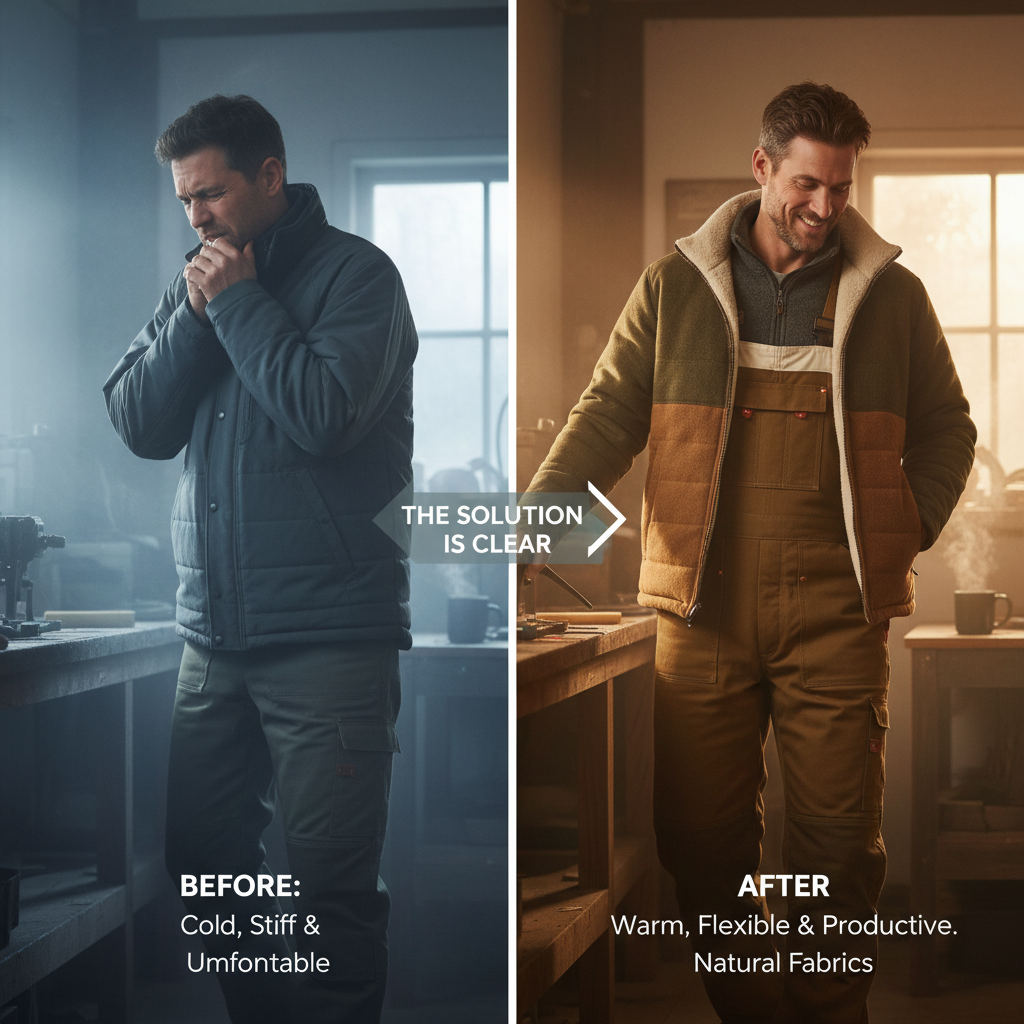
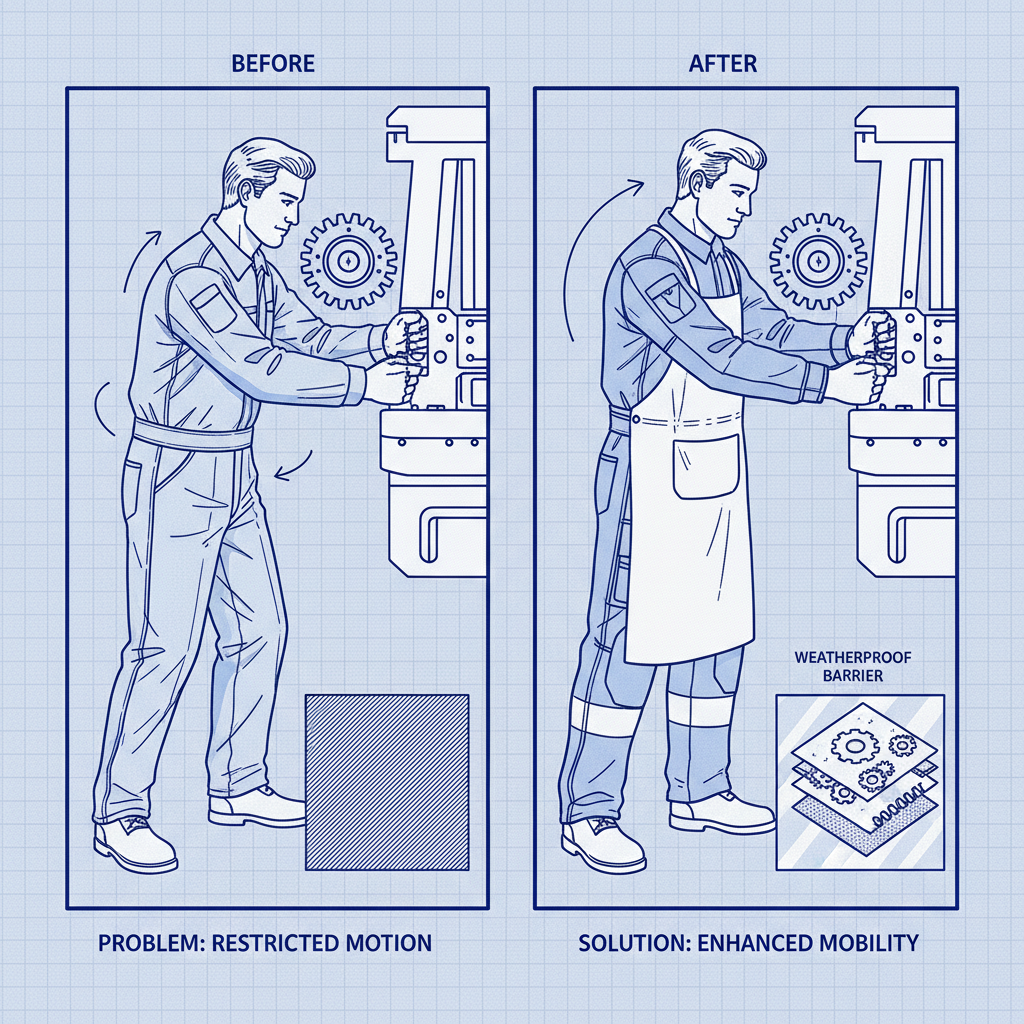
Workwear isn’t simply about attire; it’s a vital component of workplace safety. The right clothing protects employees from hazards such as cuts, abrasions, chemical splashes, and extreme temperatures. Beyond safety, workwear contributes to a professional image, enhancing brand credibility and employee pride. High-quality workwear clothing improves comfort, allowing workers to focus on their tasks without distraction. This leads to increased productivity and reduced errors. Investing in durable workwear also reduces replacement costs in the long run.
Key Benefits: Protection from hazards, improved comfort, enhanced professionalism, increased productivity, reduced replacement costs.
Choosing Workwear Based on Industry Needs
Different industries have distinct workwear requirements. For example, construction workers need durable clothing with reinforced knees and elbows, while healthcare professionals require hygienic and comfortable scrubs. Manufacturing environments often necessitate flame-resistant clothing and steel-toe boots. Outdoor workers need waterproof and breathable garments to cope with varying weather conditions. Understanding the specific hazards and demands of each industry is paramount when selecting workwear. Prioritizing industry-specific needs ensures adequate protection and compliance with regulations.
Industry-Specific Considerations:
• Construction: Durability, reinforcement, high visibility.
• Healthcare: Hygiene, comfort, fluid resistance.
• Manufacturing: Flame resistance, abrasion resistance, steel-toe boots.
• Outdoor Work: Waterproofing, breathability, insulation.
Key Types of Workwear Clothing
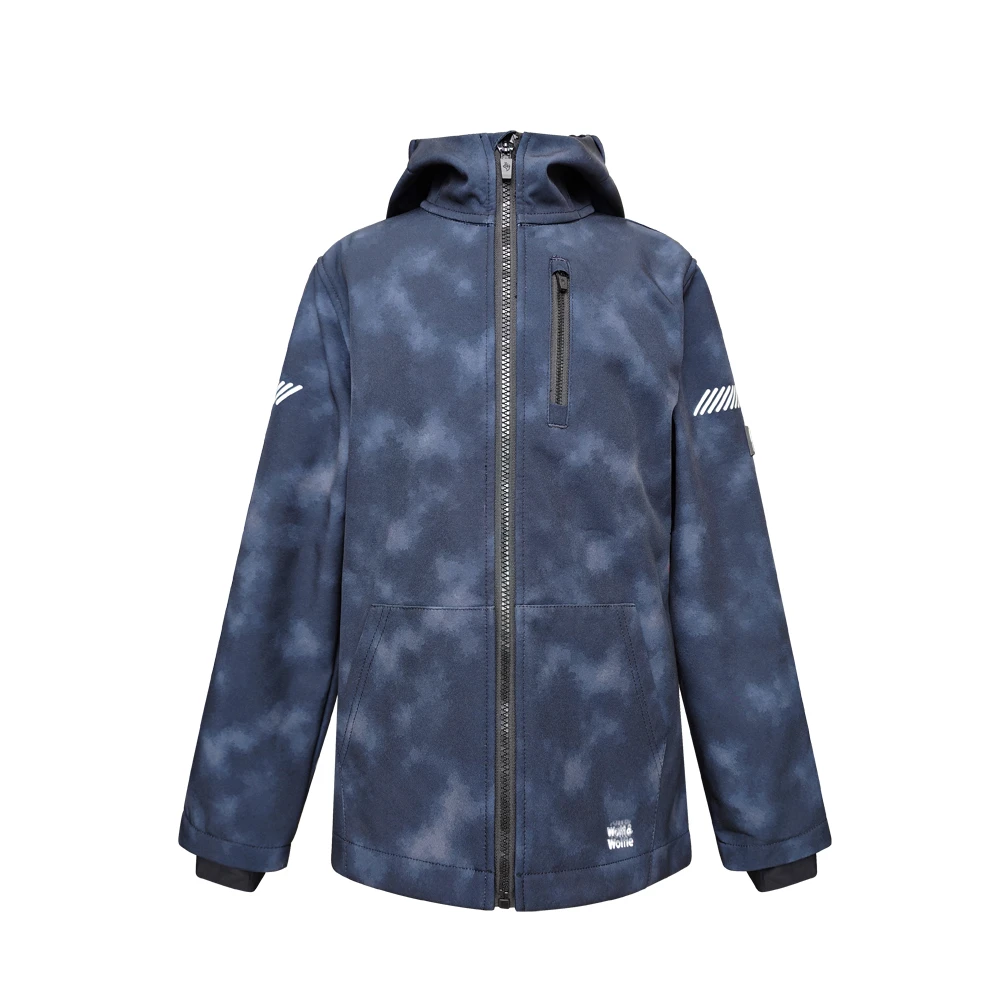
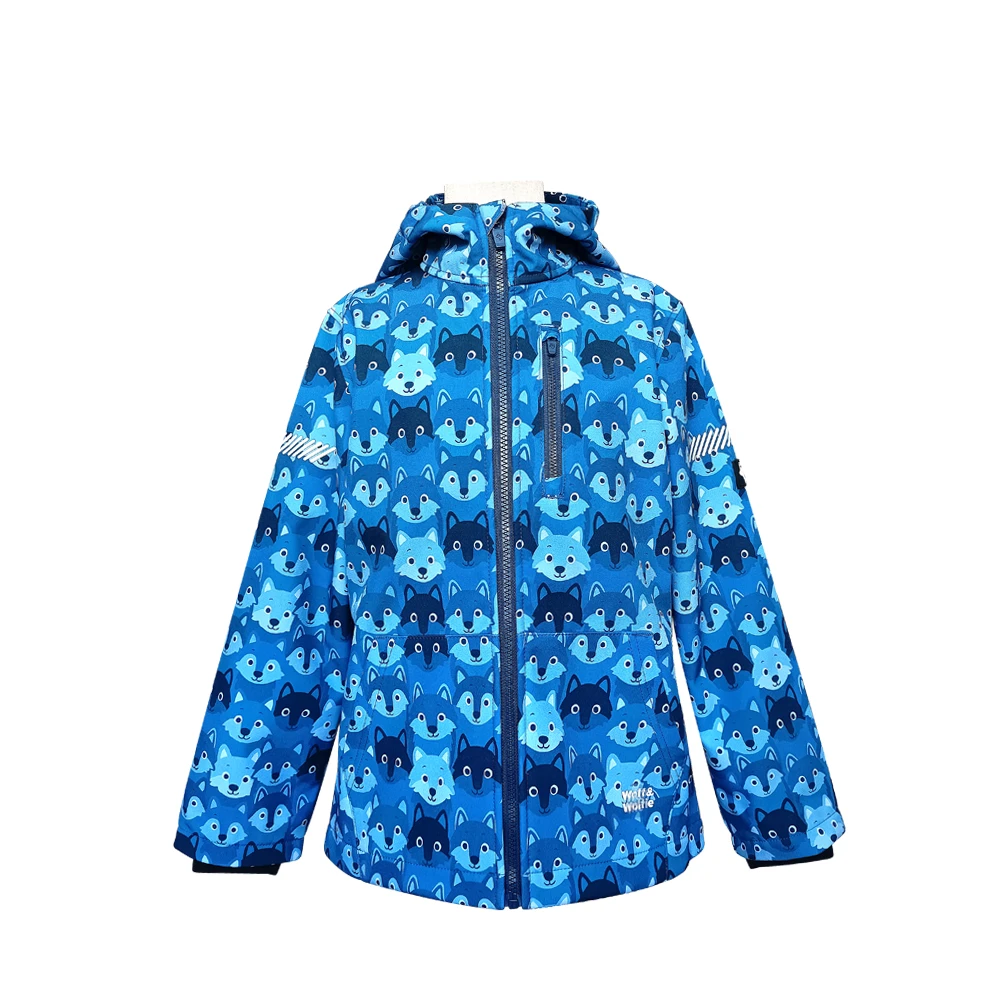
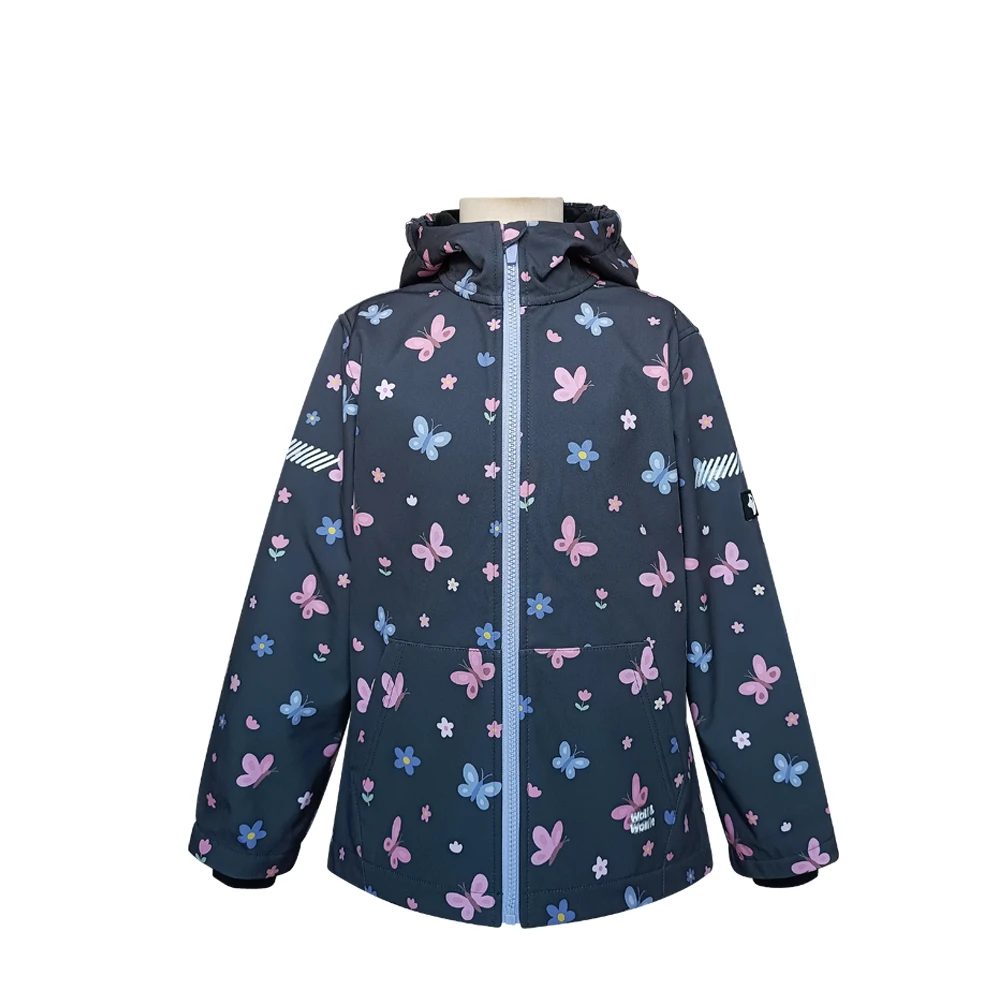
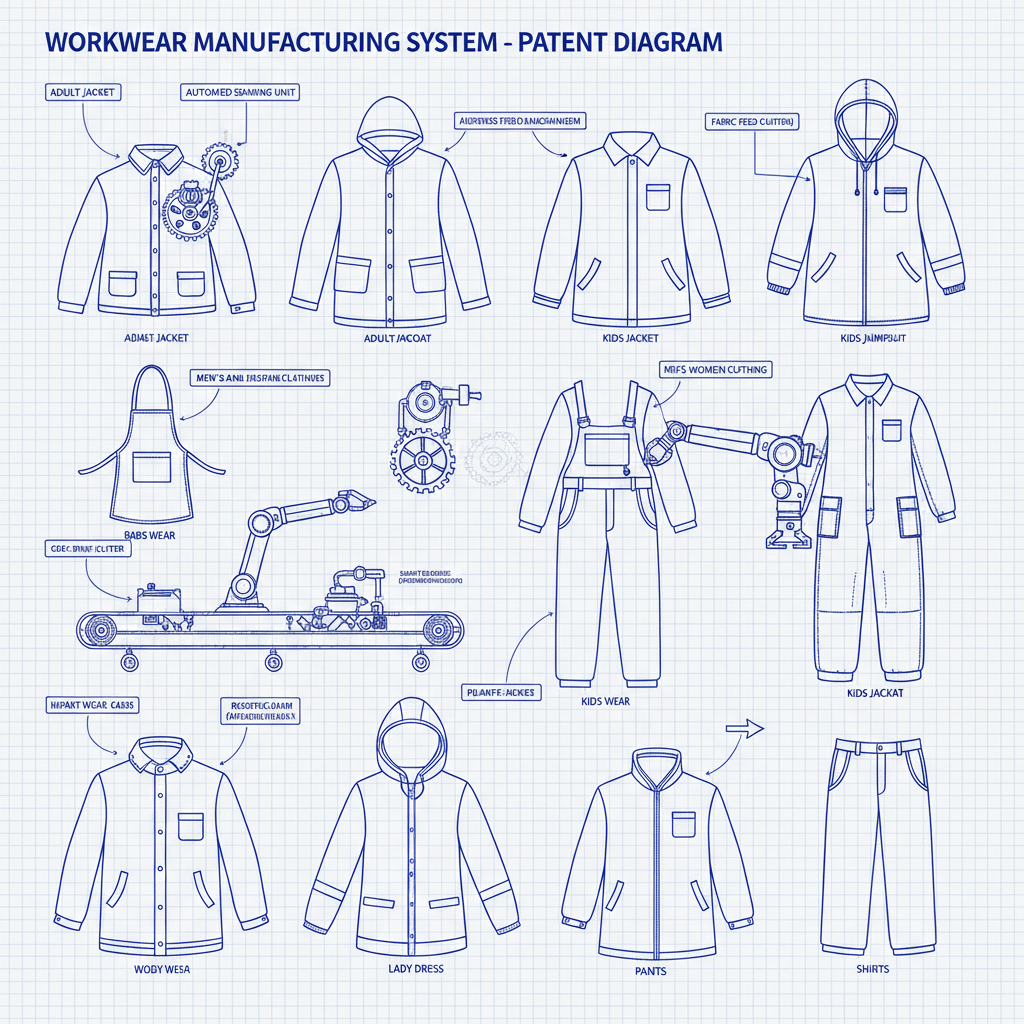
The range of workwear clothing is extensive. Common types include overalls, work shirts, work pants, jackets, vests, and specialized garments like coveralls and lab coats. Softshell jackets, like those offered at Softshell Clothing, provide excellent weather protection and flexibility. High-visibility clothing is essential for workers in low-light conditions. Flame-resistant clothing is critical in industries with fire hazards. Choosing the right combination of garments depends on the specific tasks and environment.
Materials Matter: Choosing Quality Fabrics
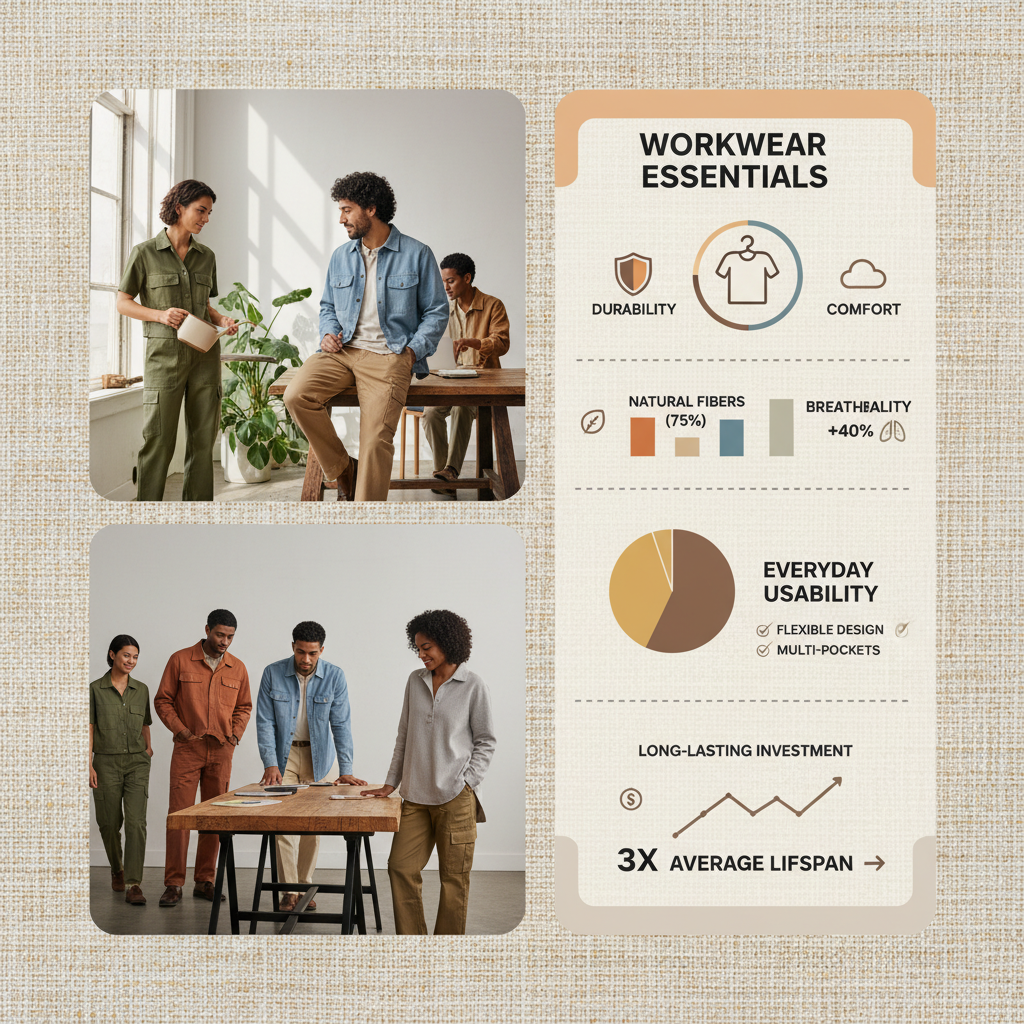
The fabric composition significantly impacts the performance and longevity of workwear. Cotton is breathable and comfortable, but less durable and water-resistant. Polyester is more durable, wrinkle-resistant, and quick-drying. Blends combining cotton and polyester offer a balance of comfort and durability. Specialty fabrics, like Nomex (flame-resistant) and Tyvek (chemical-resistant), provide specific protection. When investing in workwear clothing, prioritize fabrics that meet the demands of the work environment.
Workwear Clothing Standards and Compliance
Ensuring workwear meets relevant safety standards is crucial. Organizations like ANSI (American National Standards Institute) and EN (European Standards) set guidelines for performance and protection. For example, ANSI/ISEA 107 specifies standards for high-visibility clothing. Compliance with these standards demonstrates a commitment to worker safety and can prevent legal issues. Always verify that the workwear you choose meets the applicable regulations for your industry and region.
Conclusion: Investing in the Right Workwear
Choosing the right workwear clothing is an investment in worker safety, comfort, and productivity. By carefully considering industry needs, fabric quality, and safety standards, you can ensure your employees are properly protected and equipped for success. Don’t compromise on quality – prioritize workwear that delivers lasting value and peace of mind.
Frequently Asked Questions (FAQs)
How often should workwear be replaced?
Workwear should be replaced when it shows signs of wear and tear, such as rips, tears, or faded reflective materials. The frequency of replacement depends on the intensity of use and the type of work being performed. It’s generally recommended to replace workwear annually or more frequently if it’s exposed to harsh conditions. Regularly inspect workwear for damage and replace it proactively to ensure continued protection. Safety standards may also dictate replacement schedules.
What is the best way to care for workwear clothing?
Proper care extends the lifespan of workwear. Follow the manufacturer's instructions for washing and drying. Generally, washing workwear separately from personal clothing is recommended. Avoid using harsh detergents or bleach, as these can damage the fabrics. Air drying is often preferred over machine drying to prevent shrinkage and maintain the integrity of the materials. Store workwear in a clean, dry place.
How do I determine the right size for workwear?
Refer to the manufacturer's size chart, which is usually available on their website or product packaging. Measure your chest, waist, and inseam accurately. Consider the type of work you'll be doing – you may need roomier clothing for movement or layering. If you're between sizes, it's generally best to size up to ensure a comfortable fit.
Are softshell jackets suitable for all weather conditions?
Softshell jackets, like those available at Softshell Clothing, offer excellent weather protection, but their suitability depends on the specific conditions. They're ideal for mild to cool weather, providing wind and water resistance. For heavy rain or extreme cold, layering a waterproof outer shell or adding insulation is recommended.