The Growing Importance of Hunting Apparel in Today’s World
Hunting apparel isn’t just about camouflage and tradition anymore. Globally, it’s becoming a vital blend of innovation, protection, and sustainability. As hunting continues as a sport, livelihood, and sometimes even necessity, having the right gear is essential — and not just for comfort, but for real-world survival and environmental responsibility. Understanding hunting apparel means diving into materials engineered to withstand harsh terrains and climates, ethical sourcing, and even governmental regulations that safer, smarter apparel can help navigate.
Global Context: Why Hunting Apparel Matters on a Worldwide Scale
Across continents, hunting is woven into cultural fabric and economies. The Food and Agriculture Organization of the UN notes that millions rely on hunting for food security and income in rural regions, particularly in Africa, North America, and parts of Europe. Yet, hunters also face challenges like unpredictable weather, increasing wildlife regulations, and the need for low-impact, durable gear. Consider that the market for outdoor sporting goods, including hunting apparel, topped $20 billion globally in 2023 (Statista), highlighting not just growth but also rising consumer expectations for quality and ethical production.
Hunting apparel addresses these issues by providing equipment designed to adapt to shifting ecosystems, protect the wearer against natural elements, and minimize environmental footprints.
What Exactly Is Hunting Apparel?
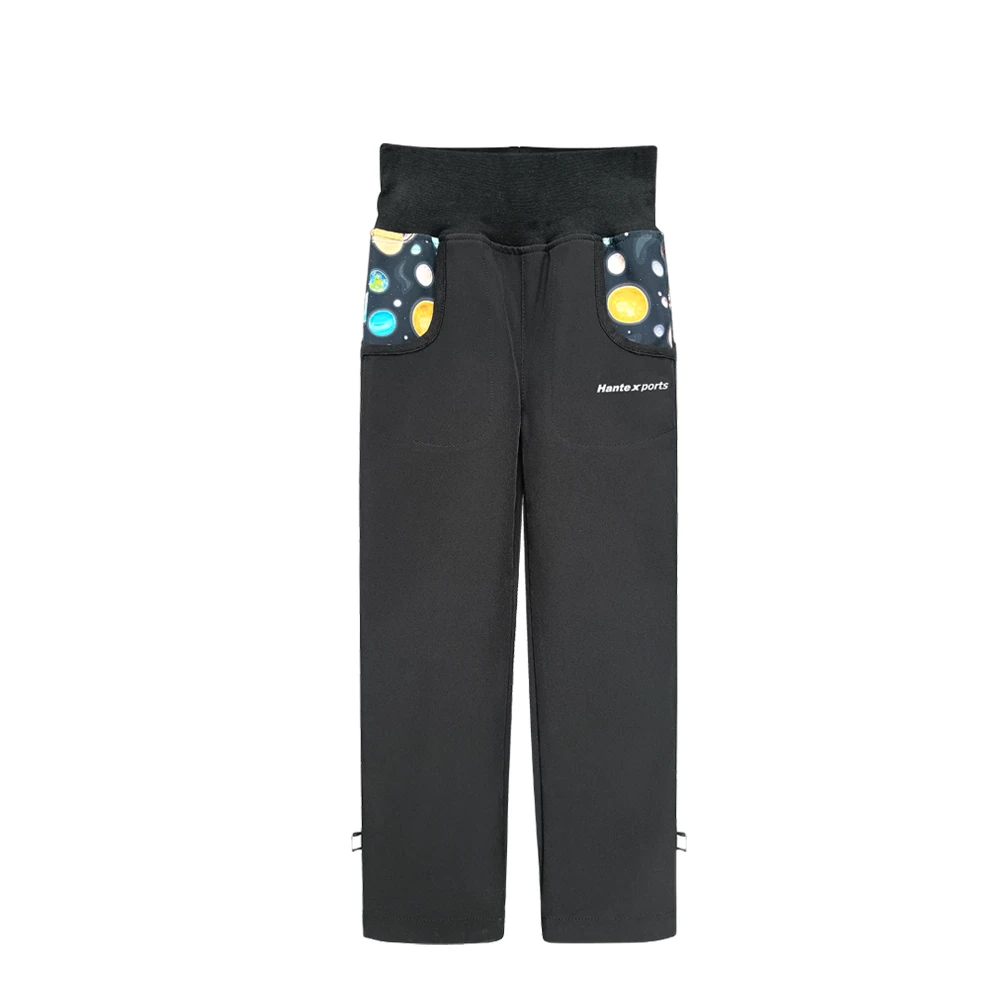
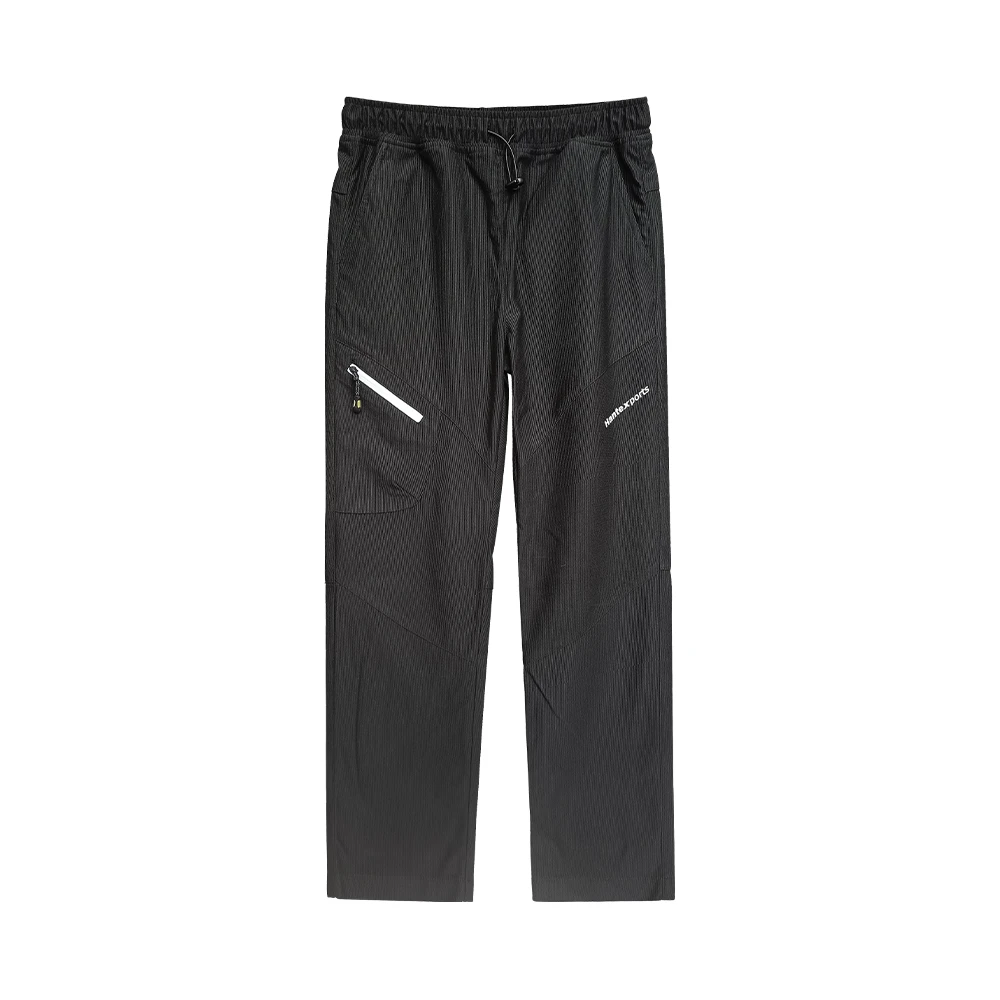
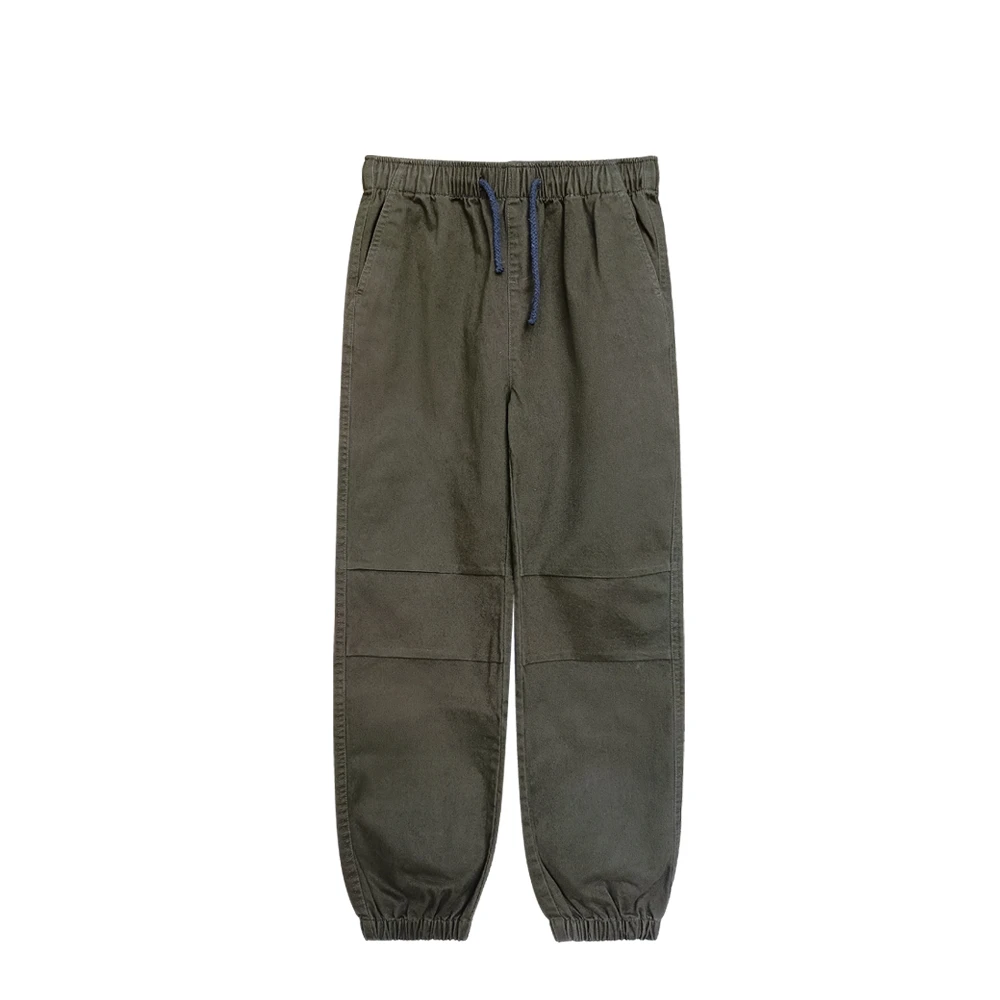
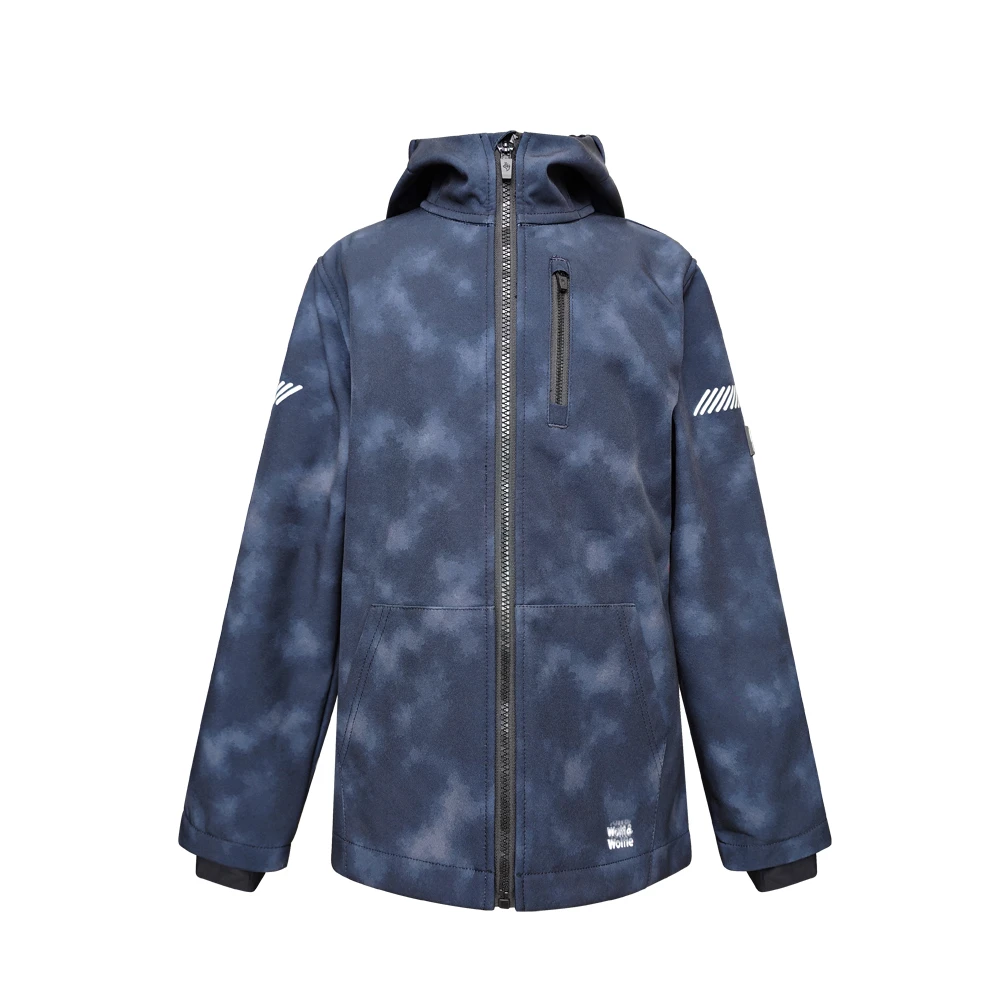
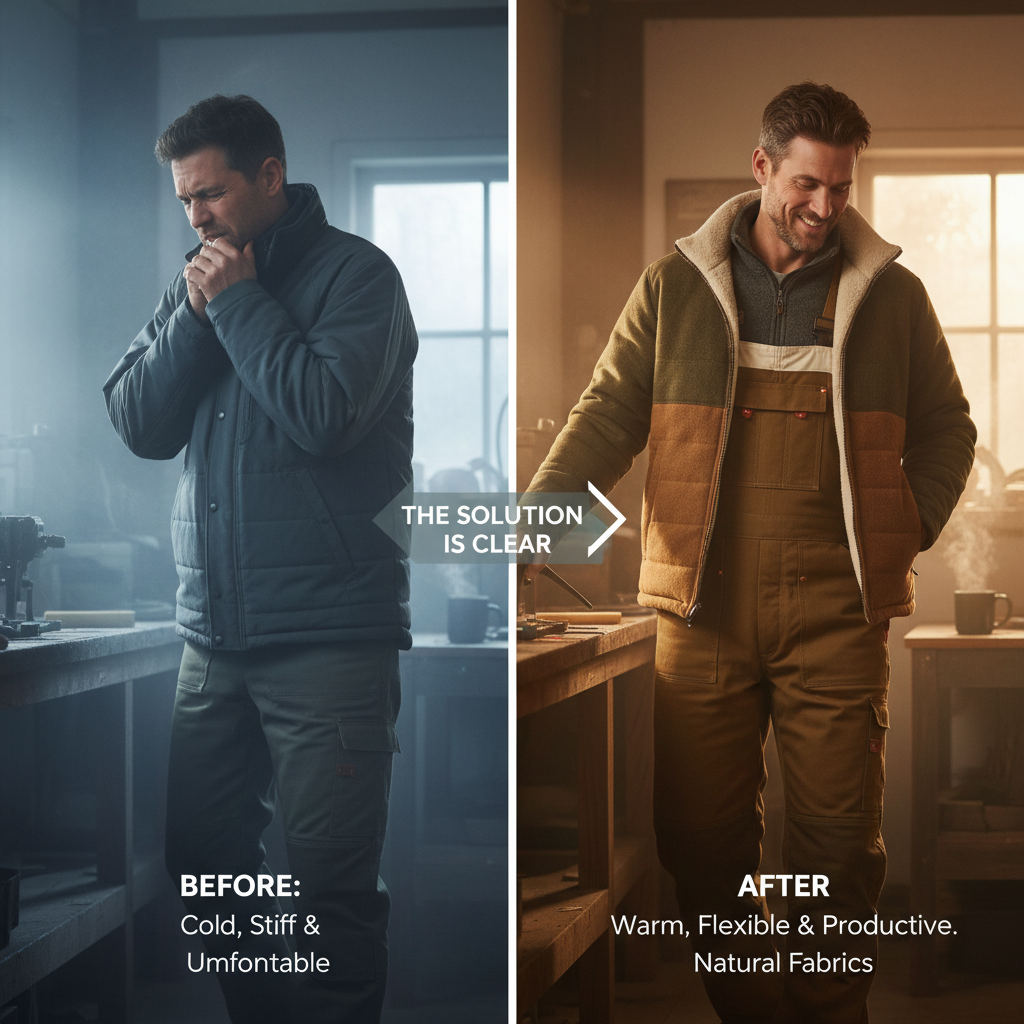
In simple terms, hunting apparel includes all clothing and accessories specifically designed for hunting activities. It’s clothing that combines functionality with concealment — enabling hunters to blend into the environment while staying protected from insects, cold, rain, and abrasive elements. From insulated jackets to breathable layers, waterproof boots to scent-control fabrics, hunting apparel is a specialized sector intersecting outdoor performance wear and safety equipment.
Interestingly, modern hunting apparel has crossed over into supporting other industries too, such as conservation teams, wildlife researchers, and even humanitarian workers operating in remote areas where durable, multi-functional clothing is a must.
Core Components of Effective Hunting Apparel
1. Durability
Rough terrain, dense brush, and long hours require clothing that lasts without ripping or wearing down prematurely. Materials like ripstop nylon and heavy-duty polyesters are common for that very reason. Durability ensures your gear can take a beating season after season.
2. Camouflage and Concealment
Natural patterns and colors that shift with seasons help hunters avoid detection. Many manufacturers now use smart dye processes or even infrared-reflective materials that go beyond the naked eye — a neat tech twist.
3. Weather Resistance
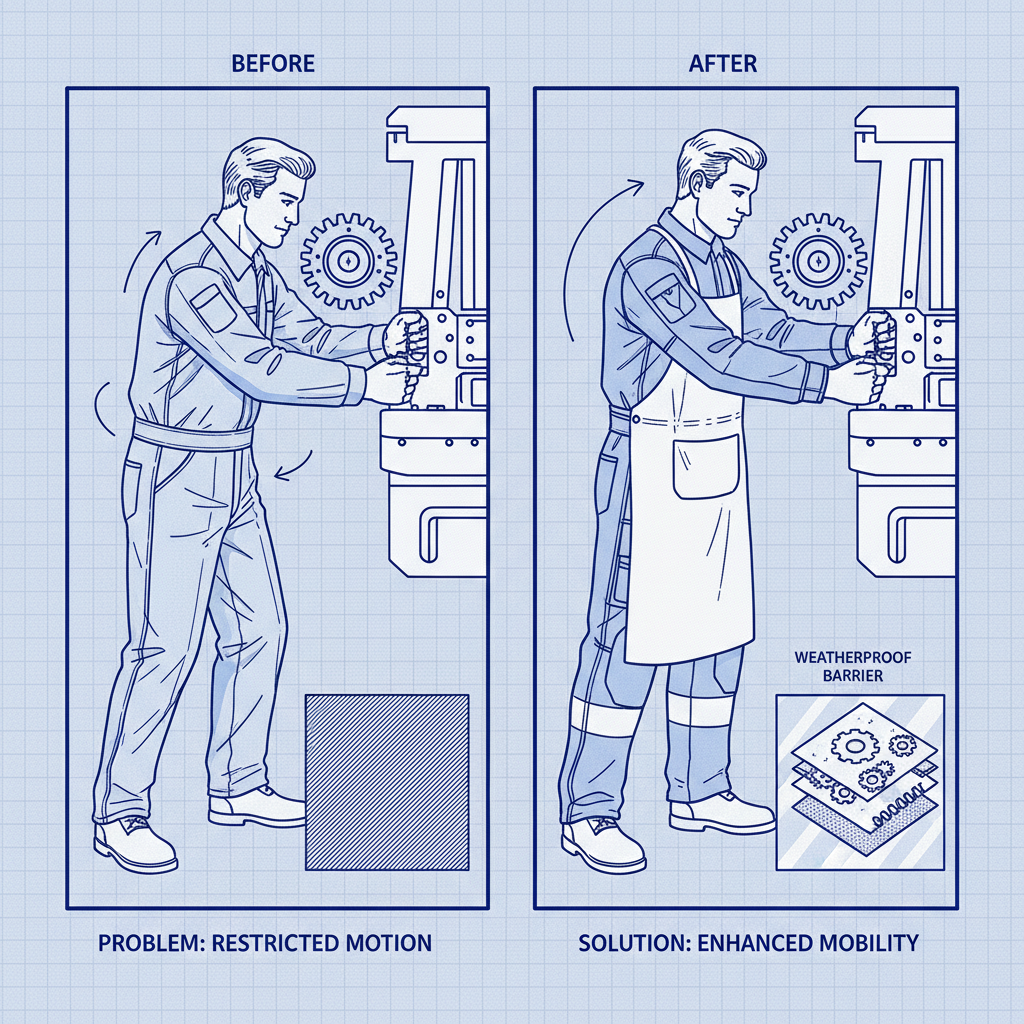
Waterproof, windproof, and breathable fabrics protect hunters from rain, chills, or overheating. Technologies like Gore-Tex or proprietary membranes ensure comfort without sacrificing mobility.
4. Thermal Regulation
Whether in freezing mountain air or unexpectedly warm midday sun, layered hunting apparel controls body temperature. Some have moisture-wicking properties too, preventing sweat buildup that can chill the body.
5. Safety Features
Beyond camouflage, visible blaze orange or reflective patches are often required by law to prevent accidents. Some clothing also integrates padding or cut-resistant materials for extra protection.
Real-World Hunting Apparel Applications Around the Globe
It’s fascinating how hunting apparel transcends pure sport. In North America, backcountry hunters rely on ultra-light layers that pack small but perform big. Scandinavian hunters in boreal forests favor insulated and camo systems designed for months-long outdoor stays. Meanwhile, communities in Sub-Saharan Africa integrate hunting apparel that focuses on breathability and insect protection.
Wildlife conservationists operating in areas affected by poaching also use highly specialized hunting apparel to remain discreet. In post-disaster relief zones with rugged terrain, similar clothing principles ensure field workers balance protection against environment with survival needs. In all these contexts, the right hunting apparel turns out to be a trusted tool, not just a fashion statement.
Advantages and Long-Term Value of Quality Hunting Apparel
- Economic Savings: Durable apparel reduces replacement frequency, saving money over time.
- Environmental Impact: Materials sourced with sustainability in mind help preserve habitats.
- Safety: Camouflage balanced with legal safety colors reduces accidents.
- Comfort: Advanced fabrics improve endurance and enjoyment in the field.
- Trust and Confidence: Knowing your gear won’t fail under pressure brings peace of mind.
Frankly, the right hunting apparel feels like second skin — and that trust is priceless.
Innovations Shaping the Future of Hunting Apparel
Expect to see more use of sustainable materials like recycled polyester and organic cotton. Integration of smart textiles with embedded sensors might track body temperature or heart rate in real-time, helping hunters adjust layers instantly. Digital printing techniques enable quicker pattern customization depending on locale or season. Additionally, regulatory trends push manufacturers to be more transparent about sourcing and labor conditions.
Oddly enough, digital transformation isn’t just about e-commerce; it influences product development and supply chains — making hunting apparel more adaptive and accessible worldwide.
Challenges and How the Industry Is Overcoming Them
Challenges include balancing maximum concealment with required safety visibility, keeping production costs reasonable while using eco-friendly fabrics, and educating users on proper layering or gear maintenance. To address these, some brands develop modular systems with removable safety panels, invest in new bio-based materials that don’t compromise durability, and publish extensive care guides online.
Many engineers say collaboration with actual hunters — testing gear in real settings — has been the secret sauce. Without their input, even the most sophisticated technologies risk falling flat.
Hunting Apparel FAQ
- What should I consider when choosing hunting apparel for different seasons?
- Look for layering options — base layers for moisture control, mid-layers for insulation, and shell layers for weather protection. Season-specific camouflage patterns improve concealment.
- How can hunting apparel help with safety during hunting trips?
- Many garments include blaze orange panels or reflective elements to increase visibility to other hunters, reducing accidents. Some also have padding or cut-resistant fabric in vulnerable spots.
- Are there eco-friendly hunting apparel options?
- Yes, brands increasingly use recycled, organic, or biodegradable materials, and adopt sustainable manufacturing practices certified by organizations like ISO or Bluesign.
- Can hunting apparel be multifunctional?
- Absolutely. Many pieces are designed for cross-use in hiking, fishing, or wildlife photography, offering versatility beyond hunting.
- Where can I find high-quality hunting apparel online?
- Brands and retailers like hunting apparel specialists offer extensive selection from budget to premium gear, often backed by user reviews and detailed specs.
Product Specification Table: Typical Features of Modern Hunting Apparel
| Feature | Description | Example Material/Tech |
|---|---|---|
| Fabric Durability | Resistance to tears, abrasions, and extended wear | Ripstop Nylon, Cordura |
| Camouflage Patterns | Seasonal and multidimensional environment blending | MultiCam, Realtree EDGE |
| Weather Resistance | Waterproof, breathable membranes for comfort | Gore-Tex, eVent |
| Thermal Insulation | Retains heat without bulk | Primaloft, Thinsulate |
| Safety Visibility | Compliance with hunting safety regulations | Blaze Orange Panels, Reflective Tape |
Vendor Comparison: Leading Hunting Apparel Brands
| Brand | Sustainability | Product Range | Price Range | Innovations |
|---|---|---|---|---|
| GreenHunter | High - Recycled fabrics, Fair-Trade certified | Full apparel, accessories, footwear | $$ - Mid-range | Smart temperature regulation textiles |
| TerrainPro | Medium - Uses organic cotton, local sourcing | Focused on outerwear & camouflage gear | $$$ - Premium | Infrared-reflective cloaking fabrics |
| WildRange | Low - Conventional materials, mass production | Economy hunting apparel sets | $ - Budget conscious | Basic waterproof membranes |
Wrapping Up: Why Hunting Apparel Is Worth Your Attention
In conclusion, whether you’re an avid hunter, a field researcher, or just someone who spends a lot of time outdoors, choosing the right hunting apparel is crucial. It pays dividends in protection, comfort, and even ethical considerations. As materials and technology evolve, the line between function and innovation gets blurrier, making this field one of the more exciting ones in outdoor gear.
Feel free to explore your options and experience firsthand what well-designed hunting apparel can offer — it’s not just clothing; it’s a companion on your next adventure. For more insights and quality gear check out our collection.
References:
1. Food and Agriculture Organization (FAO)
2. International Organization for Standardization (ISO)
3. Statista Outdoor Recreation Data