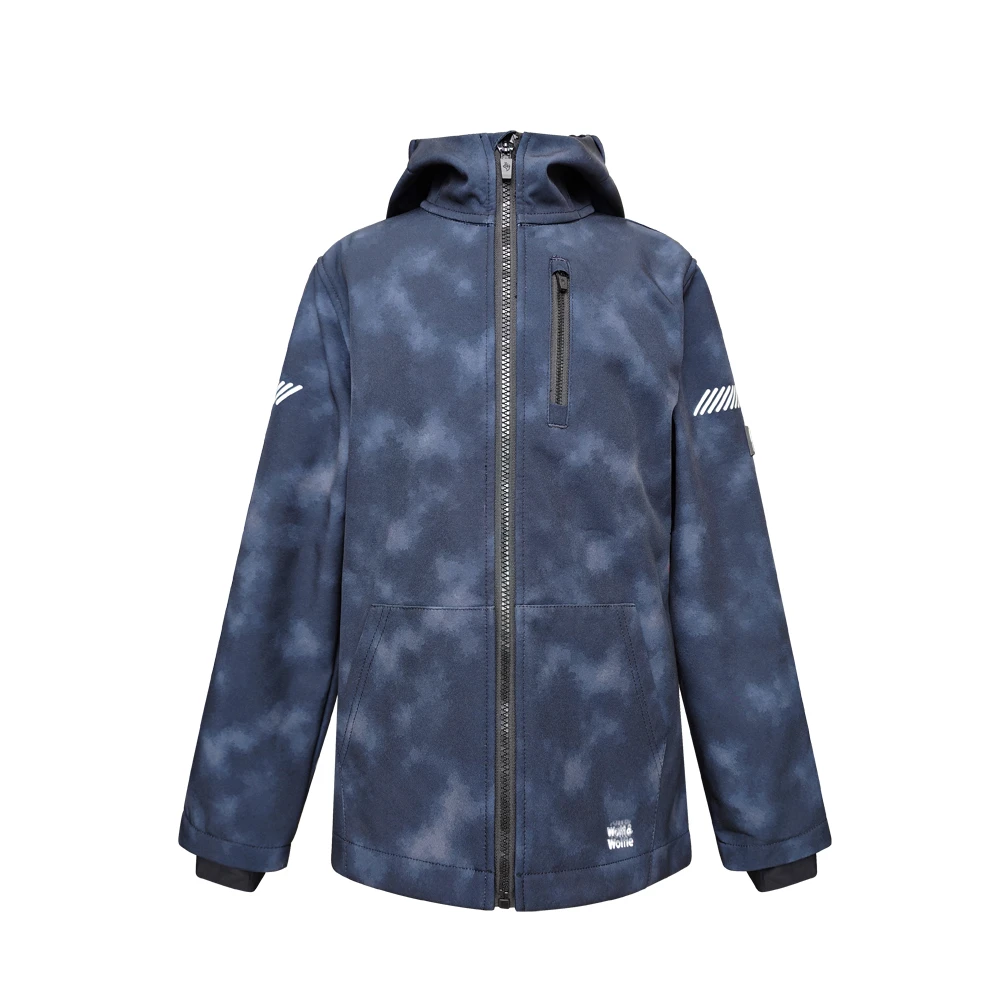
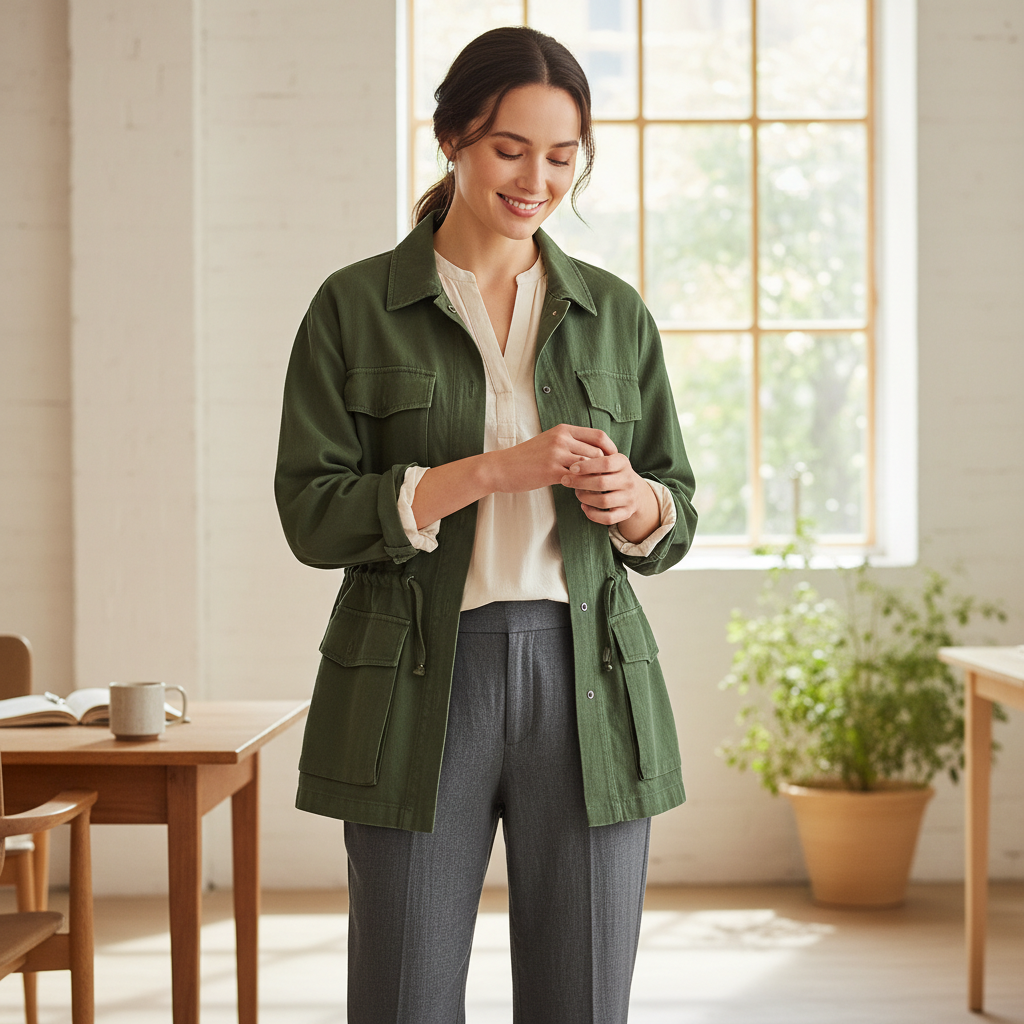
Cotton Work Jacket: A Durable Essential for Modern Industry
At first glance, a cotton work jacket might seem like just another piece of apparel. But when you dig a little deeper, it's clear this garment holds an indispensable role across various sectors worldwide. Whether you think of construction workers braving harsh weather or warehouse personnel requiring breathable yet sturdy clothing, the cotton work jacket offers a blend of comfort, protection, and practicality that matters deeply — especially on a global scale.
Why does this matter? According to the International Labour Organization, over 2.9 million people die annually due to workplace hazards — many linked to inadequate personal protective equipment (PPE). A well-designed cotton work jacket fits into this enormous picture, helping workers stay safe and comfortable. Moreover, as demand for sustainable materials grows, cotton’s natural breathability and biodegradability make it a contender for greener industrial apparel.
Defining the Cotton Work Jacket
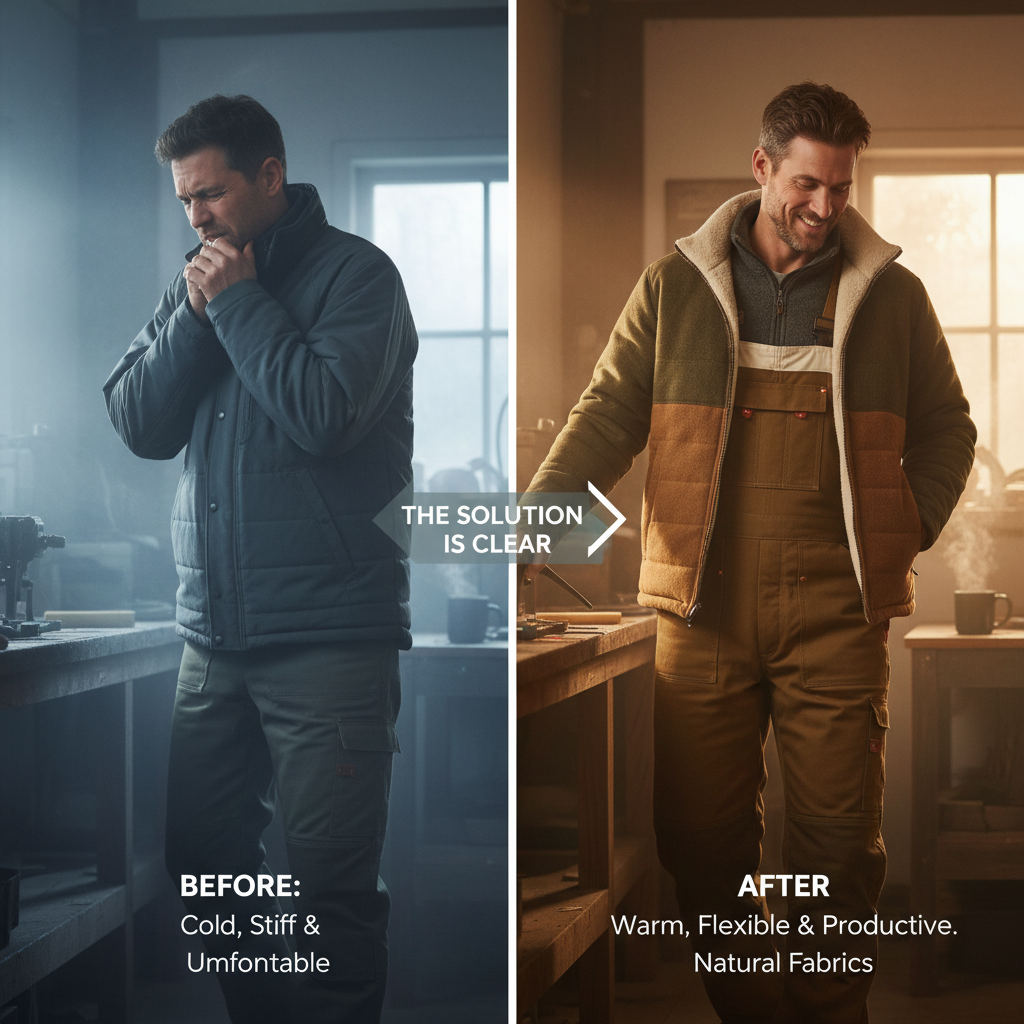
Simply put, a cotton work jacket is a rugged outer garment made primarily from cotton fibers, designed for use in demanding industrial or outdoor environments. Unlike synthetic alternatives, these jackets offer natural breathability and moisture absorption, making them suitable for heavy manual labor in fluctuating climates.
Their relevance extends beyond traditional factory floors — from humanitarian relief efforts where durability meets affordability, to agricultural workers in remote regions. Cotton work jackets make for a practical solution addressing both safety and comfort concerns.
Key Factors of Cotton Work Jackets
Durability
One of the biggest draws of cotton-based workwear is its surprising resilience. Thanks to tightly woven fabrics and special finishing techniques (like canvas or duck weave), cotton jackets endure repeated abrasion and resist tearing for surprisingly long periods, especially important when you consider the rugged environments workers face.
Breathability
Unlike many synthetic fibers, cotton naturally wicks away moisture and allows air circulation, reducing overheating and sweat accumulation. This means workers can spend longer periods in the jacket without discomfort, crucial for productivity and safety.
Cost Efficiency
Cotton is generally less expensive than high-tech synthetic materials, allowing companies and organizations — from industrial conglomerates to NGOs — to outfit large workforces without breaking the bank. The balance of upfront cost and durability translates into exceptional value over time.
Sustainability
Interestingly, cotton is biodegradable and renewable, assuming sustainable farming practices. As industries strive to lower their environmental footprints, cotton work jackets become more attractive compared to polyester-heavy alternatives contributing to microplastic pollution.
Customization and Safety Features
Many cotton work jackets now incorporate reflective strips, reinforced knee and elbow pads, or fire-resistant treatments. This adaptability lets companies meet specific workplace safety regulations with relative ease.
Product Specifications Snapshot
| Specification | Description |
|---|---|
| Material | 100% Heavyweight Cotton Canvas (12 oz) |
| Weight | 1.2 kg (approx.) |
| Finish | Water-resistant treatment, flame retardant option |
| Safety Features | Reflective tape, reinforced seams, multiple pockets |
| Available Sizes | S to 4XL |
Global Use Cases for Cotton Work Jackets
- Construction and Manufacturing: Workers often require durable sunshine or chill-resistant gear – cotton jackets prove both breathable and rugged enough for this.
- Humanitarian Relief: In post-disaster relief zones, cotton work jackets are favored due to affordability, multi-season usability, and ease of local sourcing or shipping.
- Agriculture: Across Asia, Africa, and the Americas, farmworkers rely on breathable cotton outerwear to prevent overheating while providing basic protection.
- Energy Sector: Oil rigs and mining sites use treated cotton jackets that resist flames or sparks, combining natural fabric comfort with enhanced safety.
Takeaway: From harsh desert fields to chilly industrial docks, cotton work jackets meet diverse environmental demands worldwide.
Vendor Comparison: Cotton Work Jackets
| Brand | Material Quality | Price Range | Safety Features | Sustainability |
|---|---|---|---|---|
| HardWear Pro | Premium 12 oz Cotton Canvas | $$$ | Reflective Striping, Flame Retardant | Sourced Organic Cotton |
| EcoGuard | Medium-weight Cotton Blend | $$ | Water-Resistant Finish | Recycled Materials Included |
| WorkSafe Armada | Heavy Cotton / Polyester Mix | $ | Reinforced Seams | Conventional Cotton |
Advantages and Long-Term Value
There’s something oddly reassuring about a cotton work jacket that has stood the test of time. Beyond just its physical protection, it symbolizes trust and reliability for workers. Frankly, when you think about cost, environmental impact, and comfort all wrapped into one, cotton often outperforms many synthetic competitors — even if it’s not always the flashiest option.
Socially, the jacket carries dignity for workers — protecting skin and signaling professionalism. Industrial leaders value the low lifetime cost due to durability and relative ease of maintenance. With global trends skewing toward sustainability, organizations adopting cotton for PPE tap into ethical sourcing narratives — a definite plus for brand reputation.
Future Trends & Innovations
As sustainable textile tech evolves, cotton work jackets are incorporating things like:
- Bio-based water repellents, replacing harmful fluorochemicals
- Hybrid fibers combining organic cotton with biodegradable synthetics to enhance durability
- Smart textiles with embedded sensors for temperature or contamination alerts (still in early R&D phases)
- Improved recycling protocols ensuring used cotton jackets re-enter production chains
Oh, and the growing emphasis on circular economies could soon make the classic cotton jacket a fully renewable asset rather than a single-use item.
Challenges & Solutions
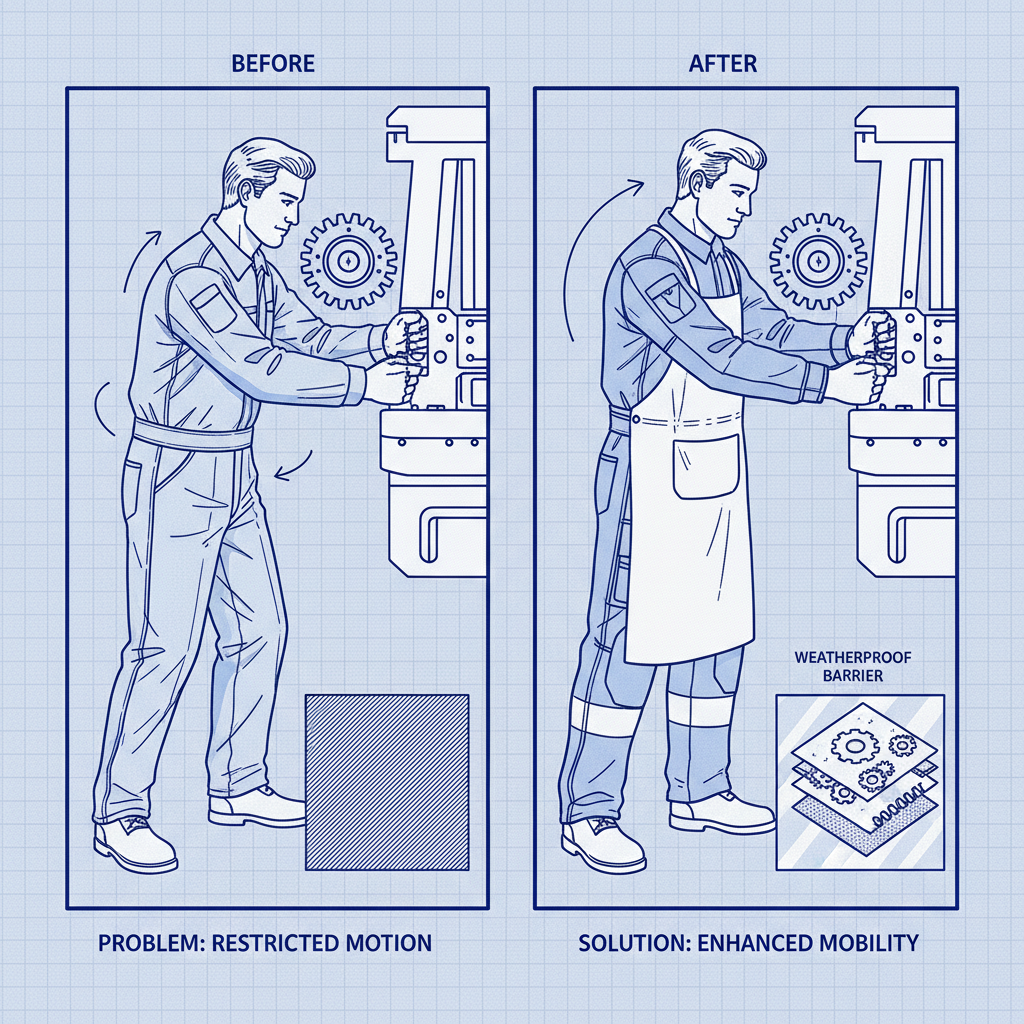
No fabric is perfect, of course. Cotton can absorb moisture and dry slowly, causing discomfort or coldness in wet environments. Additionally, untreated cotton lacks flame resistance, demanding extra processing – which might raise costs or reduce breathability.
Experts recommend combining cotton with modern treatments — like durable water repellent (DWR) finishes, or mixing in flame-retardant fibers. Better garment design addressing ventilation and layering also helps. In real terms, these tweaks preserve cotton’s natural advantages while addressing major drawbacks.
Frequently Asked Questions About Cotton Work Jackets
- What makes cotton work jackets better than synthetic alternatives?
- They offer superior breathability and natural moisture absorption, which keeps workers cooler and more comfortable during long shifts. Cotton is also biodegradable and generally less irritating to skin.
- How durable are cotton work jackets compared to blends?
- High-quality cotton canvas jackets can last several years under heavy use, although blends with synthetic fibers may offer increased tear resistance and quicker drying times.
- Are cotton work jackets suitable for hazardous environments?
- Plain cotton jackets usually require additional treatments (e.g., flame retardant coatings) to meet safety standards. Always check product certifications for your specific workplace hazards.
- How should I care for a cotton work jacket to maximize lifespan?
- Wash in cold water to prevent shrinkage, avoid bleach, and let air dry when possible. Regular inspection for wear and prompt repair extend garment life.
Conclusion: Invest in Comfort, Safety, and Sustainability
In the end, the humble cotton work jacket is much more than protective gear — it’s a thoughtful balance of comfort, durability, and responsible sourcing that industries can count on globally. For companies conscious about worker well-being and environmental impact, this traditional garment remains a savvy choice.
If you’d like to explore reliable, sustainable cotton work jackets suited for your industry, I encourage you to visit our website — a good place to start your search for quality and ethical workwear solutions.
Stay safe and comfortable out there!
References: