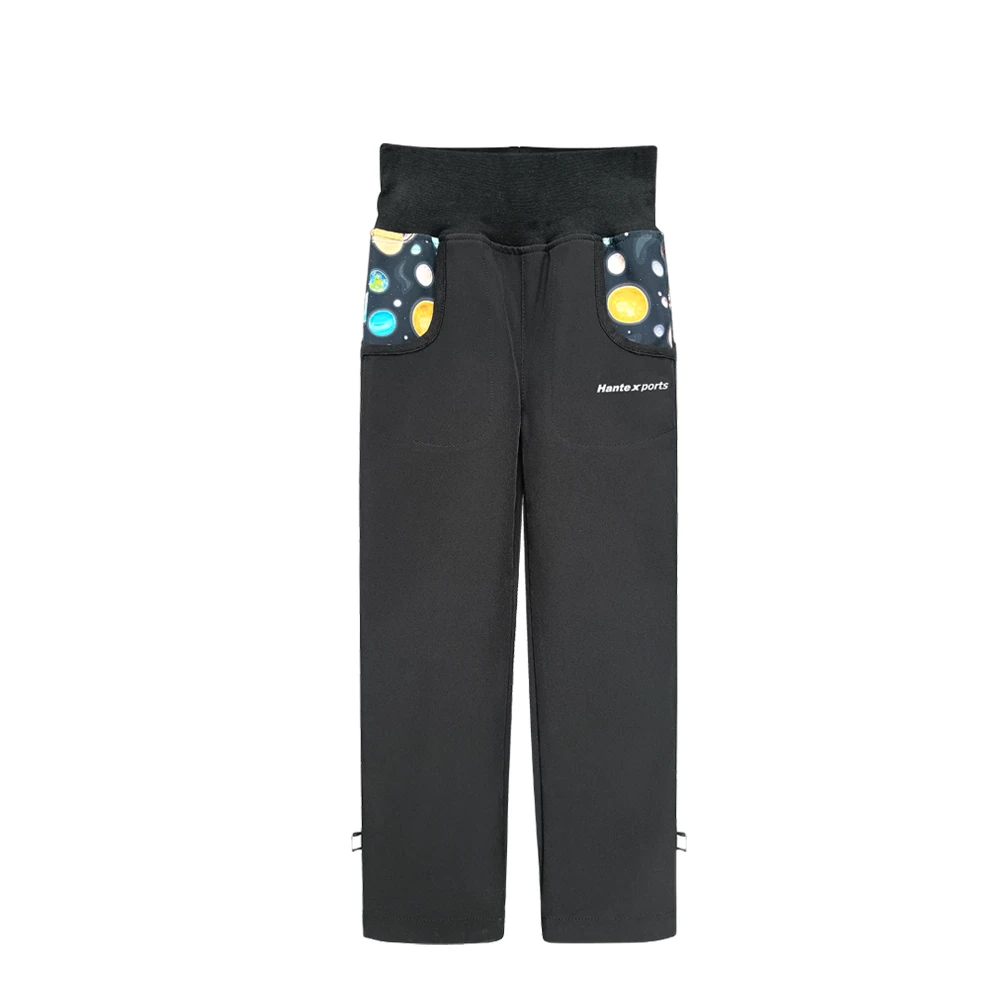
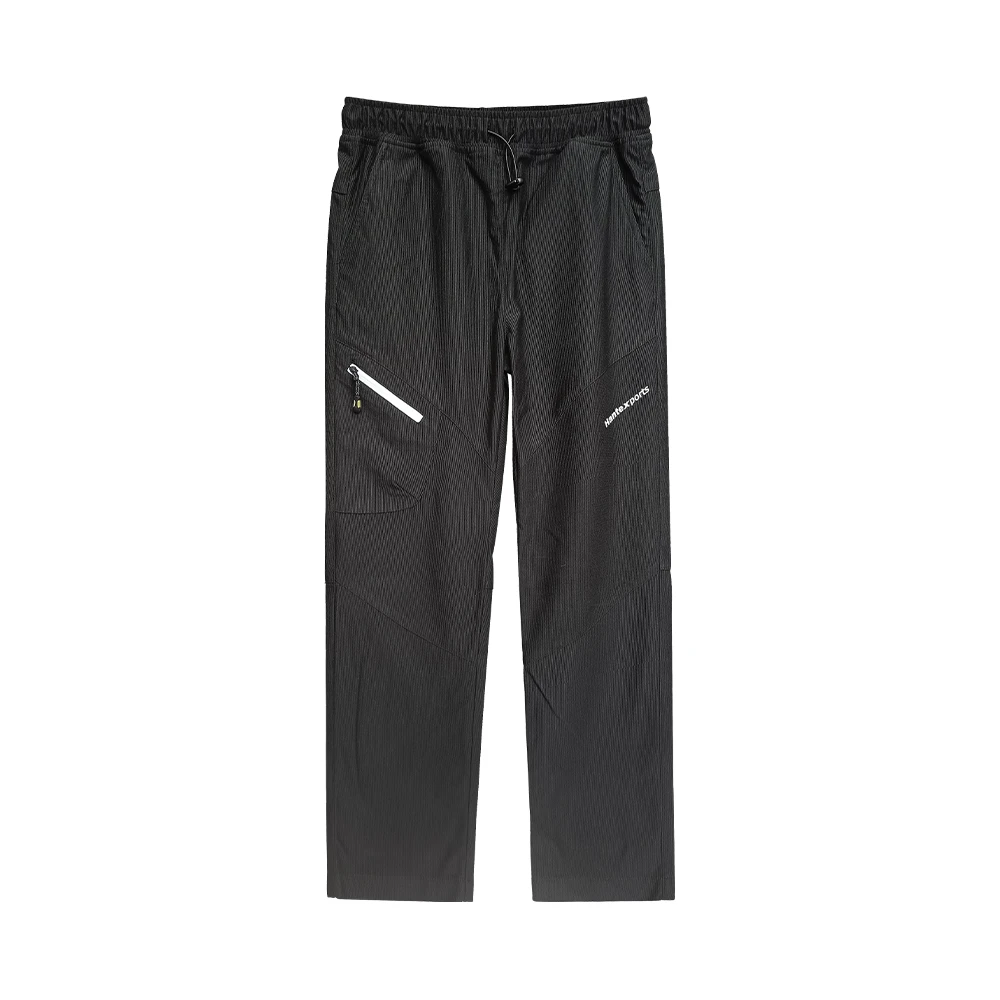
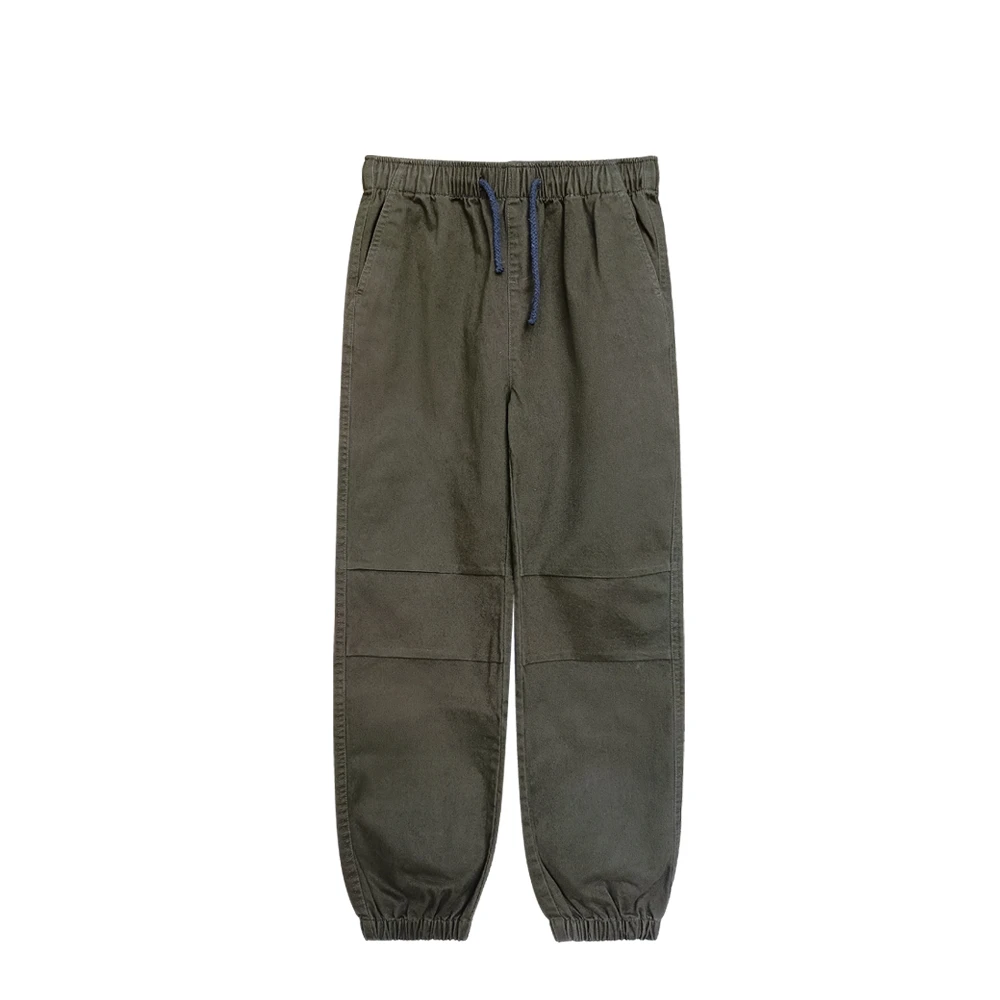
The Practical Side of Kids Yoga Pants: More Than Just Comfort
Okay, so let’s talk kids yoga pants. At first glance, they might seem like just a comfy pair of leggings for your little one to lounge in, but they’re a surprisingly global phenomenon. From active children in bustling cities to those in more remote areas, these simple garments are part of a broader story about comfort, movement, versatility, and even sustainable fashion. I guess it’s easy to overlook, but understanding kids yoga pants unlocks insight into a fast-growing segment that blends design with real-world practicality worldwide.
Why Kids Yoga Pants Matter Globally
Globally, the apparel industry is worth trillions, with ISO and UN data highlighting sustainable textiles as a major growth area. Kids yoga pants embody this trend, offering kids flexible, durable, and affordable wear for activities ranging from yoga to playtime. Indeed, a World Bank report points out that appropriate clothing for children can impact participation in physical activities, which is critical for health and wellbeing. The problem these pants solve? Too often, kids’ casual clothes don’t hold up or restrict movement, causing frustration for parents and kids alike.
Mini takeaway: Kids yoga pants are more than just kids’ apparel; they reflect shifts in lifestyle, health awareness, and sustainable manufacturing worldwide.
What Are Kids Yoga Pants?
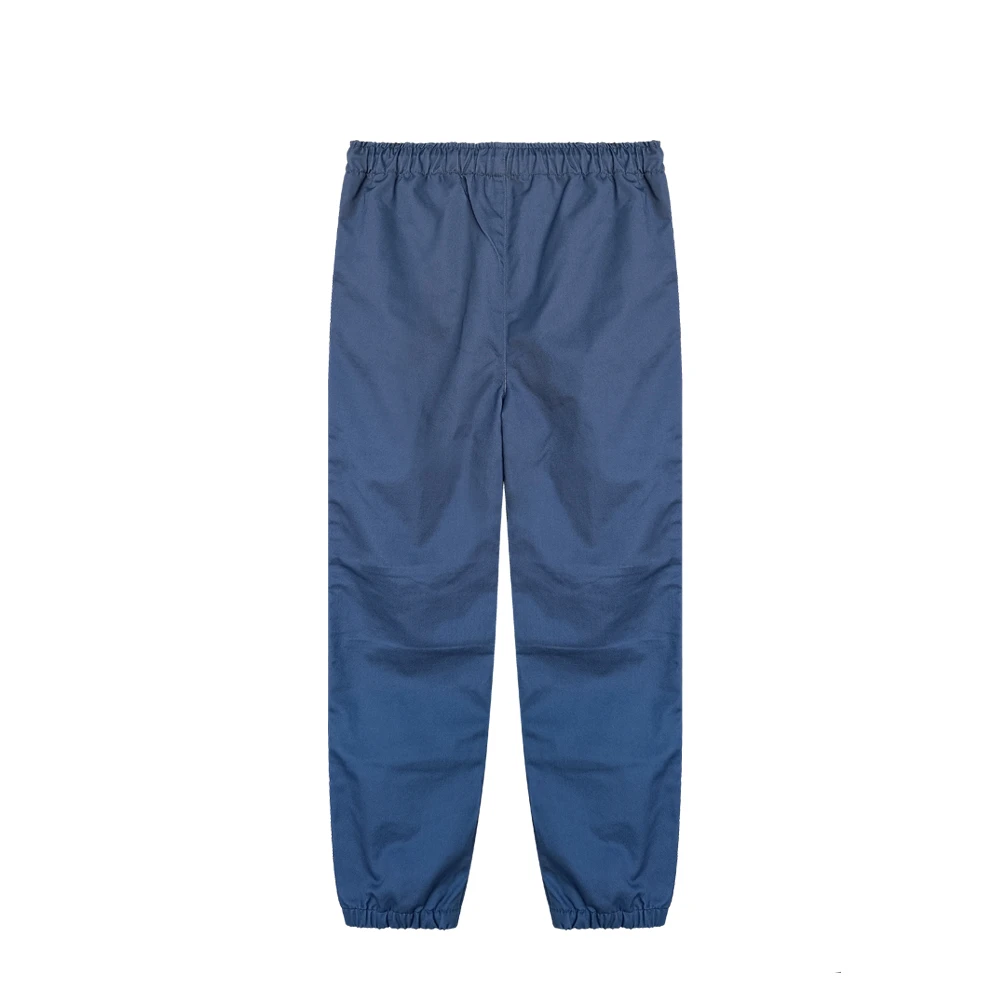
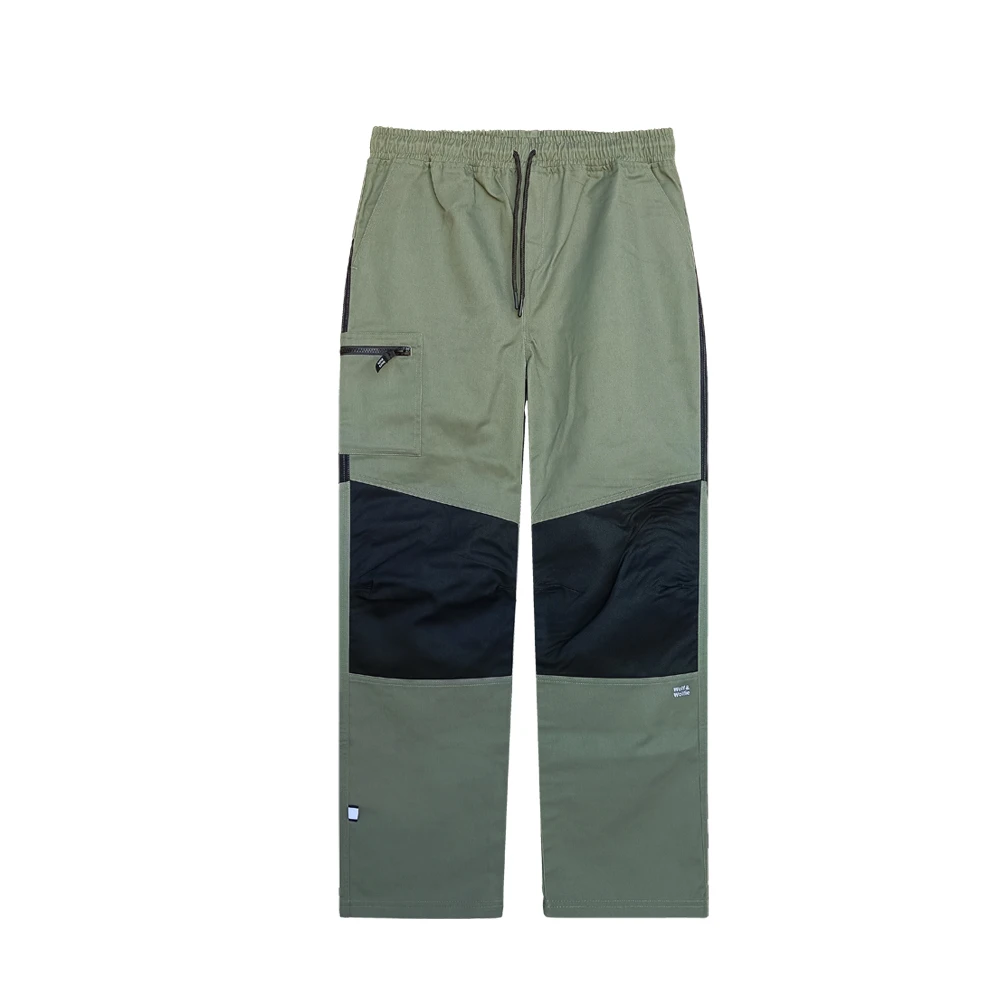
Simply put, kids yoga pants are stretchy, often cotton or synthetic-blend leggings designed specifically for children’s bodies and activities like yoga, gymnastics, and casual wear. Unlike conventional leggings, they prioritize both flexibility and durability, tailoring fit to kid-sized frames — think snug yet breathable. Their roots are connected to the rise of athleisure wear but with an important twist: these pants must stand up to kids’ varied use patterns, from tumbling to bike rides.
Core Features Making Kids Yoga Pants Essential
1. Softness & Breathability
Fabric matters. The best kids yoga pants often blend organic cotton, bamboo fiber, or moisture-wicking synthetics. This softness prevents chafing and keeps kiddos comfy through a school day or a weekend hike.
2. Stretch & Flexibility
A major marker is at least 10-15% elastane/spandex content for unrestricted movement. Without it, parents complain about tearing or kids feeling trapped. It’s fascinating how these stretches transform a simple pant into an all-purpose garment.
3. Durability & Washability
Kids are, well, tough on clothes. The fabric must survive countless machine washes and rough play. Reinforced seams and colorfast inks come into play here.
4. Style & Versatility
Colors, prints, and cut details have evolved to appeal to kids and parents alike. The mindset now? These pants double as casual wear and light athletic gear.
5. Sustainability
More brands incorporate recycled yarns, natural dyes, and low-impact processes as buyers grow eco-conscious. It’s the kind of small change that feels significant when multiplied worldwide.
Kids Yoga Pants in Action: How and Where They’re Used Globally
In North America and Europe, these pants populate school gyms, yoga studios, and neighborhood parks. Elsewhere, you’ll spot them in Asia’s urban centers where space is tight and kids need flexible clothing for daily activities. NGOs in warmer regions sometimes gift them to children in emergency shelters — a practical alternative to bulky clothes that hinder movement during play or learning.
An interesting case: a children’s yoga initiative in India noticed a rise in participation simply by providing affordable yoga pants designed for kids — showing how functional apparel can encourage healthier lifestyles.
Mini takeaway: Kids yoga pants aren’t just a trend in affluent markets but serve distinct, practical roles worldwide.
Advantages and Lasting Value of Kids Yoga Pants
- Cost-effectiveness: Durable fabrics mean parents replace these less often, saving money long-term.
- Comfort and safety: Soft materials reduce rashes; stretchy fabrics minimize injuries from restricted movement.
- Social impact: Increasingly sustainable production supports better labor practices and less environmental waste.
- Versatility: Off-the-shelf styles suit both casual and active use without losing their shape or color.
Frankly, when kids feel comfortable in their clothes, they move more freely — and I suppose that’s worth a lot. Plus, parents get peace of mind knowing their investment isn’t fleeting.
What's Next? Future Trends in Kids Yoga Pants
Look out for smart fabrics with UV protection, anti-microbial properties, or temperature regulation — all coming to kids’ wear soon. Brands will lean even more into circular fashion, offering take-back and recycling programs. Plus, bespoke sizing via AI tools could make fit more precise, reducing waste and returns.
Digital printing is also making customization easier and cheaper, allowing kids to select patterns or graphics reflecting their personalities — turning yoga pants into statements instead of just basics.
Common Challenges & How Industry Innovators Tackle Them
One persistent issue is balancing stretchiness with durability without compromising softness. Startups experiment with blends of organic cotton and recycled polyester to hit that sweet spot. Another is sizing — kids grow fast, so adjustable waists and modular designs are gaining traction.
Pricing sustainable pants competitively remains tough, but collaborations between brands and NGOs aim to subsidize eco-friendly options in lower-income markets.
Kids Yoga Pants: Answering Your Questions
- Q1: What makes kids yoga pants better than regular leggings?
- Kids yoga pants are designed with more stretch, breathable fabrics, and durability tailored for active kids. Regular leggings might not hold up to rough play or provide enough flexibility, leading to discomfort or wear and tear.
- Q2: Are kids yoga pants good for outdoor activities?
- Absolutely. Their materials wick moisture and move with the child, making them suitable for everything from playgrounds to light hiking—especially those with UV-protective fabrics.
- Q3: How do I know what size to buy for my child?
- Check brand sizing charts carefully and consider adjustable waist designs. If still unsure, a little room for growth is usually fine but avoid something too loose that restricts movement.
- Q4: Are sustainable kids yoga pants more expensive?
- Initially, yes, but their durability and eco-friendliness often mean long-term savings and less environmental impact—so it’s often worth the investment.
Comparing Popular Kids Yoga Pants: Specifications at a Glance
| Feature | Brand A | Brand B | Brand C |
|---|---|---|---|
| Material | Organic Cotton + Spandex | Recycled Polyester Blend | Bamboo Fiber + Elastane |
| Stretch Factor | 15% | 12% | 17% |
| Sustainability | Cert. GOTS organic | Recycled materials | Natural dyes used |
| Price Range | $20-$35 | $18-$30 | $22-$38 |
Vendor Comparison: Who Offers What?
| Vendor | Customization | Eco-certifications | Global Shipping | Return Policy |
|---|---|---|---|---|
| StretchKids | Yes, color & prints | GOTS, OEKO-TEX | Yes | 30 days full refund |
| EcoTykes | Limited | Recycled content certified | Europe & North America only | Exchange only |
| BambooBaes | Yes, full custom prints | Natural dye & bamboo certified | Worldwide | 15 days return window |
Wrapping It Up
So where are we? Kids yoga pants aren’t just an accessory—they’re an intersection of comfort, style, and a growing awareness of ethical and sustainable consumption in children’s wear worldwide. They solve real problems while encouraging physical activity and offering a small but meaningful nod to eco-consciousness.
Want to explore the latest in this evolving category? Check out a variety of kids yoga pants that blend performance and comfort perfectly at kids yoga pants. Your child — and the planet — might just thank you.