The Ultimate Guide to PVC Rain Jackets: Staying Dry in Style
When it comes to weathering the elements, a reliable PVC rain jacket is an essential piece of gear. Whether you're facing a sudden downpour during outdoor work, embarking on an adventure, or simply navigating a rainy commute, a quality PVC jacket can make all the difference. This article dives into the world of PVC rain jackets, exploring their benefits, features, applications, and how to choose the right one for your needs. We'll cover everything from material properties to care instructions, ensuring you stay dry, comfortable, and protected.
What is PVC and Why Use it in Rain Jackets?
PVC, or Polyvinyl Chloride, is a synthetic plastic polymer known for its durability, water resistance, and cost-effectiveness. It's a popular choice for rain jackets because it creates a completely waterproof barrier, preventing water from penetrating the fabric. Unlike some other waterproof materials, PVC doesn't require a Durable Water Repellent (DWR) coating, as the PVC itself is inherently waterproof. However, it's important to note that PVC isn't breathable, which can lead to moisture buildup inside the jacket during strenuous activity. Softshell Clothing offers a range of PVC rain jackets designed to balance protection and practicality.
Key Advantages of PVC Rain Jackets:
- 100% Waterproof
- Highly Durable and Abrasion Resistant
- Cost-Effective
- Easy to Clean
Key Features to Look for in a PVC Rain Jacket
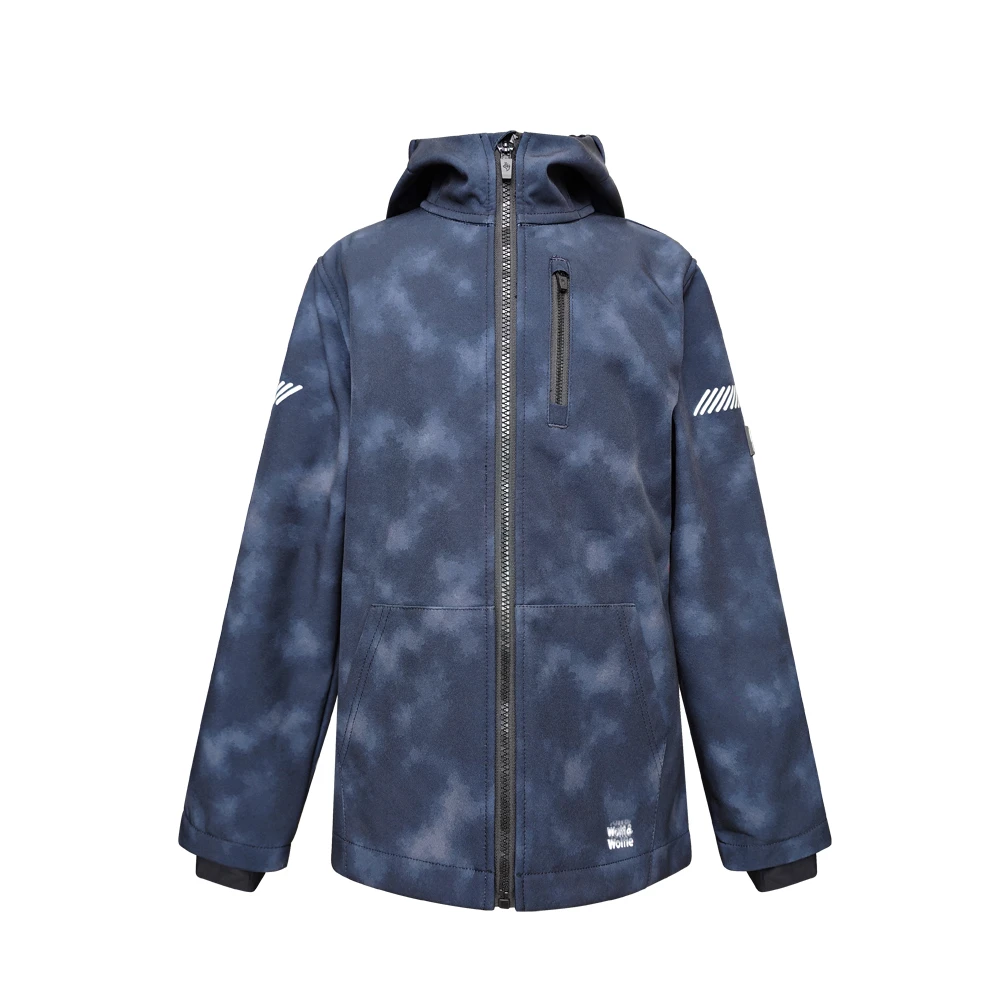
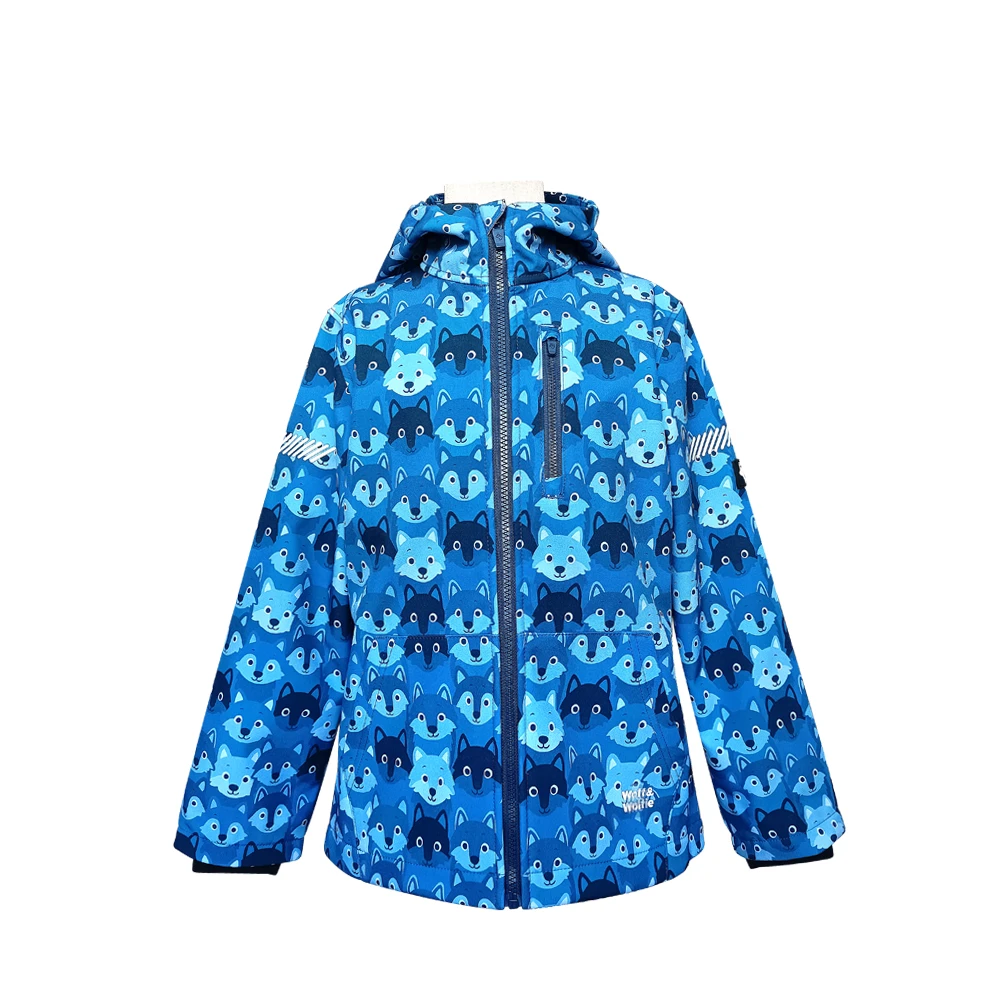
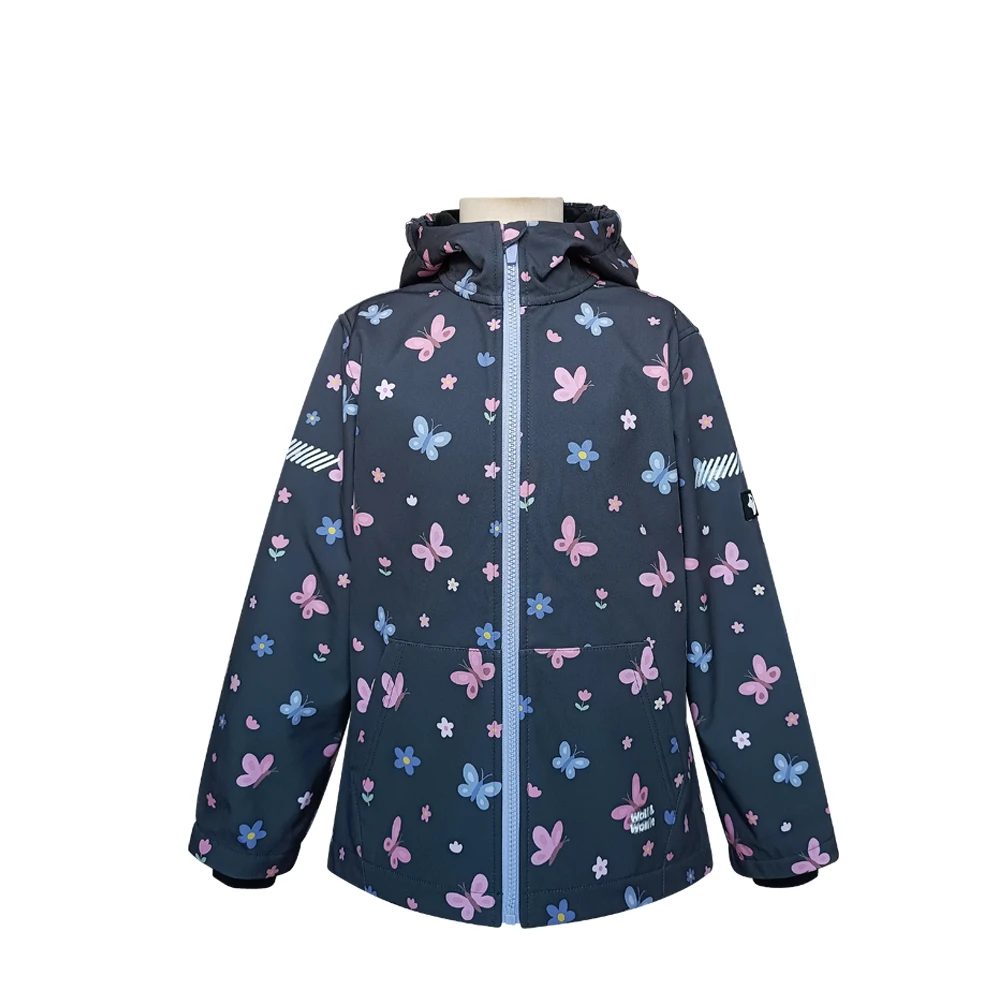
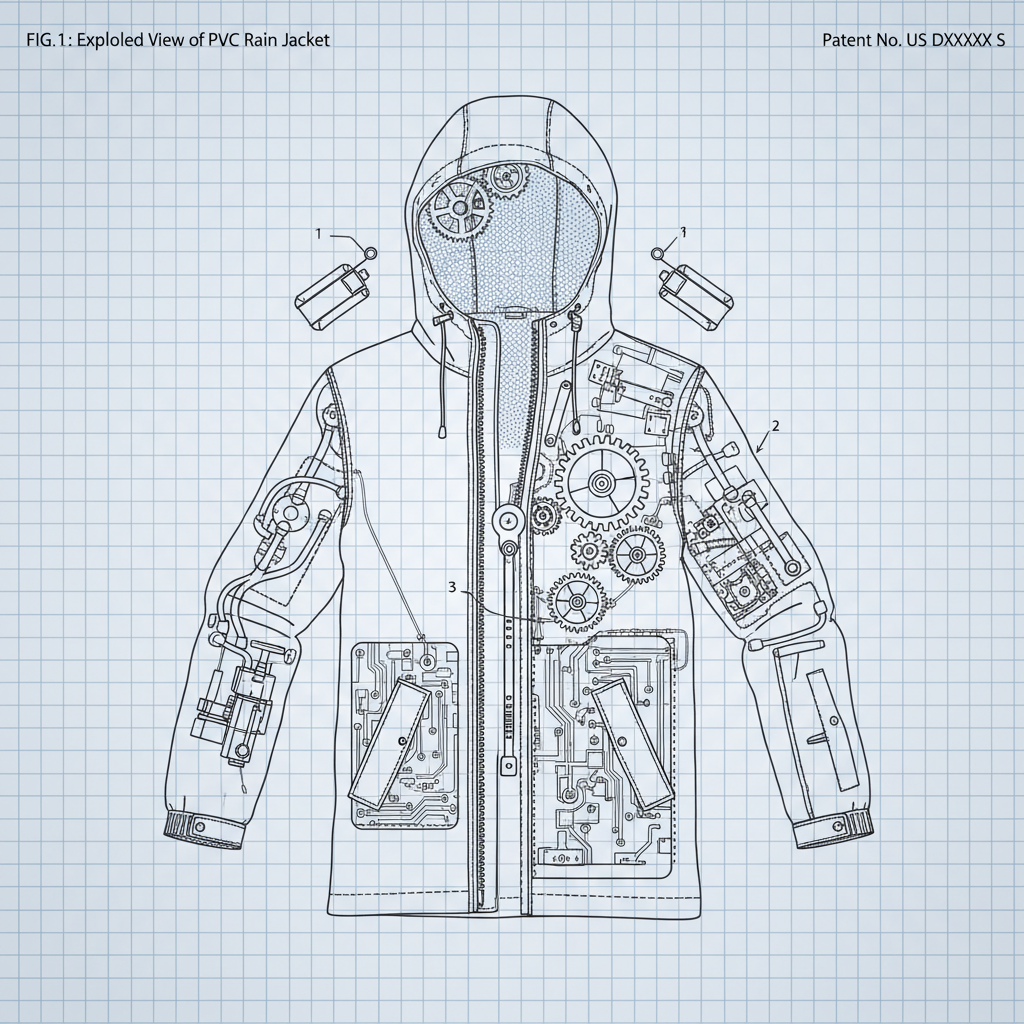
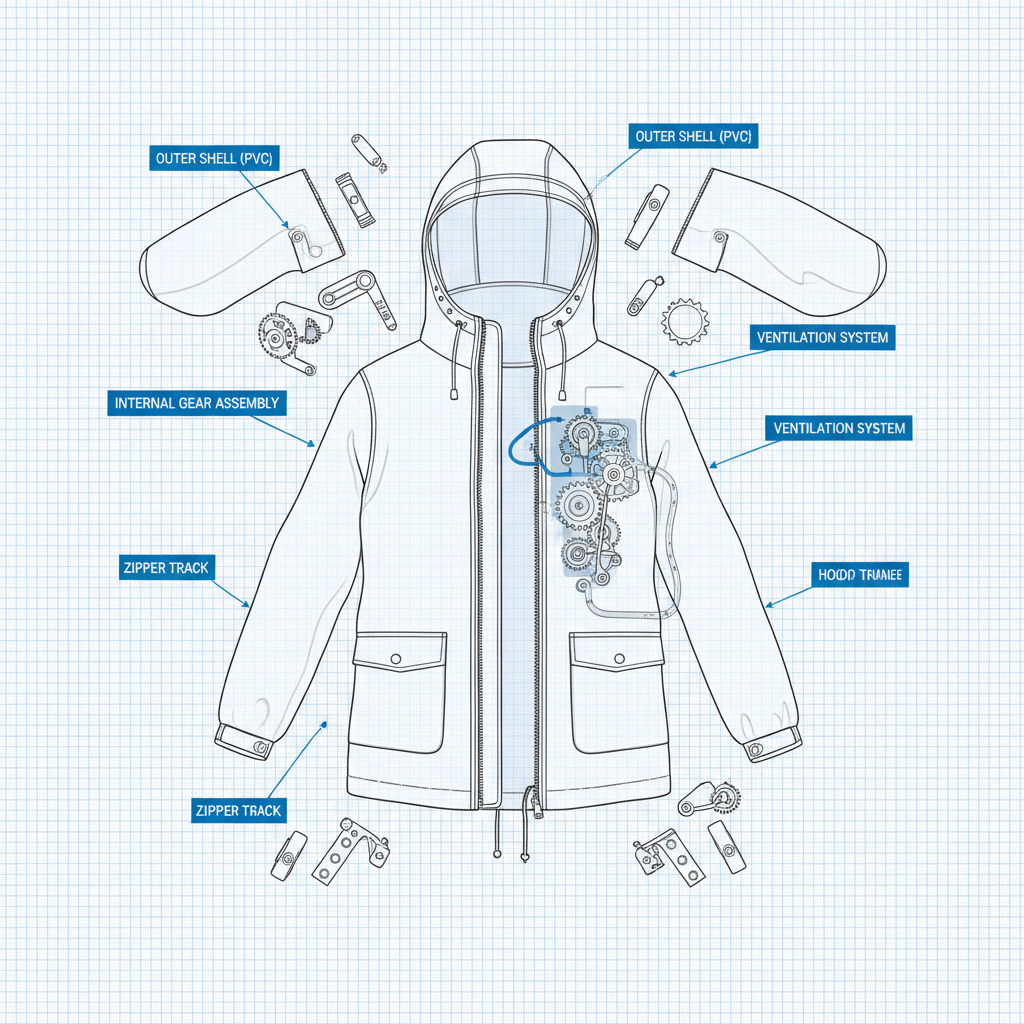
When selecting a PVC rain jacket, consider the following features to ensure you get the best possible protection and comfort. Look for features like a hooded design for added face and neck protection, taped seams to prevent water leakage, and adjustable cuffs and hem for a customized fit. Reflective detailing enhances visibility in low-light conditions, improving safety. A heavier gauge PVC will generally offer greater durability, but it may also be less flexible. Consider the intended use of the jacket when making your selection.
Essential Features Checklist:
• Hooded Design
• Taped Seams
• Adjustable Cuffs & Hem
• Reflective Detailing
PVC Rain Jackets: Applications and Industries
PVC rain jackets are widely used across various industries and applications where waterproof protection is essential. Construction workers rely on them to stay dry on job sites. Fishermen and boaters appreciate their ability to withstand harsh marine environments. Agricultural workers use them for protection during fieldwork. Emergency responders also utilize PVC rain jackets for their reliability in challenging weather conditions. The durability and waterproof nature of PVC make it ideal for demanding work environments. Explore the range at Softshell Clothing to find a jacket suited for your specific application.
Comparing PVC Rain Jackets to Alternatives
While PVC rain jackets offer excellent waterproof protection, it's important to consider other materials like polyurethane (PU) and rubber. PU is more breathable than PVC but may not be as durable. Rubber rain jackets are also waterproof but can be heavier and less comfortable. The choice depends on your specific needs and priorities. If complete waterproofness and durability are paramount, PVC is often the best option.
Caring for Your PVC Rain Jacket
To prolong the life of your PVC rain jacket, proper care is essential. Regularly clean the jacket with mild soap and water. Avoid using harsh chemicals or abrasive cleaners. Store the jacket in a dry, well-ventilated place away from direct sunlight. Avoid folding the jacket tightly for extended periods, as this can cause creases and potentially weaken the PVC material. Inspect the jacket periodically for any signs of damage, such as tears or cracks.
Conclusion: Staying Prepared with a Quality PVC Rain Jacket
Investing in a high-quality PVC rain jacket is a smart choice for anyone who needs reliable waterproof protection. With its durability, affordability, and complete water resistance, PVC offers a practical solution for a wide range of activities and industries. Choose a jacket that fits well, features the essential features you need, and is made from high-quality PVC for long-lasting performance.
Frequently Asked Questions (FAQs)
Are PVC rain jackets breathable?
Unfortunately, PVC is not breathable. This means that while it keeps water out, it can also trap moisture inside the jacket, potentially leading to discomfort during strenuous activity. If breathability is a primary concern, consider alternatives like PU-coated rain jackets, though they may not offer the same level of waterproof protection. Layering with moisture-wicking base layers can help mitigate this issue when wearing a PVC jacket.
How do I clean a PVC rain jacket?
Cleaning a PVC rain jacket is straightforward. Use mild soap and lukewarm water. You can use a soft cloth or sponge to gently scrub the surface. Avoid using harsh chemicals, abrasive cleaners, or bleach, as these can damage the PVC material. Rinse thoroughly with clean water and allow the jacket to air dry completely. Avoid direct sunlight or high heat, as this can also cause damage.
Are PVC rain jackets environmentally friendly?
PVC production has environmental concerns due to the use of chlorine and potential release of harmful chemicals. However, many manufacturers are now adopting more sustainable practices and using recycled PVC materials. When choosing a PVC rain jacket, consider brands committed to environmentally responsible production methods. Looking into alternatives such as PU can also provide a slightly more environmentally conscious option.
How long will a PVC rain jacket last?
The lifespan of a PVC rain jacket depends on the quality of the PVC, the frequency of use, and how well it's cared for. A well-maintained PVC jacket can last for several years, even with regular use. Look for jackets made from thicker gauge PVC for increased durability. Regularly inspect the jacket for tears, cracks, or other signs of damage, and replace it if necessary.