Why Apparel Matters: A Quick Look at Its Global Role
Apparel — it’s more than just fabrics stitched together. At a glance, it seems straightforward: clothes to wear. But globally, apparel plays a layered role affecting economies, cultures, and even humanitarian efforts. With an industry estimated at over $1.5 trillion worldwide, apparel impacts billions, from production workers in Bangladesh to fashionistas in Milan.
Understanding apparel isn’t just about style or comfort; it's about supply chains, sustainability, innovation, and social responsibility. And as global challenges like climate change demand new approaches, the way we think about apparel is evolving rapidly.
Setting the Stage: Apparel’s Global Impact
From the staggering 120 billion garments produced yearly worldwide (UN Environment Programme, 2020) to the millions employed in textile factories, apparel is a fundamental pillar of global industry. It’s also a lens through which issues like labor rights, sustainability, and innovation come sharply into focus.
One challenge? The enormous environmental footprint. Textile dyeing accounts for roughly 20% of industrial water pollution worldwide, while synthetic fabrics often rely on fossil fuels. Furthermore, rapid fashion cycles mean mountains of discarded apparel in landfills or oceans.
Yet, the sector also offers opportunities: job creation in emerging markets, new bio-based materials, and circular economy models turning waste into resource. Oddly enough, apparel sometimes symbolizes progress but also reminds us of complex global problems intertwined with everyday choices.
What Exactly is Apparel?
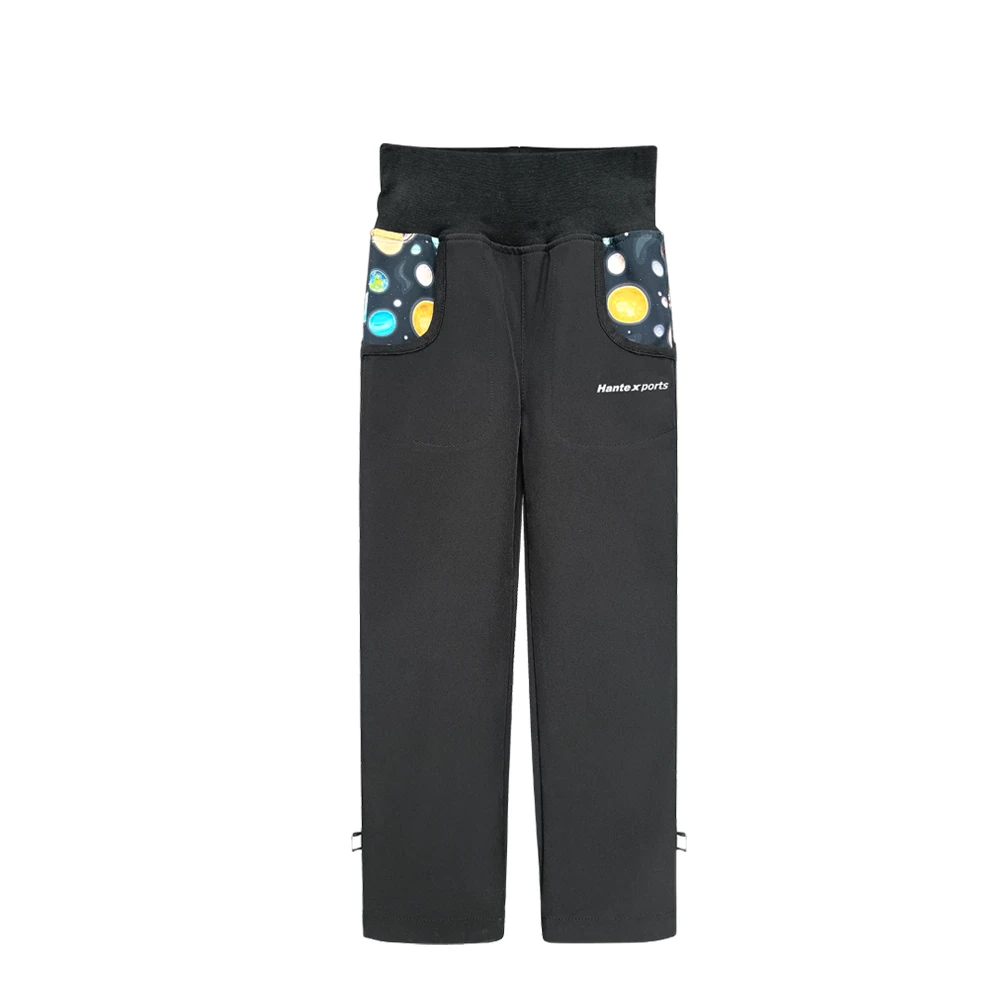
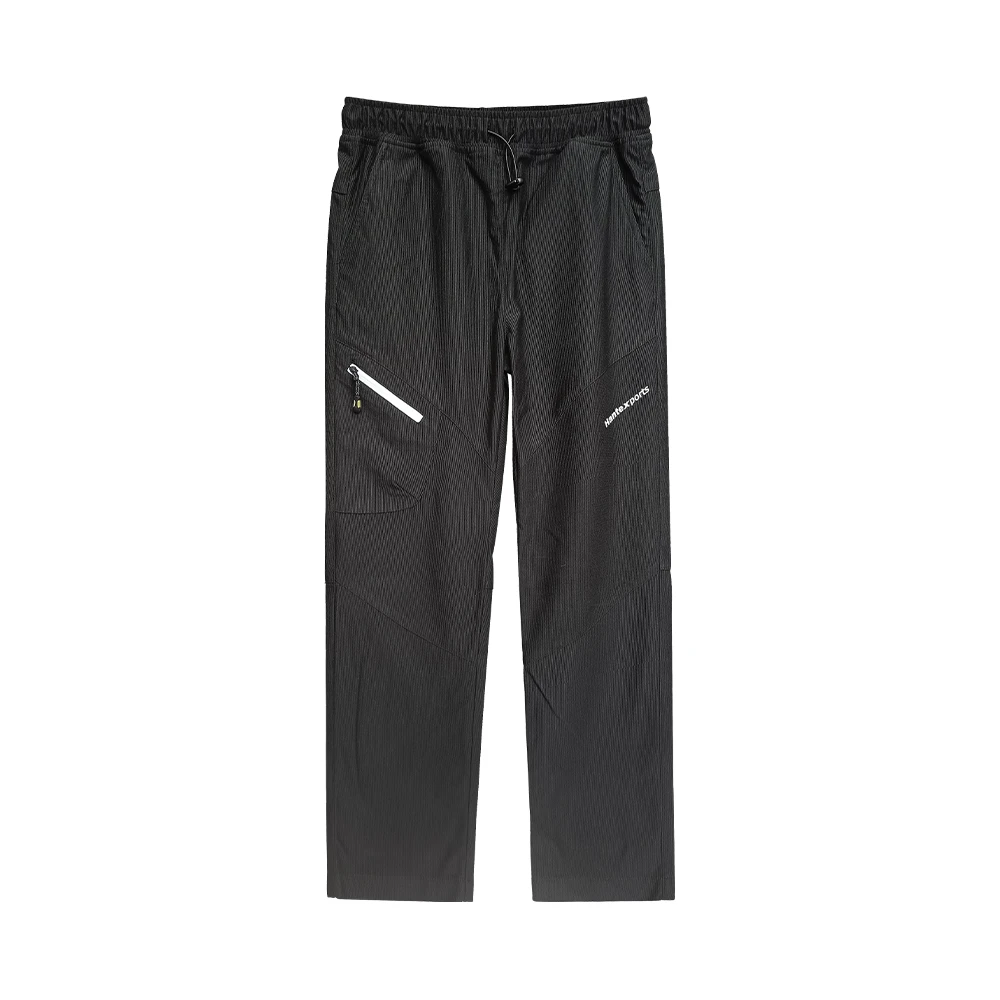
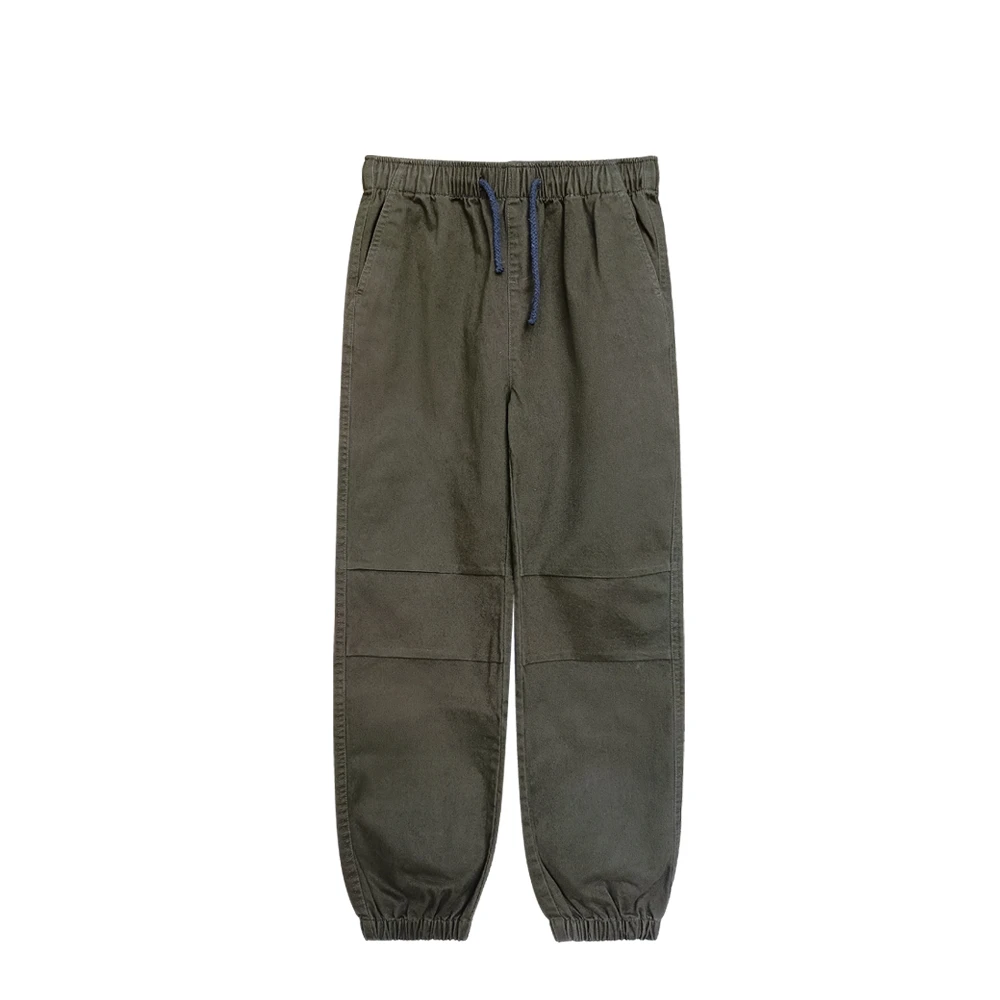
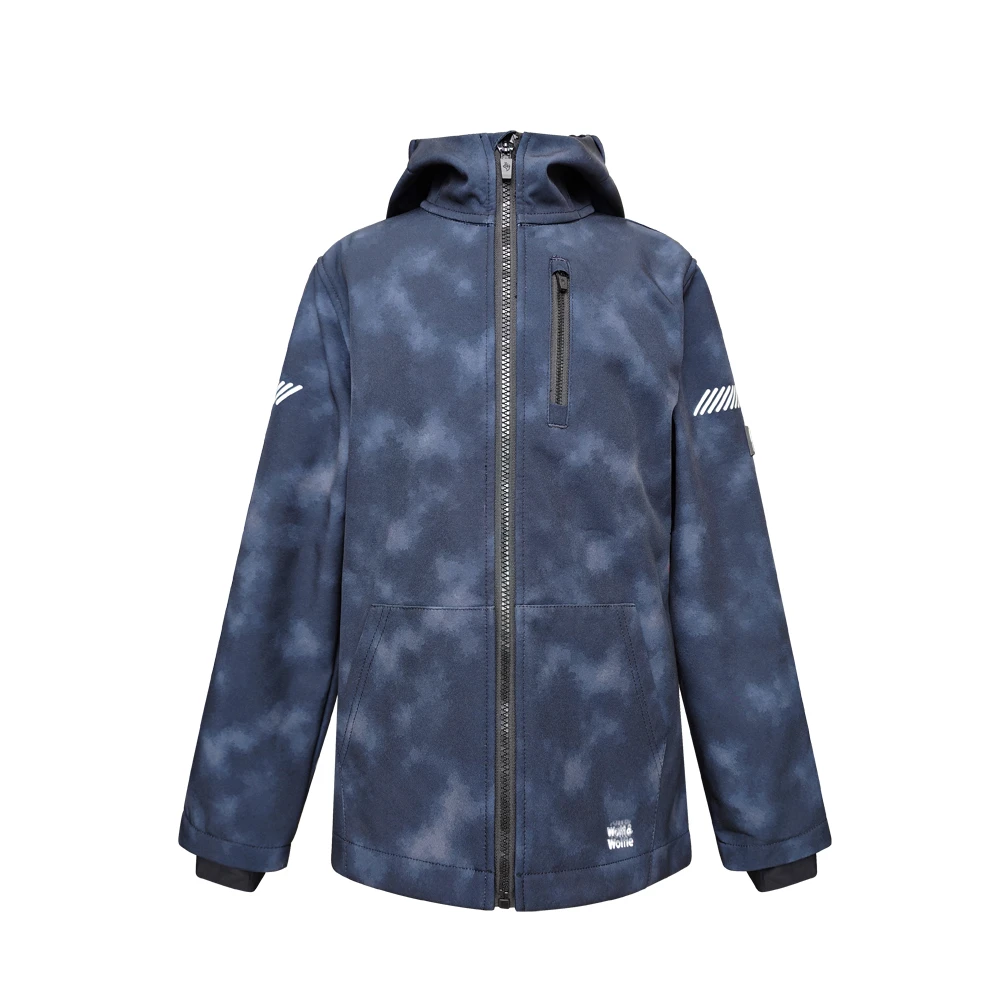
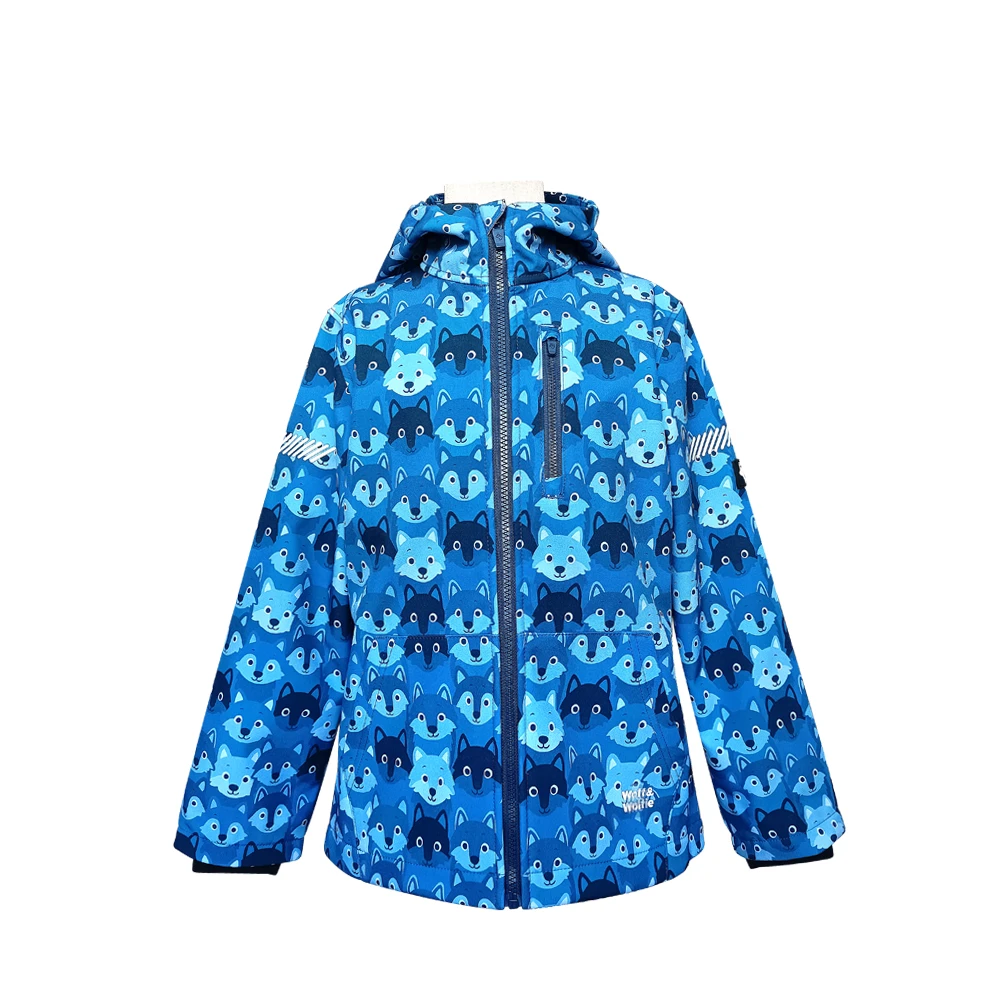
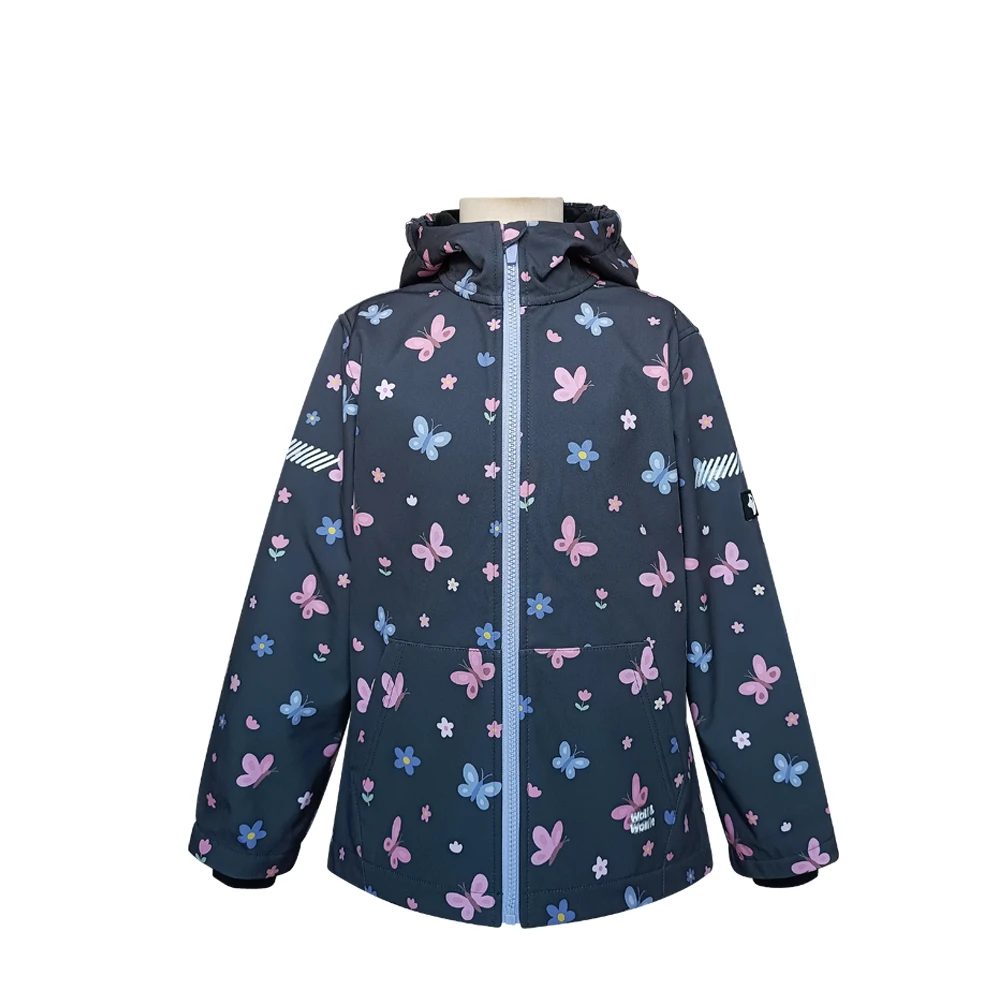
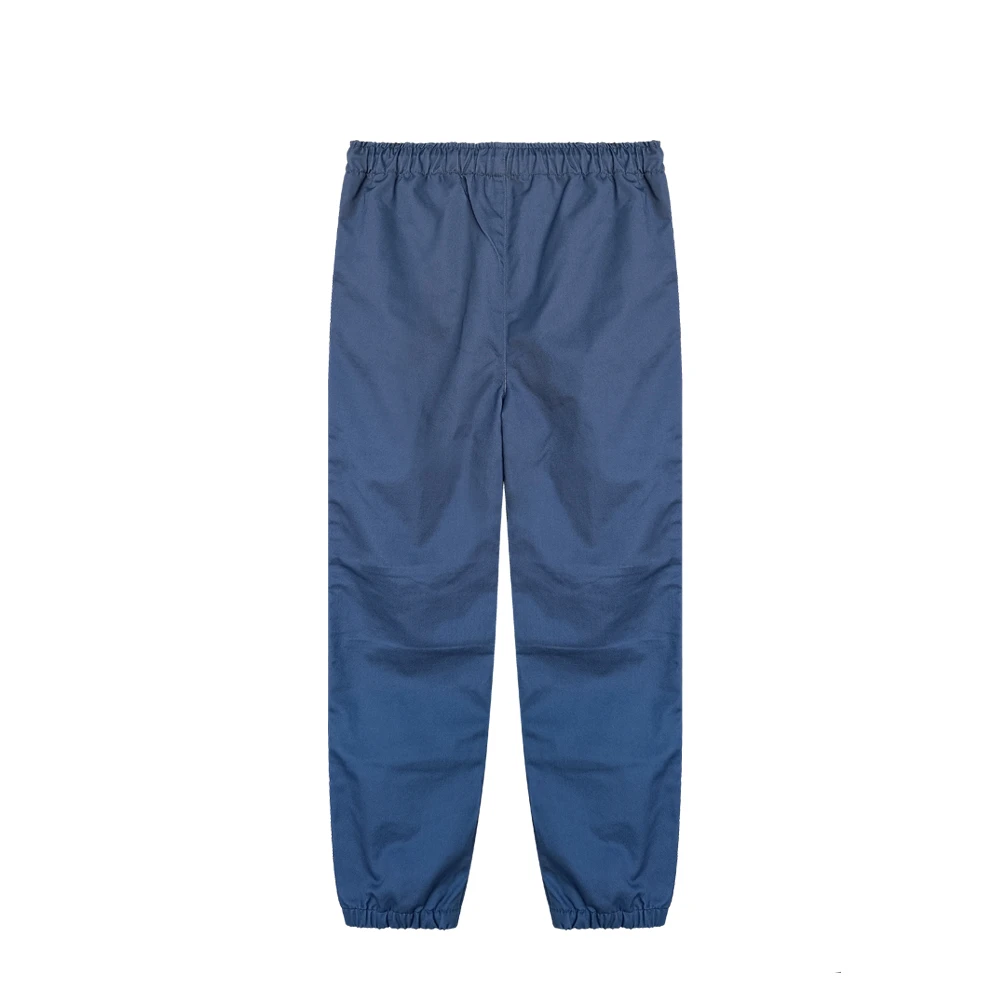
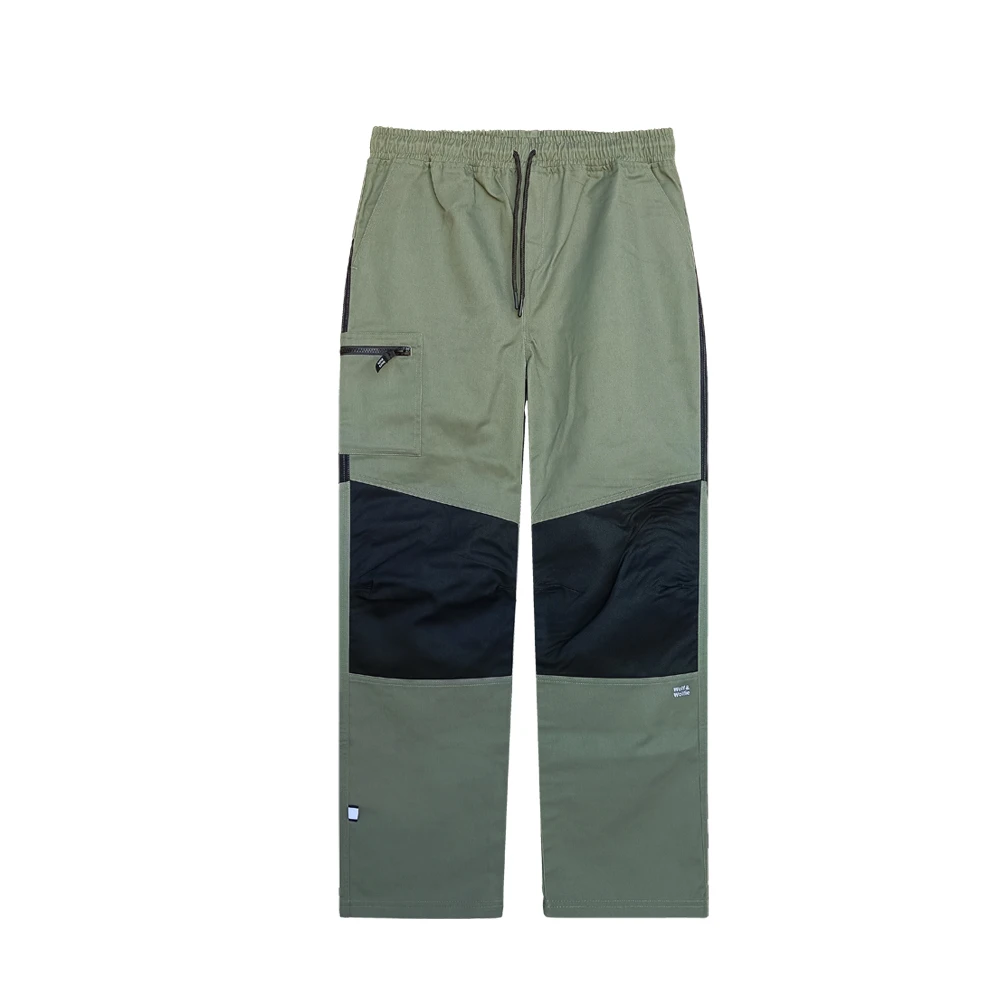
The term apparel covers garments and accessories designed to be worn — everything from T-shirts and coats to hats and gloves. Its role blends function with culture: protection against elements, expressions of identity, and simply meeting social norms.
In modern industry, apparel has broadened from mere garments to include smart textiles (think sensors sewn into jackets), protective clothing for healthcare workers, and even humanitarian apparel designed for displaced people and extreme environments.
There’s a profound humanitarian dimension — for instance, post-disaster relief often depends on quick supplies of durable, climate-appropriate clothing. So, apparel isn't just about fashion or retail; it’s about practicality and dignity in challenging contexts too.
Core Components of Apparel That Matter in Practice
Durability and Comfort
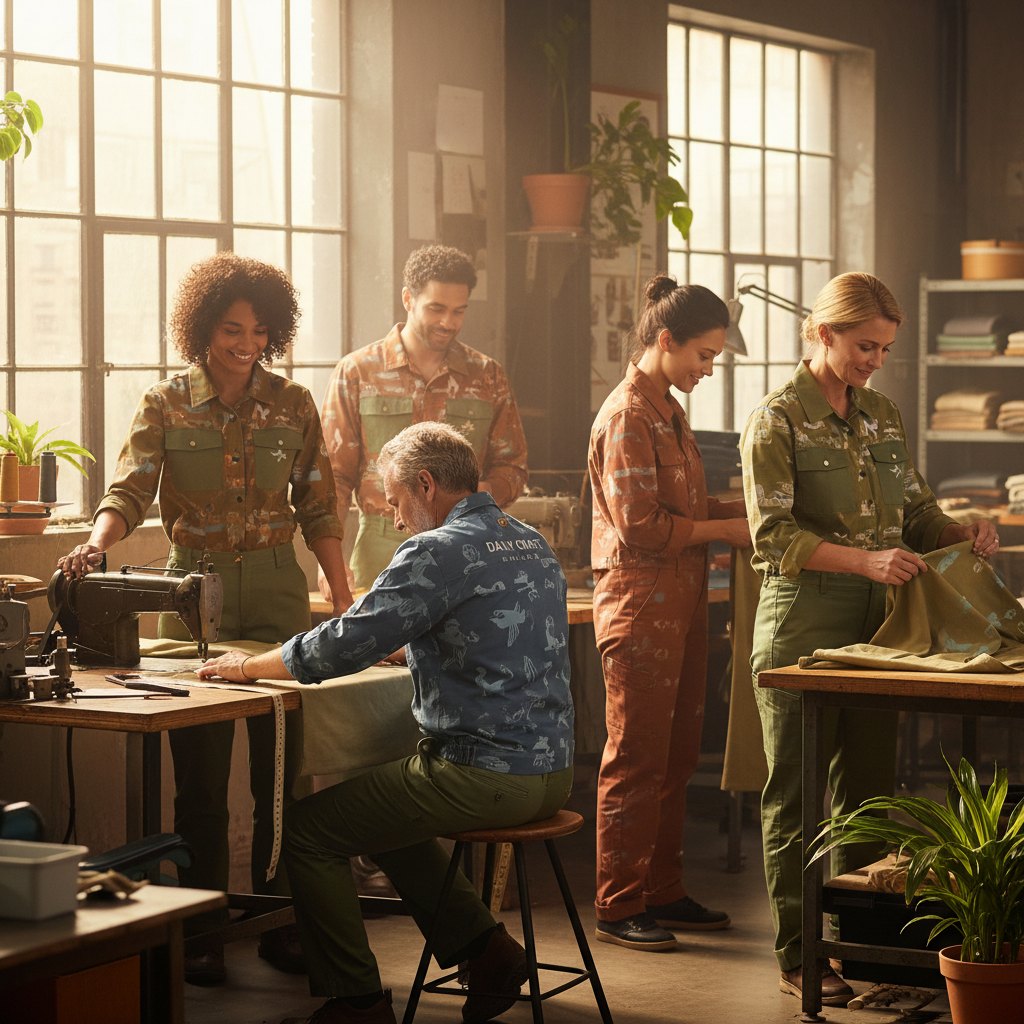
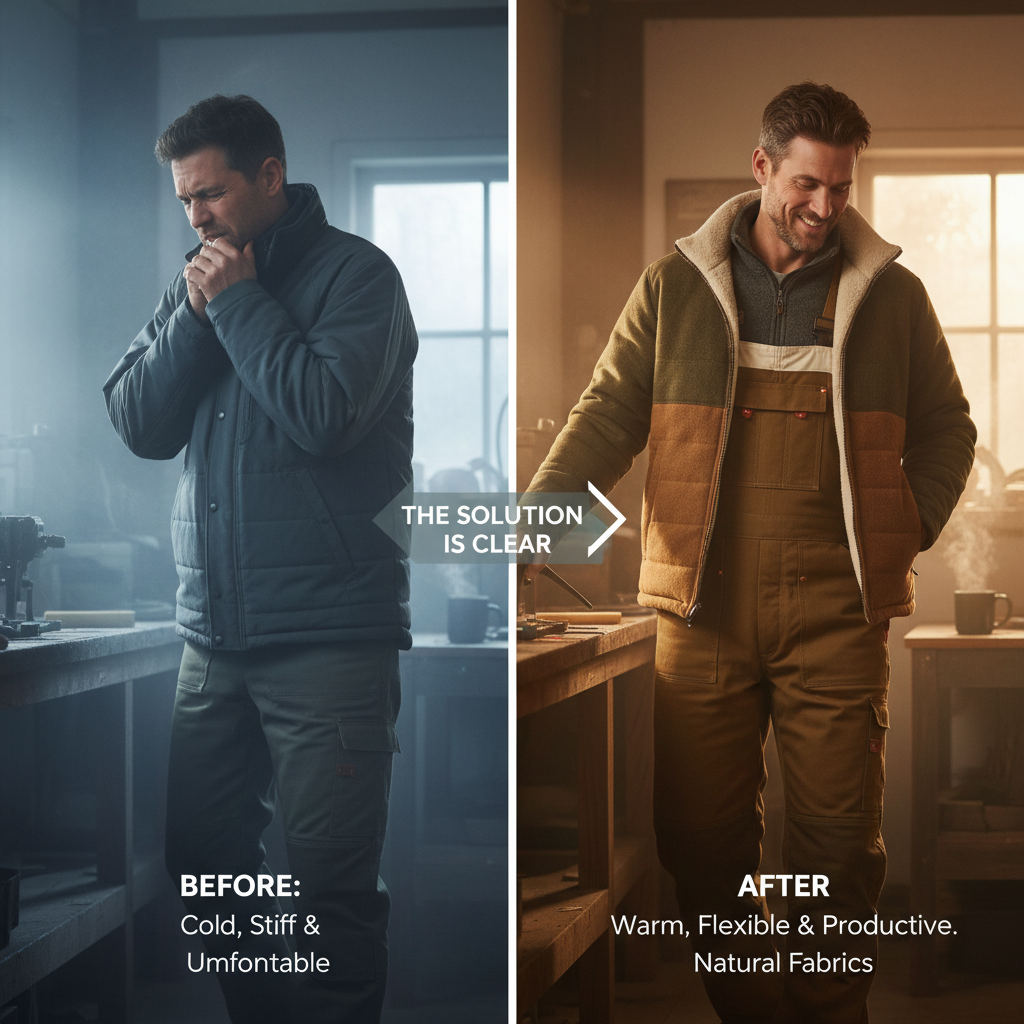
No mystery here: apparel must last through wear and tear but also stay comfortable. For example, workwear used in mining or construction is engineered not just for toughness but breathability — because if workers are unhappy, productivity drops.
Scalability of Production
Demand for apparel isn’t steady — trends rise and fall, seasons come and go. Scalability means manufacturers can switch production volumes quickly, impacting cost and waste. Many brands increasingly favor flexible supply chains for just-in-time manufacturing.
Cost Efficiency
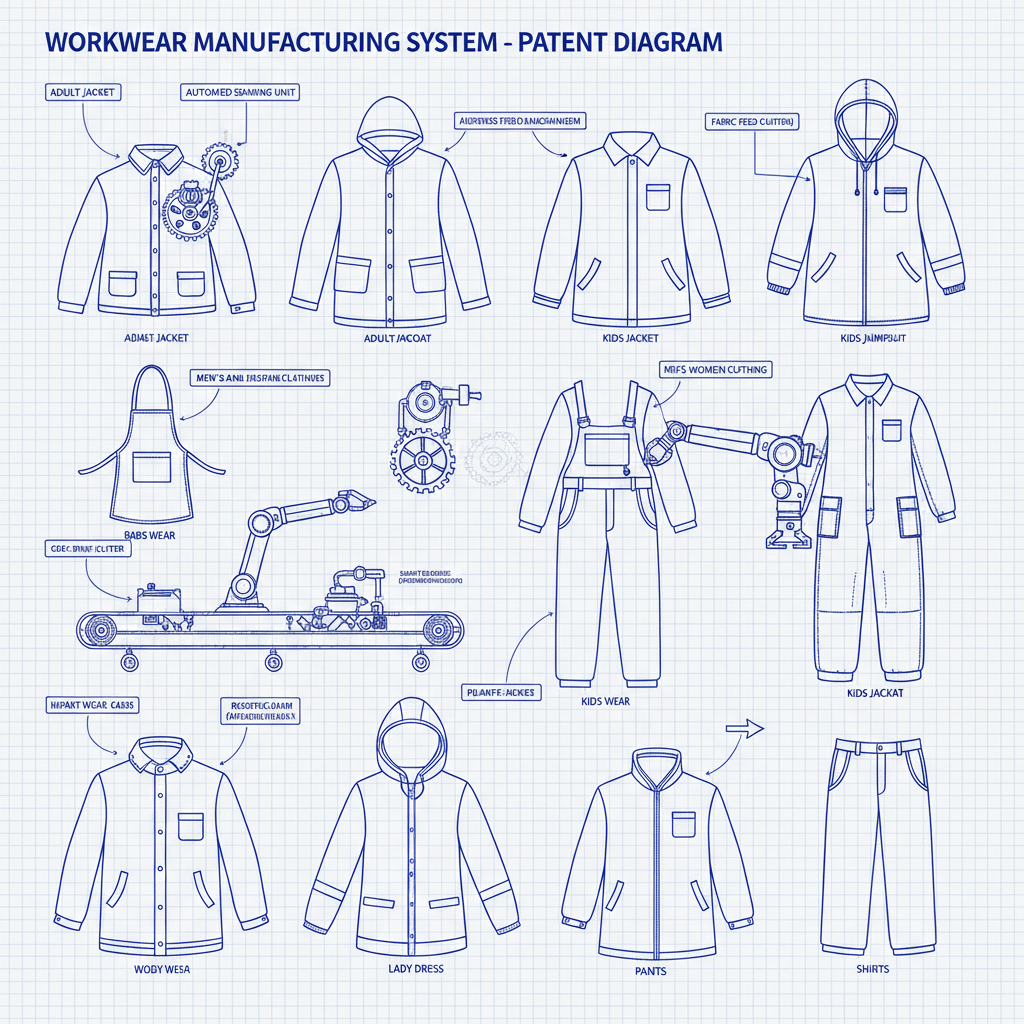
Fashion aside, cost efficiency — from material sourcing to labor — makes or breaks apparel brands. Luckily, tech innovations like automated cutting and sewing help lower unit costs while maintaining quality.
Sustainability
It’s no longer optional. Consumers want eco-friendly products, and regulations are tightening worldwide. Recycling, organic fibers, and waterless dye technologies are game changers here.
Innovation and Design Features
Smart textiles with embedded sensors, waterproofing treatments, and modular designs offering multi-functionality are increasingly common — blurring lines between apparel and wearable tech.
Real-World Applications of Apparel Across Borders and Industries
In real terms, apparel pivots across markets and needs. Consider:
- Post-disaster relief: Durable, weatherproof clothing quickly distributed to displaced populations helps maintain dignity and health.
- Healthcare: Protective apparel like masks and gowns have never been more critical.
- Outdoor and sports industries: Functional fabrics optimize performance and safety.
- Fashion hubs like Italy and Japan: Lead in design innovation and cultural influence.
- Developing economies: Bangladesh, Vietnam, and Ethiopia rely heavily on apparel exports for economic development.
Each use case demands nuanced apparel solutions tailored to climate, culture, and functionality.
Advantages and Long-Term Value of Apparel You Might Overlook
When you think about apparel value, it’s easy to stop at price or looks. But the benefits run deeper:
- Cost savings: Durable, versatile clothing translates to fewer replacements over time.
- Environmental impact: Sustainable apparel choices help curb pollution and resource depletion.
- Social impact: Ethical sourcing supports better labor conditions and community development.
- Safety and dignity: Proper apparel safeguards workers and disaster victims alike.
- Innovation trust: Consumers increasingly trust brands investing in technology and transparency.
All things considered, investing in smarter apparel creates ripples far beyond the wardrobe.
Looking Ahead: Future Trends & Innovations in Apparel
It feels like apparel is on the brink of a transformation:
- Bio-based fibers: Materials like mushroom leather and algae fabrics promise greener alternatives.
- Digital fashion: Virtual clothing for avatars and NFTs introduces a new digital economy.
- Automation: Robotics and AI streamline custom fits and reduce waste.
- Smart textiles: Integrated sensors monitor health or environmental conditions in real-time.
- Circular models: Leasing and recycling apparel to reduce landfill waste.
Many engineers and designers argue these trends will reshape not only manufacturing but also consumer behavior in coming years.
Facing Challenges & Navigating Solutions
Some tough questions still hang around apparel:
- How to reduce the environmental footprint of mass production?
- Can supply chains become fully transparent and ethical?
- Will new materials meet functional needs and price points?
Addressing these takes a blend of policy, innovation, and consumer education. For instance, blockchain tech enhances supply chain traceability. Meanwhile, startups exploring plant-based dyes and recycling machinery are making progress. It's slow but visible momentum.
Apparel Product Specification
| Feature | Description | Typical Values |
|---|---|---|
| Material Composition | Blend of natural and synthetic fibers | 60% cotton, 40% polyester |
| Weight | Fabric weight affects durability and comfort | 180 gsm (grams/sq.m.) |
| Water Resistance | Repels water but remains breathable | Up to 5000 mm hydrostatic pressure |
| Sustainability Rating | Measures eco-friendliness including recyclability | 85% recyclable, GOTS certified |
| Smart Features | Embedded electronics or sensors | Pulse monitoring, temperature regulation |
Vendor Comparison Table
| Vendor | Price Range (per unit) | Sustainability Initiatives | Production Capacity | Key Markets |
|---|---|---|---|---|
| EcoWear Ltd. | $10 - $15 | Uses organic cotton, zero-waste factory | 500,000 units/month | North America, Europe |
| FastTrend Apparel | $5 - $8 | Standard, limited sustainability focus | 2 million units/month | Asia, Latin America |
| InnovTex | $12 - $20 | Smart fabrics, recycling initiatives | 300,000 units/month | Europe, North America, Japan |
Frequently Asked Questions About Apparel
- Q: How can sustainable apparel reduce environmental harm?
- A: Sustainable apparel typically uses eco-friendly materials like organic cotton or recycled fabrics, cutting down water use and chemical pollution. Additionally, production models emphasizing circularity aim to minimize waste by recycling garments or designing for longevity. Together, these practices help reduce the apparel industry's heavy environmental footprint.
- Q: What role does apparel play in humanitarian aid?
- A: In times of crisis, having access to durable, climate-appropriate clothing supports displaced people’s health and dignity. Organizations rely on fast supply and specialized apparel (e.g., thermal layers, waterproof gear) tailored to specific disasters, helping recipients face harsh conditions more safely and comfortably.
- Q: How is technology changing apparel manufacturing?
- A: Automation and AI-driven design tools enable faster turnaround and better customization, while smart textiles add functions like temperature regulation or biometric monitoring. This leads to smarter, more efficient production and new apparel capabilities beyond traditional uses.
- Q: Why is supply chain transparency important in apparel?
- A: Transparent supply chains help ensure ethical labor practices and responsible sourcing. This boosts consumer trust, helps brands comply with regulations, and reduces risks linked to unsafe or exploitative production environments.
- Q: What should I consider when choosing apparel vendors?
- A: Factors include price competitiveness, sustainability certifications, production capacity matching your volume needs, and alignment with your target markets. Vendor innovation, such as offering smart textiles or recycled materials, may also add value for long-term partnerships.
Conclusion: Apparel’s Enduring Importance — And What to Explore Next
To sum it up, apparel is one of those rare sectors where culture, commerce, and conscience meet. Whether you’re interested in trendsetting fashion or sustainable supply chains, it’s clear that choosing the right apparel matters — for the planet, workers, and consumers alike.
For those curious to dive deeper or explore contemporary apparel solutions, feel free to visit our website: apparel. There you can find practical resources, new product lines, and expert insights tailored to modern clothing demands.
As technology advances and sustainability becomes more critical, apparel remains a dynamic, fascinating field worth watching — and wearing.
References:
1. United Nations Environment Programme, 2020 Textile Impact Report.
2. International Organization for Standardization (ISO), Sustainable Production Guidelines.
3. World Bank, Global Manufacturing Data, 2023.