Rubber Raincoat: What Every Industrial Worker Should Know
Having spent more than a decade in the industrial equipment sector, I’ve come to appreciate not just the big machines, but also the little things that keep us safe and dry on the job. One such essential is the rubber raincoat. You might think it’s just a basic piece of gear — but, frankly, there’s a lot behind those shiny yellow coats you see on busy construction sites or dockyards.
In the real world, conditions can change fast and you need a raincoat that doesn’t just block water but actually holds up to rough, industrial use. I remember a buddy who works offshore telling me how his high-quality rubber raincoat survived 12-hour shifts battling wind and sea spray without a single leak or tear. That kind of durability matters, especially when you’re working near heavy machinery or slippery surfaces.
Oddly enough, specifying the right material is often overlooked. Most industrial-grade raincoats are made from natural or synthetic rubber composites — sometimes laminated with PVC or polyurethane for extra strength and flexibility. Natural rubber offers excellent elasticity and waterproofing but can be heavier and prone to wear over time. Meanwhile, synthetic blends can balance performance and weight, which is a win if you’re on your feet all day.
It’s not just about the rubber though. The coat’s design, including reinforced seams, ventilation flaps, and adjustable hoods, can make or break comfort. I’ve noticed many engineers and safety supervisors prefer coats with sealed seams and snap closures instead of zippers because zippers tend to corrode or fail after constant exposure to moisture and grime.
| Feature | Specification | Benefit |
|---|---|---|
| Material | Synthetic Rubber Laminated with PVC | Waterproof & durable, lightweight |
| Seams | Heat-sealed & reinforced | No leaks, increased durability |
| Hood | Adjustable with visor | Better visibility, fit, and protection |
| Closure | Snaps + storm flap | Corrosion-resistant, secure |
| Weight | 700 g/m² | Heavy enough for protection, light enough for mobility |
Of course, no two vendors offer the same quality or type of rubber raincoat. Choosing a reliable supplier isn’t just about price — you want proven longevity and compliance with safety standards like EN 343 (European rainwear standard) or ANSI/ISEA 107 (for high-visibility rainwear). It’s the kind of detail many folks miss, but safety engineers tend to obsess over.
| Vendor | Material Type | Certifications | Average Price Per Coat | Warranty |
|---|---|---|---|---|
| RainPro Gear | Natural Rubber | EN 343, ISO 9001 | $120 | 1 Year |
| SoftShell Clothing | Synthetic Rubber + PVC | EN 343, ANSI/ISEA 107 | $140 | 2 Years |
| IndustrialWear Co. | Polyurethane Laminate | ANSI/ISEA 107 | $110 | 18 Months |
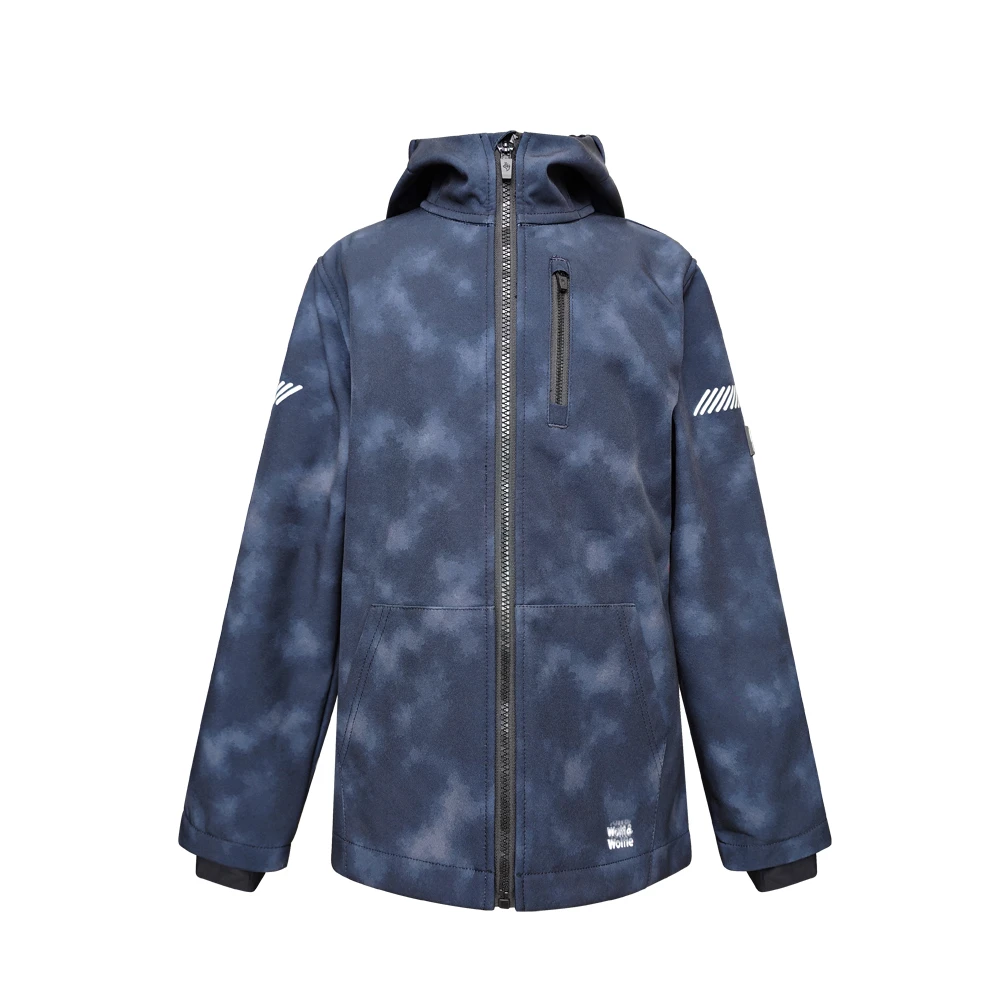
Customization is another angle worth mentioning. From reflective strips to company logos and even internal mesh lining for breathability, many manufacturers now provide options that specifically cater to your industry’s unique environment. I suppose this trend stems from the growing recognition that one-size-fits-all isn’t quite cutting it.
At the end of the day, investing in a robust rubber raincoat is about more than just staying dry. It’s about safety, comfort, and productivity in unpredictable conditions. Whether you’re a warehouse supervisor or a site engineer, choosing the right raincoat means fewer breaks to swap out soaked clothing and less risk of slips or exposure.
So next time you’re scanning gear lists or negotiating vendor contracts, remember the subtle but vital role of the trusted rubber raincoat. It’s a simple piece of equipment, but oddly enough, it can make a huge difference when the rain starts pouring.
Before I forget: if you want a reliable option, check out SoftShell Clothing’s selection. Their combination of premium materials and thoughtful design really stands out in the field — I’ve seen it myself.
In brief: good rainwear doesn’t just protect against weather; it protects your work.
References:
1. EN 343 Standard (Protective Clothing - Performance Requirements)
2. ANSI/ISEA 107 (High-Visibility Safety Apparel)
3. Industry interviews and field notes, 2014-2023